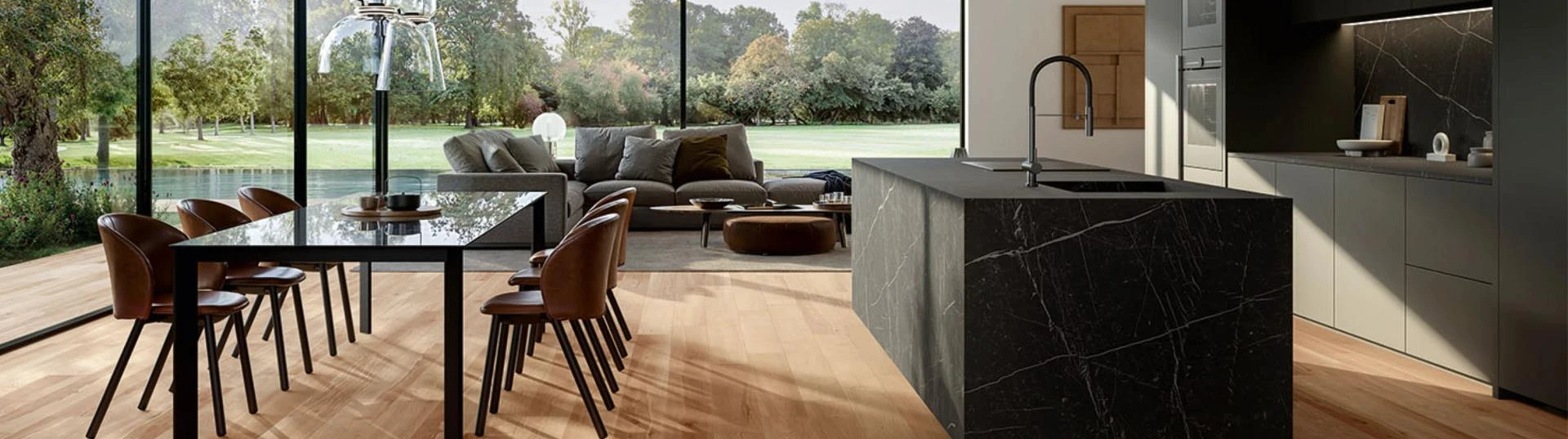
As daily life becomes faster and more demanding, people are rethinking what they want from their homes. Modern minimalist furniture has gained relevance not because it looks clean, but because it reduces effort—less visual noise, fewer decisions, and more breathing room. It supports living rather than showcasing, creating environments that feel manageable instead of overwhelming.
Less Visual Demand, More Mental Space
Every object in a room asks for attention. When too many items compete, the mind never fully relaxes. Minimalist furniture reduces that competition. Clean shapes and controlled proportions allow the eye to move naturally, which lowers mental fatigue. The space feels calmer not because it is empty, but because nothing is unnecessary.
Design That Fits Into Life, Not the Other Way Around
Minimalist furniture doesn’t dictate behavior. It adapts. Seating feels intuitive. Tables are sized for real use, not display. Storage is discreet and purposeful. This adaptability makes daily routines smoother, from cleaning to rearranging to simply moving through the room.
Material Quality Over Decorative Detail
Instead of ornamentation, minimalist design relies on material integrity. Wood, stone, metal, and fabric are chosen for texture and durability rather than shine. These materials don’t age abruptly. They settle into the home, becoming familiar instead of dated. Over time, this creates emotional comfort alongside visual consistency.
Balance Prevents Coldness
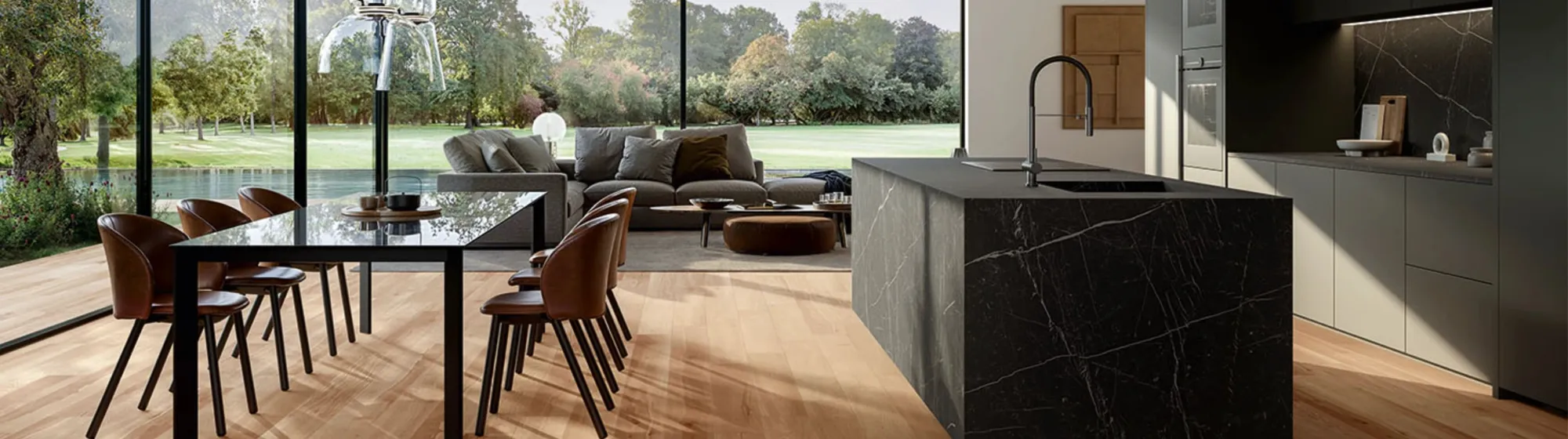
Minimalism often gets mistaken for sterility. In reality, discomfort comes from imbalance. When furniture proportions are right and materials feel natural, minimalist interiors feel warm and grounded. Negative space becomes a feature, not a flaw, allowing light and movement to shape the room naturally.
Freedom to Change Without Replacing
One of the most underrated benefits of minimalist furniture is flexibility. Walls can be repainted. Textiles can change. Lighting can evolve. The furniture doesn’t need to. Its neutrality allows the home to refresh without starting over, making design choices more sustainable and less impulsive.
Function That Disappears Into Routine
The best furniture doesn’t announce its function—it quietly performs it. Minimalist pieces become part of daily rhythm. You stop noticing them because they work. This invisibility is a sign of success, not lack of character.
Longevity as a Design Principle
Furniture built around trends expires quickly. Minimalist pieces last because they’re built around fundamentals: proportion, comfort, and honesty. This longevity makes them emotionally reliable, not just visually consistent.
A Natural Fit for Thoughtful Homes
Katana Home curates furniture for people who value clarity over clutter. Pieces are selected for how they support everyday life, not how loudly they speak. This approach aligns naturally with homes designed for calm and intention.
Closing Perspective
Homes feel lighter when they don’t demand constant attention. Modern minimalist furniture creates spaces that are easier to maintain, easier to enjoy, and easier to return to—offering quiet support for modern living rather than visual distraction.



















Sign in to leave a comment.