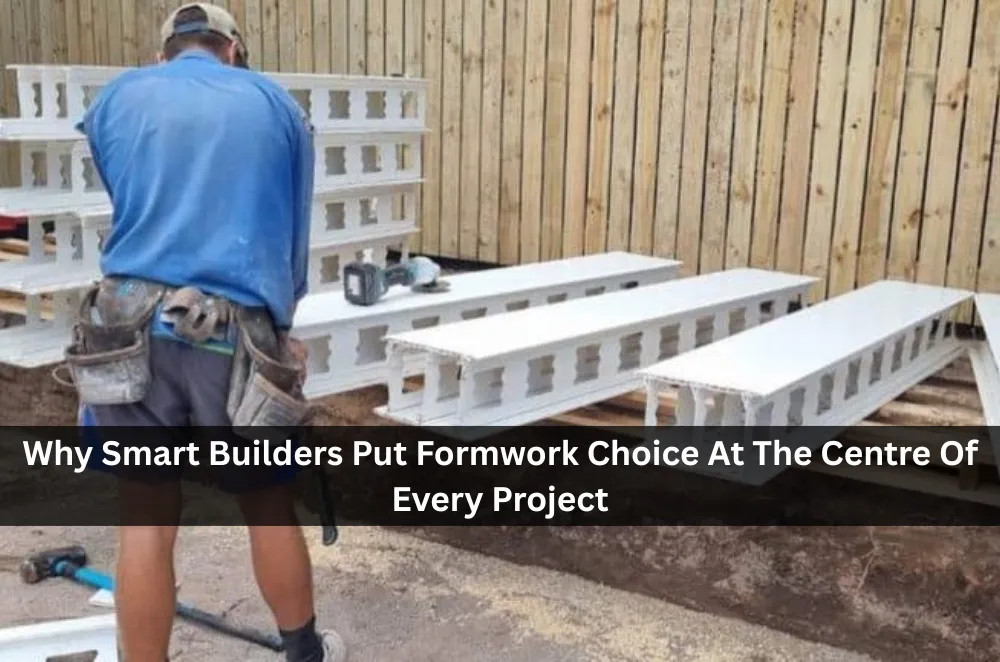

A concrete pour waits for nobody. Deadlines stay fixed, labour costs climb, and the weather turns without warning. In that mix of pressure and uncertainty, the gear that shapes each slab and column matters just as much as the mix design. That is where the trusted Rise equipment range earns its keep: engineered panels, braces, and anchors designed for quick set-up and clean stripping, ready for life on busy Australian and US sites.
Where Time Slips Away On The Slab
Crews rarely lose whole days to a single dramatic error. More often it’s an hour here, forty minutes there—fasteners that won’t align, wedges that need a grinder pass, panels that flex just enough to demand extra propping. Those micro-delays ripple through the programme:
- A pump sits idle waiting for the deck to hit strength.
- Steel fixers juggle their sequence because forms came down late.
- Wet-weather windows close before the next bay is ready.
Multiply that across dozens of pours and the contingency budget thins out fast. Robust, dimensionally consistent formwork trims those margins of error. Panels land square, props lock off in seconds, and the crew shifts straight to steel or services.
Modular Systems Pay For Themselves On Phase Two
On paper, hire rates for generic steel frames look tempting. Once freight, extra bracing, and patching compound start appearing on invoices, the saving evaporates. Purpose-built modular systems arrive in matched sets, so returns from the first pour flow through the rest of the programme rather than draining into rework.
A site superintendent in Brisbane recently tracked the difference. Switching to a modular frame system cut their average set-up time on lift cores from nine hours to just under six. Over sixteen cores that translated to roughly forty-eight crew hours—close to a full working week—redeployed to finishing tasks. Similar stories surface from Texas high-rise pours coping with rigid programme milestones and summer heat windows.
If you need a deeper dive into field-proven assembly checks and pour sequencing, the Construction Blog runs a detailed formwork quality guide that breaks down each inspection step.
Safety Isn’t An Add-On—It’s Baked Into The Hardware
Regulators on both sides of the Pacific take a dim view of improvised bracing. Safe Work Australia’s guidance on managing concrete risks notes that poorly secured forms can generate lateral loads exceeding 30 kPa during vibration. That pressure can loosen pins, shift walers, or in worst cases trigger a blow-out.
Modern systems push those risks down by design:
- Integral alignment rails remove the temptation to hammer in timber packers.
- High-tensile tie bars carry predictable loads, so engineering checks hold their value right through the programme.
- Self-cleaning panel edges slash the time spent chipping off slurry, reducing exposure to silica dust.
The upshot? Fewer manual adjustments at heights, less time under suspended loads, and a safety file with fewer near-miss notes. For firms operating across state lines, the consistency also simplifies training because crews handle the same locking mechanisms from Perth to Philadelphia.
Relevant local standards change, but the physics of lateral pressure stays the same.
Freight And Handling: The Hidden Margin
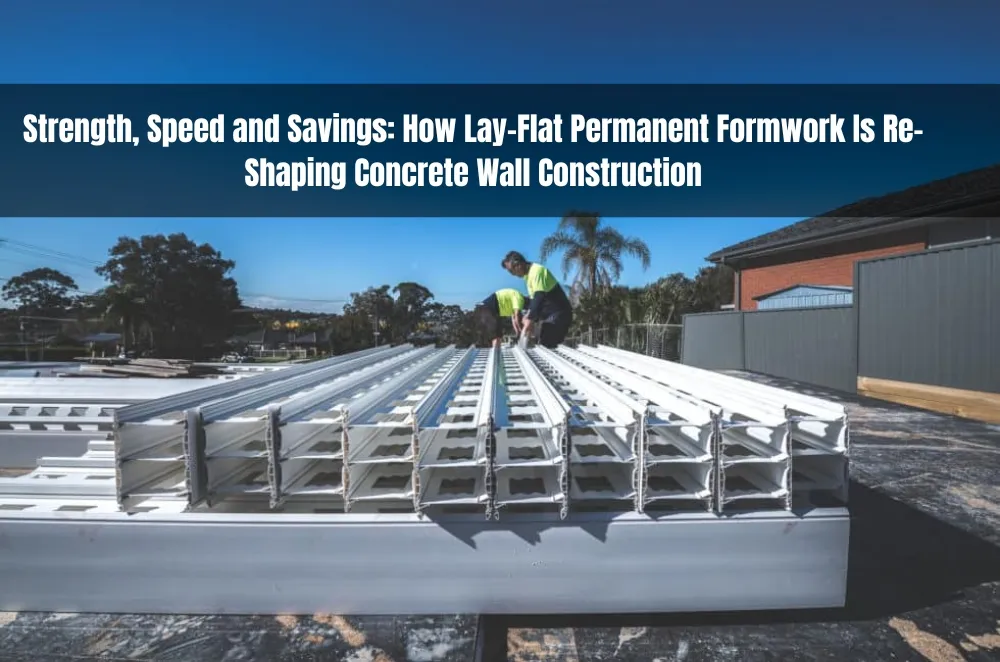
International projects often stall at the border, not the boundary fence. Heavy raw-steel frames ship poorly—odd shapes, wasted deck space, and punitive freight surcharges. Aluminium-hybrid panels weigh in lighter and nest three deep in standard containers, which slashes import costs into both Fremantle and Long Beach. Once on site, crane picks run faster because each lift carries more face area without breaching load charts.
Crews report another quiet gain: lighter gear encourages task rotation. Instead of two labourers heaving a 40-kilogram panel into place all day, a larger slice of the workforce can join the set-up rotation, easing fatigue and helping meet union guidelines on manual handling.
Design Flexibility Keeps Architects In The Conversation
Few builds follow the tidy rectangles shown in early renders. Architects squeeze in balconies, tapering core walls, and multi-storey reveals. Adjustable corner panels and radius form sections accommodate those late tweaks without forcing the engineer back to the drawing board. With tapered wedges and slot patterns cut straight into modular panels, angles dial in quickly, and curved off-form finishes emerge without bespoke carpentry.
That flexibility also feeds into sustainability goals. Re-using the same kit across complex pours drops the volume of single-use ply by a healthy margin and cuts waste disposal fees—both of which loom large in tender evaluations built around embodied carbon targets.
What To Watch When Comparing Systems
The spec sheets tell only half the story. Bring the conversation down to site realities:
- Connection fatigue: How many cycles before pins or wedges start to round off?
- Surface finish: Does the system deliver a Class 2 off-form result without extensive rubbing?
- Spare parts: Are accessories off-the-shelf locally or stuck on a long-haul flight from Europe?
- Technical support: Will an engineer show up on-site when you hit an unorthodox pour shape?
Suppliers who answer those questions plainly tend to pull ahead at tender interviews. Solid hardware counts, but reliable logistics and responsive advice tip the balance.
Ending On Strength, Not Surplus
Project close-out often leaves a yard brimming with mismatched frames and tired ply, all destined for auction yards or landfill. Modular aluminium-hybrid sets pack back into their freight baskets, ready for the next job or a clean resale. Residual value offsets the upfront purchase far more tangibly than the notional scrap return on bent steel frames.
A contractor out of Dallas recently recouped nearly 40 per cent of their original outlay by on-selling panels after completing a three-tower precinct. The buyer? A mid-tier builder in Sydney racing to lock hardware ahead of a CBD commercial build. Market liquidity like that only exists for gear with a solid reputation and published engineering limits—not random off-cuts welded up on site.





















Sign in to leave a comment.