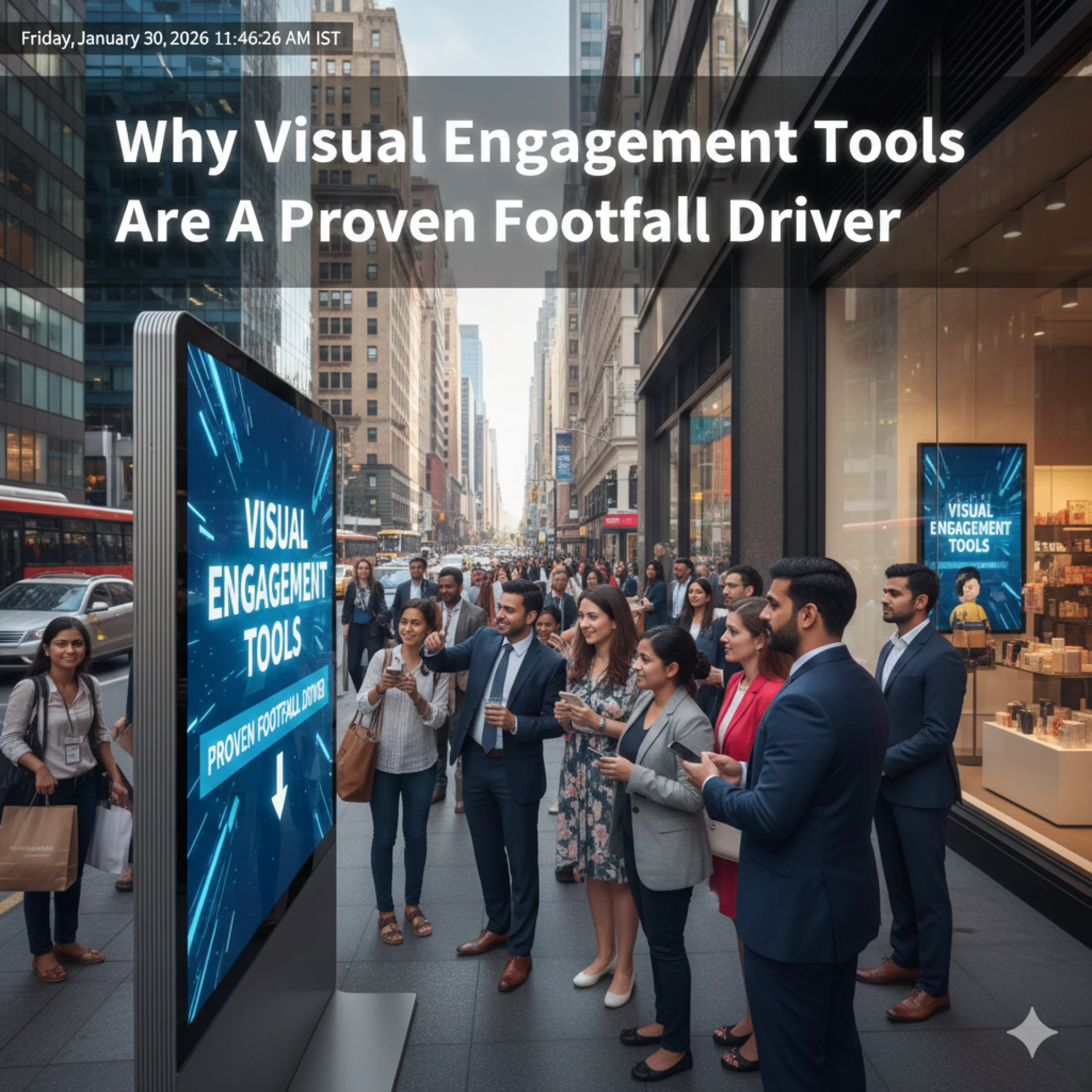
People move through physical spaces differently now. They're less interested in posters and signs. Most just walk past without stopping. Getting someone's attention has become harder.
This is why visual engagement tools matter. They don't just ask people to look. They ask people to participate. When someone stops to interact with something, that's when real engagement begins.
The shift is clear. Promotion doesn't pull people in like it used to. Interaction does. When a venue offers something people can actually use, movement happens naturally.
What Are Visual Engagement Tools?
Defining Visual Engagement in Physical Spaces
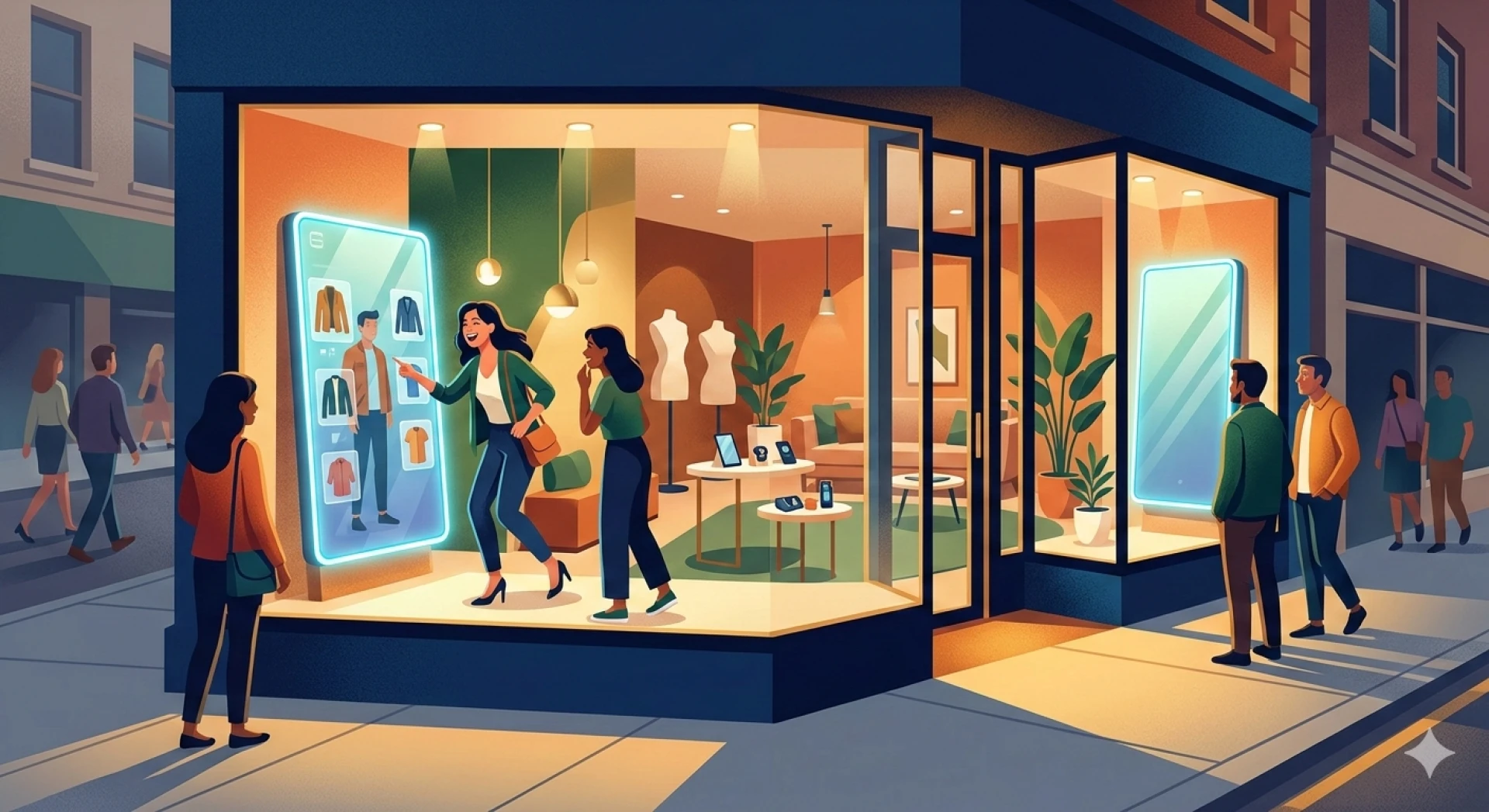
A visual engagement tool is anything that lets people see themselves or their actions reflected back instantly. These tools appear in shops, hotels, museums, bars, and event spaces. They turn visitors into participants.
The key difference is simple. Static displays ask nothing from you. Visual engagement tools ask you to do something. Touch a screen. Stand in front of a camera. The tool responds right away.
Why Visual Triggers Work Instantly
Humans react to motion and reflection without thinking. We see ourselves in a mirror and automatically look. We see something moving and turn our heads. Visual engagement tools use these natural reactions.
Instant feedback matters too. You do something, and you see the result immediately. This speed keeps people interested and wanting to try more.
How Visual Engagement Tools Drive Footfall and Dwell Time
Advanced visual engagement kiosks act as "experiential anchors," leveraging the psychological principle of "Social Proof" to convert passive passersby into active participants, thereby increasing venue "Dwell Time" and facilitating organic brand amplification via high-resolution User-Generated Content (UGC).
Someone walks by and sees others using a visual tool. They get curious. They stop. They wait for their turn. That's footfall created by visible engagement.
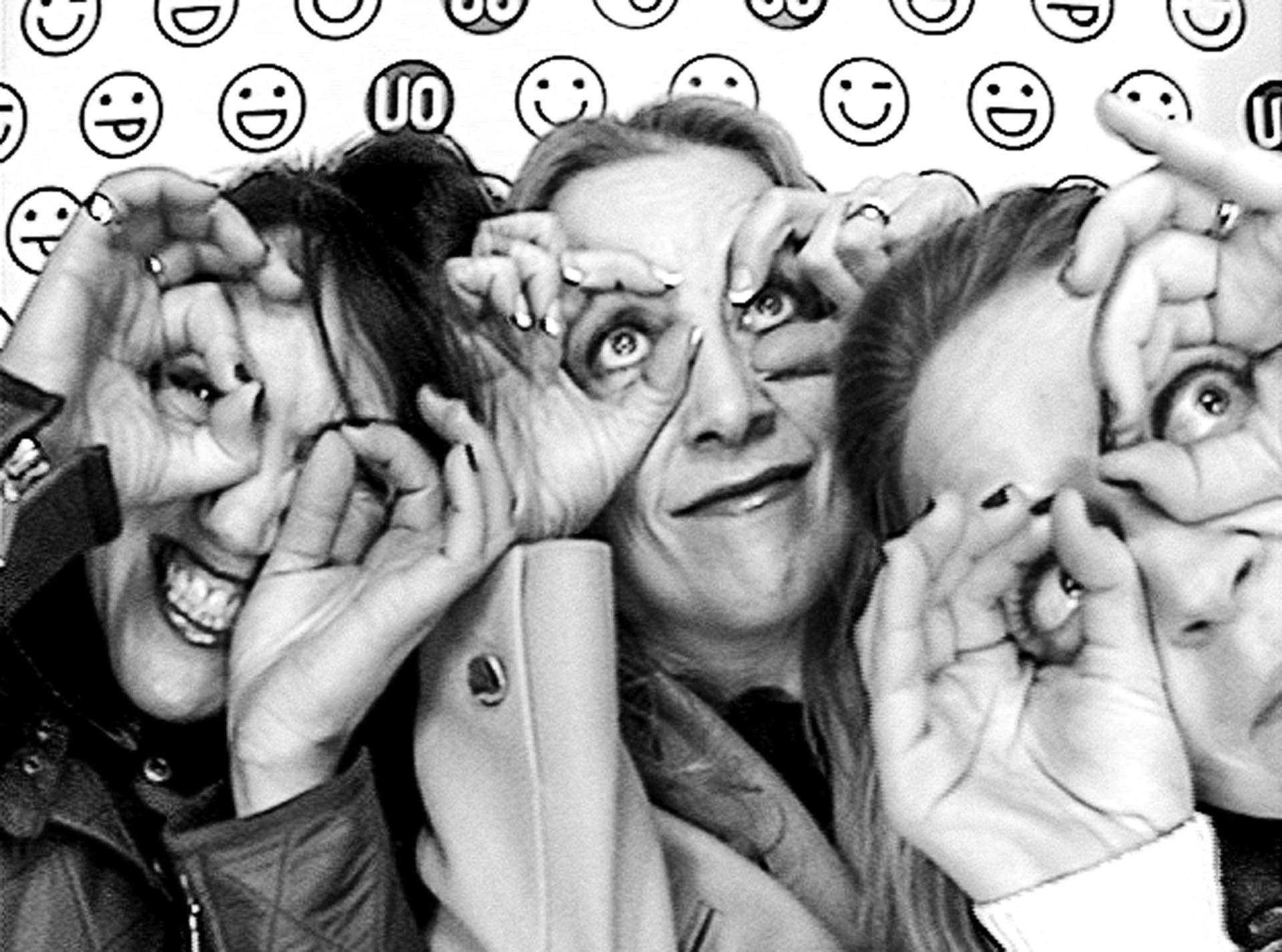
When people use these tools, they stay longer. They try different options. They laugh with friends. This increases the time they spend in your space. And while they're there, they're creating content they might share online. That brings even more people later.
The Psychology Behind Visual Engagement
Why do these tools work so well? The answer lies in how people make decisions and respond to their surroundings.
- When others are doing something, we feel safer trying it ourselves
- Getting something personalised makes us care more about the experience
- Groups naturally want to participate together when they see something fun
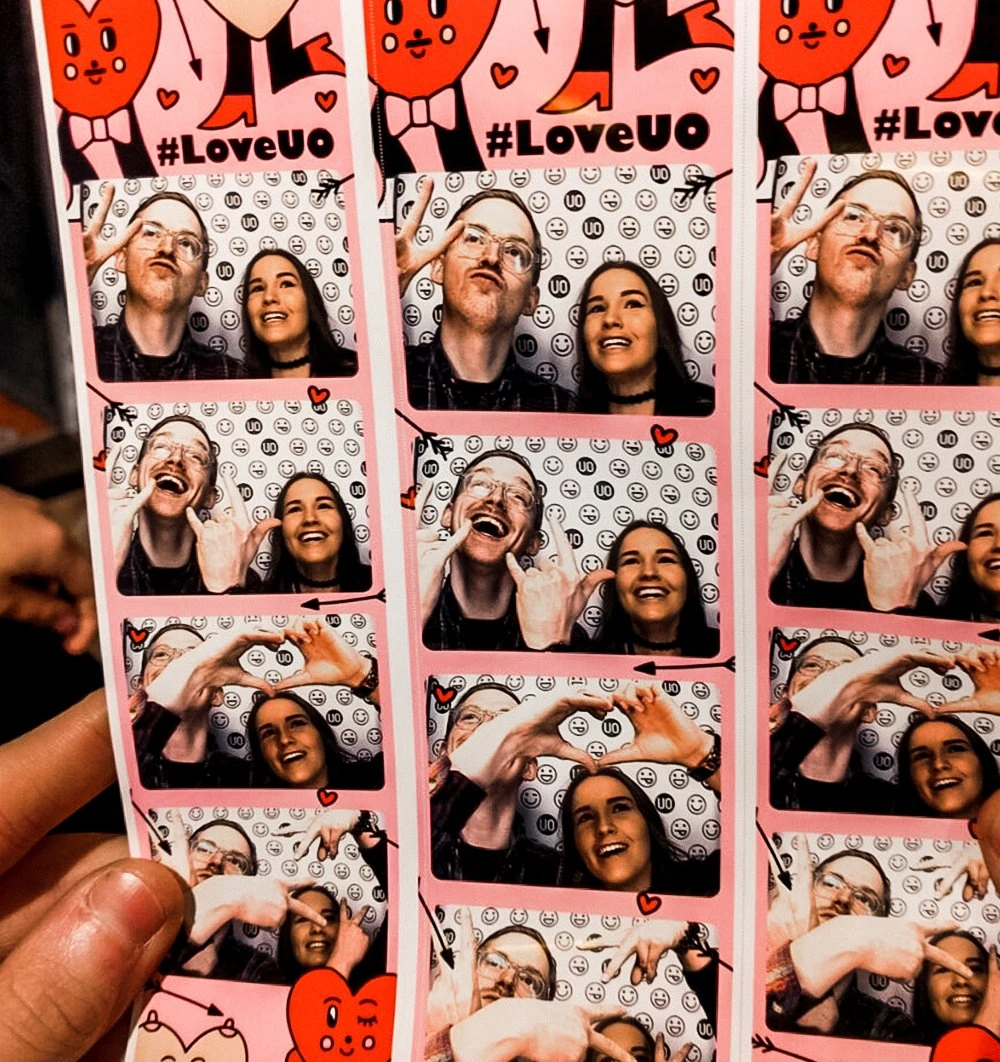
- Physical outputs like photos help us remember where we've been
These aren't just theories. They play out every day in busy venues. People watch others having fun, then they join in. The tool becomes a magnet that pulls more people over time.
Visual Engagement Tools vs Traditional Footfall Drivers
Traditional methods still have their place. But comparing them side by side shows clear differences.
Promotions tell people to buy something. Visual engagement tools give people something to do. Discounts appeal to logic. Experiences appeal to emotion. Signage delivers information. Interaction creates memories.
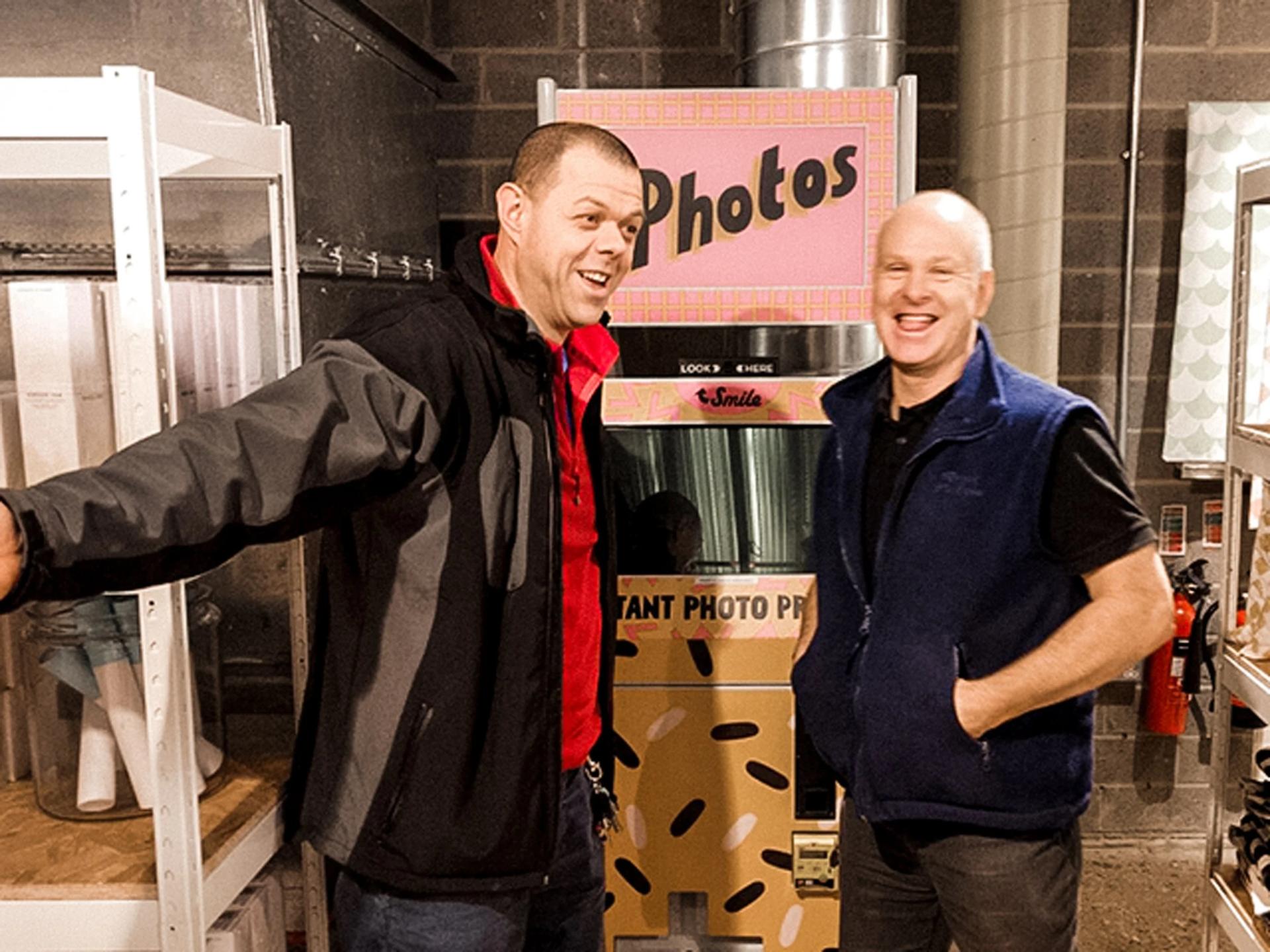
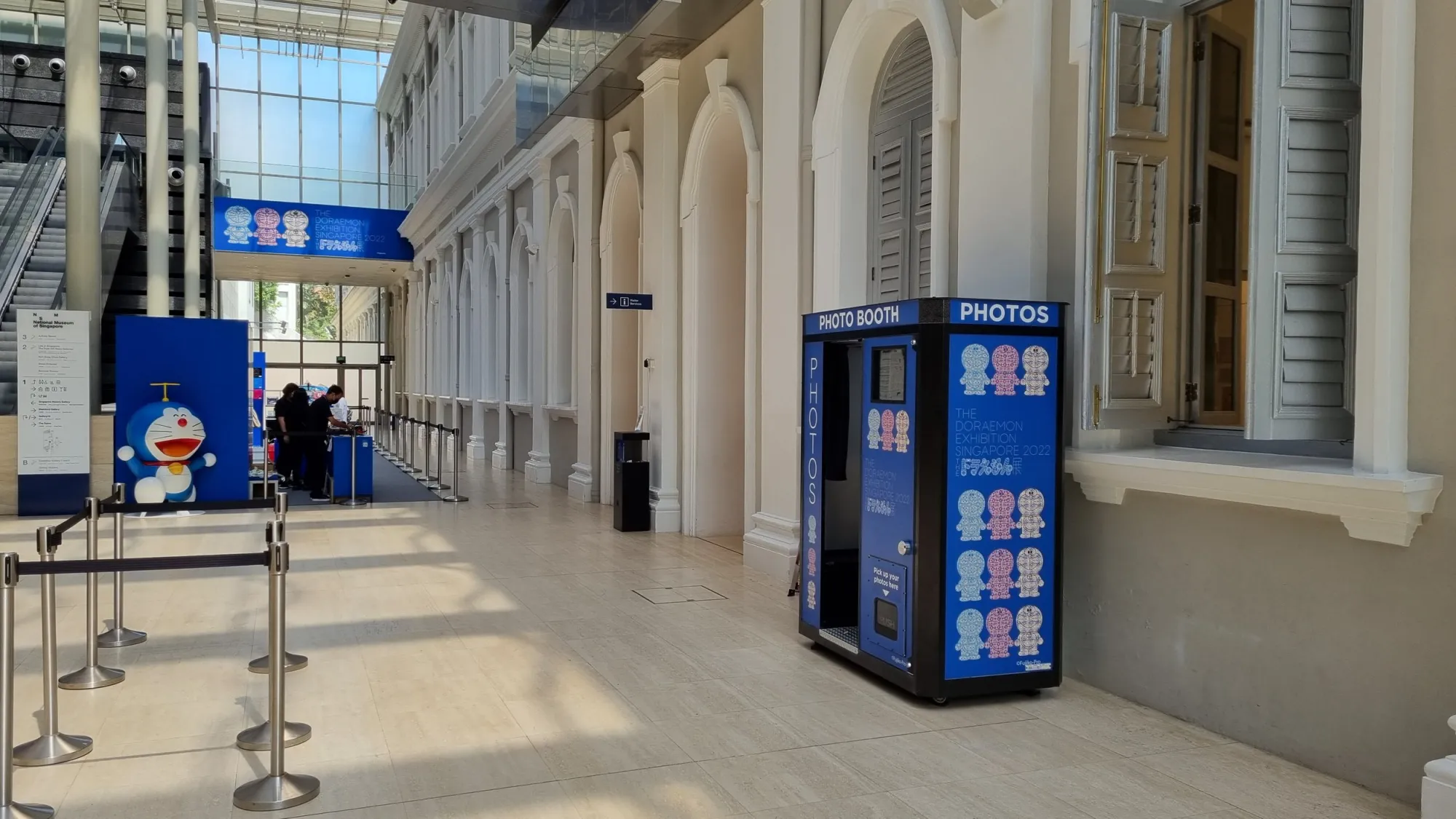
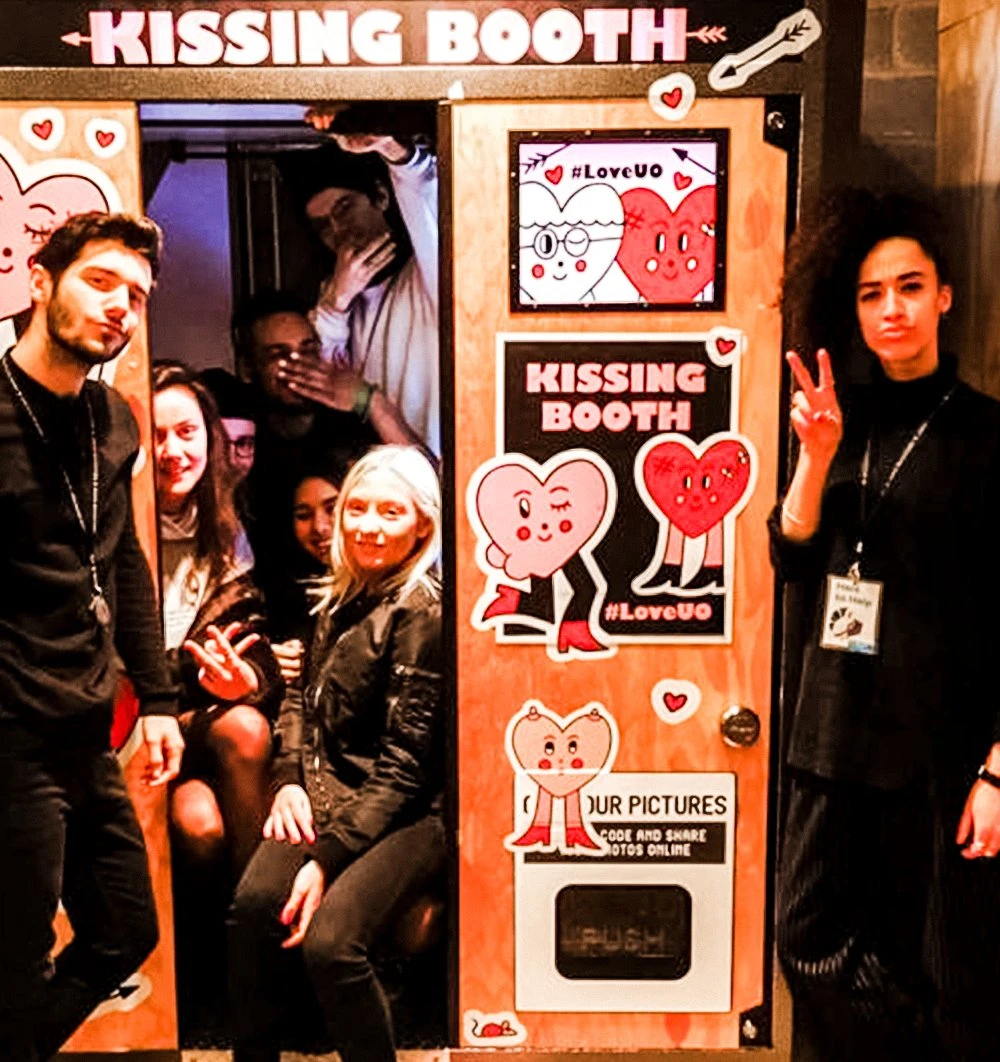
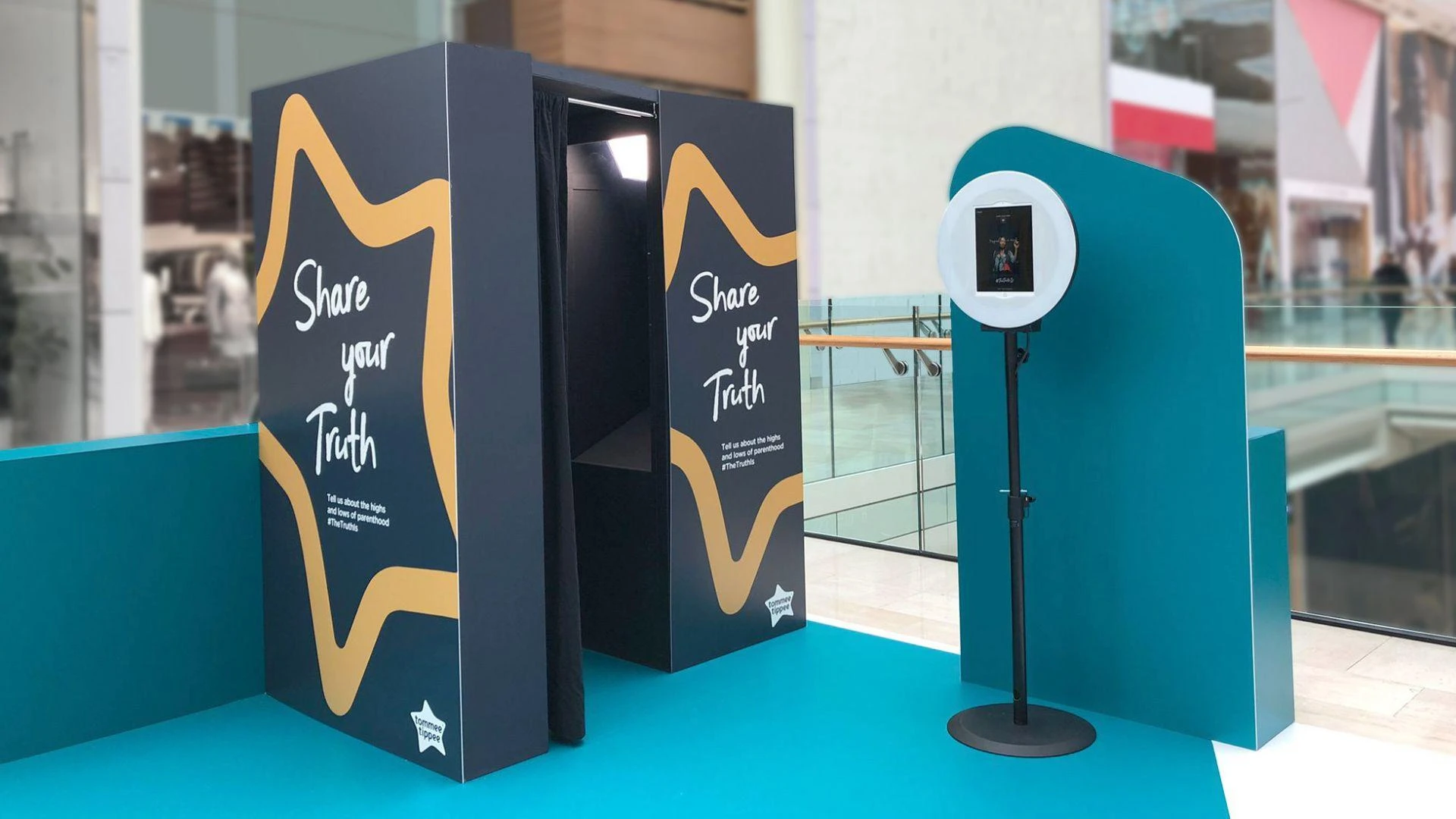
A photo booth represents this shift perfectly. It doesn't advertise products. It provides an activity. People use it because they want to, not because they're being sold something.
That's the modern approach to footfall. Give people something worth stopping for. Make it easy to use. Let them walk away with something they created themselves.
Choosing the Right Visual Engagement Format
Not every tool fits every space. The format you choose should match your audience and your goals.
When Visual Capture Enhances Engagement
Visual capture works best when you want people to create something they can keep. It's self-directed. Staff don't need to explain it. People already understand the concept of taking a photo.
A selfie mirror photo booth is a good example. People see themselves in real time. They can adjust their position. They press a button and get their image instantly. The whole process feels natural.
This format fits retail stores, entertainment venues, hotels, and events. It handles high traffic without breaking down. If you're looking for more options on how to bring these tools into your business, you might find value in reading Where Can We Source a Branded Interactive Experience for Our Business? for practical sourcing guidance.
Common Mistakes That Limit Footfall Impact
Many businesses invest in visual tools but don't see the results they expected. Usually, it's because of a few common errors.
- Placing the tool in a corner where nobody sees it
- Making the process too complicated with too many steps
- Not giving people an easy way to share what they created
- Treating it like furniture instead of something that should work
These mistakes are fixable. The tool needs to be visible. The process needs to be simple. Sharing needs to be effortless.
Visual engagement tools aren't just trendy additions to a space. They're practical footfall drivers backed by real behavioural patterns. People want to participate. They want to create. They want to share. When you give them the tools to do all three, they show up. And they bring others with them.
FAQs About Visual Engagement and Footfall
What makes a visual engagement tool effective?
Speed and simplicity. If someone can walk up, use it, and get their result in under a minute, it's effective.
Why do these tools increase footfall?
Because visible activity attracts more activity. People naturally gravitate toward spaces where something interesting is happening.
Do they work beyond short-term campaigns?
Yes. When maintained properly, these tools become permanent fixtures that people return to. Some venues report consistent usage months after installation.
How do they support long-term brand presence?
Every use creates content. That content gets shared. Over time, this builds ongoing visibility that traditional advertising can't match.

























Sign in to leave a comment.