The cost of advertising is continually rising. CPM is at the highest point in history. Alongside this, people's attention spans have become very divided. A large number of people do not pay any attention to ads and just move on. Others use ad-blocking software. A vast majority have become completely unresponsive to traditional paid media.
Also, the competitive landscape has changed. No longer are brands fighting with just other brands. They are now also competing with content created by influencers, creators, and even ordinary people. This change has made brands reconsider where marketing really takes place.
The Rise of High-Arousal, Phygital Experiences
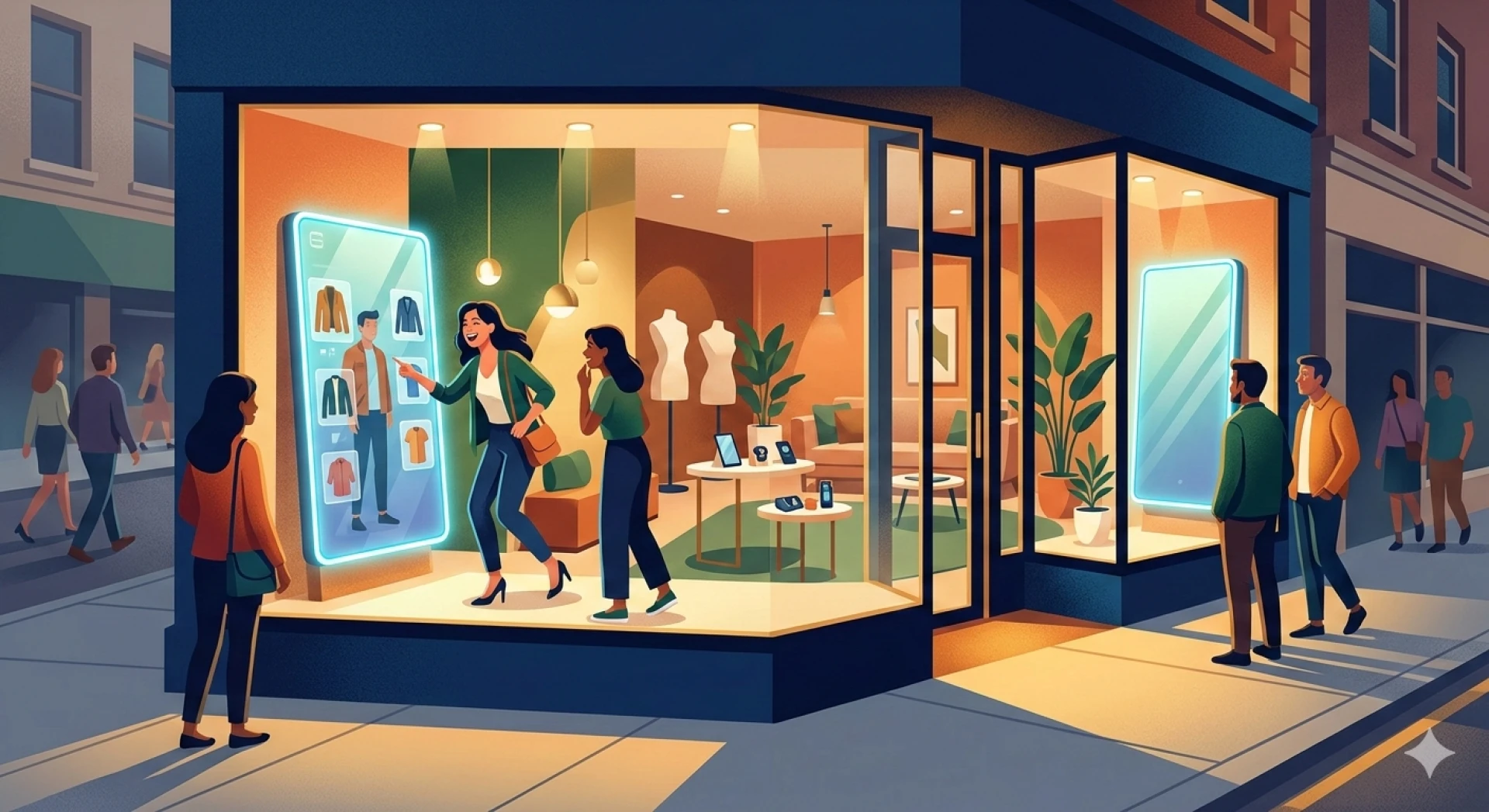
The answer lies in the new thing called "phygital" reality. It is that the physical happenings are made for digital sharing. These moments are not usual photo opportunities. Instead, they are environments built with great care.
Now think of the details. Vertical framing is the same as that of Reels and TikTok formats. Lighting is best for 4K mobile cameras. The area makes it easy for people to start making content by themselves. It is all for sharing. In these moments, the visibility is earned, but not bought.
Why User-Generated Content Outperforms Paid Ads
The statistics give a straightforward narrative. Research conducted in 2024 and published in the Journal of Marketing Research states that user-generated content gets 28% more interaction compared to content created by brands. This difference is significant if your target audience doesn’t pay attention to ads.
Moreover, the same study revealed that 98% of consumers produce content during experiential events. And this effect is more than just momentary. The content generated by visitors can make a brand 6.9 times more retrievable than with traditional advertising methods.
Trust is a major factor in content creation; people naturally share it. The crucial point is offering people the appropriate tool at the most suitable time.
Accelerating a Physical Experience into a Zero-Friction Sharing Loop
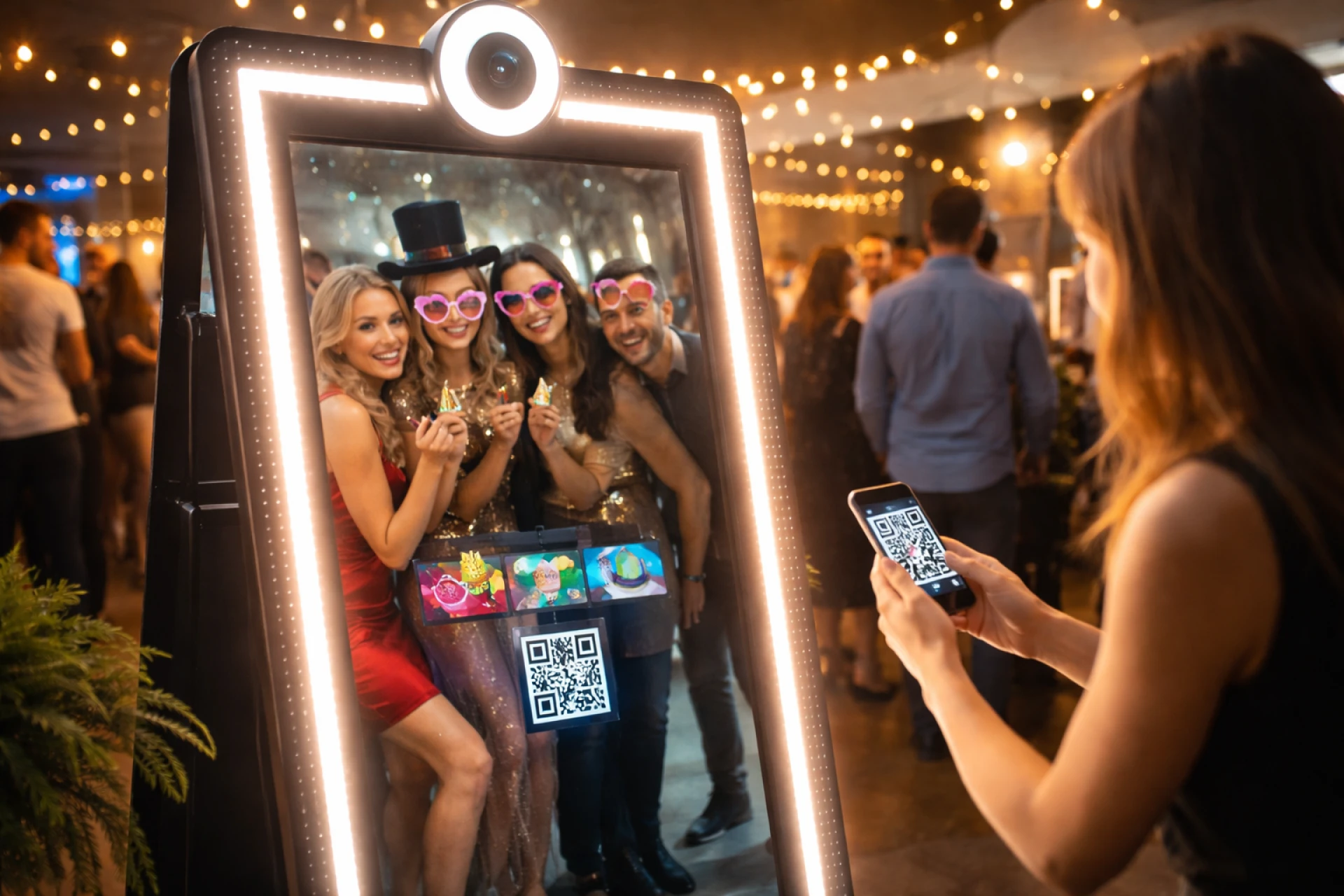
In this case, speed is essential. The sharing should happen while the excitement is still present. A QR code enables instant delivery. No app installation is required. No waiting for emails. No friction between the moment and the sharing.
Thus, an offline-to-online loop is formed. A person undergoes a physical experience. He/she receives a digital file right away. Within a couple of minutes, the person posts it on social media. The brand gets visibility for free.
A physical picture displayed at home becomes a "permanent cookie." It continues to make the brand known without cost-effective retargeting ads. Interactive appliances like a photo booth are responsible for making this loop unnoticeable and automatic.
- No app installation required
- No waiting for emails
- No friction
The Role of Interactive Booths in Brand Visibility
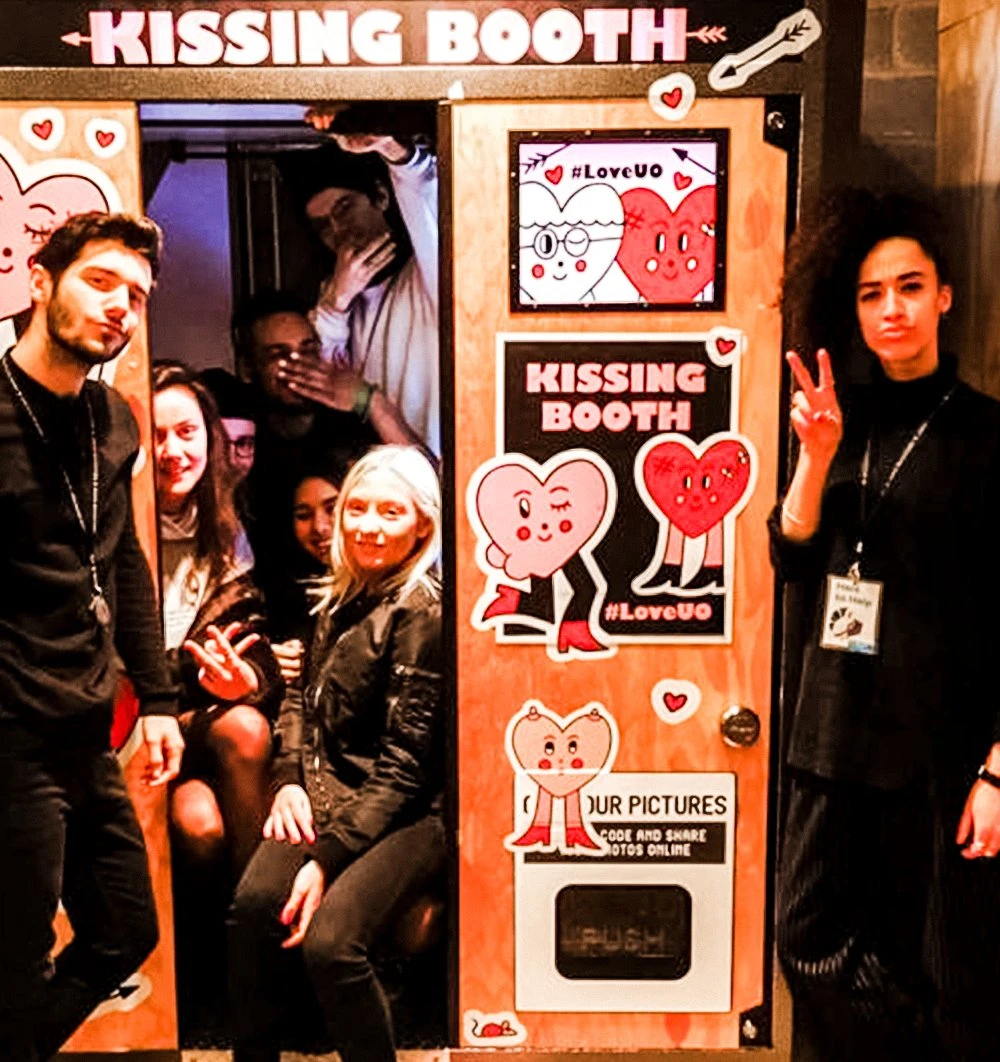
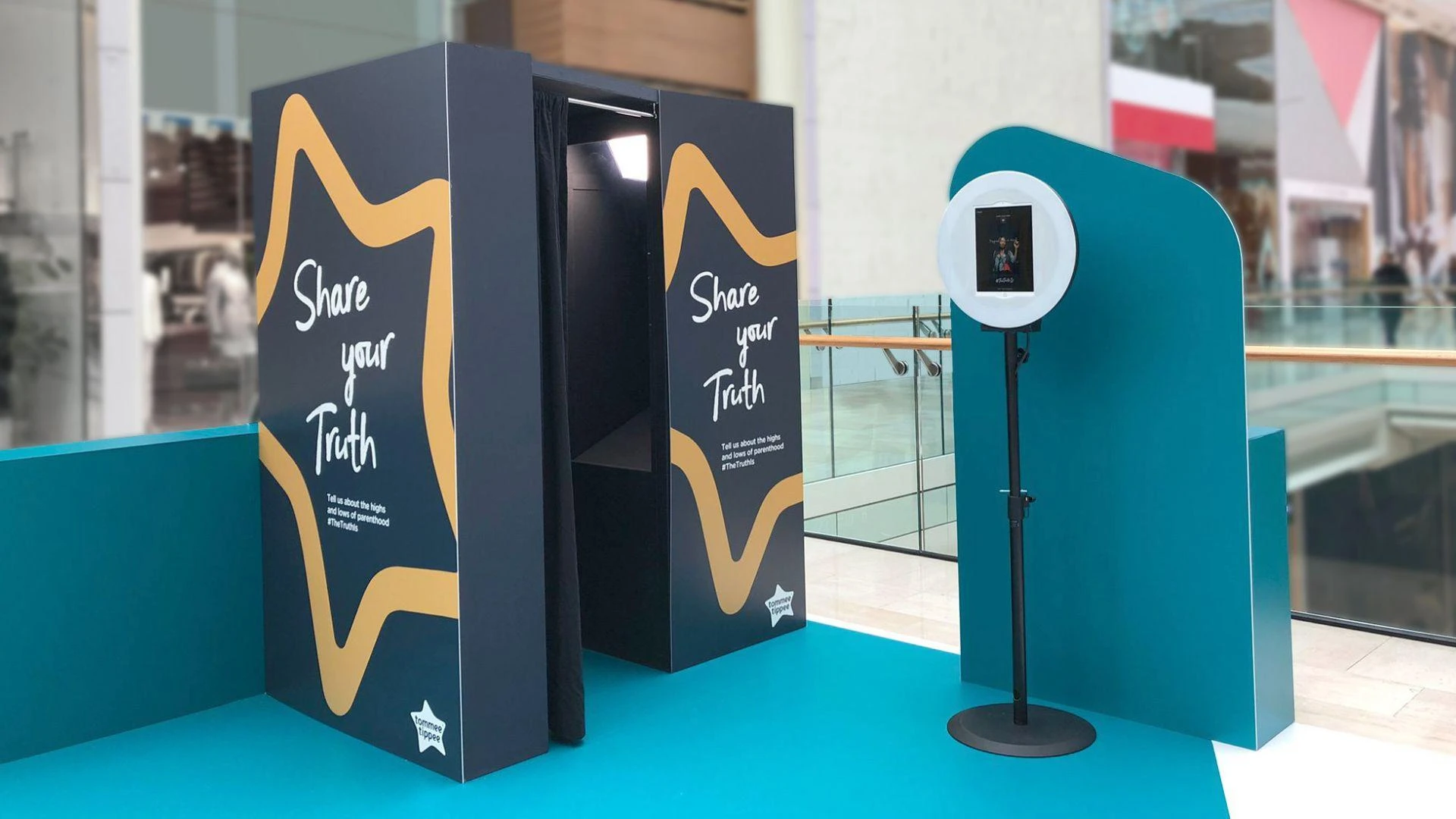
Interactive installations work because they're built for high-arousal environments. Places like malls, festivals, and airports are loud and busy. These installations cut through that noise by offering something people actually want to do.
These tools encourage voluntary participation. People choose to engage because the outcome has value. They get something shareable and physical.
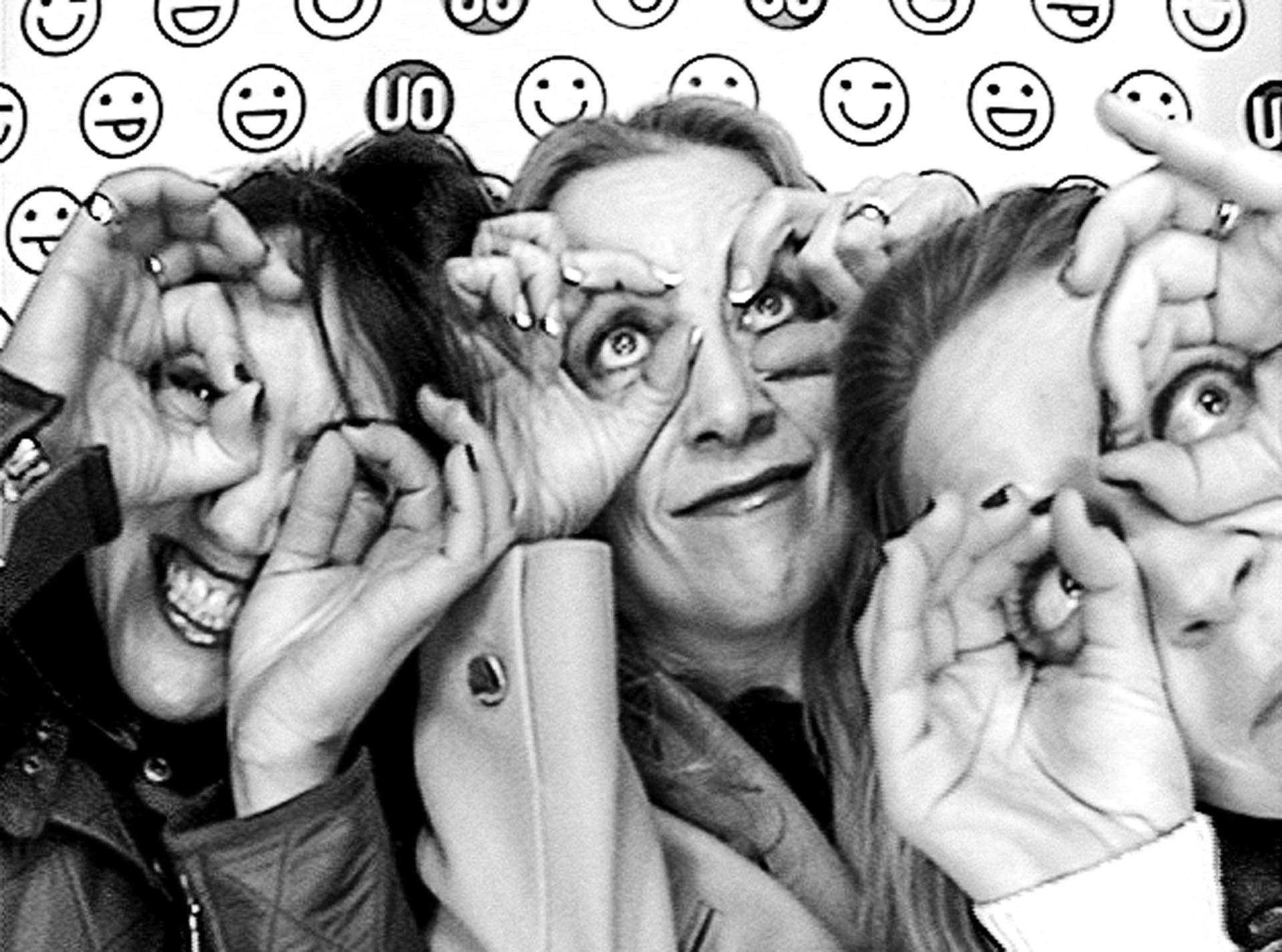
A selfie phone booth combines familiar behaviour with brand exposure. People already take selfies everywhere. When you give them a better tool to do it, they use it. And when your brand is part of that tool, it shows up in everything they share.
This taps into the Endowment Effect. People value things more when they participate in creating them.
Visibility Without Spend Requires Trust and Transparency
This approach only works when people trust it. One-time installation costs less than recurring ad spend. The visibility keeps coming without monthly payments. Eco-vending and digital-first output reduce waste. People notice when brands make responsible choices.
Zero-party data means people give information willingly. Data-light engagement feels safer than tracking pixels and cookies. This is why interactive visibility scales without feeling invasive.
FAQs About Increasing Brand Visibility Without Ads
What increases brand visibility without paid advertising?
Experiences that generate organic sharing work best. When people create content voluntarily, it reaches their networks naturally. The brand becomes part of their story instead of interrupting it.
Why is physical interaction still effective?
Tangibility drives memory and recall. People remember what they touch and do. Physical outputs become lasting reminders that digital files often aren't.
Is this approach scalable for businesses?
Yes, when visibility is decentralised through users. Each person who participates becomes a micro-publisher. Their networks see the content. The reach multiplies without additional ad spend.
The future of brand visibility isn't about shouting louder. It's about creating moments people want to be part of. When you build experiences worth sharing, the visibility takes care of itself. If you're wondering where to source a Branded Interactive Experience for Your Business, start by looking at providers that understand the balance between physical engagement and digital reach. The right solution turns your visitors into your marketing team.























Sign in to leave a comment.