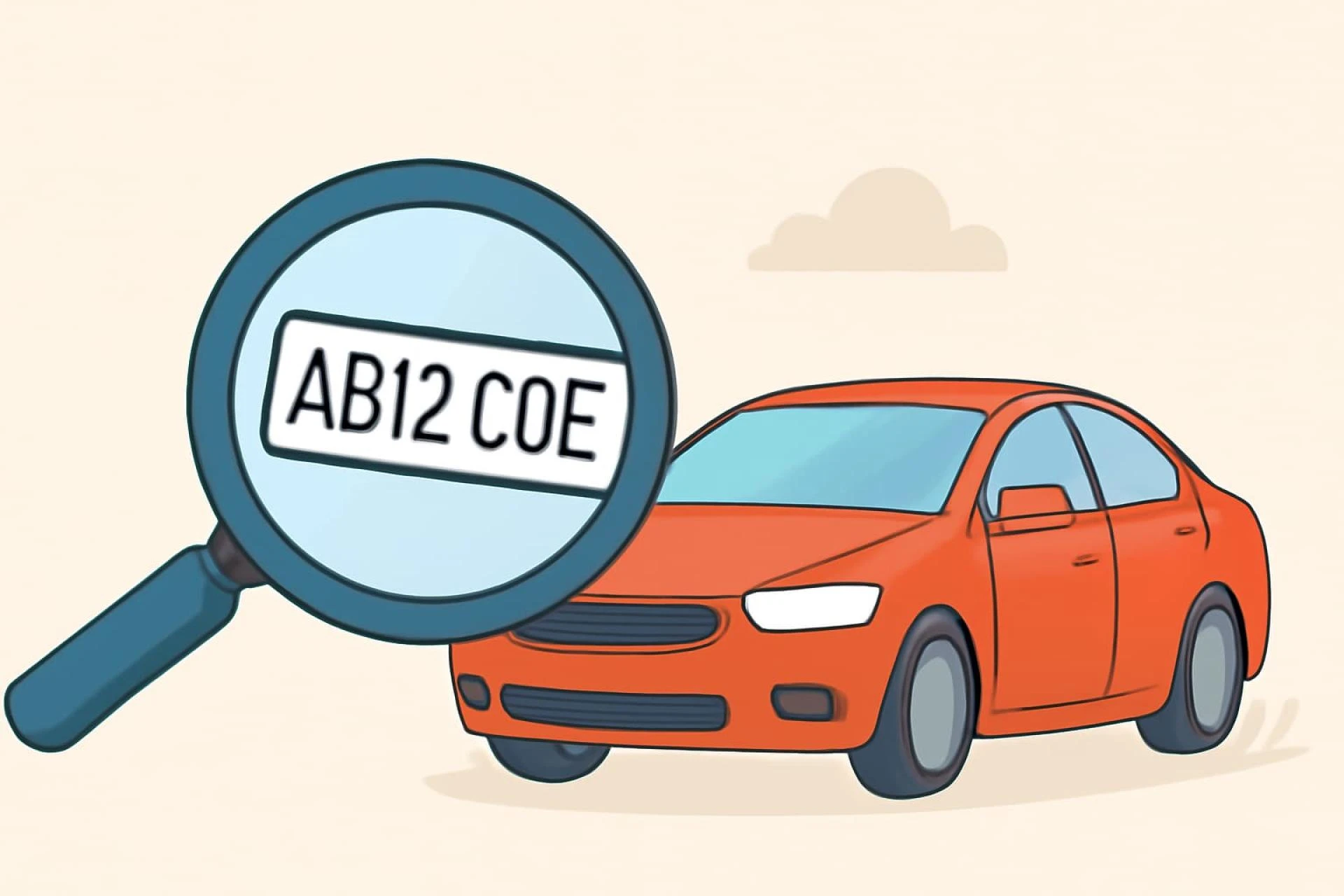

Buying a used car is an exciting, yet daunting process. With so many options available, it can be easy to overlook the importance of verifying a vehicle's details before making a purchase. One of the easiest and most reliable ways to check a vehicle's legitimacy and history is by looking up its details using the number plate. In this blog, we’ll explain why you should always check vehicle details by number plate and how to use the registration number to gain detailed information about the car’s ownership, legal status, and much more.
Why Checking Vehicle Details by Number Plate is Crucial
Before making any decisions, it’s essential to verify the vehicle’s registration, ownership, and history. Here are the main reasons why vehicle details lookup is an essential part of buying a used car:
1. Confirm the Vehicle’s Registration Status
One of the most important steps in buying a used car is ensuring that the vehicle is legally registered. You can easily confirm a vehicle’s registration status by checking the car registration details through the number plate. This can help you avoid buying a car that has not been registered properly or has legal issues such as unpaid taxes or fines.
Many countries require regular registration renewals for vehicles, and purchasing a car without confirming its registration status could lead to a lot of headaches down the road.
2. Verify the Car’s Ownership History
When you check vehicle details by number plate, you can uncover essential information about the car’s ownership history. Knowing how many owners the car has had and whether it has been involved in any legal disputes or reported as stolen is crucial to your decision-making process.
Some key points to check during this verification include:
- Number of Owners: Multiple owners could indicate problems, especially if the car changes hands frequently.
- Title Status: Make sure the car has a clean title (not rebuilt or salvaged).
- Previous Issues: A detailed lookup will inform you of any accidents, disputes, or unpaid liens associated with the vehicle.
3. Check for Accident or Damage History
Knowing the car history is essential, particularly when purchasing a used car. A vehicle details lookup allows you to check for accident history, whether the car has been involved in a major collision, or if it has been damaged in ways that could affect its future performance and safety.
Having this information can prevent you from purchasing a car that has been improperly repaired or one that may have long-term mechanical problems due to past accidents.
4. Avoid Fraudulent Sellers
By checking vehicle details using the registration number, you’re also protecting yourself from fraudulent sellers. In some cases, sellers might try to sell stolen vehicles or cars that have been severely damaged without disclosing this information. A vehicle details lookup will help ensure that the car’s history aligns with what the seller is telling you, offering you a higher degree of confidence before you proceed with the transaction.
How to Check Vehicle Details Using the Registration Number
Thanks to online tools and government databases, checking vehicle details by number plate is a quick and simple process. Here’s how to perform a vehicle details lookup:
Step 1: Choose a Reliable Platform
To get accurate and reliable vehicle details, you need to choose a trustworthy platform. Many government websites provide free registration checks, while others may require a small fee for a more detailed report. Some popular platforms for vehicle history lookup include Carfax, AutoCheck, and national vehicle registration services.
Step 2: Enter the Registration Number
Once you’ve chosen a platform, you’ll typically be asked to enter the car’s registration number (number plate). This number should be entered exactly as it appears on the vehicle.
Step 3: Get Detailed Vehicle Information
After entering the registration number, the platform will retrieve the vehicle’s details, which could include:
- Vehicle Identification Number (VIN): The unique code for the vehicle.
- Car Model and Make: Details about the car’s manufacturer and model.
- Ownership History: A record of the car’s previous owners.
- Accident Reports: Any records of past accidents or major repairs.
- Mileage and Odometer Readings: Ensures the car’s mileage hasn’t been tampered with.
- Registration Status: Confirms that the car is properly registered and up-to-date.
Step 4: Review the Information Carefully
It’s important to review all the details provided carefully before making your decision. If anything seems suspicious or doesn’t align with what the seller is saying, it may be a red flag. Use this information to make an informed decision about the purchase.
Additional Tips for Buying a Used Car
Aside from checking the vehicle registration details, here are some extra tips to help you when buying a used car:
- Request a Vehicle History Report: If you’re buying from a dealership, ask for a comprehensive history report, including any service records and maintenance details.
- Have the Car Inspected: Always have a trusted mechanic inspect the car before making the final purchase. They can spot issues that might not be visible to the naked eye.
- Test Drive: Don’t skip the test drive! It’s the best way to feel the car's performance and make sure it drives smoothly.
- Check for Recalls: Use the vehicle identification number (VIN) to check if the car has any open recalls that could affect its safety or functionality.
Conclusion:
Checking vehicle details by number plate is one of the simplest yet most effective ways to verify a used car’s legitimacy, registration status, and history before buying. By using the registration number, you can confirm essential details like the vehicle’s ownership history, accident records, and legal status, ensuring that you’re making a safe and informed purchase.
Whether you’re a first-time buyer or a seasoned car owner, always take the time to check vehicle details before finalizing a deal. It’s a small step that can save you from future headaches and potentially expensive repairs.
Before purchasing your next car, make sure to perform a vehicle registration check and vehicle history lookup. Use our trusted platform to get detailed information about the vehicle and make an informed decision. Click here to start your search now!




























Sign in to leave a comment.