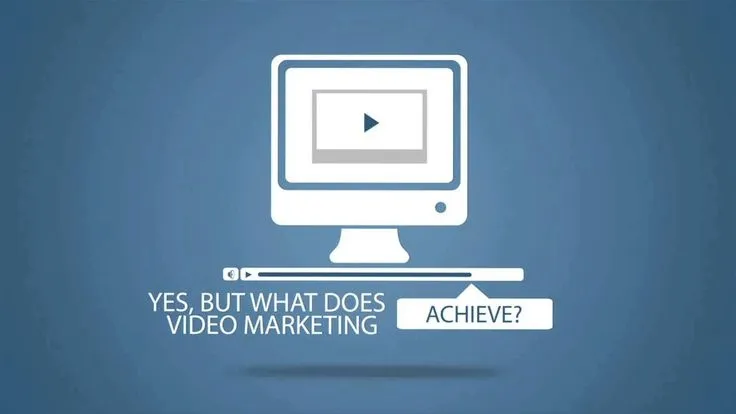


Let's get the obvious objection out of the way first.
You don't want to be on camera. You don't like how your voice sounds. You freeze up the second a lens points at you, and the idea of filming yourself talking about your business makes you want to close the laptop and never open it again.
Good news: none of that matters. The belief that video means you, on screen, talking, is the single biggest reason business owners skip the one format that's pulling ahead of everything else right now. And it's just not true.
Here's why video is worth it, and how to do it without ever showing your face.
Why video pulled ahead of everything else
People stopped reading and started watching. That's the short version.
Scroll any platform and the feed is video first. Search results now surface video. Customers deciding between two businesses will watch a 30-second clip before they'll read a paragraph. It's not a trend anymore, it's just how people take in information.
A few reasons it works so well:
- It builds trust faster than text. Seeing a real workspace, a real job, or a real result lands harder than any sentence describing it. This is exactly why digital marketing leans so heavily on video now.
- People remember it. Viewers retain far more of a message they watched than one they read.
- It keeps attention. A clip holds someone on your page or profile longer, and that signals to platforms that your content is worth showing to more people.
- It travels. A good video gets shared in ways a blog post rarely does.
None of that requires you to be the star.
The myth that's keeping you out
The whole "I hate being on camera" block rests on one assumption: that video content means a person talking to the lens.
Most effective business video has no presenter at all.
Think about the videos that actually make you stop scrolling. A satisfying before-and-after. A close-up of work being done well. A time-lapse. A clean product shot with text on screen. A walkthrough of a finished space. Almost none of those feature someone monologuing into a camera.
You are not the product. The work is.
What you can film without ever appearing
Here's the practical part. Every one of these works with zero face time:
- The work itself. Footage of a job in progress, a process, a transformation. This is the strongest content most businesses have and never capture.
- Before and after. The most reliable format there is. Two shots, a cut between them, done.
- Behind the scenes. The setup, the prep, the small details customers never see. Hands, tools, materials, no faces needed.
- Customer results. A finished project, a happy outcome, a walkthrough of what you delivered.
- Text-on-screen explainers. A tip, a quick how-to, a common question answered with on-screen captions over relevant footage.
- Drone and location shots. An aerial pass over a property or a sweeping shot of a space instantly looks professional and features no one.
Notice the pattern. The camera points at what you do, not at you.
"But my phone footage looks bad"
Two ways through this, depending on where you are.
If you're starting from zero, your phone is genuinely fine. Modern phone cameras shoot better video than broadcast gear did a decade ago. Film in good light, keep the phone steady, shoot horizontal for some platforms and vertical for others, and you're most of the way there. The content matters more than the gear.
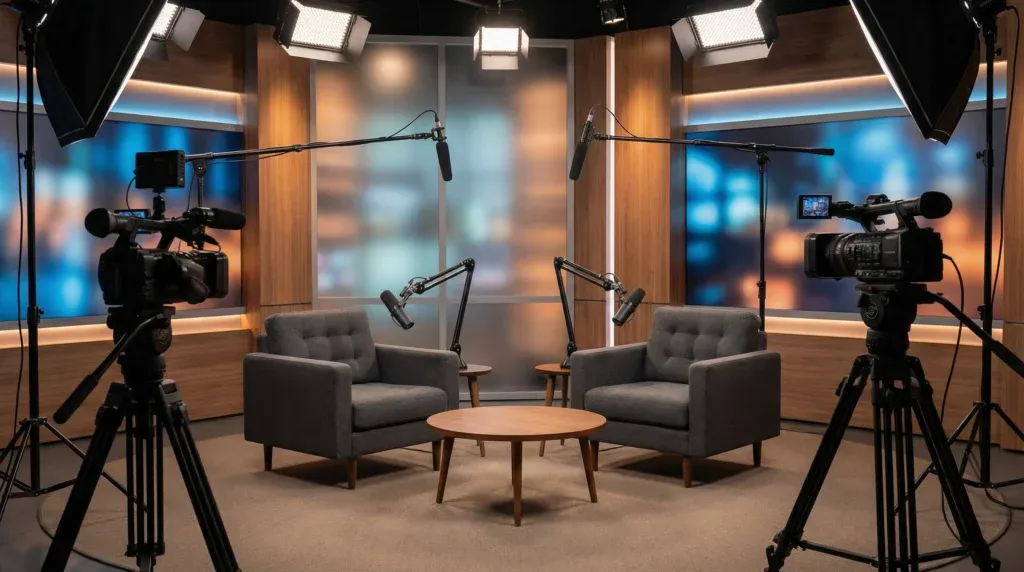
If you want it to actually look professional, this is where bringing in help pays off. A team with proper lighting, real audio, and editing turns raw footage into something that lifts your whole brand. Plenty of agencies now run mobile production setups that come to your location, so you're not hauling anything to a studio, and many offer professional video production that covers everything from drone footage to branded clips to live streaming. The point is you can stay entirely behind the scenes while someone else handles the technical side.
Just start with one
You don't need a content calendar or a studio or a personality on camera. You need one video.
Film the next job. Capture one before-and-after. Shoot 20 seconds of the thing you do best. Add a line of text over it. Post it.
The businesses winning with video aren't the ones with the best-looking owners or the slickest presenters. They're the ones who simply showed the work, consistently, while their competitors stayed convinced they had nothing to film.
You hate being on camera. Fine. The camera was never supposed to be pointed at you anyway.

























Sign in to leave a comment.