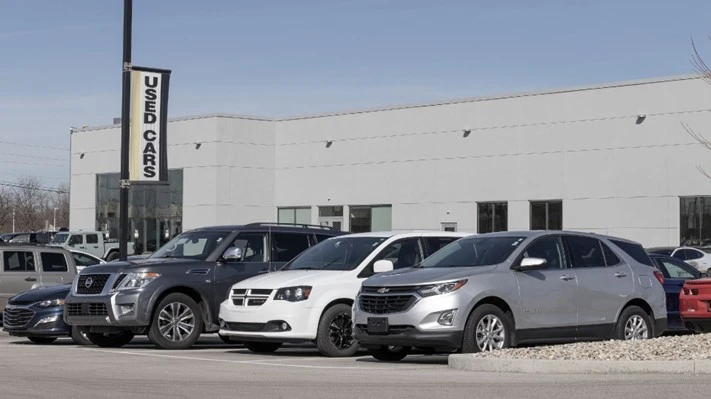

Your 5-Step Guide to Buying Used Cars for Sale
In today's market, a used car can be a wise purchase for many reasons, such as affordability and reduced depreciation. However, it's crucial to carefully approach the process to ensure you make a sound investment. With countless options available, knowing what to look for when buying used cars for sale is essential.
This comprehensive guide will provide valuable insights and tips to help you navigate the used car market and make a well-informed purchase.
1. Determine your budget
Before searching for used cars for sale, it's vital to establish a realistic budget. Consider your financial capacity by determining the purchase price, fuel consumption, and ongoing maintenance costs, among other expenses.
Setting a budget will help limit your options to the best ones within your means and prevent overspending. Additionally, seek a pre-approved loan if you plan on financing the purchase, as it can give you a better picture of your purchasing power.
2. Research and compare models
Once you set a budget, it's time to research different car models that align with your needs and preferences. Consider factors like reliability, fuel efficiency, safety features, and overall performance. Online platforms, such as automotive review websites and forums, can provide valuable insights from experts and other car owners.
Create a shortlist of potential models and compare their features, prices, and historical reliability data. By conducting thorough research, you can identify models well-known for their durability and require fewer repairs in the long run.
3. Inspect the history of the vehicle
Investigating the vehicle's history is crucial when looking at used cars for sale. Request a vehicle history report to uncover pertinent details about the car's past, including but not limited to mileage discrepancies, accident records, and maintenance history.
Remember to verify that the vehicle identification number (VIN) matches the documentation. These reports can provide insights into potential red flags and help you make an informed decision.
4. Conduct a thorough physical inspection
A complete physical inspection of the used car is a non-negotiable step. Watch out for signs of damage. Inspect the tires for uneven wear, check the engine for leaks or unusual noises, and examine the fluid levels.
It's also essential to take it for a spin in various driving conditions to assess its acceleration, handling, and braking performance. If you're not convinced in your ability to review the car's condition, consider bringing along a trusted mechanic for a professional inspection.
5. Negotiate and verify the sale
Once you've found a used car that meets your criteria, it's time to negotiate the price. Research the market value of the specific make, model, and year to guarantee a fair deal.
Be ready to negotiate with the seller, considering the car's mileage, condition, and possible repairs. Lastly, before sealing the deal, accomplish all the necessary paperwork, including the title transfer, warranty (if applicable), and any extra documentation required in your locality.
Buying a used car demands meticulous consideration to get your money's worth. Ensure to exercise due diligence and seek a specialist's help when necessary. With these tips, you can smartly browse used cars for sale and find a vehicle that meets (or exceeds) your expectations.



























Sign in to leave a comment.