
When you adjust your thermostat on a hot summer day and experience that welcome flow of cool air, a sophisticated process is taking place within your air conditioning system. At the center of this cooling operation is a component that plays a crucial role in maintaining your comfort – the evaporator coil. This essential element serves as the foundation of effective climate control in residential and commercial settings.
What Is an Evaporator Coil?
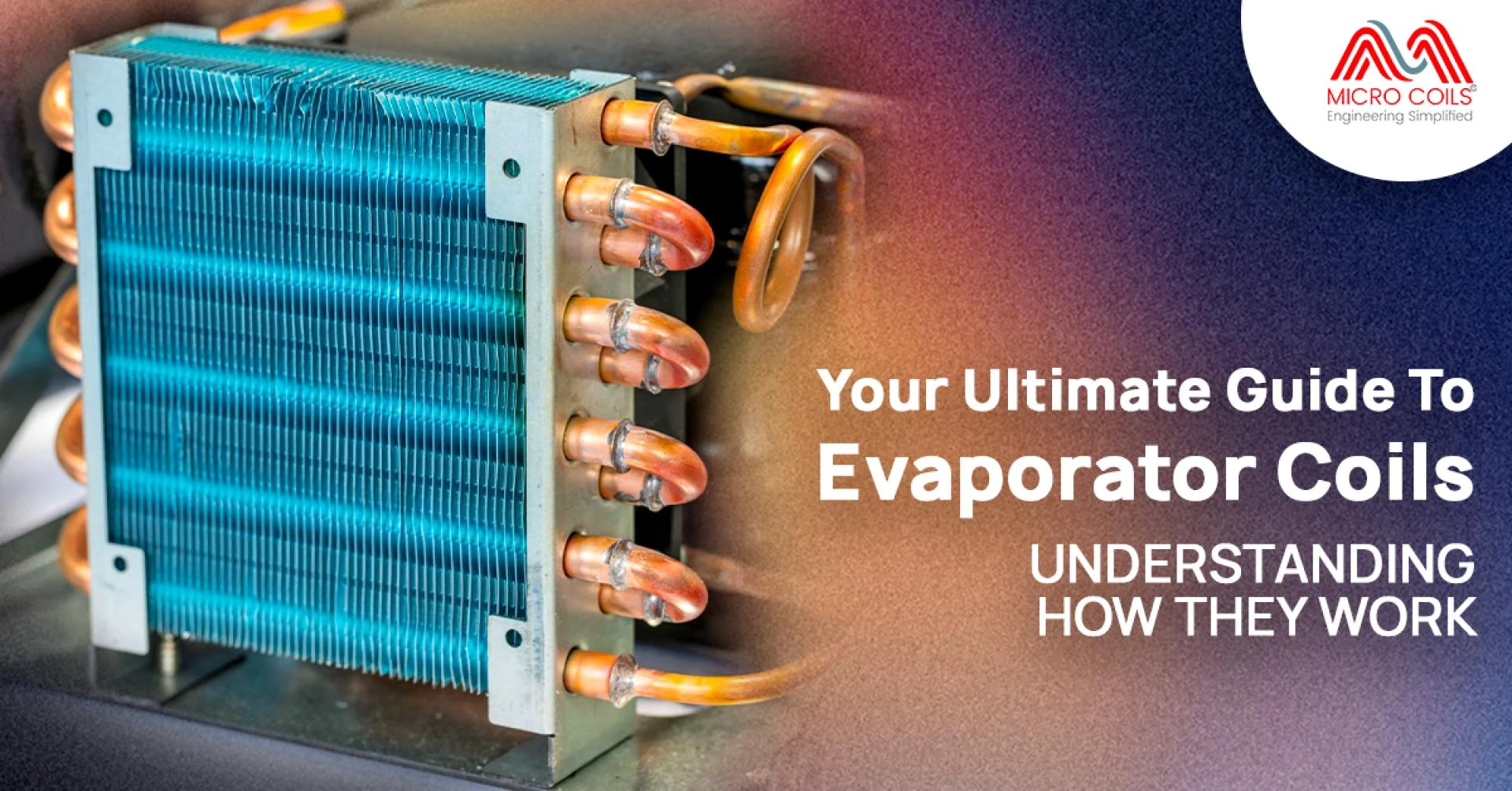
An evaporator coil consists of a series of copper or aluminum tubes that are configured in coiled patterns, accompanied by thin metal fins that enhance heat transfer capabilities. This component functions as the primary heat absorption unit within cooling systems, including air conditioners, heat pumps, and refrigeration units.
The evaporator coil is positioned inside your building, typically within the indoor unit of your HVAC system or air handler. Its primary function involves absorbing heat from indoor air and facilitating its transfer to another location, resulting in cooler air circulation throughout your space.
The Science of Heat Transfer
Understanding evaporator coil operation requires knowledge of basic thermodynamic principles, particularly the refrigeration cycle. The system operates on a fundamental concept: when a liquid transforms into a gas through evaporation, it absorbs heat from the surrounding environment.
The evaporator coil contains refrigerant, a specialized fluid engineered to change phases between liquid and gas at specific temperatures and pressures. As warm indoor air passes over the cold evaporator coil surfaces, the refrigerant absorbs thermal energy and begins to evaporate, effectively removing heat from the air stream.
This process mirrors natural evaporation principles but is precisely controlled and continuously repeated to maintain consistent cooling performance.
The Complete Refrigeration Cycle
The AC evaporator coil operates as part of a comprehensive four-component system that includes the compressor, condenser coil, and expansion valve. This integrated approach ensures efficient heat transfer and temperature control.
The cycle begins when cold, low-pressure liquid refrigerant enters the evaporator coil. As warm air circulates across the coil, the refrigerant absorbs heat energy and transitions from liquid to gas. This heated refrigerant vapor then travels to the compressor, which increases both its pressure and temperature.
The high-pressure, high-temperature refrigerant gas proceeds to the outdoor condenser coil, where it releases absorbed heat to the external environment. During this process, the refrigerant cools and condenses back into liquid form. An expansion valve then reduces the refrigerant pressure before it returns to the evaporator coil, completing the continuous cycle.
Types and Configurations of Evaporator Coils
Refrigeration coils are manufactured in various designs to accommodate different applications and space requirements. Common configurations include A-coils, N-coils, and slab coils, each offering distinct advantages for specific installations.
A-coils feature an angular design that maximizes heat transfer surface area while fitting efficiently in compact spaces, making them suitable for residential applications. N-coils provide enhanced heat exchange capabilities through their serpentine configuration but require additional installation space. Slab coils present a flat, rectangular design often utilized in commercial applications where space constraints are less restrictive.
Material selection significantly impacts coil performance and longevity. Copper coils offer superior heat conductivity and corrosion resistance, particularly beneficial in coastal environments with high salt content. Aluminum coils provide cost advantages and reduced weight but may have shorter service life in corrosive conditions.
Identifying Performance Issues
Regular monitoring of evaporator coil performance helps prevent system failures and maintains optimal efficiency. Several indicators suggest potential coil problems that require professional attention.
Ice formation on the coil surface indicates restricted airflow or insufficient refrigerant levels. While the coil operates at low temperatures, ice accumulation prevents proper heat absorption and reduces system efficiency significantly.
Recommended Read - The Impact of AC Condenser Coil Design on HVAC System Efficiency
Diminished cooling capacity represents another common symptom of coil problems. When systems operate continuously without achieving desired temperatures or when temperature variations occur between different areas, the evaporator coil may be experiencing reduced heat transfer efficiency.
Unusual odors emanating from air vents can indicate coil-related issues. Musty smells often suggest microbial growth on dirty coil surfaces, while sweet or chemical odors may indicate refrigerant leaks requiring immediate professional service.
Maintenance Requirements and Best Practices
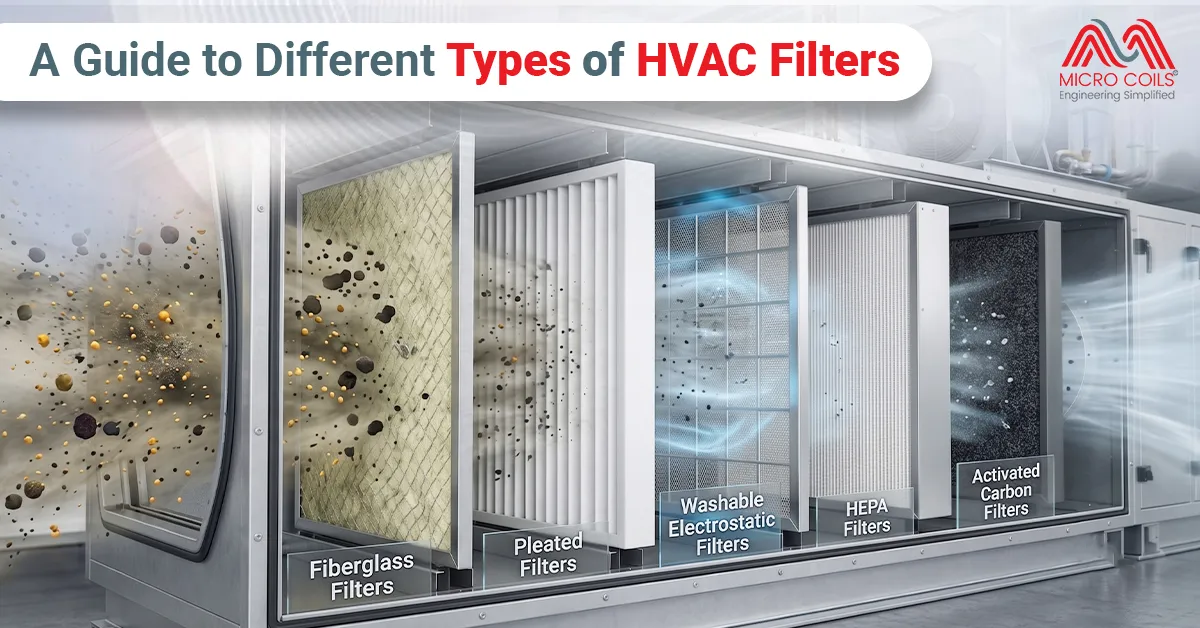
Proper maintenance ensures optimal evaporator coil performance and extends system lifespan. The most critical maintenance task involves regular air filter replacement. Dirty filters restrict airflow across the coil, forcing the system to work harder and potentially causing performance degradation or component failure.
Professional coil cleaning addresses accumulated debris that reduces heat transfer efficiency. Dust, dirt, and other contaminants create insulating layers on coil surfaces, diminishing the system's ability to absorb heat effectively. Qualified technicians possess the tools and expertise necessary to clean coils without damaging delicate fin structures.
Maintaining adequate airflow around indoor units supports proper coil operation. Obstructions near air handlers or excessive vent closures can disrupt air circulation patterns and negatively impact system performance.
Energy Efficiency and Cost Considerations
Well-maintained evaporator coils contribute significantly to overall system efficiency and operational costs. Clean coils with unobstructed airflow require less energy to achieve desired cooling results, reducing utility expenses and environmental impact.
Recommended Read - Installation Tips for New Pillow Plate Systems
Neglected coils must work harder to transfer heat, leading to increased energy consumption and higher operating costs. Additionally, stressed components are more likely to fail prematurely, resulting in expensive repairs or replacement requirements.
Regular maintenance investments typically yield substantial returns through improved efficiency, extended equipment life, and reduced repair costs over time.
Professional Service and System Optimization
While homeowners can perform basic maintenance tasks such as filter changes, comprehensive coil service requires professional expertise. Qualified technicians possess specialized tools and knowledge necessary to safely clean coils, check refrigerant levels, and identify potential problems before they become major issues.
Annual professional maintenance typically includes thorough coil inspection and cleaning, refrigerant level verification, and overall system performance evaluation. This proactive approach helps ensure reliable operation and optimal efficiency throughout the cooling season.
Conclusion
The evaporator coil represents a fundamental component in modern cooling systems, directly impacting comfort levels, energy efficiency, and operational costs. Understanding its function and maintenance requirements empowers property owners to make informed decisions regarding system care and professional service needs.
Proper attention to evaporator coil maintenance and performance monitoring ensures reliable cooling system operation while minimizing energy consumption and repair expenses. This knowledge serves as the foundation for effective HVAC system management and long-term operational success.






















Sign in to leave a comment.