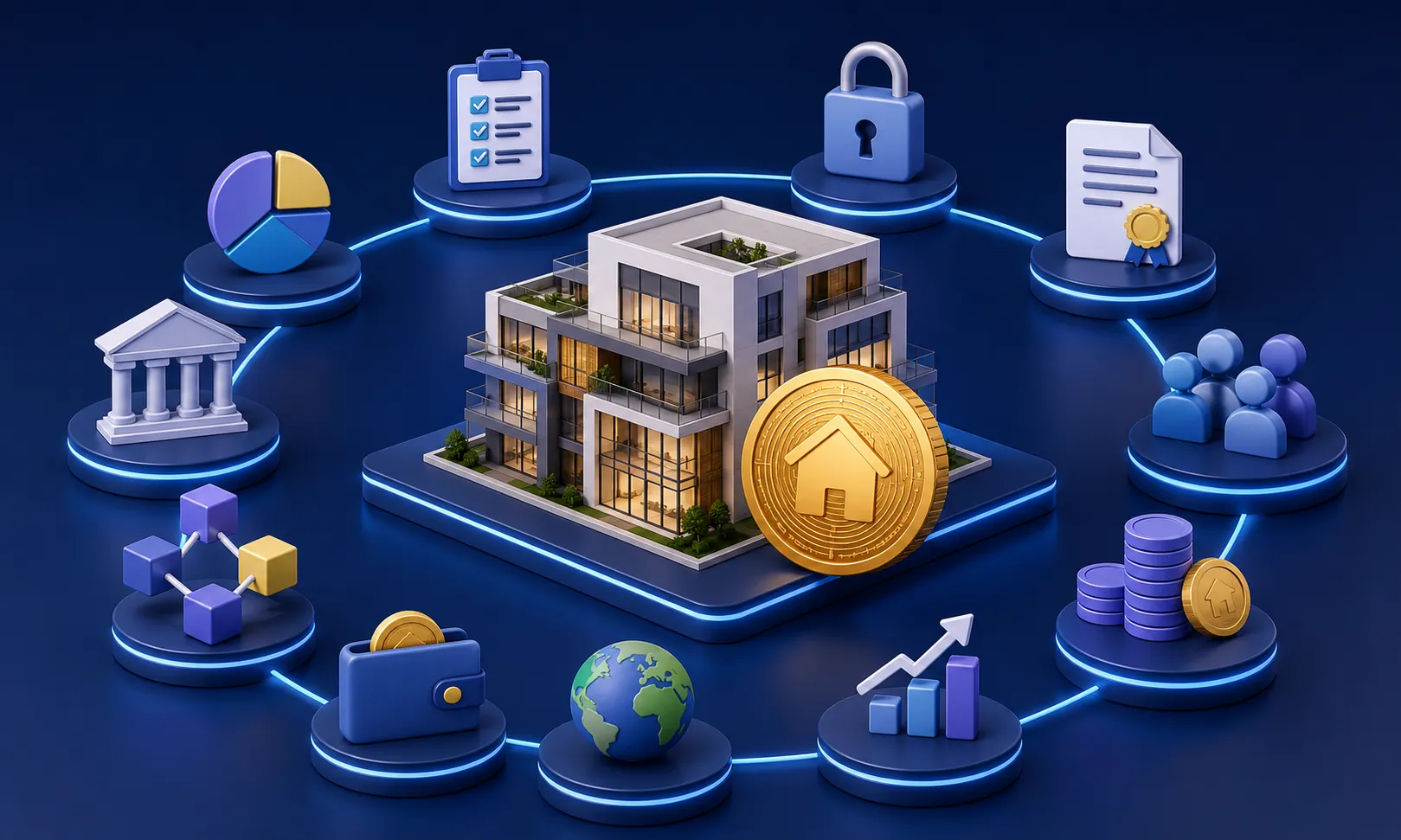

The property investment sector has changed significantly in recent years due to blockchain-based financial models. Investors who once depended only on traditional ownership structures are now participating in digital property ecosystems through token-based investment systems. This shift has introduced new ways to divide ownership, improve access to capital, and simplify property-related transactions. As a result, many businesses are investing in real estate asset tokenization to modernize property investment operations and attract global investors.
Modern platforms are no longer following a single model for tokenizing real estate assets. Instead, they use multiple approaches depending on property type, investment size, legal structure, and investor expectations. From fractional ownership models to debt-backed token structures, these methods are helping property firms manage assets in more flexible ways.
This article discusses 10 widely used real estate asset tokenization methods adopted by modern property platforms and how these models are influencing digital property investment practices in 2026.
Understanding Real Estate Asset Tokenization
Real estate asset tokenization refers to the process of converting ownership rights of a property into blockchain-based digital tokens. These tokens represent a portion of ownership or investment participation in a real estate asset. Investors can buy, sell, or hold these tokens using digital platforms that support blockchain transactions.
Unlike traditional property investment systems that often involve extensive paperwork and long settlement periods, tokenized property structures introduce digital ownership records and programmable transaction models. This method is increasingly used by commercial property firms, residential developers, hospitality businesses, and real estate investment groups.
Businesses working with a Real Estate Tokenization company are now using various token models to support rental income distribution, property fundraising, liquidity management, and cross-border participation.
1. Fractional Ownership Tokenization
Fractional ownership remains one of the most common methods used in real estate asset tokenization platforms. In this model, a property is divided into smaller ownership units represented by blockchain tokens. Investors purchase these tokens according to their investment capacity.
This method is particularly useful for high-value commercial properties, luxury apartments, and mixed-use developments where direct ownership may not be affordable for individual investors.
For example, a commercial building worth $10 million can be divided into 1 million digital tokens. Investors purchasing 10,000 tokens gain proportional ownership exposure in the property.
Benefits of Fractional Ownership
- Lower investment entry requirements
- Shared property ownership structure
- Easier participation for international investors
- Improved liquidity compared to conventional real estate deals
Many companies offering Real Estate Tokenization Services use this method because it attracts both retail and institutional investors.
2. Equity-Based Tokenization
Equity-based tokenization gives investors ownership rights linked directly to the equity value of the property. Token holders may receive rental income shares, capital appreciation benefits, and voting rights related to property management decisions.
This method closely resembles traditional real estate equity investment but uses blockchain tokens instead of paper-based ownership certificates.
Modern property platforms use smart contracts to automate profit distribution and ownership tracking. This reduces administrative tasks associated with manual ownership management.
Common Use Cases
- Apartment complexes
- Office buildings
- Shopping malls
- Hospitality resorts
A Real Estate Tokenization Development company may suggest equity tokenization for businesses seeking long-term investor participation and recurring income distribution models.
3. Debt-Based Tokenization
Debt-based tokenization focuses on property financing rather than ownership transfer. In this structure, investors provide capital in exchange for interest-bearing tokens backed by real estate debt instruments.
Property developers often use this method to raise funds for construction or expansion projects without giving away equity ownership.
Token holders receive fixed returns according to predefined repayment schedules stored within blockchain smart contracts.
Features of Debt Tokenization
- Fixed interest returns
- Defined repayment timelines
- Reduced financing dependency on banks
- Suitable for short-term property funding
Several firms involved in real estate tokenization development use this method for commercial construction financing and bridge loan arrangements.
4. Rental Income Tokenization
Some property platforms tokenize future rental income generated from real estate assets. Instead of owning a portion of the property itself, investors receive rights linked to rental revenue generated by tenants.
This approach is becoming common in residential rental portfolios, co-working spaces, and retail properties where recurring monthly income exists.
Why Platforms Prefer This Method
- Consistent investor payouts
- Easier valuation models
- Suitable for income-focused investors
- Lower operational complexity
Modern Real Estate Tokenization Platform Development projects often include automated rental distribution systems connected to blockchain wallets.
5. Asset-Backed Stable Token Models
Volatility concerns in digital asset markets have encouraged property firms to adopt stable token models backed by physical real estate assets. These tokens are pegged to property value or linked to stable financial structures.
This method helps investors avoid major token price fluctuations while maintaining blockchain-based ownership advantages.
Asset-backed stable tokens are increasingly used for:
- Property-backed savings products
- Institutional investment pools
- Long-term real estate holdings
Businesses providing Real Estate Tokenization Development Services frequently integrate stable asset structures to attract conservative investors entering blockchain property markets.
6. REIT Tokenization Models
Real Estate Investment Trusts, commonly called REITs, are also being integrated into blockchain ecosystems. Instead of purchasing shares through traditional exchanges, investors receive blockchain-based REIT tokens.
This method combines conventional REIT investment structures with digital transaction systems.
Advantages of REIT Tokenization
- Faster investor onboarding
- Digital dividend payments
- Broader investor participation
- Reduced administrative overhead
A Real Estate Tokenization company working with institutional clients may adopt REIT tokenization to modernize property investment funds while maintaining regulatory compliance frameworks.
7. Single Asset Tokenization
Single asset tokenization focuses on one specific property rather than a diversified portfolio. Each token represents a share linked directly to a single real estate asset.
This method is commonly used for:
- Luxury villas
- Hotels
- Landmark commercial buildings
- Vacation properties
Investors who prefer asset-specific exposure often choose this model because it provides more direct insight into property performance.
Important Characteristics
- Property-specific valuation
- Direct asset exposure
- Easier performance tracking
- More focused investor communities
Real estate asset tokenization platforms frequently use this model to market premium properties to global investors.
8. Portfolio-Based Tokenization
Portfolio tokenization groups multiple real estate assets into a single investment structure. Instead of relying on one property, investors gain exposure to several assets across locations or property sectors.
This method reduces investment concentration risks and creates diversified income opportunities.
Portfolio Categories Often Used
- Residential portfolios
- Commercial office portfolios
- Retail property portfolios
- Mixed-use real estate collections
Businesses involved in Real Estate Tokenization Platform Development are increasingly offering portfolio-based token investment dashboards with automated reporting tools.
9. Cross-Border Property Tokenization
Cross-border tokenization allows investors from different countries to participate in property investments without dealing with many traditional barriers associated with international real estate transactions.
Blockchain systems simplify investor verification, digital payments, and ownership records across multiple jurisdictions.
Why This Method Is Growing
- Global investor participation
- Simplified ownership transfers
- Reduced intermediary involvement
- Faster transaction processing
Many real estate businesses partner with a Real Estate Tokenization Development company to create international investment ecosystems targeting overseas investors.
Cross-border tokenization is especially active in:
- Vacation property investments
- Hospitality projects
- Urban commercial developments
- Student housing markets
10. Hybrid Tokenization Structures
Hybrid tokenization combines multiple investment models within a single property platform. For example, a project may include both equity ownership tokens and rental income tokens simultaneously.
This method gives investors flexibility based on their investment goals.
Hybrid Structures May Include
- Equity plus debt participation
- Rental income plus governance rights
- Stable tokens linked with asset appreciation models
Hybrid systems are becoming more common because modern investors prefer flexible participation options instead of fixed investment structures.
Companies offering Real Estate Tokenization Services often recommend hybrid frameworks for large-scale property ecosystems involving different investor categories.
Why Property Platforms Are Using Multiple Tokenization Methods
Modern real estate businesses rarely rely on one investment model. Different properties require different tokenization approaches depending on asset type, investor demand, regulatory conditions, and funding goals.
For example:
| Property Type | Common Tokenization Method |
|---|---|
| Commercial offices | Equity tokenization |
| Residential rentals | Rental income tokenization |
| Hotel developments | Fractional ownership |
| Construction projects | Debt tokenization |
| Institutional property funds | REIT tokenization |
As blockchain adoption continues in the property sector, businesses are combining multiple methods to create flexible investment ecosystems.
The Role of Smart Contracts in Property Tokenization
Smart contracts are an important component in modern real estate asset tokenization systems. These blockchain-based programs automatically execute predefined conditions during transactions.
Property platforms use smart contracts for:
- Investor onboarding
- Token issuance
- Rental distribution
- Profit sharing
- Ownership verification
- Compliance management
Automation reduces paperwork and lowers operational delays that are common in traditional property investment systems.
A Real Estate Tokenization Development company usually integrates smart contract architecture during platform deployment to support transaction management and investor administration.
Regulatory Considerations in Real Estate Tokenization
Legal compliance remains an important aspect of tokenized property investments. Different countries follow different rules regarding digital securities, investor participation, and asset ownership.
Modern platforms generally include:
- KYC verification systems
- AML compliance checks
- Investor accreditation tools
- Digital ownership agreements
Property businesses offering Real Estate Tokenization Services must work within local securities regulations to avoid operational risks.
Regulatory adaptation is one reason many enterprises partner with experienced real estate tokenization development firms instead of handling blockchain integration internally.
Technology Infrastructure Behind Tokenized Property Platforms
Real estate tokenization platforms rely on several technologies working together. These include blockchain networks, smart contracts, digital wallets, payment gateways, and investor dashboards.
Common Infrastructure Components
- Ethereum-based token standards
- Polygon blockchain integration
- Asset management dashboards
- Multi-signature wallet systems
- Investor verification modules
Businesses investing in Real Estate Tokenization Platform Development often prioritize security, transaction speed, and investor accessibility when selecting infrastructure components.
Investor Interest in Tokenized Real Estate
Investor participation in tokenized property ecosystems continues to increase due to accessibility and digital transaction convenience. Smaller investment minimums allow more people to enter property markets that were previously accessible only to institutional buyers.
Several investor categories now participate in real estate asset tokenization:
- Retail investors
- Property investment groups
- Family offices
- Crypto investors
- Institutional funds
Modern tokenized property systems also attract younger investors who are comfortable using blockchain-based financial platforms.
Challenges Facing Real Estate Tokenization Platforms
Despite growing adoption, tokenized property systems still face operational and regulatory challenges.
Common Challenges
- Regulatory uncertainty
- Token liquidity limitations
- Investor education gaps
- Cross-border legal complications
- Property valuation disputes
However, businesses continue refining their platforms and investment structures to address these concerns gradually.
A Real Estate Tokenization company with experience in blockchain compliance and digital asset infrastructure can help reduce these operational challenges during platform deployment.
Future Outlook for Real Estate Asset Tokenization
The property industry is steadily moving toward digital ownership ecosystems. Real estate businesses are experimenting with new token models, automated property management systems, and blockchain-based investor networks.
As financial regulations become more defined and blockchain adoption grows, tokenized property systems are likely to become a regular part of commercial real estate investment activities.
Many enterprises are already investing in real estate tokenization development to prepare for changing investor expectations and digital asset participation trends.
The increasing interest in fractional ownership, cross-border property investment, and blockchain-based fundraising suggests that tokenized real estate models will continue expanding across residential, commercial, and institutional sectors in the coming years.
Conclusion
Real estate asset tokenization has introduced multiple investment methods that modern property platforms now use to manage ownership, fundraising, and investor participation. From fractional ownership and equity tokenization to rental income structures and cross-border investment models, these approaches are giving property businesses more flexibility in handling digital real estate investments. As blockchain adoption continues across the real estate sector, businesses are investing in Real Estate Tokenization Platform Development to support modern investment requirements and improve operational efficiency. Companies entering this sector often work with an experienced Real Estate Tokenization Development company to manage blockchain integration, smart contract deployment, and regulatory compliance. Blockchain App Factory provides Real Estate Tokenization Services for businesses looking to launch secure and efficient tokenized property platforms for modern real estate markets.


























Sign in to leave a comment.