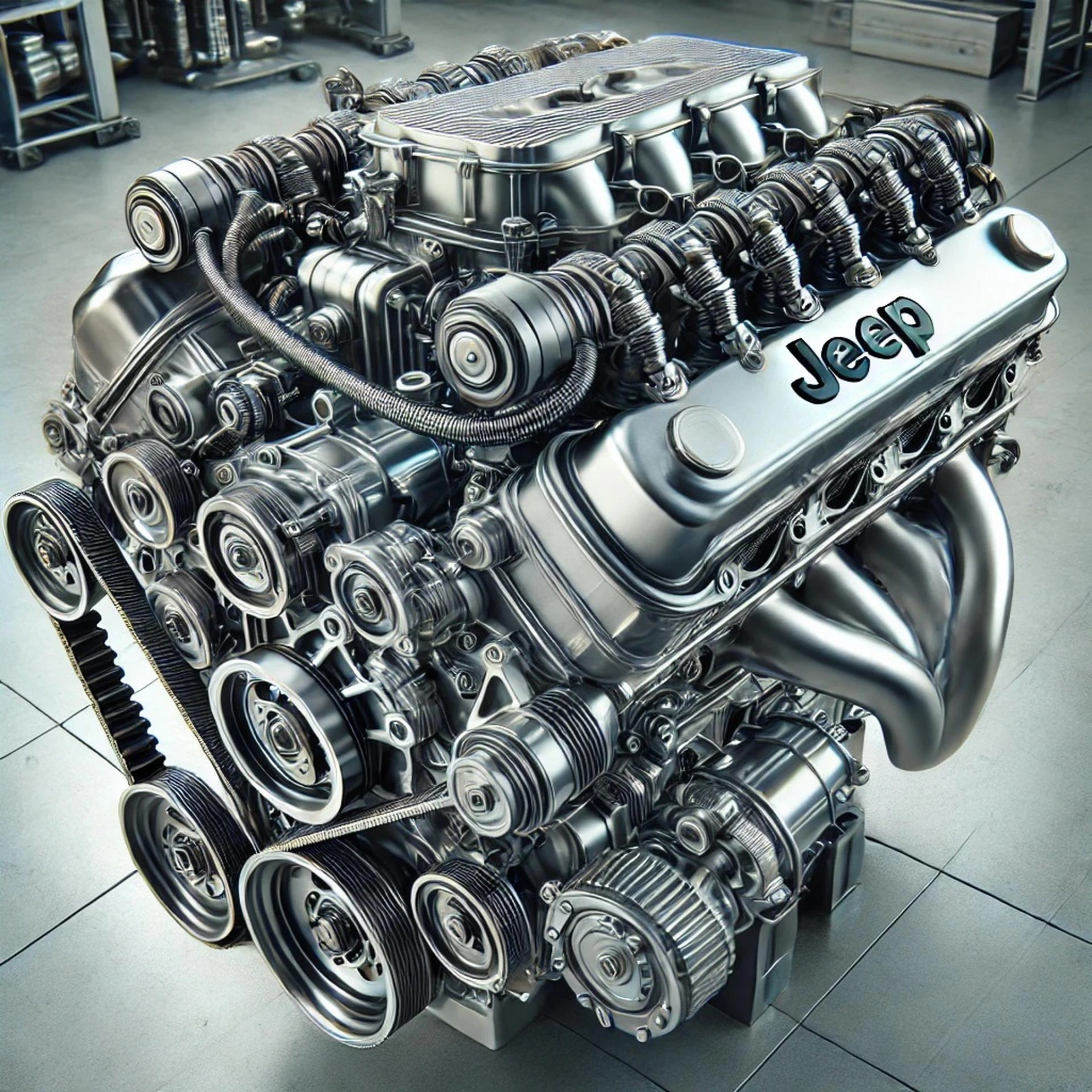

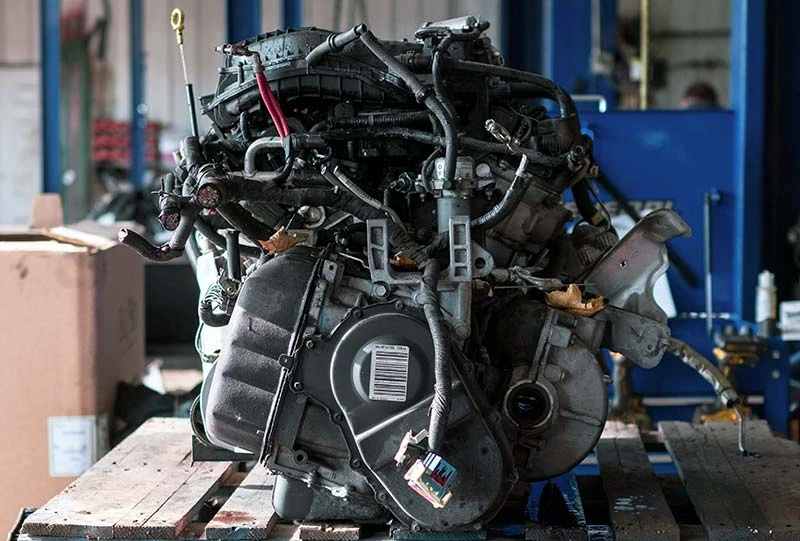
The 3.6 Pentastar engine is one of the most successful and widely used V6 engines produced by Chrysler (now Stellantis). Introduced in 2011, the Pentastar was designed to replace multiple older V6 platforms with a single modern, efficient, and powerful engine. Today, it powers millions of vehicles across Jeep, Dodge, Chrysler, and Ram, earning a reputation for strong performance and long-term reliability.
What Is the 3.6 Pentastar Engine?
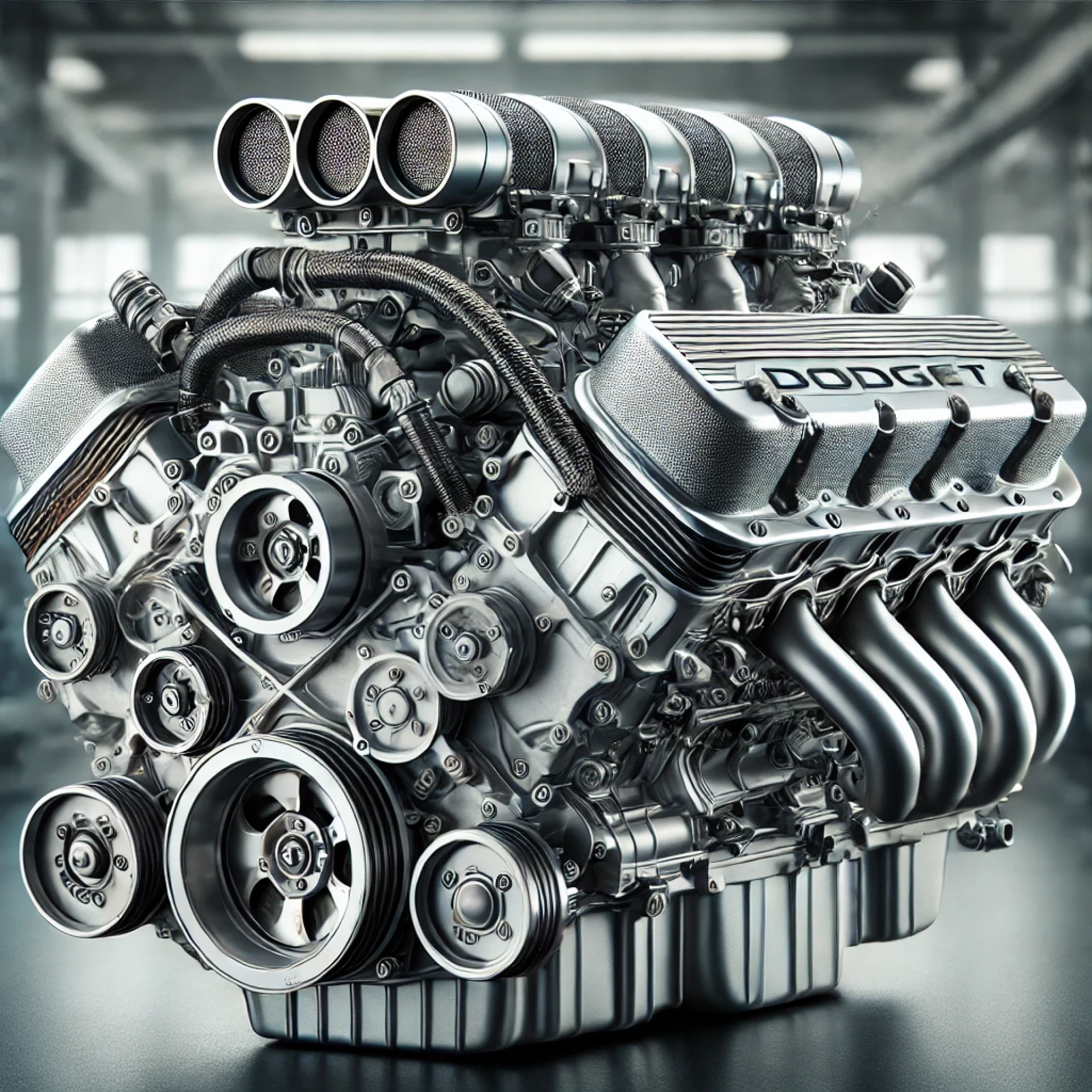
The 3.6L Pentastar is a naturally aspirated V6 engine featuring dual overhead camshafts (DOHC), 24 valves, and variable valve timing (VVT). Its lightweight aluminum construction helps improve fuel efficiency while still delivering solid horsepower and torque for daily driving, towing, and off-road use.
3.6 Pentastar Engine Specifications
- Displacement: 3.6 liters (3,604 cc)
- Configuration: V6
- Block Material: Aluminum
- Cylinder Head: Aluminum
- Valvetrain: DOHC, 24-valve with VVT
- Horsepower: 283–305 hp (depending on application)
- Torque: 260–269 lb-ft
- Fuel Type: Regular unleaded gasoline
Vehicles Equipped With the 3.6 Pentastar
The 3.6 Pentastar engine is used in a wide range of vehicles, including:
- Jeep Wrangler
- Jeep Grand Cherokee
- Jeep Gladiator
- Dodge Charger
- Dodge Challenger
- Chrysler 300
- Ram 1500
Its versatility makes it suitable for both passenger cars and light-duty trucks.
Why the 3.6 Pentastar Engine Is So Popular
Strong Power Output
Delivers V8-like performance while maintaining better fuel economy.
Wide Availability
Used across multiple brands, making parts easy to find.
Modern Design
Advanced valvetrain and lightweight construction.
Proven Longevity
Later models have excellent reliability with proper maintenance.
Common 3.6 Pentastar Engine Problems
While generally reliable, some known issues include:
Cylinder Head Failure (Early Models)
- Most common in 2011–2013 engines
- Redesigned heads in later years solved the issue
Oil Cooler / Oil Filter Housing Leaks
- Plastic housing may crack
- Upgraded replacements available
Rocker Arm & Lifter Wear
- Causes ticking noise
- Repairable if addressed early
Cooling System Issues
- Thermostat or water pump failure at higher mileage
Reliability & Engine Longevity
With proper maintenance, the 3.6 Pentastar engine can easily last 250,000 miles or more. Engines built after 2014 are considered especially reliable due to improved components and updated designs.
Maintenance Tips for Long Engine Life
- Follow regular oil change intervals
- Use high-quality engine oil
- Replace oil cooler housing preventively
- Address ticking noises early
- Maintain the cooling system
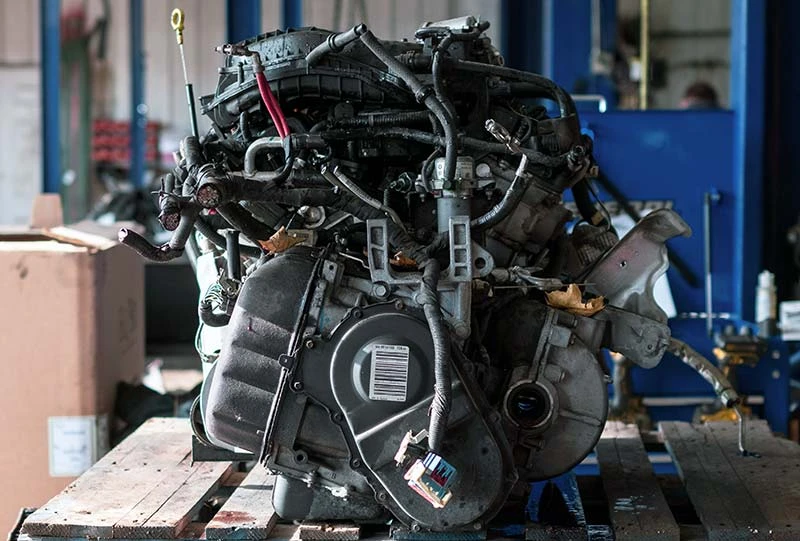
3.6 Pentastar Engine Replacement Options
Used 3.6 Pentastar Engine
- Budget-friendly
- OEM factory motor
- Ideal for standard replacement
Rebuilt 3.6 Pentastar Engine
- Worn components replaced
- Improved reliability
- Mid-range cost
Remanufactured Engine
- Fully restored to factory specs
- Often includes warranty
- Best long-term solution
3.6 Pentastar vs Older Chrysler V6 Engines
Compared to older 3.7L and 4.0L V6 engines, the Pentastar offers:
- More horsepower
- Better fuel efficiency
- Lower emissions
- Smoother performance
Final Thoughts
The 3.6 Pentastar engine is a modern, capable, and reliable V6 that has proven itself across millions of vehicles. While early models had a few known issues, later versions are dependable and cost-effective to own.
Whether you’re researching, replacing, or maintaining an engine, the 3.6 Pentastar remains one of the best V6 engines in its class.

























Sign in to leave a comment.