

Managing logistics is a critical challenge for many Australian businesses, especially as they grow. While traditional in-house warehousing gives full control, many companies are turning to professional 3PL services to gain efficiency, scalability, and cost savings. By outsourcing warehousing, packing, and shipping, businesses can focus on growth while leaving logistics to experts. This article explores the differences between 3PL services and traditional warehousing to help you choose the best option for your business.
1. Understanding Traditional Warehousing
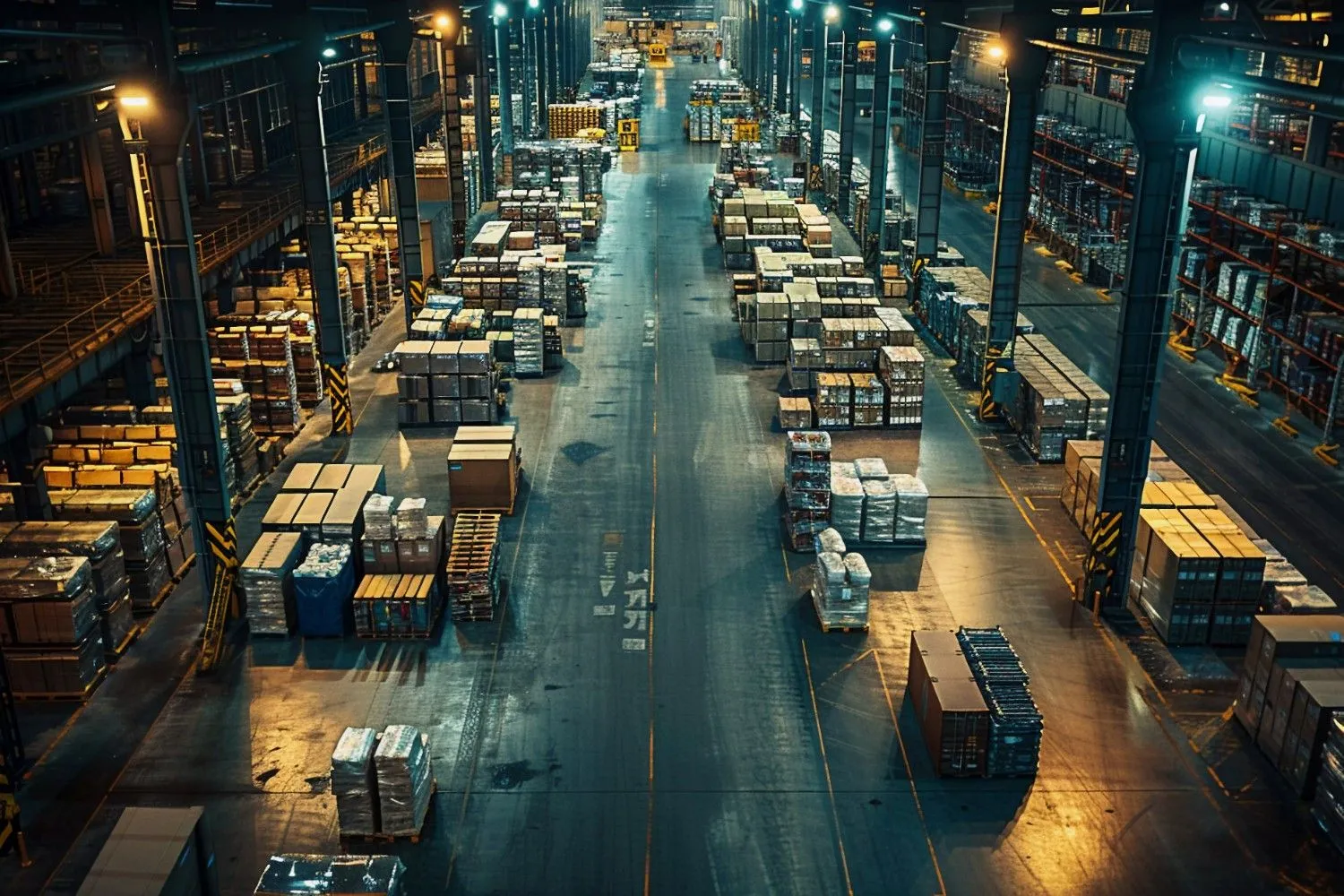
Traditional or in-house warehousing means your business manages storage, inventory, and order fulfilment internally. While it provides complete control, it comes with significant responsibilities:
- Hiring and training staff
- Maintaining warehouse facilities
- Managing inventory manually or with internal systems
- Handling shipping and courier relationships
As order volumes grow, these tasks become increasingly complex and resource-intensive.
2. The Advantages of 3PL Services
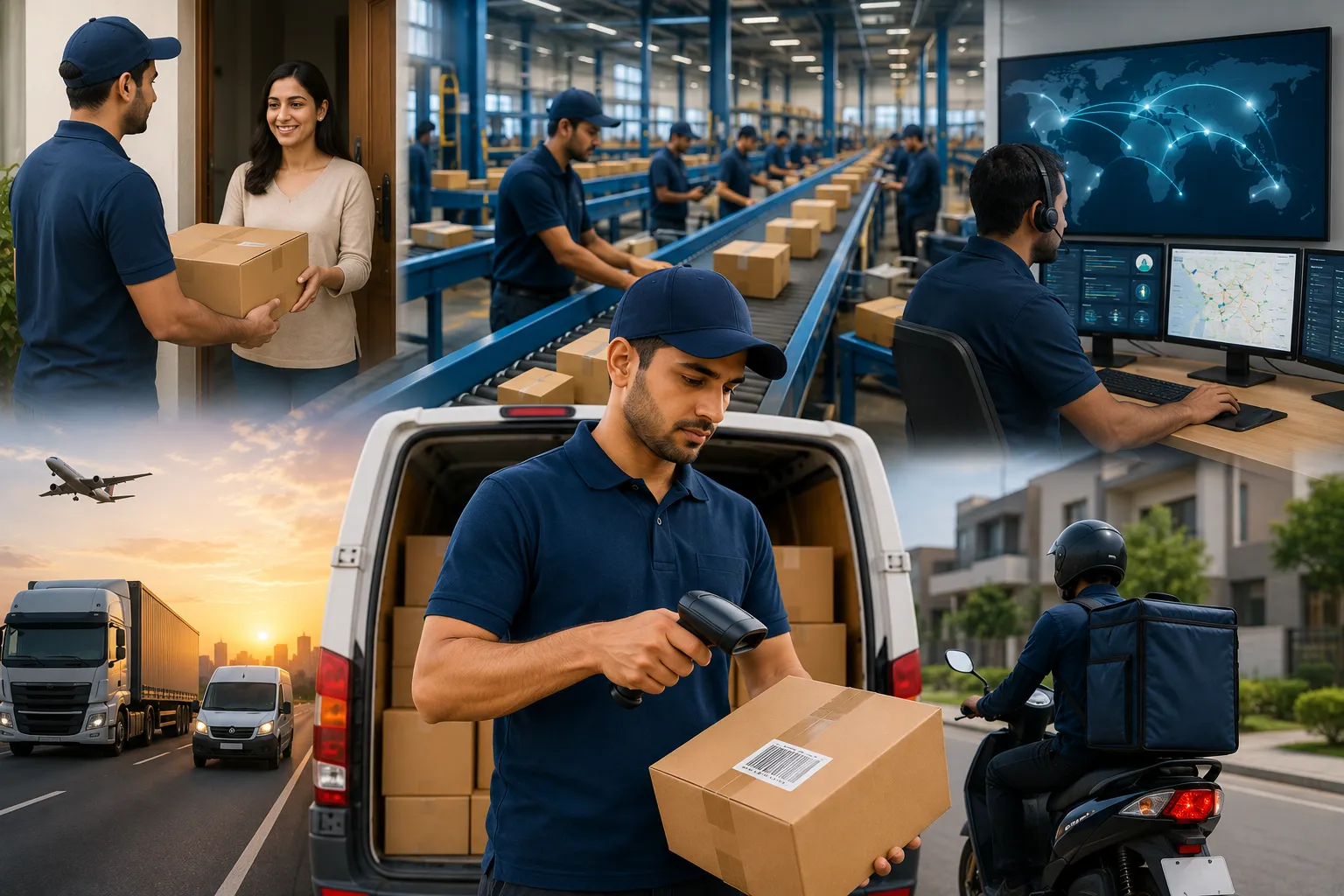
3PL providers offer a complete outsourced solution for warehousing and logistics. Key benefits include:
- Cost Savings: Businesses avoid investing in facilities, staff, and equipment.
- Scalability: Resources can be quickly adjusted to meet seasonal peaks or sudden growth.
- Accuracy: Advanced warehouse management systems reduce errors in order fulfilment.
- Faster Delivery: Optimised workflows and strategic warehouse locations enable timely shipping.
3. Comparing Costs
In-house warehousing often involves high fixed costs—rent, utilities, staff salaries, and equipment maintenance. Mistakes and inefficiencies further increase expenses. 3PL services allow businesses to convert fixed costs into variable costs, paying only for the storage and services they use. Bulk shipping agreements also reduce courier costs, making it more affordable for growing brands.
4. Scalability and Flexibility
One of the biggest advantages of 3PL services is the ability to scale operations up or down. Traditional warehousing struggles to handle sudden spikes in demand, while 3PL providers can deploy additional staff, warehouse space, and technology to meet peak order volumes without disruption.
5. Technology and Integration
3PL providers often offer advanced inventory tracking, automated picking and packing, and integration with eCommerce platforms or ERP systems. Traditional warehouses may require significant investment in technology and ongoing maintenance, which can be costly and complex for small and mid-sized businesses.
6. Focus on Core Business
Outsourcing logistics allows business owners to concentrate on sales, marketing, and product development. In contrast, managing traditional warehousing internally can divert attention from strategic growth and customer engagement.
Conclusion
For many growing Australian businesses, professional 3PL services offer greater efficiency, accuracy, and scalability than traditional warehousing. While in-house storage may work for very small operations, 3PL providers streamline operations, reduce costs, and allow businesses to focus on growth. Choosing the right logistics model is a strategic decision that can impact profitability, customer satisfaction, and long-term success.



























Sign in to leave a comment.