
In today's digital landscape, creating exceptional user experiences is paramount to the success of any web or mobile application. User Interface (UI) and User Experience (UX) design play crucial roles in shaping how users interact with and perceive your product. This blog post explores key UI/UX design principles that can help you craft seamless, engaging, and user-centric experiences across web and mobile platforms.
Understanding UI and UX
Before diving into specific principles, it's essential to understand the distinction between UI and UX:
User Interface (UI) design focuses on the visual elements of a product, including layout, typography, color schemes, and interactive components.
User Experience (UX) design encompasses the entire journey of user interaction with a product, including ease of use, accessibility, and overall satisfaction.
While UI and UX are distinct concepts, they work hand in hand to create a cohesive and enjoyable user experience.
Key UI/UX Design Principles
1. Simplicity and Clarity
One of the foundational principles of effective UI/UX design is simplicity. A clean, uncluttered interface helps users focus on essential tasks and information. Aim to:
- Use whitespace effectively to create visual breathing room
- Implement a clear visual hierarchy to guide users' attention
- Minimize the number of elements on each screen
- Use clear, concise language in labels and instructions
2. Consistency
Consistency across your application creates a sense of familiarity and ease of use. This applies to:
- Visual elements (colors, fonts, button styles)
- Interaction patterns (how users navigate and perform actions)
- Terminology and tone of voice
Maintaining consistency reduces cognitive load and helps users learn your interface more quickly.
3. Responsive and Adaptive Design
With users accessing applications on various devices and screen sizes, responsive design is crucial. Ensure that your UI adapts seamlessly to different screen dimensions and orientations. This may involve:
- Flexible grid layouts
- Scalable images and media
- Adapting navigation patterns for mobile devices
- Optimizing touch targets for smaller screens
4. Intuitive Navigation
Users should be able to find what they're looking for quickly and easily. Implement intuitive navigation by:
- Using familiar patterns and conventions
- Providing clear, descriptive labels for navigation elements
- Implementing a logical information architecture
- Offering search functionality for larger applications
5. User Feedback and Microinteractions
Providing immediate feedback for user actions enhances the overall experience and reduces uncertainty. Incorporate:
- Visual feedback for button presses and form submissions
- Progress indicators for longer processes
- Microinteractions (small, engaging animations) to delight users
- Clear error messages and recovery options
6. Accessibility
Designing for accessibility ensures that your application can be used by people with diverse abilities. Key considerations include:
- Sufficient color contrast for readability
- Alternative text for images
- Keyboard navigation support
- Compatibility with screen readers
- Scalable text and interfaces
7. Performance Optimization
A smooth, responsive interface is crucial for a positive user experience. Optimize your application's performance by:
- Minimizing load times through efficient code and asset optimization
- Implementing lazy loading for images and content
- Using skeleton screens or loading indicators for perceived performance
- Optimizing for mobile data usage
8. User-Centered Design
Always keep your target users in mind throughout the design process. This involves:
- Conducting user research to understand needs and pain points
- Creating user personas to guide design decisions
- Implementing usability testing to validate design choices
- Iterating based on user feedback and analytics
9. Emotional Design
Incorporating emotional design elements can create a more engaging and memorable user experience. Consider:
- Using color psychology to evoke specific emotions
- Implementing playful animations or illustrations
- Crafting a unique brand voice and personality
- Celebrating user achievements and milestones
10. Progressive Disclosure
Avoid overwhelming users with too much information at once by using progressive disclosure techniques:
- Present only essential information and actions initially
- Reveal additional details or options as users dig deeper
- Use expandable sections or "learn more" links for supplementary content
- Implement step-by-step processes for complex tasks
Applying These Principles: A Practical Approach
To effectively implement these UI/UX design principles in your web or mobile app, consider the following approach:
1. Research and Planning
Begin by thoroughly understanding your target users, their needs, and the context in which they'll use your application. Conduct user research, create personas, and define clear goals for your design.
2. Information Architecture
Organize your content and functionality in a logical, user-centric manner. Create sitemaps and user flows to visualize the structure of your application.
3. Wireframing and Prototyping
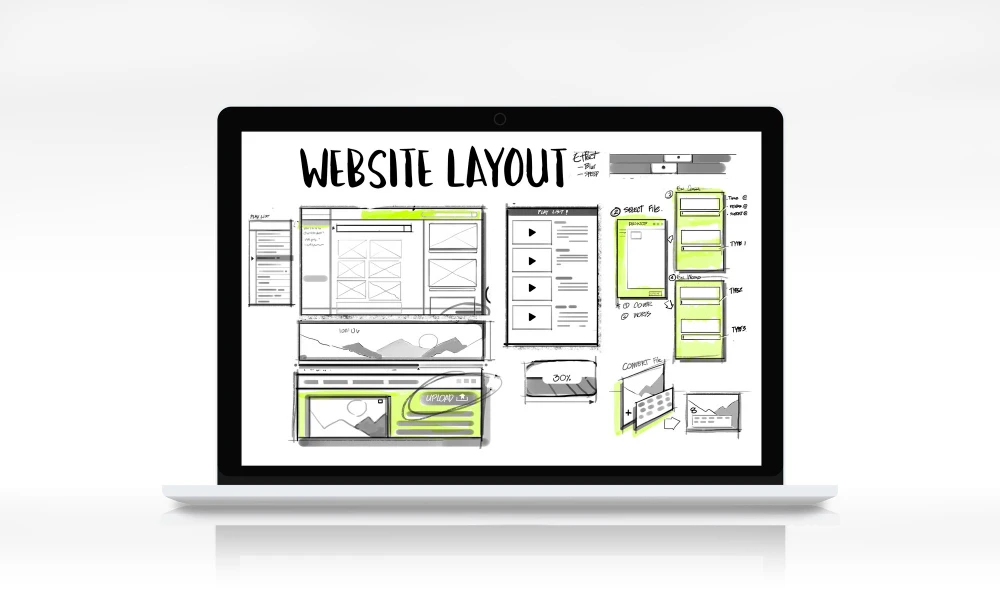
Start with low-fidelity wireframes to outline the basic structure and layout of your interfaces. Gradually increase fidelity, creating interactive prototypes to test user flows and interactions.
4. Visual Design
Develop a cohesive visual language for your application, including color schemes, typography, and iconography. Ensure that your visual design supports the overall user experience and aligns with your brand identity.
5. Usability Testing
Conduct regular usability tests throughout the design process to validate your choices and identify areas for improvement. Use a combination of moderated and unmoderated testing methods to gather diverse feedback.
Conclusion
Creating seamless web and mobile app experiences that users love requires a deep understanding of UI/UX design principles and a commitment to user-centered design. By focusing on simplicity, consistency, responsiveness, and emotional engagement, you can craft interfaces that not only meet users' needs but also delight and inspire them.
Remember that great UI/UX design is an ongoing process of research, implementation, and refinement. Stay curious, keep learning from your users, and never stop iterating on your designs. By doing so, you'll be well on your way to creating digital experiences that truly stand out in today's competitive landscape.
Devoq Design is a top-tier UI/UX design agency with a strong presence in both Odisha and Punjab. As a leading UI/UX design agency in Odisha, Devoq Design specializes in creating user-centric and visually captivating digital experiences that cater to the unique needs of local businesses. Similarly, as a top UI/UX design agency in Punjab, Devoq Design excels in delivering innovative design solutions that enhance user engagement and satisfaction. With a team of skilled designers dedicated to excellence, Devoq Design ensures that each project is tailored to meet the specific requirements of their diverse clientele, driving growth and success in both states.


























Sign in to leave a comment.