

Bahrain's relentless push toward Vision 2030 is reshaping how organizations protect their people, assets, and data. At the heart of this transformation sits the Access Control System - a technology that has evolved from a simple door-locking mechanism into a fully intelligent security ecosystem capable of managing every entry point across an enterprise in real time.
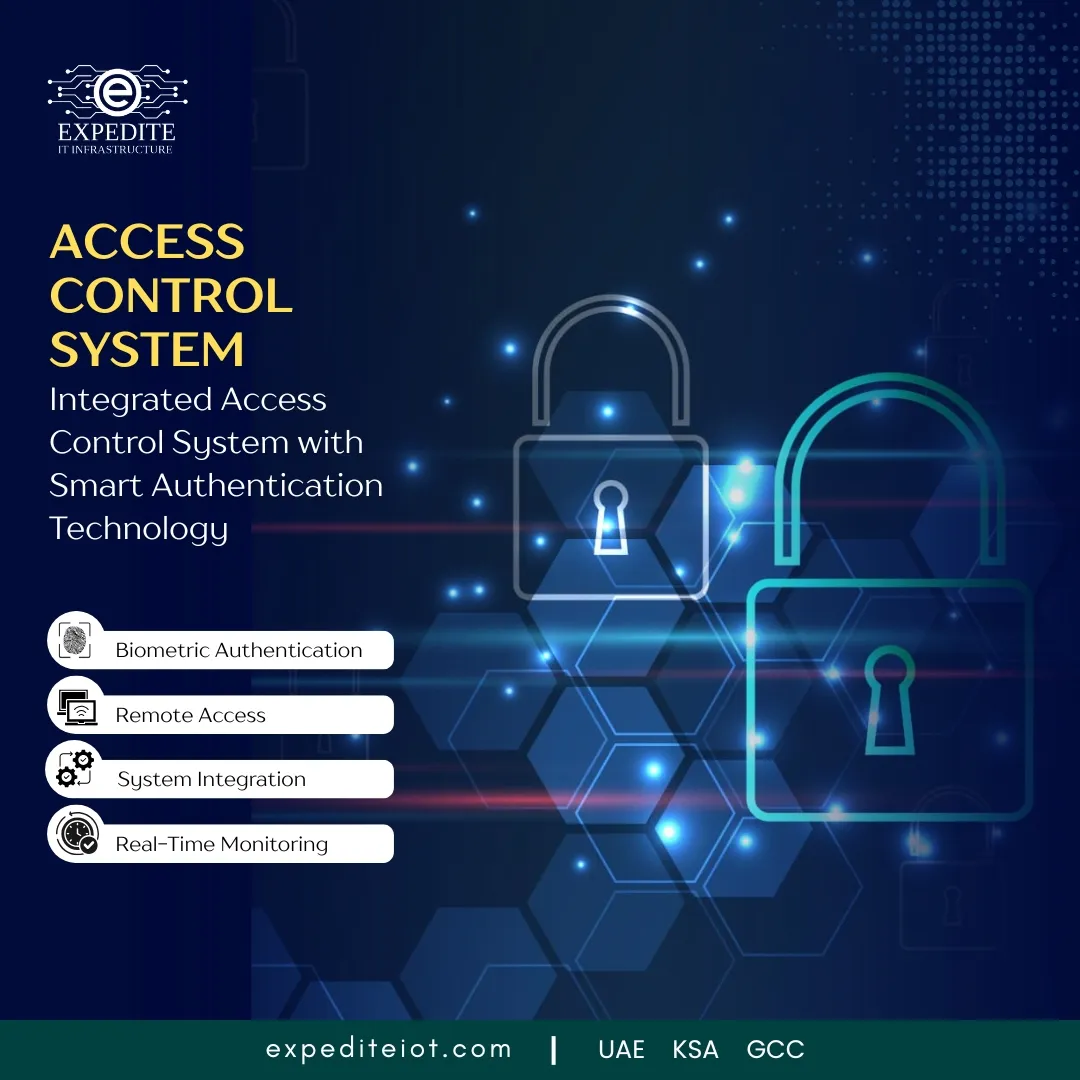
From corporate towers in the heart of Manama to industrial complexes along the Bahraini coastline, forward-thinking facility managers and security directors are replacing legacy key-and-card systems with purpose-built Access Control Solutions that integrate biometrics, cloud intelligence, and mobile credentials into a single unified platform. This article explores the defining features, proven benefits, and sector-specific applications of modern access control technology - and explains why Bahrain is rapidly becoming one of the GCC's most sophisticated adopters.
Why Bahrain's Security Landscape Is Demanding Smarter Access Control
Bahrain occupies a unique position in the Gulf: a compact, densely connected economy where financial services, manufacturing, tourism, and government functions coexist in close proximity. This density creates a complex security environment in which physical and cyber threats converge, regulatory compliance obligations are multiplying, and the cost of an access breach - whether a data leak, a theft, or a safety incident - can be catastrophic.
Traditional lock-and-key infrastructure cannot address these realities. Master keys are copied, proximity cards are cloned, and paper visitor registers offer no actionable intelligence. A next-generation Security Access Control platform resolves each of these weaknesses by replacing analogue credentials with digital, auditable, and remotely manageable access policies. Every entry event is logged with a timestamp, a user identity, and a location tag - creating the kind of tamper-evident audit trail that satisfies both internal security teams and external regulators including the Bahrain Central Bank, the MOICT, and international certifying bodies such as ISO 27001 and SOC 2.
The market shift is evident: enterprise procurement across the Kingdom is moving decisively toward integrated, IP-connected access platforms that can be monitored from a single dashboard, updated over the air, and connected seamlessly to HR systems, visitor management software, and emergency evacuation tools.
Core Features of an Advanced Access Control System
The defining characteristic of a truly modern deployment is the depth of integration between its component layers. An Advanced Access Control System is not a collection of standalone door readers - it is a cohesive intelligence platform built on the following foundational capabilities.
1. Multi-Factor Biometric Authentication
The most significant innovation in contemporary access management is the shift toward Biometric Access Control System technology. Fingerprint scanners, facial recognition terminals, iris readers, and palm-vein sensors eliminate the security vulnerabilities inherent in card- and PIN-based credentials. Unlike a proximity card, a biometric credential cannot be borrowed, lost, stolen, or cloned - making it the highest-assurance authentication method available at scale. Modern biometric terminals achieve identification speeds of under one second with false-acceptance rates below 0.0001%, making them equally suited to high-throughput corporate lobbies and high-security server rooms.
2. Intelligent Door Access Control
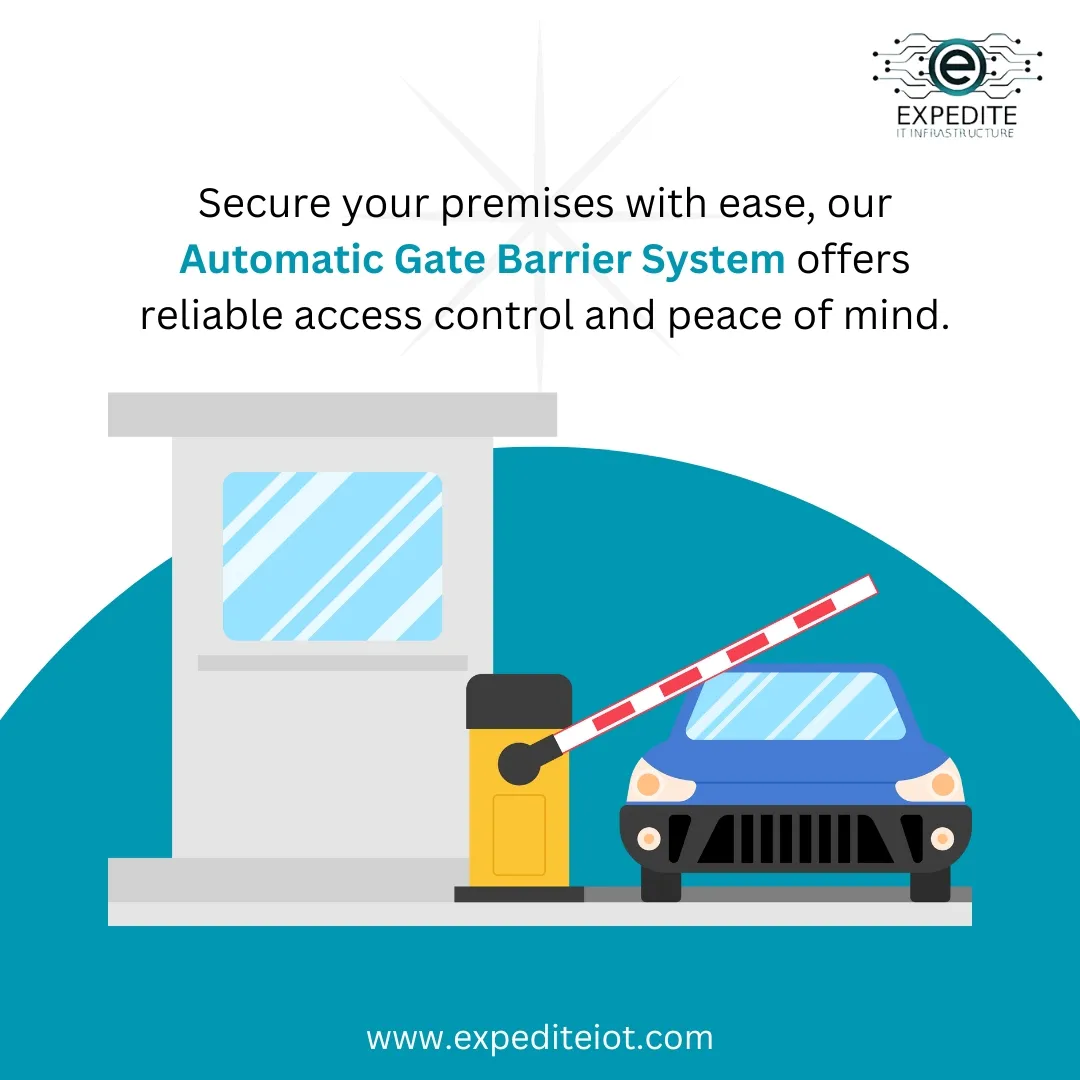
At the physical layer, Door Access Control hardware has advanced dramatically. Today's IP-connected controllers manage magnetic locks, electromagnetic strikes, motorized bollards, turnstiles, and boom barriers from a single software platform. Each controller communicates in real time with the central management server, enabling policies to be updated instantly across an entire estate locking down a compromised zone in seconds or granting temporary access to a contractor without any on-site intervention. Anti-passback logic, dual-authorization rules, and time-zone scheduling ensure that access policies are enforced with precision 24 hours a day.
3. Cloud-Connected Access Control Device Ecosystem
The Access Control Device landscape now spans wall-mounted readers, mobile credential apps, intercoms with video verification, and wearable NFC tags. Cloud-connected devices receive firmware updates, policy changes, and credential revocations instantaneously - eliminating the lag that made legacy systems vulnerable during staff offboarding events. Edge-computing capability in premium devices ensures that authentication continues offline, protecting against network disruptions in remote or industrial locations. Every device interaction is encrypted end-to-end, preventing credential interception across the network.
4. Centralized Management and Real-Time Analytics
A unified management console provides security administrators with a live view of every door, every user, and every access event across the entire estate. Role-based dashboards surface actionable intelligence - identifying tailgating attempts, flagging unusual after-hours access, generating compliance reports on demand, and sending automated alerts to mobile devices when security policies are violated. Customizable workflows allow security teams to define escalation chains, integrate with CCTV for event-triggered video review, and export audit logs in formats compatible with Bahrain's regulatory reporting requirements.
5. Seamless Integration with Building and IT Systems
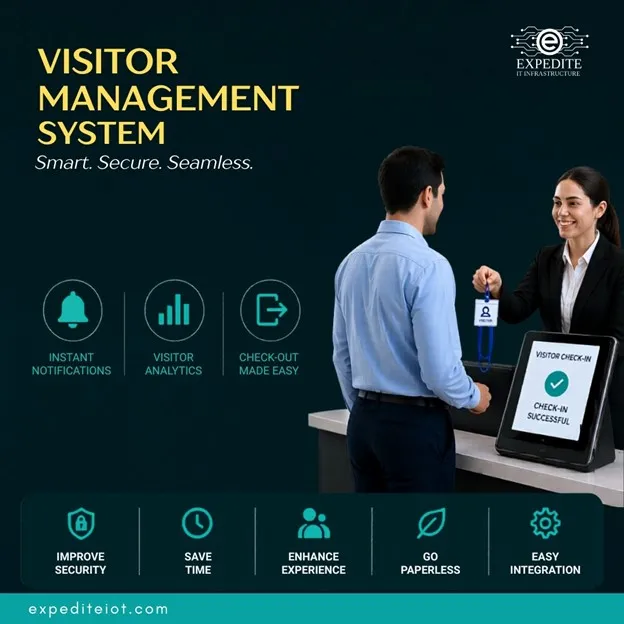
Enterprise-grade Access Control Solutions integrate natively with Human Resources Information Systems (HRIS) to synchronize employee onboarding and offboarding automatically, with visitor management platforms for pre-registered guest access, with fire safety panels for emergency unlocking, and with building management systems (BMS) for energy-aware occupancy control. Open REST API architectures allow organizations to extend platform capabilities through custom integrations - connecting access data to IoT sensor networks, space utilization tools, and cyber security information and event management (SIEM) platforms for a truly unified physical-cyber security posture.
Proven Benefits of Deploying a Modern Access Control System in Bahrain
Organizations that upgrade to an intelligent Access Control System Bahrain deployment consistently report benefits across four dimensions: security hardening, operational efficiency, compliance assurance, and return on investment.
- Eliminated Credential Vulnerabilities: Digital and biometric credentials remove the financial and security cost of lost, stolen, or duplicated keys and cards - a persistent drain on facilities budgets that often runs into thousands of BHD annually across larger estates.
- Instant Remote Management: Cloud-connected platforms allow security administrators to grant or revoke access from any device, anywhere, in real time - a critical capability during emergency lockdowns, rapid staff offboarding, or multi-site incident response scenarios.
- Regulatory Compliance Documentation: Automated, tamper-evident audit logs satisfy the access record requirements of Bahrain's PDPL, CBUAH financial sector guidelines, ISO 27001 physical security controls, and international HSE standards - reducing the burden of manual compliance documentation significantly.
- Reduced Operational Overhead: Automated policy enforcement eliminates the need for security guards at every internal checkpoint, freeing resources for higher-value tasks while maintaining a more consistent and auditable security posture than human-only supervision can achieve.
- Improved Emergency Response: Integration with fire panels and emergency notification systems enables instant all-door unlocking for evacuation, real-time headcount reporting from mustering points, and immediate lockdown of compromised zones - capabilities that are increasingly mandated by Bahrain's Civil Defence Authority for commercial and industrial occupancies.
- Scalable Architecture: Cloud-native platforms scale from a single door to thousands of entry points across multiple buildings and geographic locations without replacing core hardware - protecting the initial capital investment as the organization grows.
Access Control System Manama: Sector-Specific Deployments
The deployment of an intelligent Access Control System Manama spans a remarkably diverse range of industries, each with distinct compliance obligations, user populations, and security architectures.
Financial Services and Banking
Bahrain's position as the GCC's leading financial center - home to over 400 licensed institutions including major international banks, insurance companies, and fintech firms - demands the most rigorous physical security standards. Access control deployments in this sector typically feature multi-factor authentication at server room and trading floor access points, full integration with Active Directory for seamless credential lifecycle management, and real-time SIEM integration for cross-correlation of physical and cyber security events. Bahrain's Central Bank of Bahrain (CBB) supervisory framework explicitly requires documented physical access controls for regulated premises - making enterprise-grade systems a compliance necessity rather than a discretionary investment.
Government and Public Sector
Bahrain's eGovernment Authority has been recognized globally for its digital transformation achievements, and its physical security infrastructure reflects the same ambition. Government ministries and public agencies deploy high-assurance Biometric Access Control System terminals at classified document repositories, IT infrastructure rooms, and secure meeting facilities. Integration with national identity databases allows real-time verification of civil ID credentials - a unique capability enabled by Bahrain's advanced digital identity ecosystem that few other jurisdictions can match.
Healthcare Facilities
Hospitals and medical centres across the Kingdom use layered Door Access Control to protect pharmaceuticals, medical records, ICU wards, and operating theatres. Zone-based access policies ensure that clinical staff can move freely through their designated areas while contractors and visitors are automatically restricted. Emergency override integration with nurse-call and fire safety systems ensures that life-safety protocols are never compromised by access restrictions during critical incidents.
Industrial and Free Zone Operations
Bahrain's industrial areas - including the Bahrain Logistics Zone, Salman Industrial City, and the Alba aluminium smelter complex - present demanding environments for access control hardware. IP65-rated Access Control Device terminals with wide operating temperature ranges and ruggedized enclosures manage contractor access, enforce permit-to-work workflows, and provide real-time zone headcounts for HSE compliance. Integration with time-and-attendance systems automates contractor billing and delivers productivity analytics to site managers.
Education and Research Campuses
Universities, research institutes, and international schools use intelligent access management to protect laboratories, server infrastructure, and residential facilities. Mobile credential apps allow students and staff to use their smartphones as access credentials - eliminating the cost and administrative overhead of physical card issuance and replacement while delivering a frictionless, modern campus experience.
Hospitality and Retail
Four- and five-star hotels in Bahrain's thriving tourism sector deploy integrated access platforms that manage back-of-house staff zones, guest floor access, and asset storage areas from a single console. Retail chains use cloud-based access management to control store opening and closing procedures remotely - eliminating the need for on-site key management and enabling rapid response to after-hours intrusion alerts.
Technology Evaluation Criteria: Selecting the Right Access Control Solutions
With a growing number of vendors competing in the Bahraini market, procurement teams need a structured framework for evaluating Access Control Solutions against their specific operational and compliance requirements. The following criteria should anchor every technology evaluation process.
- Credential Technology Roadmap: Evaluate whether the platform supports the full credential spectrum - proximity cards, smart cards, mobile NFC/BLE, and biometrics - and whether it can migrate between credential types without replacing readers.
- Cloud Architecture and Data Residency: Confirm that cloud-hosted platforms offer GCC or Middle East data residency options to satisfy Bahrain's PDPL data localization obligations.
- API Ecosystem and Third-Party Integrations: Verify pre-built connectors to the HR, visitor management, CCTV, and BMS platforms already deployed in your estate.
- Cybersecurity Certifications: Require evidence of end-to-end encryption for all credential and command traffic, penetration testing results, and relevant certifications such as ISO 27001 or SOC 2 Type II.
- Local Support and SLA Commitments: Prioritize vendors with in-Kingdom or regional technical support teams capable of on-site response within contractually defined windows — critical for mission-critical deployments where downtime is not acceptable.
- Scalability and Licensing Model: Assess whether the platform's licensing structure supports growth without disproportionate cost increases, and whether hardware investments are protected against software obsolescence.
ExpediteIoT's enterprise access control solutions for the GCC are engineered to satisfy all of these criteria, with proven deployments across Saudi Arabia, Qatar, Oman, and the UAE - and a growing installed base in Bahrain. The platform's open architecture, Gulf-region data hosting options, and dedicated Arabic-English support team make it the natural choice for Bahraini organizations seeking a trusted, long-term technology partner.
Why Experience Matters in Physical Security
ExpediteIoT brings over a decade of enterprise IoT and physical security deployments across the GCC, with reference installations spanning multinational financial institutions, government ministries, hospital networks, and tier-one industrial operators. The company holds ISO 27001 certification, maintains a dedicated Gulf-based professional services team, and provides SLA-backed uptime guarantees for all mission-critical deployments. Its solutions are fully localized for Arabic-English bilingual environments and designed to satisfy the specific compliance frameworks of Bahrain, Saudi Arabia, Qatar, and Oman — including PDPL, CBB guidelines, and national HSE regulations.
This depth of regional expertise, combined with a proven technology platform and a commitment to long-term client partnership, positions ExpediteIoT as the most credible and capable access control vendor for organizations operating in Bahrain's demanding security environment.
The Broader Smart Security Ecosystem: Access Control as a Foundation
Physical access control does not operate in isolation - it is the cornerstone of a broader smart security and building intelligence ecosystem. Organizations that approach access management strategically, as part of an integrated smart facility platform, consistently achieve superior security outcomes, lower total cost of ownership, and faster return on their technology investments.
Related technologies and LSI concepts that procurement teams should incorporate into their access control strategy include: video surveillance integration, intrusion detection systems, perimeter security, turnstile and barrier management, time-and-attendance automation, contractor and vendor management portals, mobile credential management, occupancy analytics, emergency mustering and evacuation management, cyber-physical security convergence, Zero Trust physical access frameworks, and identity governance integration. ExpediteIoT's modular platform architecture is designed to serve as the unifying intelligence layer across all of these domains - delivering a truly holistic security environment from a single vendor relationship.
Conclusion
Bahrain's security landscape is evolving at pace, and the organizations that will lead the Kingdom's next decade of growth are those that invest now in intelligent, scalable, and compliance-ready access infrastructure. A purpose-built Access Control System - one that combines enterprise-grade Security Access Control policies, multi-factor Biometric Access Control System authentication, intelligent Door Access Control hardware, and a cloud-connected Access Control Device ecosystem - transforms physical security from a cost centre into a strategic enabler of operational excellence and regulatory confidence.
Whether you are securing a financial institution in Manama's diplomatic quarter, a hospital network, a government ministry, or an industrial complex in Bahrain's free zones, the right Advanced Access Control System delivers measurable improvements in security, compliance, and operational efficiency from day one. And with the right technology partner - one with proven GCC expertise, deep regional support capabilities, and a commitment to long-term client success - your investment is protected for years to come.
As a trusted provider of Access Control System Bahrain and Access Control System Manama deployments, ExpediteIoT brings the technology depth, regulatory knowledge, and local support commitment that Bahraini organizations need to protect their facilities with confidence.
FAQs
1. What is the difference between a standard and an Advanced Access Control System?
A standard system typically manages entry via proximity cards or PINs at individual doors, with limited audit trail capability and no integration with other security or building systems. An Advanced Access Control System operates as an enterprise platform: it incorporates multi-factor authentication, biometrics, cloud-based policy management, real-time analytics, and native integrations with HR, CCTV, visitor management, and fire safety systems. The result is a security environment that is simultaneously more granular in its control, more intelligent in its detection of anomalies, and more efficient in its administration.
2. Is a Biometric Access Control System appropriate for all environments?
A Biometric Access Control System is highly versatile and can be deployed across most commercial and industrial environments. Standard fingerprint and facial recognition terminals perform reliably in typical office, healthcare, and educational settings. For environments with high dust, extreme temperatures, or hygiene restrictions - such as cleanrooms, food production facilities, and outdoor industrial sites — specialized ruggedized biometric readers are available with IP65 or higher ingress protection ratings. For applications where physical contact is undesirable, contactless facial recognition and iris scanning provide equally high assurance without touching shared surfaces.
3. How does Door Access Control integrate with existing building systems?
Modern Door Access Control platforms are engineered for integration from the ground up. Open REST API architectures enable connectivity with virtually any building management system, CCTV platform, HR software, visitor management solution, or fire safety panel. Pre-built connectors for leading platforms — including Genetec, Lenel, SAP SuccessFactors, Microsoft Active Directory, and major BMS providers — reduce integration complexity and deployment timelines. For bespoke integrations, ExpediteIoT's professional services team can develop custom connectors to meet site-specific requirements.
4. What should organizations look for in an Access Control Device for harsh industrial environments?
For industrial deployments in Bahrain's free zones, ports, and manufacturing facilities, Access Control Device selection should prioritize: IP65 or IP66 ingress protection ratings for dust and water resistance; wide operating temperature ranges (typically -20°C to +70°C); anti-vandal enclosures constructed from brushed stainless steel or reinforced polycarbonate; UV-resistant anti-glare display panels; and redundant power inputs with PoE+ support and local battery backup for uninterrupted operation during power outages. Devices should also support offline authentication via local credential cache, ensuring that authentication continues even if network connectivity is temporarily unavailable.
5. How quickly can an Access Control System Bahrain deployment be operational?
A standard single-site Access Control System Bahrain deployment for a commercial office or retail environment can typically be designed, installed, integrated, and commissioned within three to six weeks, depending on the number of doors, the complexity of system integrations, and the availability of structured cabling infrastructure. Multi-site enterprise rollouts across Access Control System Manama and regional locations follow a phased program with each site achieving operational status within the agreed project schedule.
Advanced Access Control System



























Sign in to leave a comment.