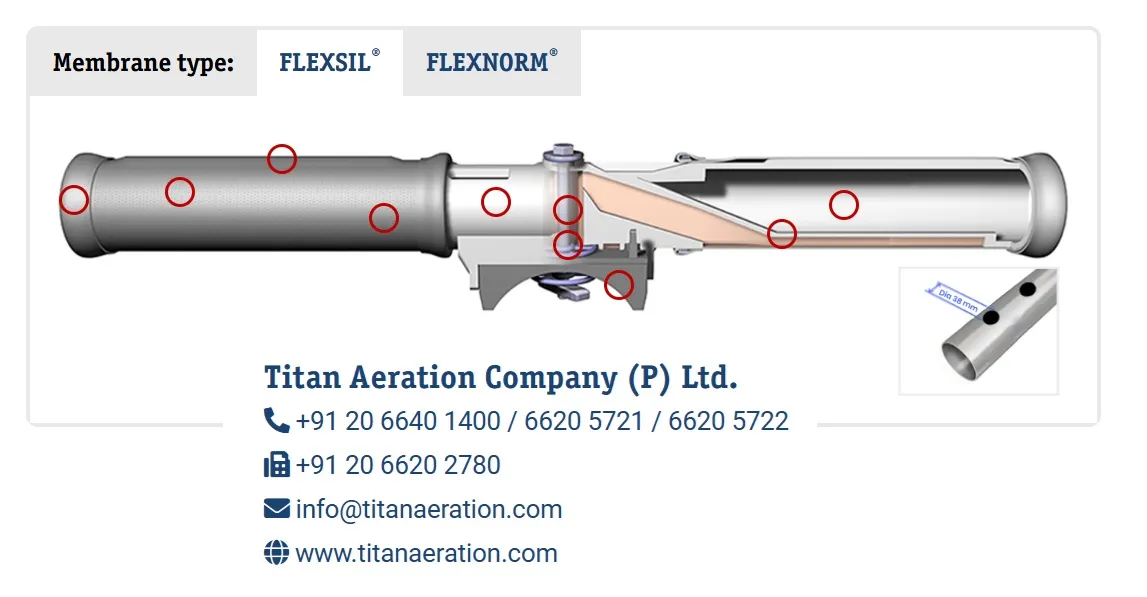

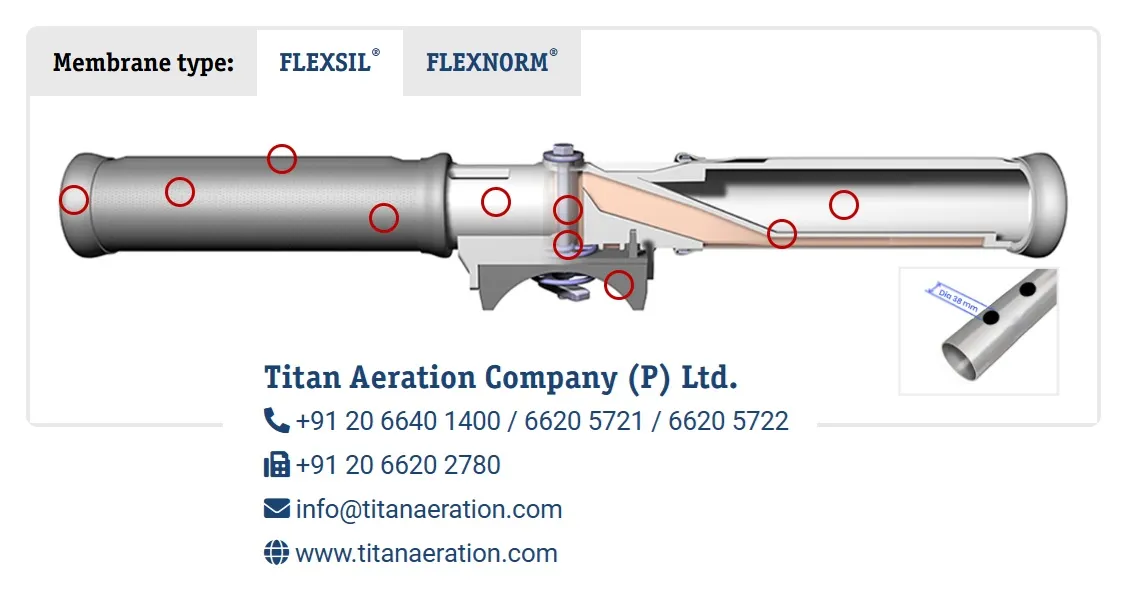
Aeration tank diffusers play a critical role in wastewater treatment and industrial aeration systems by ensuring efficient oxygen transfer and uniform mixing. As industries and municipalities seek energy-efficient and long-lasting aeration solutions, modern aeration tank diffusers have emerged as a highly effective choice. Their advanced design, superior performance, and durability make them an essential component in maintaining optimal biological treatment processes.
What Is an Aeration Tank Diffuser?
An aeration tank diffuser is a device installed at the bottom of an aeration tank to release compressed air into wastewater in the form of fine or coarse bubbles. These bubbles transfer oxygen into the water, supporting the growth of beneficial microorganisms that break down organic pollutants. At the same time, the diffuser promotes proper mixing, preventing solids from settling and ensuring consistent treatment efficiency.
High Oxygen Transfer Efficiency
One of the primary advantages of modern aeration tank diffusers is their exceptional oxygen transfer efficiency. Fine bubble diffusers, in particular, create thousands of tiny bubbles that provide a larger surface area for oxygen exchange. This maximizes the amount of dissolved oxygen entering the water while minimizing energy consumption.
Benefits of high oxygen transfer efficiency include:
- Reduced blower energy costs
- Improved biological treatment performance
- Enhanced wastewater treatment capacity
- Lower operational expenses
- Increased system productivity
Durable Construction for Long-Term Performance
Durability is a crucial factor when selecting an aeration system. High-quality aeration tank diffusers are manufactured using robust materials such as EPDM, silicone, polyurethane, or ceramic components. These materials offer excellent resistance to chemicals, corrosion, fouling, and wear, ensuring reliable operation even in demanding industrial environments.
Durable diffusers provide:
- Extended service life
- Reduced maintenance requirements
- Consistent airflow distribution
- Improved resistance to harsh wastewater conditions
- Lower replacement costs over time
Energy Savings and Cost Efficiency
Energy consumption represents a significant portion of wastewater treatment operating costs. Modern aeration tank diffusers are specifically engineered to reduce pressure loss and optimize airflow distribution. This allows blowers to operate more efficiently while delivering the required oxygen levels.
By improving oxygen transfer and reducing energy demand, facilities can achieve substantial cost savings while maintaining compliance with environmental regulations.
Applications Across Various Industries
Aeration tank diffusers are widely used in numerous industries and treatment facilities, including:
- Municipal wastewater treatment plants
- Food and beverage processing facilities
- Chemical manufacturing industries
- Pharmaceutical plants
- Textile industries
- Paper and pulp mills
- Aquaculture systems
- Industrial effluent treatment plants
Their versatility makes them suitable for both new installations and upgrades of existing aeration systems.
Easy Installation and Maintenance
Modern diffuser systems are designed for straightforward installation and maintenance. Modular diffuser assemblies can be integrated into various tank configurations with minimal disruption. Many designs also feature self-cleaning characteristics that help prevent clogging and maintain consistent performance.
Routine maintenance is simplified, resulting in reduced downtime and improved operational reliability.
Environmental Benefits
Efficient aeration systems contribute significantly to environmental sustainability. By optimizing oxygen transfer and reducing energy consumption, aeration tank diffusers help treatment facilities lower their carbon footprint while improving wastewater quality.
Environmental advantages include:
- Reduced greenhouse gas emissions
- Improved effluent quality
- Enhanced treatment efficiency
- Sustainable operation practices
- Compliance with environmental standards
Choosing the Right Aeration Tank Diffuser
Selecting the appropriate diffuser depends on several factors, including tank size, wastewater characteristics, oxygen demand, and operational requirements. Fine bubble diffusers are often preferred for maximum efficiency, while coarse bubble diffusers may be suitable for applications requiring intensive mixing.
When evaluating diffuser options, consider:
- Oxygen transfer efficiency
- Material durability
- Airflow capacity
- Maintenance requirements
- Installation flexibility
- Total lifecycle cost
Conclusion
Aeration tank diffusers are a highly efficient and durable solution for modern aeration requirements. Their ability to deliver superior oxygen transfer, reduce energy consumption, and provide long-lasting performance makes them indispensable in wastewater treatment and industrial applications. By investing in high-quality diffuser technology, facilities can improve treatment efficiency, lower operating costs, and support sustainable environmental practices for years to come.


























Sign in to leave a comment.