

Sustainability is no longer an optional extra—it’s an expectation from consumers, investors, and regulators. From small workshops to sprawling production facilities, every step in the supply chain is being held accountable for its environmental and social performance. This rising demand for transparency has prompted more companies to embrace standardized frameworks that assess facility-level impact. That’s where the FEM plays a critical role in turning sustainability promises into measurable action.
What Makes Facility-Level Evaluation So Important?
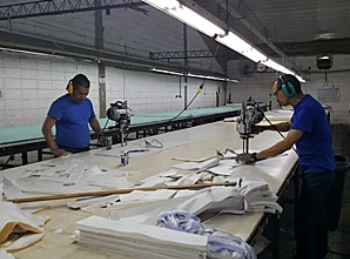
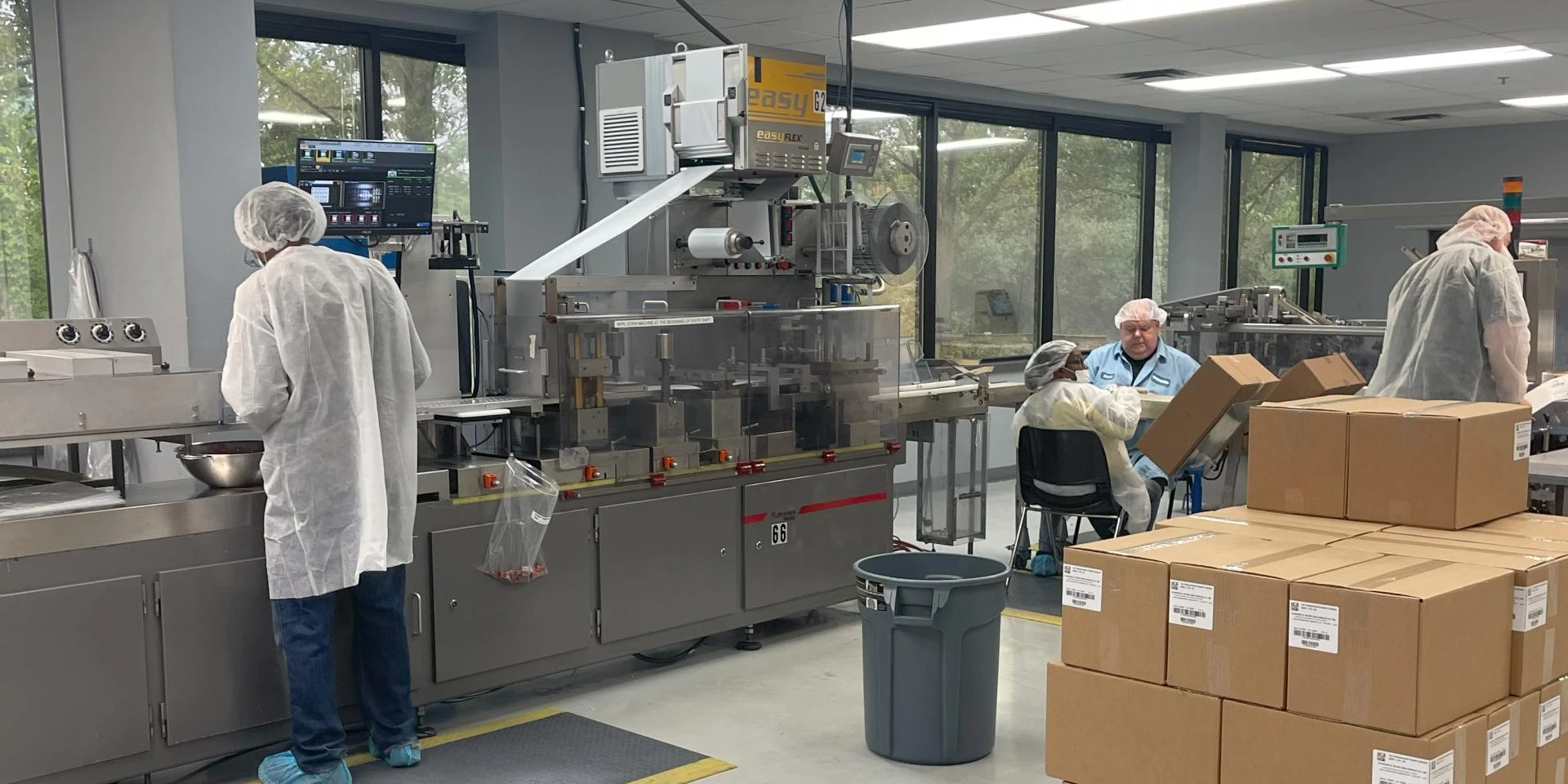
While many brands focus their efforts on packaging or materials, it’s often the operations behind the scenes—energy use, water consumption, waste management—that create the most significant environmental footprint. Facility-level evaluations offer a focused lens for examining how individual sites operate in line with broader sustainability benchmarks.
The value of these assessments lies in their ability to move beyond broad claims. They dive deep into actual practices, collecting data that shows whether goals are truly being met—or whether there's more work to be done.
Understanding the Framework Behind Facility Assessments
Environmental assessments in manufacturing have matured. Standardized tools like the Higg Facility Environmental Module (FEM) bring structure to the process, helping organizations evaluate water use, chemical handling, waste output, and more. Facilities use these self-assessment tools to pinpoint gaps and develop corrective action plans that lead to real improvement.
However, a framework alone doesn’t guarantee success. Implementation depends on two factors: how well the assessment is conducted and how objectively the findings are reviewed. That’s where third-party reviews bring essential credibility into the picture.
Why Third-Party Verification Matters
Many organizations begin their journey with self-assessments, and while these are a strong first step, they may unintentionally overlook issues or misjudge performance. Independent reviews by FEM verifiers or auditors help eliminate bias and improve accuracy. Their role is to provide impartial validation of the data and offer recommendations that align with industry-wide best practices.
Facilities that pursue verified assessments often discover improvement opportunities they hadn’t previously considered. Even better, third-party validation builds confidence among stakeholders who want proof that sustainability claims are supported by rigorous evaluation.
Turning Scores Into Strategy
Once assessments are complete, facilities receive scores that reflect their performance across different categories. But what’s more important than the score itself is how the data is used. Facilities that treat the results as a starting point—rather than a final grade—are the ones that grow stronger in their sustainability journey.
Scorecards can be broken down to identify the highest-impact areas for change. Whether it’s rethinking energy sources, upgrading filtration systems, or training staff in safer chemical use, every action taken from the data builds toward a better, cleaner outcome.
Collaborating for Long-Term Change
Sustainability assessments are most successful when they’re part of a collaborative effort. It’s not about pointing fingers—it’s about coming together across departments, vendors, and partners to align values and performance.
When brands and facilities build a shared commitment to transparency, environmental improvements become a collective achievement. These assessments serve as common ground, creating measurable progress that benefits not only business performance but also community well-being and planetary health.
From Compliance to Commitment
Gone are the days when environmental reviews were seen as compliance checkboxes. Today, they are part of a larger conversation about impact and integrity. Being evaluated isn’t a sign of weakness—it’s a sign of responsibility.
Facilities that consistently engage with frameworks like FEM set a tone of openness. They demonstrate a willingness to grow, evolve, and contribute meaningfully to the industries they serve. And when that commitment is validated by skilled FEM professionals, it becomes more than a report—it becomes a statement of intent.
Ready to Make Your Impact Measurable?
Whether you’re starting your sustainability assessments or looking to take your reporting to the next level, aligning with experienced support can make a meaningful difference. Partner with professionals who understand the value of evident, verifiable progress—and let your sustainability journey speak for itself.
Start your facility’s evaluation today and transform accountability into action.























Sign in to leave a comment.