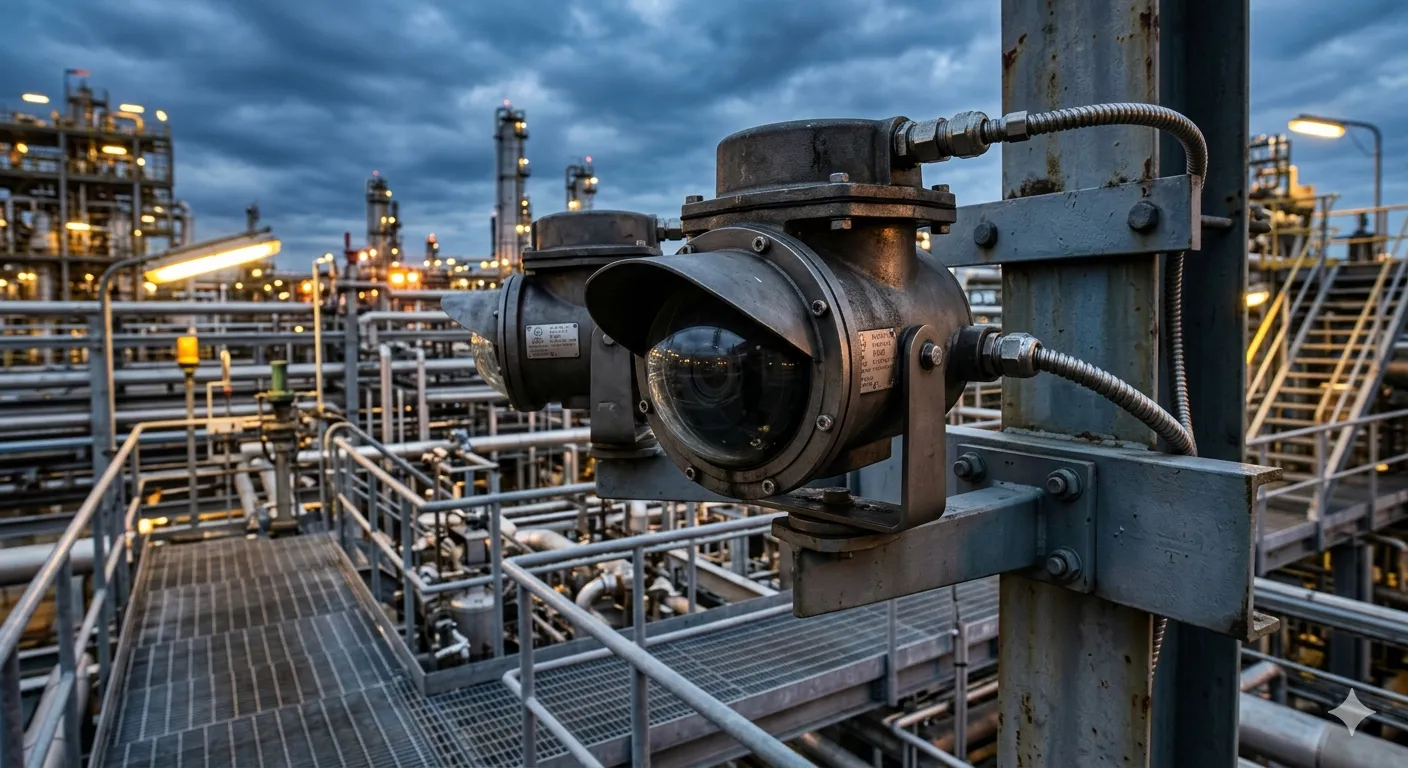

In 2023, industrial explosions and fires accounted for over 30% of total insured losses in the global energy sector — many of which occurred in facilities where monitoring gaps directly contributed to delayed incident response. If your oil or gas facility is still operating with standard surveillance equipment in classified hazardous zones, you are not just risking non-compliance. You are carrying a liability that no insurance policy will fully absorb.
The demand for purpose-built camera systems in explosive atmospheres is no longer a matter of best practice. For operations across the UAE and the broader Gulf region, it is a regulatory and commercial imperative.
What ATEX Classification Actually Means for Your Operations
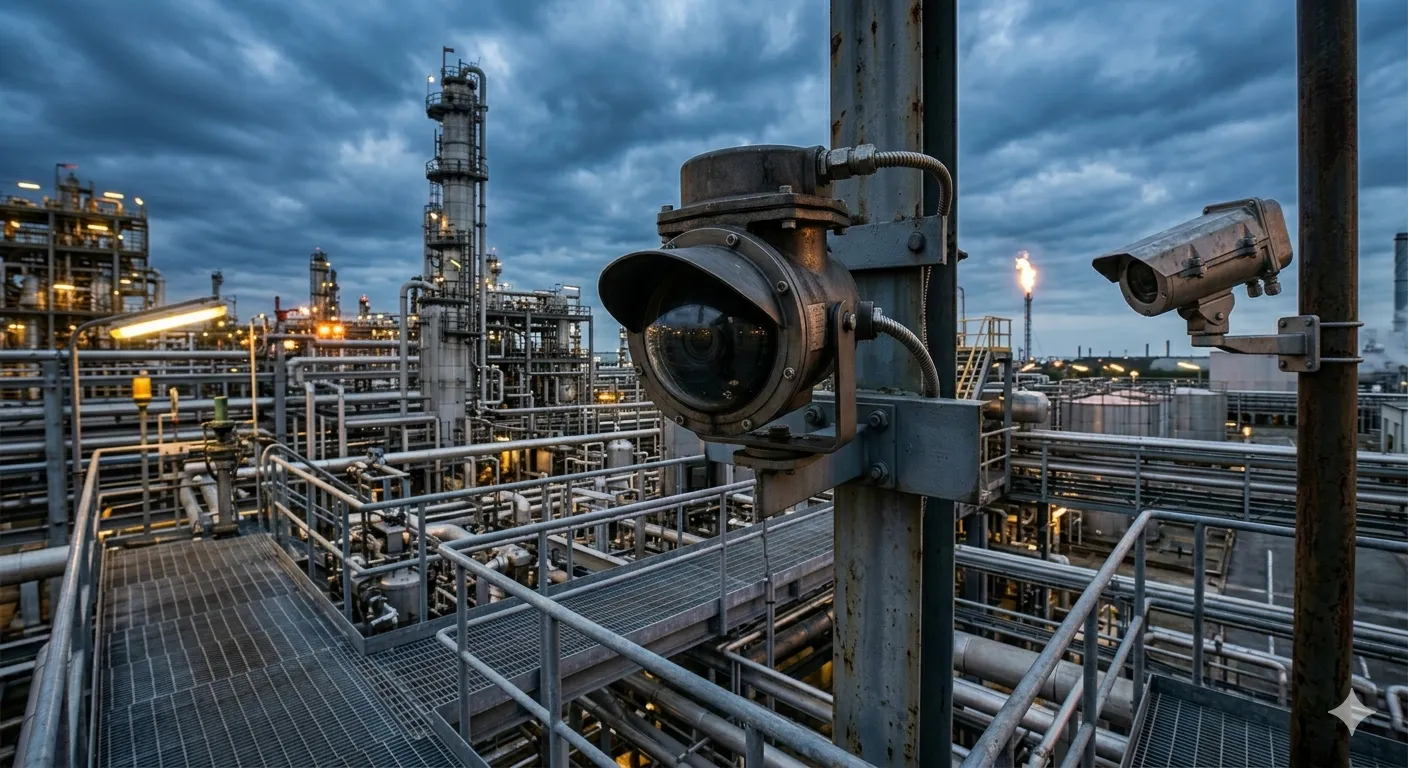
ATEX — derived from the French Atmosphères Explosibles — is the European directive governing equipment used in explosive atmospheres. In the UAE, facilities operating under international joint ventures or exporting to European markets are frequently held to ATEX standards alongside local HSE workplace safety regulations. DSEAR (the Dangerous Substances and Explosive Atmospheres Regulations) further codifies how hazardous zones must be managed and monitored.
Zone classification is the starting point. Your facility's hazardous areas are categorised by how frequently explosive concentrations of gas, vapour, or dust are present:
- Zone 0 / Zone 20 — Explosive atmosphere is continuously present
- Zone 1 / Zone 21 — Likely to occur periodically during normal operation
- Zone 2 / Zone 22 — Not likely under normal operation, but possible
Every piece of electrical equipment in these zones — including surveillance cameras — must be rated to match the zone's risk level. Deploying uncertified equipment is not an oversight. Under UAE HSE law and PUWER provisions adopted in international contracts, it constitutes a direct breach of duty.
The True Cost of Non-Compliant Surveillance
Standard industrial cameras generate heat and can produce sparks during fault conditions. In a Zone 1 environment — think offshore platforms, onshore refineries, or petrochemical storage facilities — that is enough to trigger ignition. The consequences extend well beyond physical damage.
Facilities found to be using non-certified equipment in classified zones face voided insurance claims, regulatory shutdowns, and in severe cases, criminal liability for management personnel. Insurers increasingly audit facility safety systems before underwriting, and a gap in your surveillance specification can result in dramatically higher premiums or outright refusal to cover explosive-risk zones.
Deploying ATEX-certified solutions is no longer just about passing an inspection — it directly shapes your risk profile and insurability.
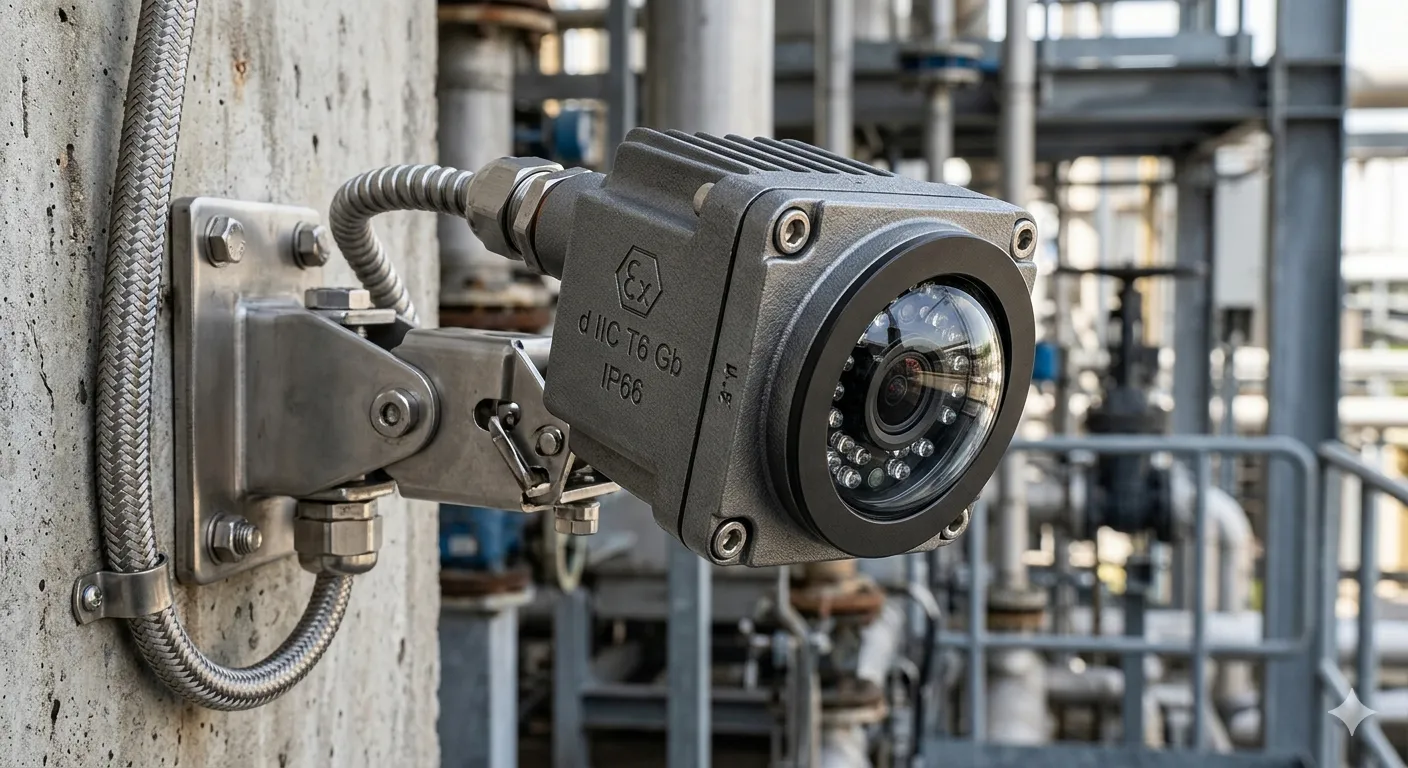
What Makes an Explosion-Proof Camera Different
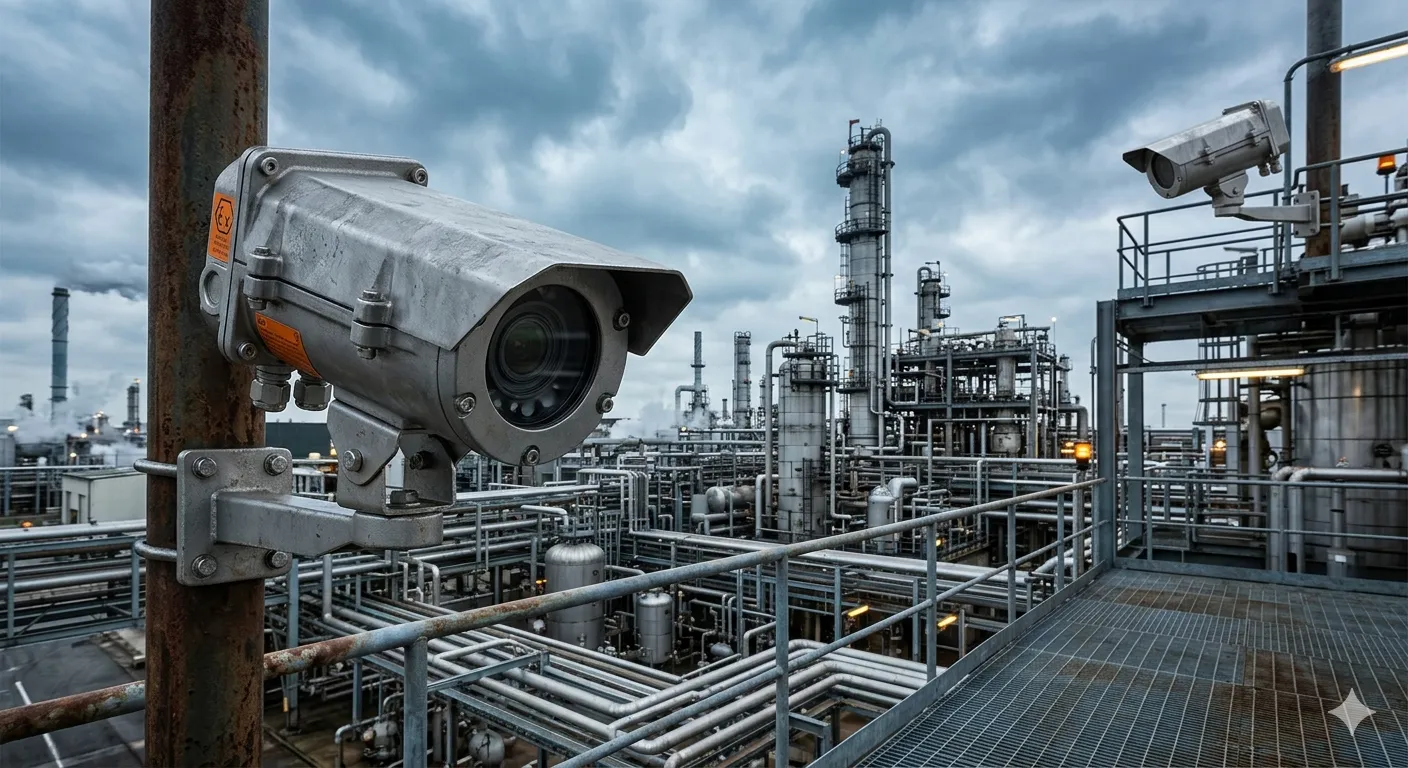
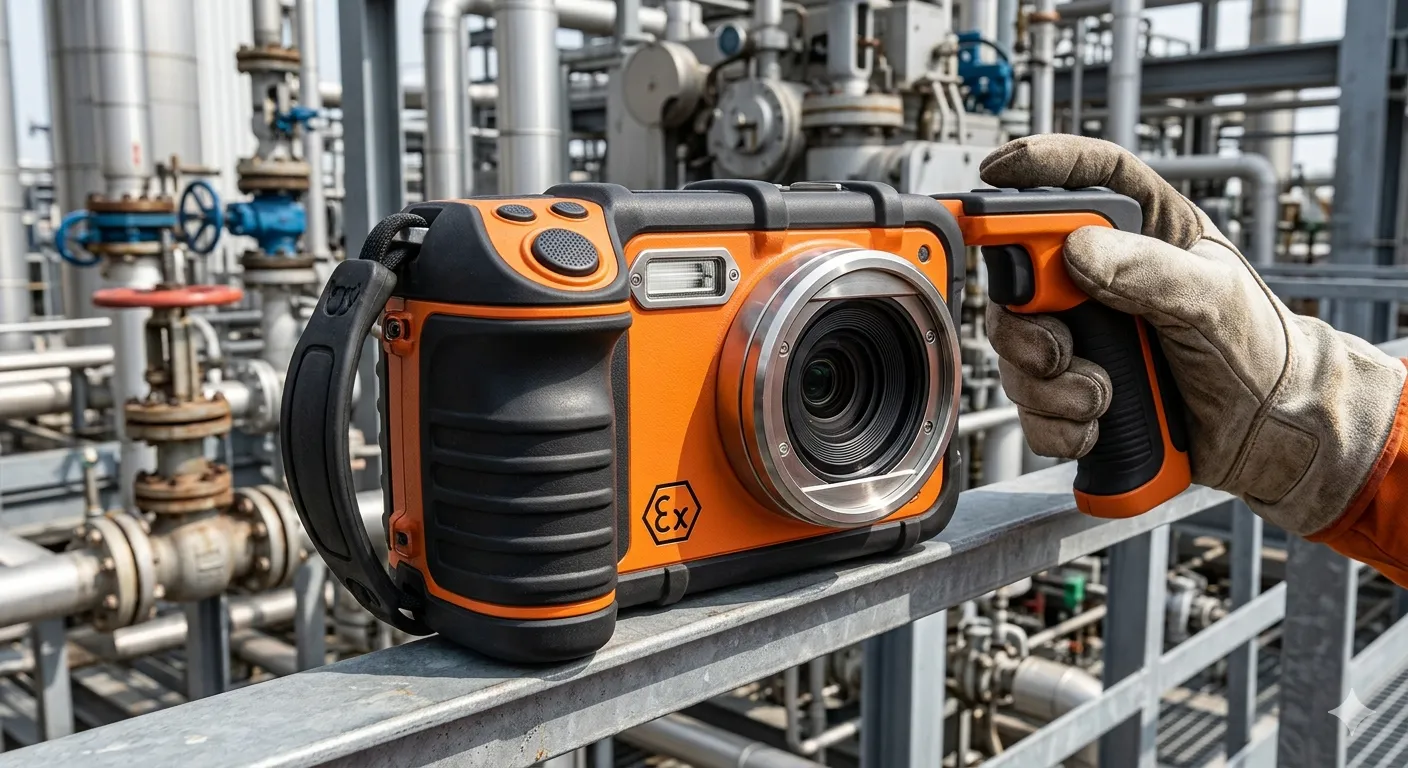
Explosion-proof CCTV cameras are engineered to contain any internal ignition within the housing itself, preventing it from propagating to the surrounding atmosphere. This is a fundamentally different design philosophy to weatherproof or ruggedised cameras, which address environmental ingress — not ignition risk.
When evaluating Ex-Proof CCTV Solutions for your facility, look for the following:
- ATEX and IECEx dual certification — Ensures the product meets both European and international standards
- IP66/IP67 or higher ingress protection — Critical for offshore and outdoor refinery installations
- Wide operating temperature range — Essential for UAE climate conditions, where ambient temperatures regularly exceed 45°C
- Infrared or low-light capability — Maintains visibility in poorly lit process areas without requiring additional lighting infrastructure
- PTZ functionality — Allows remote pan, tilt, and zoom operation, reducing the need for personnel to enter hazardous zones for manual inspection
Each of these specifications directly reduces operational risk. Fewer personnel in active hazardous zones means fewer potential casualties in the event of an incident.
Operationally, Compliance Pays
The business case for investing in an ATEX-certified explosion proof camera system extends well beyond avoiding fines. Continuous, certified surveillance enables your control room teams to monitor process anomalies in real time — often identifying precursors to incidents before they escalate. That capability shortens emergency response times, supports accurate post-incident investigation, and provides documented evidence of compliance during regulatory audits.
For UAE-based operators navigating both national HSE frameworks and international contractual obligations, documented surveillance coverage in classified zones is increasingly requested as part of HSE pre-qualification for major project tenders. Your surveillance infrastructure, in other words, has become a commercial asset.
Facilities that can demonstrate a fully certified, zone-appropriate ATEX-certified explosion proof camera solution across all classified areas are better positioned to win contracts, retain insurers, and protect their workforce simultaneously.
Looking Ahead
The oil and gas sector's regulatory landscape will only tighten. As insurers grow more sophisticated in their risk modelling and HSE authorities in the UAE and Saudi Arabia expand enforcement capacity, facilities that have already embedded certified safety infrastructure will carry a measurable competitive advantage. The question is not whether to upgrade your hazardous area surveillance — it is how quickly your facility can do so without disrupting operations. For those exploring certified providers across the region, this is a useful place to continue your research: Top 5 ATEX Certified Explosion Proof Camera Companies in Saudi Arabia



















Sign in to leave a comment.