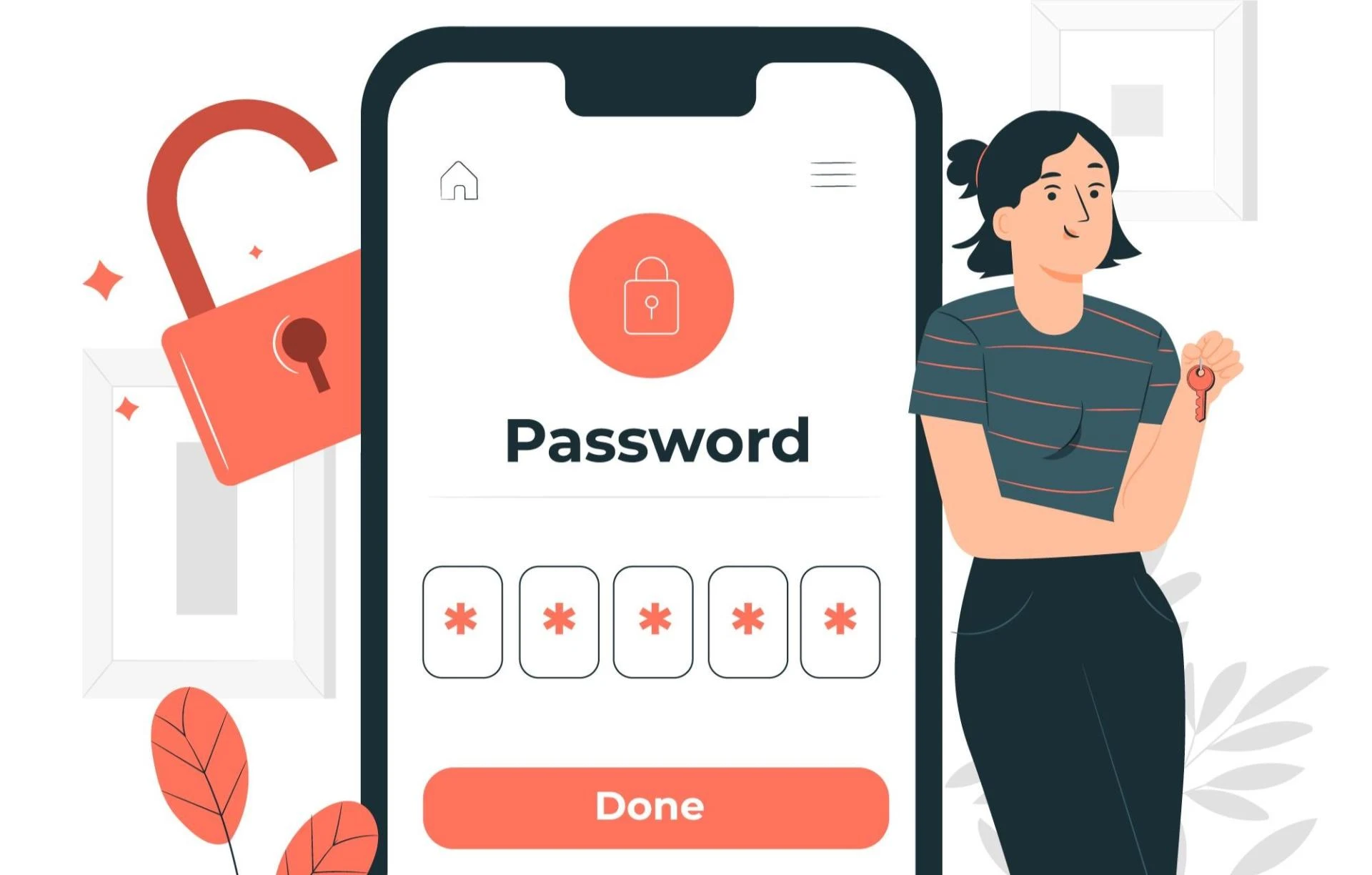

Authentication is the cornerstone of secure digital interactions, ensuring that only authorized individuals gain access to systems, data, and applications. With cyber threats becoming more sophisticated, businesses need robust authentication solutions to protect sensitive information while maintaining a seamless user experience. Let’s explore the world of authentication solutions and their impact on security and usability.
The Role of Authentication
Authentication validates the identity of a user or system attempting to access resources. It typically involves one or more factors, such as passwords, biometrics, or security tokens. The goal is simple: to confirm that the entity requesting access is who they claim to be.
Types of Authentication Solutions
- Single-Factor Authentication (SFA): The most basic form of authentication, SFA relies on a single factor, such as a password. While straightforward, it is highly vulnerable to breaches, as passwords can be guessed, stolen, or hacked.
- Multi-Factor Authentication (MFA): MFA combines two or more authentication factors, such as something the user knows (password), something they have (OTP or security token), and something they are (biometrics). This layered approach significantly reduces the risk of unauthorized access.
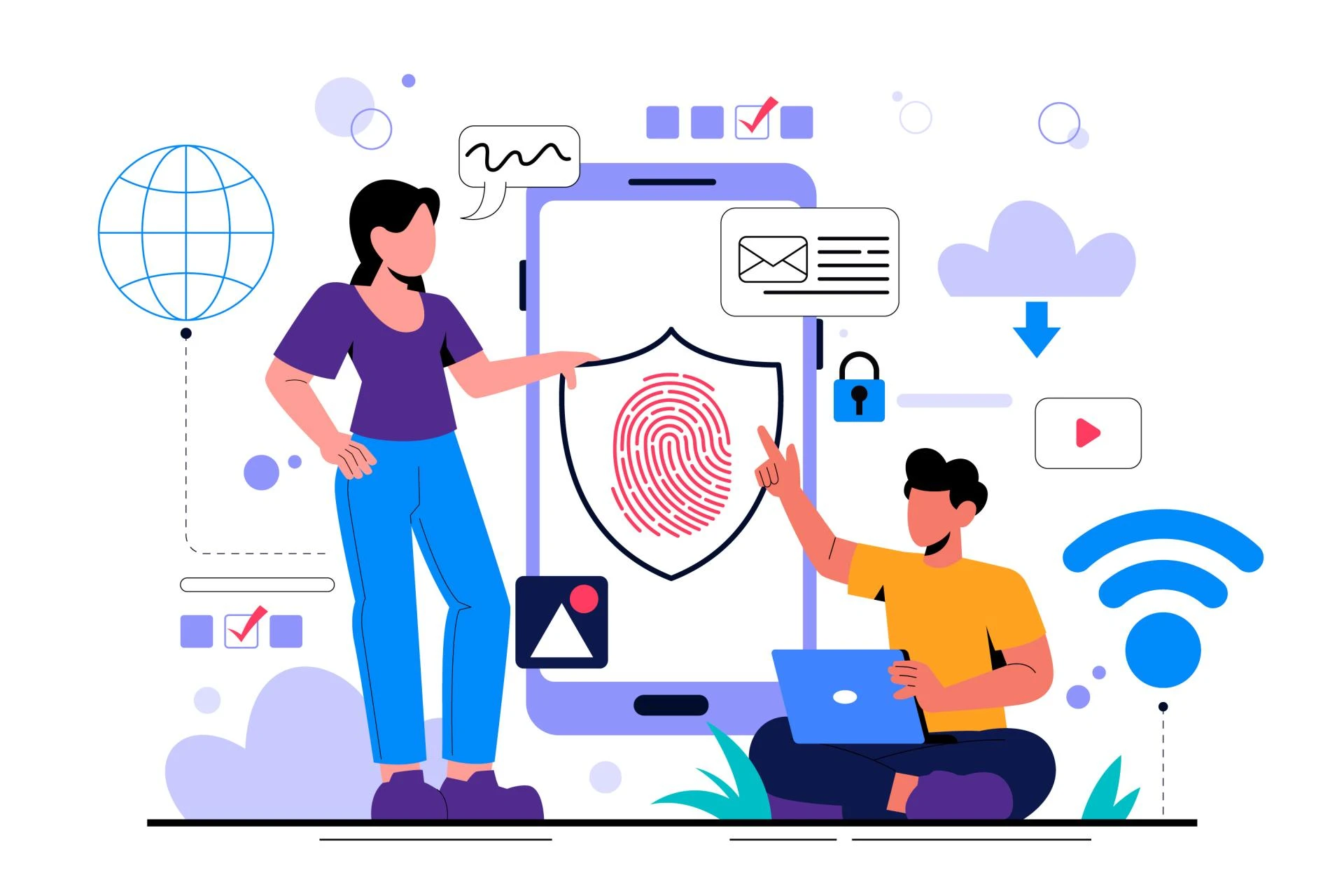
- Biometric Authentication: This method uses unique physical traits like fingerprints, facial recognition, or iris scans. Biometrics are hard to forge, making them a reliable option for secure access.
- Passwordless Authentication: This solution eliminates passwords altogether, leveraging methods like biometrics, magic links, or hardware tokens. Passwordless systems enhance both security and user convenience by removing a common attack vector.
- Federated Identity Management: Federated identity allows users to access multiple systems with a single set of credentials. Solutions like Single Sign-On (SSO) simplify login processes and improve user experience while maintaining security.
- Adaptive Authentication: This approach adjusts the authentication requirements based on contextual factors like device, location, or user behavior. For example, a user accessing their account from a new location might be prompted for additional verification.
Benefits of Advanced Authentication Solutions
- Enhanced Security: Solutions like MFA and adaptive authentication offer multiple layers of defense against unauthorized access.
- Improved User Experience: Technologies like SSO and passwordless authentication streamline login processes, reducing friction for users.
- Regulatory Compliance: Many industries require robust authentication measures to comply with data protection regulations.
- Scalability: Modern authentication solutions can scale to accommodate growing organizations and increasingly complex security needs.
Choosing the Right Solution
The choice of an authentication solution depends on factors such as organizational needs, regulatory requirements, and user preferences. For example, financial institutions may prioritize multi-layered security with MFA, while e-commerce platforms might focus on passwordless options to enhance customer satisfaction.
The Future of Authentication
As threats evolve, so do authentication technologies. The future lies in intelligent, adaptive systems that balance security and usability. Emerging technologies like FIDO2, behavioral biometrics, and decentralized identity solutions promise to redefine how we think about authentication.
In conclusion, effective authentication solutions are essential for safeguarding digital ecosystems while providing users with a seamless experience. By adopting advanced technologies, businesses can stay ahead of threats and foster trust in their systems.
























Sign in to leave a comment.