
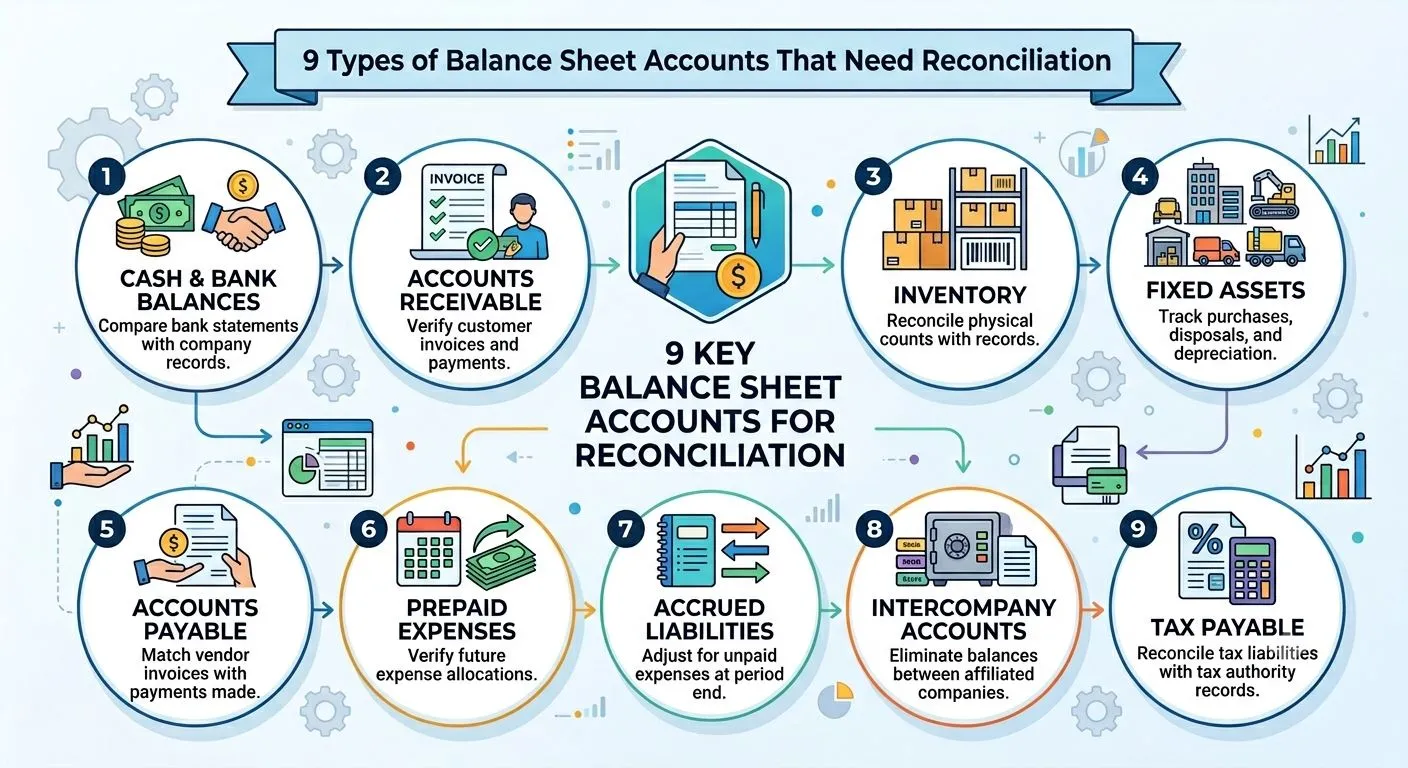
Balance sheet accounts can carry forward errors, unsupported balances, and unresolved differences if left unreconciled. This guide explains the nine balance she…
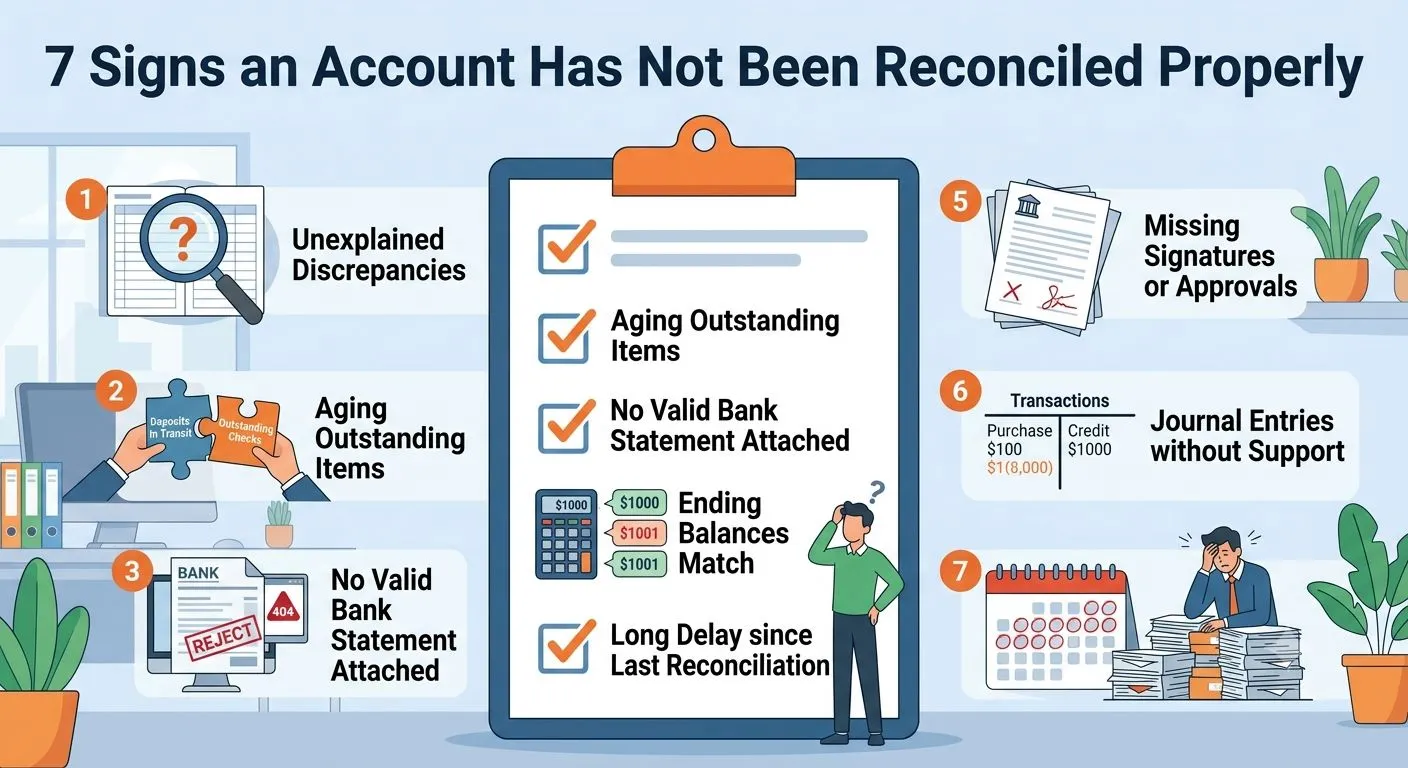
An account may appear balanced while still containing hidden errors, unsupported adjustments, or unresolved differences. Learn the seven warning signs of poor a…

Differences between the subledger and general ledger can lead to reporting errors, delayed financial close, and audit concerns if left unresolved. This guide ex…
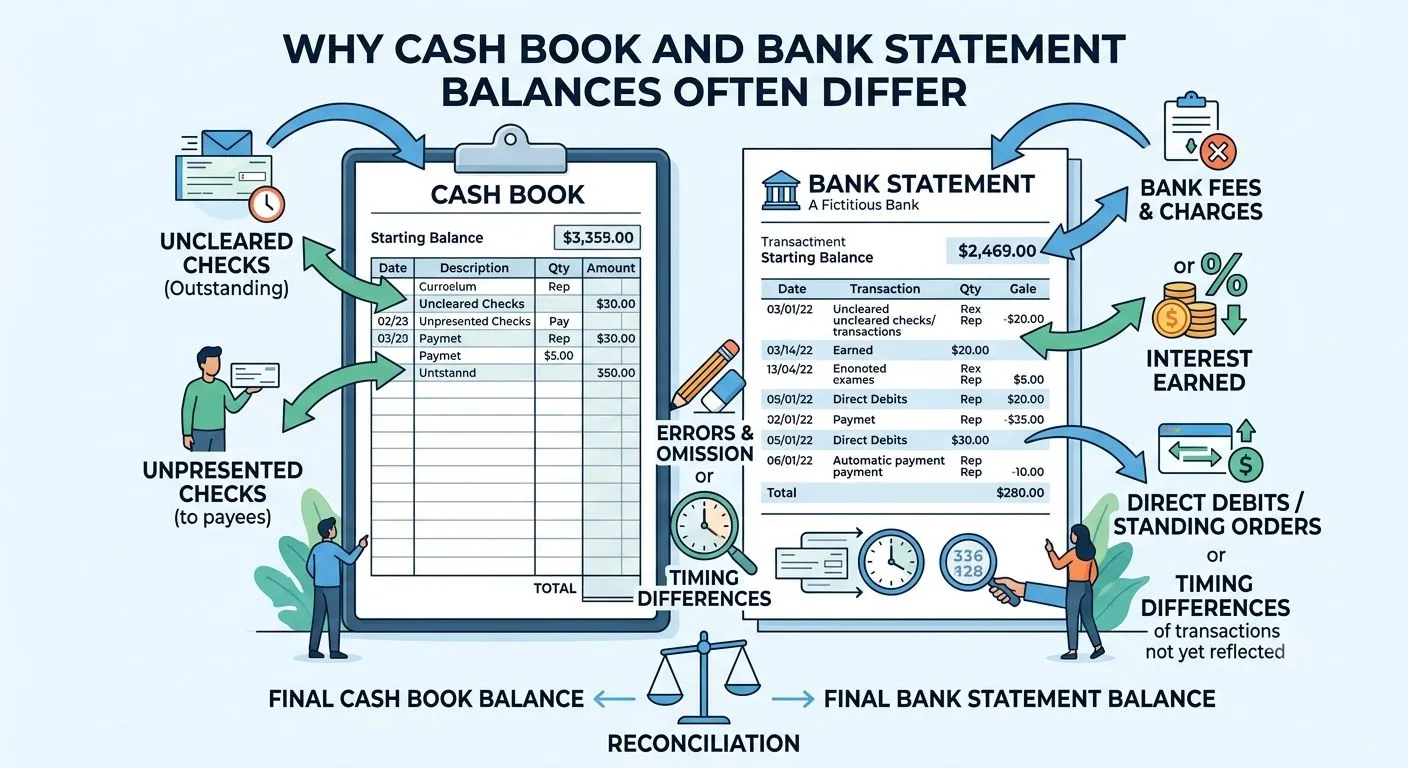
Cash book and bank statement balances rarely match exactly on the same date. Learn the most common reasons for these differences, how to distinguish timing diff…
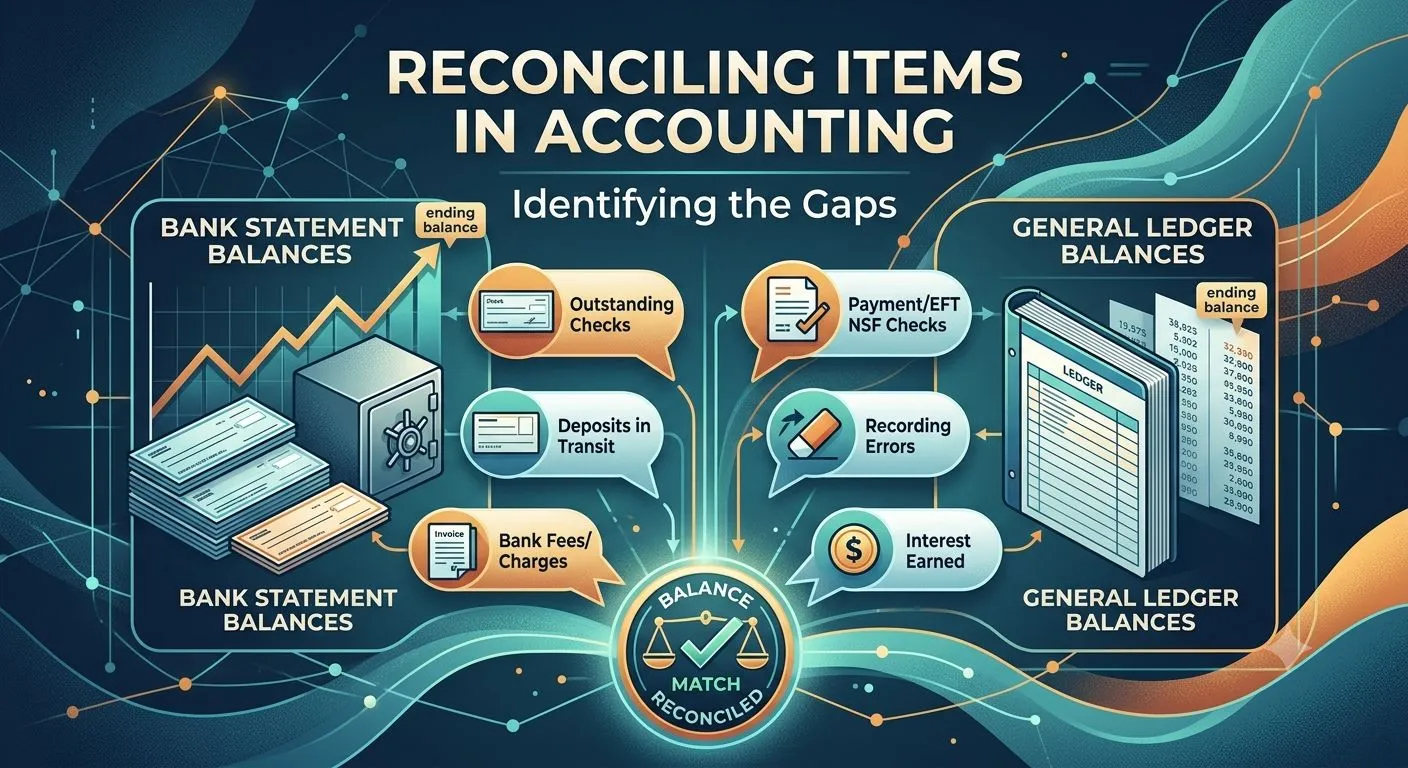
Reconciling items explain why financial records do not match during account reconciliation. Learn the most common examples, why they occur, how to investigate t…

Learn how to reconcile accounts receivable with the general ledger using a step-by-step process. Understand common reconciliation differences, supporting docume…
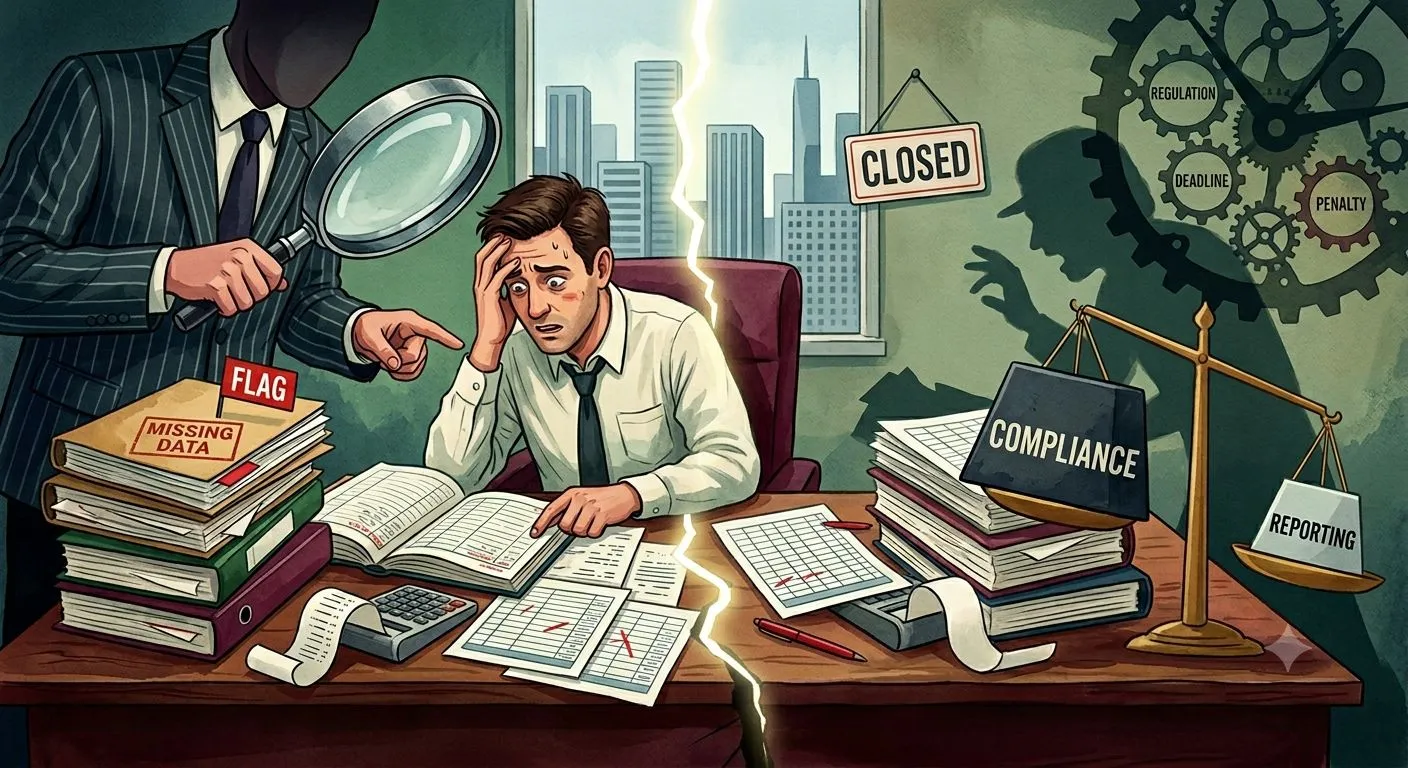
Manual financial reporting increases audit and compliance risk when report values, approvals, adjustments, and source evidence are managed through spreadsheets …
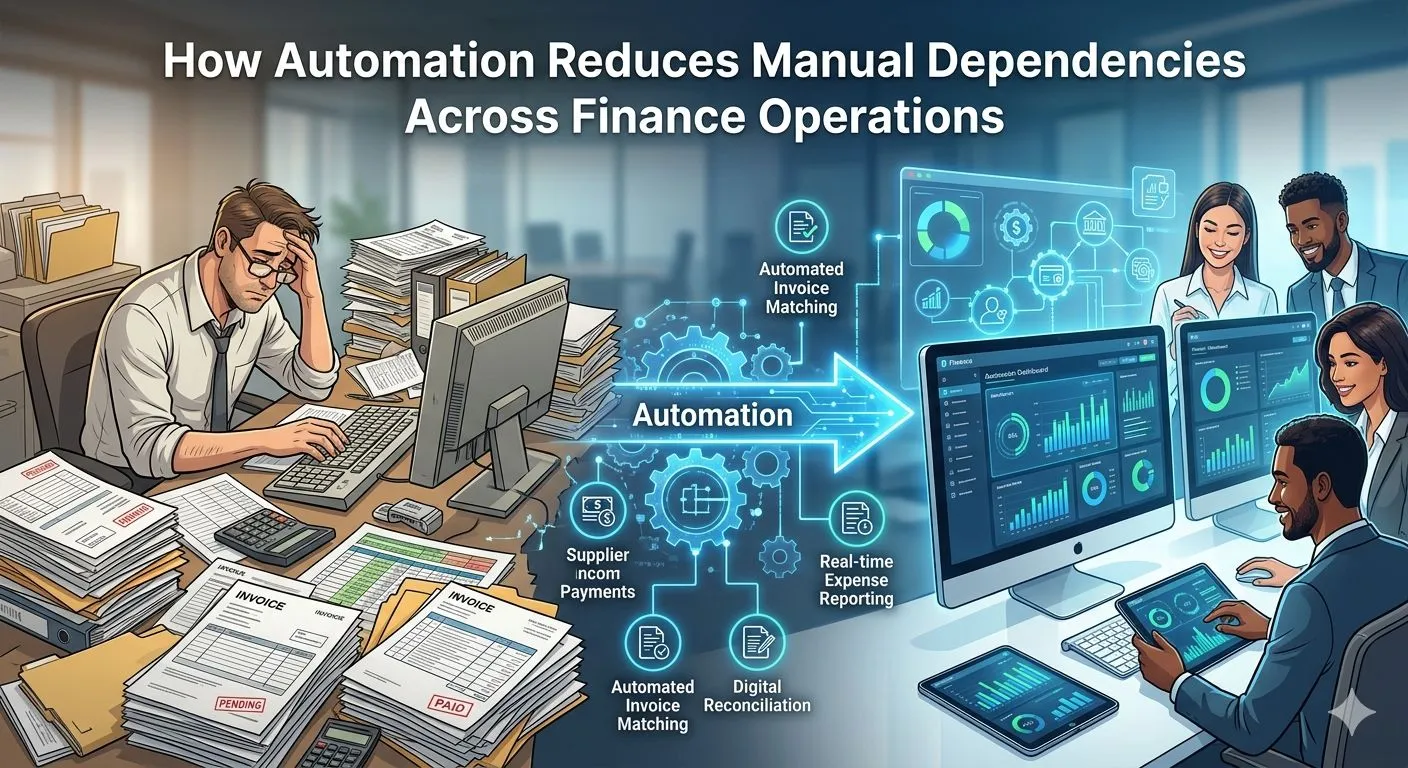
Automation reduces manual dependencies across finance operations by improving data capture, validation, exception routing, approvals, reporting, and source trac…
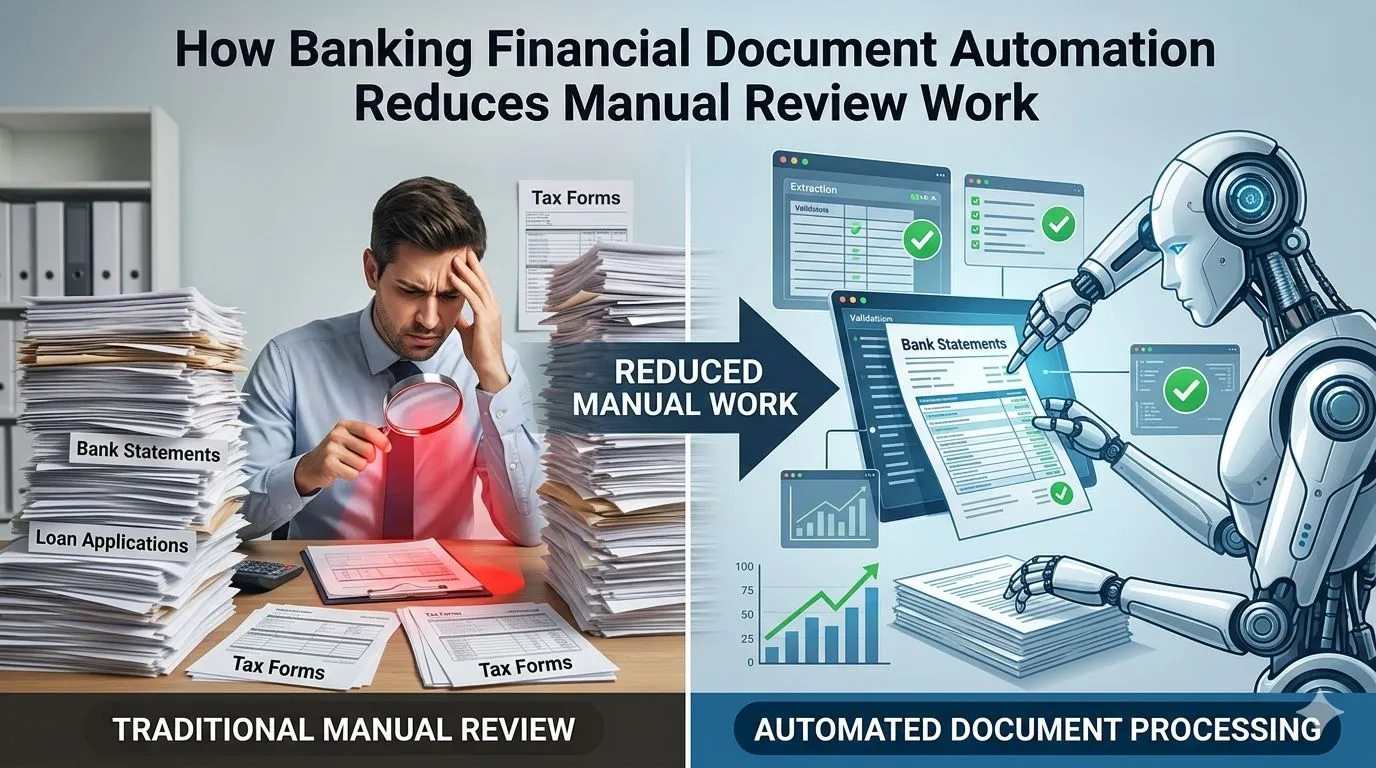
Banking financial document automation reduces manual review by capturing data, validating fields, routing exceptions, and keeping source links clear across onbo…

Manual finance processes create hidden gaps in reporting, reconciliation, audit readiness, and risk control. This article explains where those gaps appear and h…

A practical financial statement spreading checklist for banks and lenders to review borrower statements, map line items, validate ratios, reduce errors, and sup…