Access to clean water is essential for everyday life, yet many people overlook the systems that keep it safe. Maintaining water quality requires proper safeguards, and one of the most critical is backflow prevention. A backflow inspection ensures that contaminated water does not reverse direction and enter your clean water supply. Whether you’re a homeowner or a business owner, understanding this process can help you maintain safety, meet legal requirements, and prevent expensive damage.
Understanding Backflow
Backflow refers to the unintended reversal of water flow within a plumbing system. Under normal conditions, water travels from the main supply into your property. However, sudden pressure changes can cause water to flow backward, potentially carrying contaminants into the clean supply.
This issue generally occurs in two ways:
- Backpressure: When pressure inside the system becomes higher than the incoming supply, forcing water to move in reverse.
- Backsiphonage: When a drop in supply pressure creates suction, pulling water back into the system.
If not controlled, backflow can introduce harmful elements such as chemicals, bacteria, and debris into drinking water.
What Does a Backflow Inspection Involve?
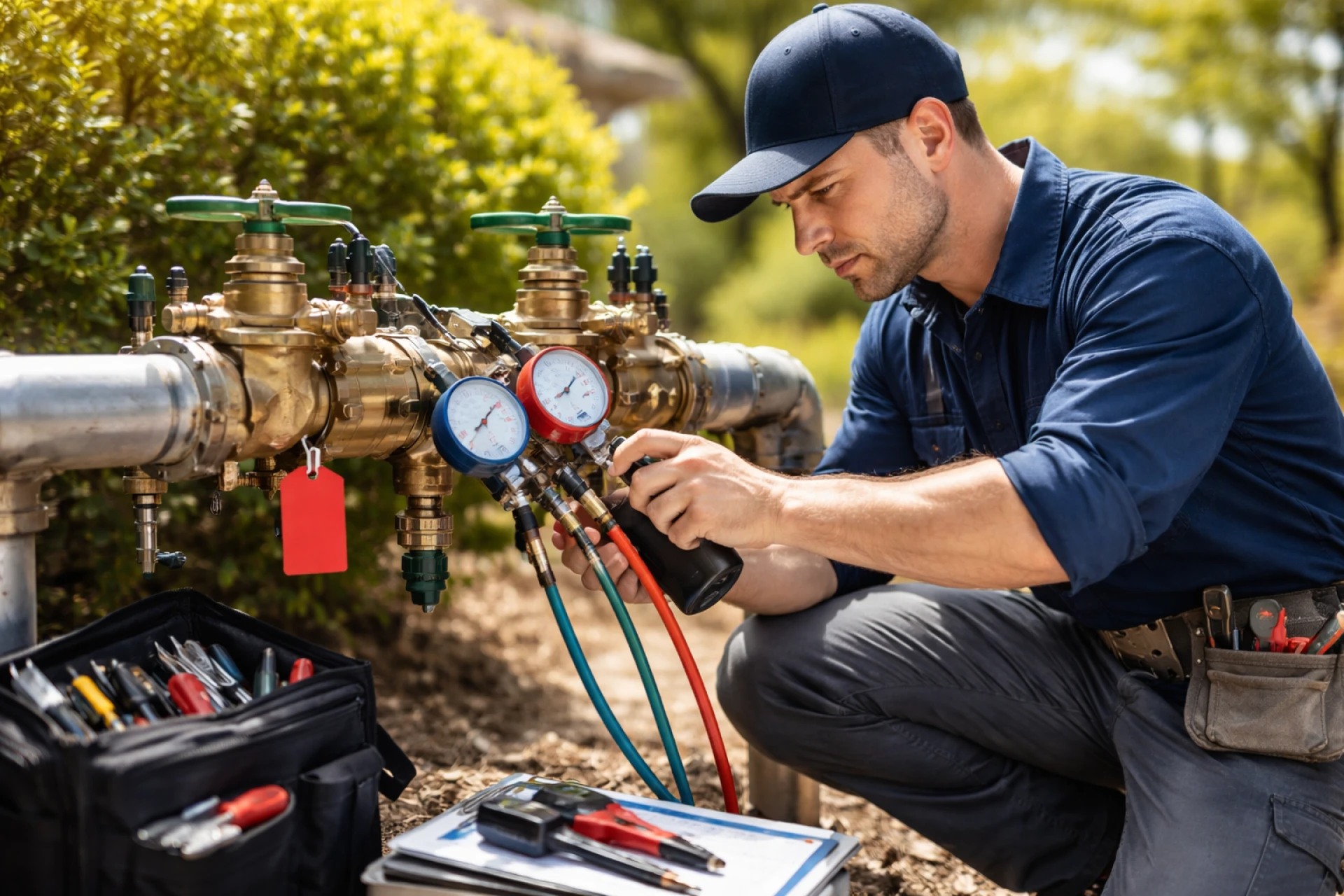
A backflow inspection is a detailed check of a backflow prevention device to confirm it is operating correctly. These devices are designed to block contaminated water from flowing backward, but over time, they can wear out or malfunction.
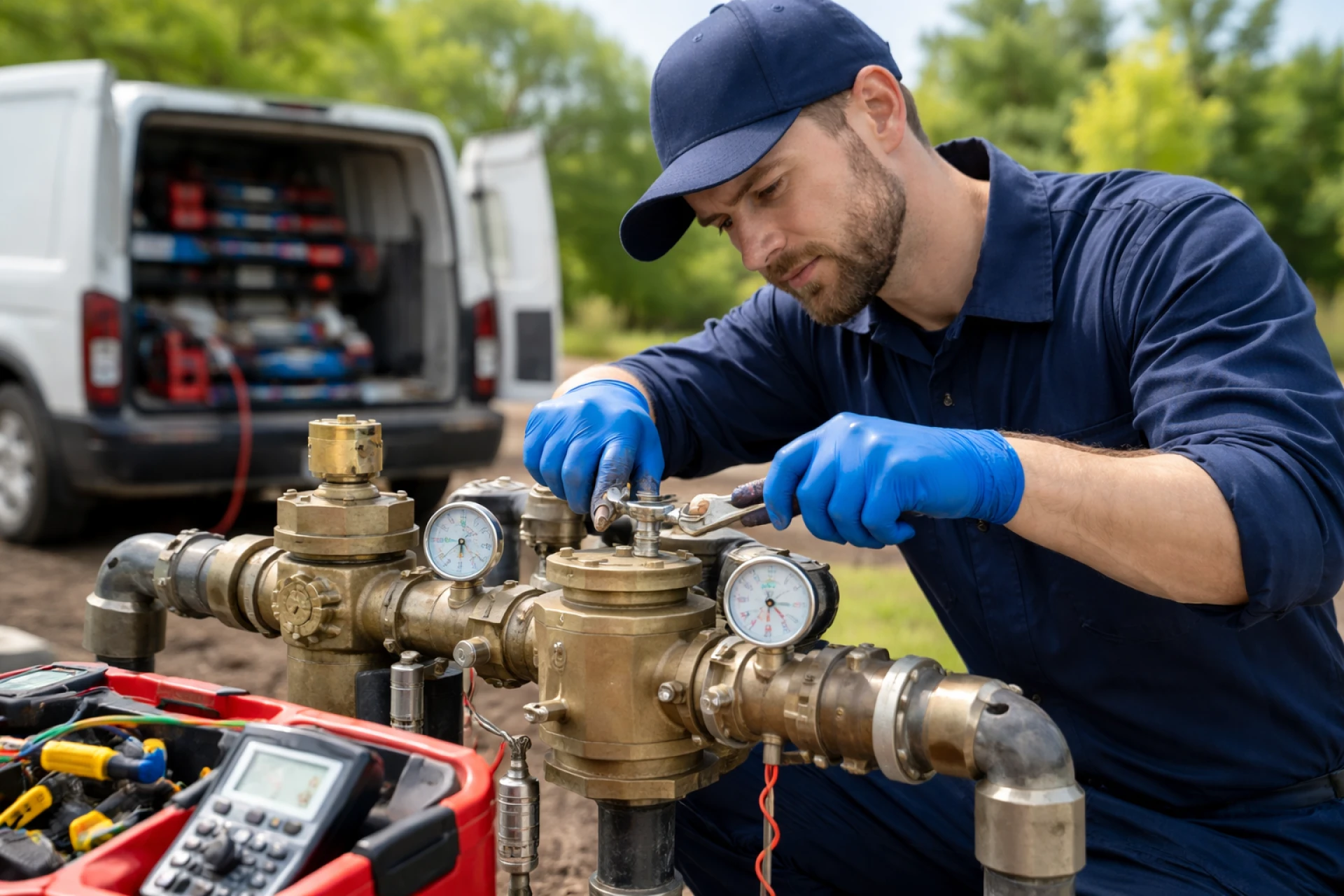
During an inspection, a trained technician uses specialized tools to test the device. Components such as valves, seals, and pressure levels are carefully evaluated. If any faults are detected, immediate repairs or replacements may be advised to restore proper function.
Why Backflow Inspection Is Essential
Safeguards Health
The main goal of a backflow inspection is to keep drinking water free from contamination. Without regular testing, harmful substances could enter the water supply and create serious health concerns.
Meets Legal Requirements
In many areas, routine backflow testing is mandatory, particularly for commercial properties and systems connected to irrigation or fire protection. Ignoring these requirements may lead to penalties or disruptions in service.
Avoids Expensive Damage
Routine inspections help catch minor issues before they become major problems. Addressing small faults early can save significant repair costs in the future.
Supports System Performance
A properly maintained backflow preventer helps maintain steady water pressure and efficient system operation throughout your property.
How Often Should Inspections Be Scheduled?
Inspection frequency depends on local regulations and the type of plumbing system in place. In most situations, annual testing is recommended or required. However, systems in high-risk environments—such as industrial or commercial facilities—may need more frequent checks.
Homeowners with irrigation setups, pools, or fire sprinkler systems should also arrange regular inspections to ensure ongoing protection.
Steps in a Backflow Inspection
A standard inspection typically includes:
- Initial Check: Inspecting the device for visible damage, leaks, or corrosion.
- Valve Testing: Ensuring shutoff valves function properly to prevent reverse flow.
- Pressure Analysis: Measuring pressure levels using specialized instruments.
- Component Testing: Verifying that internal valves operate correctly.
- Inspection Report: Providing a summary of findings along with recommendations for repairs if needed.
Though the process is usually quick, it is thorough enough to detect any potential risks.
Warning Signs That Indicate an Inspection Is Needed
Even if you follow a routine schedule, certain signs may signal an urgent need for a backflow inspection:
- Water that appears discolored or has an unusual odor
- Sudden drops or fluctuations in water pressure
- Leaks around the backflow device
- Recent plumbing modifications or repairs
- Construction work nearby that could impact water pressure
If any of these issues arise, it’s important to arrange an inspection as soon as possible.
Who Should Consider Backflow Inspection?
Backflow inspections are beneficial for many types of properties, including:
- Homeowners with lawn irrigation or sprinkler systems
- Businesses such as restaurants, offices, and retail stores
- Industrial sites that use chemicals or specialized equipment
- Public buildings like schools and healthcare facilities
In general, any property connected to a municipal water supply should prioritize regular inspections.
Selecting a Qualified Backflow Inspector
Choosing the right professional is key to ensuring accurate results and compliance. When hiring a backflow inspector, consider:
- Proper certification and licensing
- Relevant experience with your system type
- Use of up-to-date testing tools
- Clear and upfront pricing
- Positive feedback from previous clients
An experienced inspector will not only test your system but also guide you on maintaining its performance.
Advantages of Routine Backflow Inspections
Consistent inspections offer several long-term benefits:
- Safer and cleaner drinking water
- Reduced likelihood of contamination
- Compliance with local laws and regulations
- Lower repair and maintenance expenses
- Enhanced property reliability and value
Staying proactive helps prevent emergencies and keeps your plumbing system in top condition.
Final Thoughts
A backflow inspection is a crucial step in protecting your water system from contamination and inefficiency. It ensures compliance with safety standards while helping you avoid costly repairs. Whether for a home or a business, scheduling regular inspections is a smart investment in long-term safety and peace of mind.
Taking action today can help secure your water quality and prevent problems before they arise. For more details visit our website: https://nationaleconomyplumber.com/backflow-prevention-services/















Sign in to leave a comment.