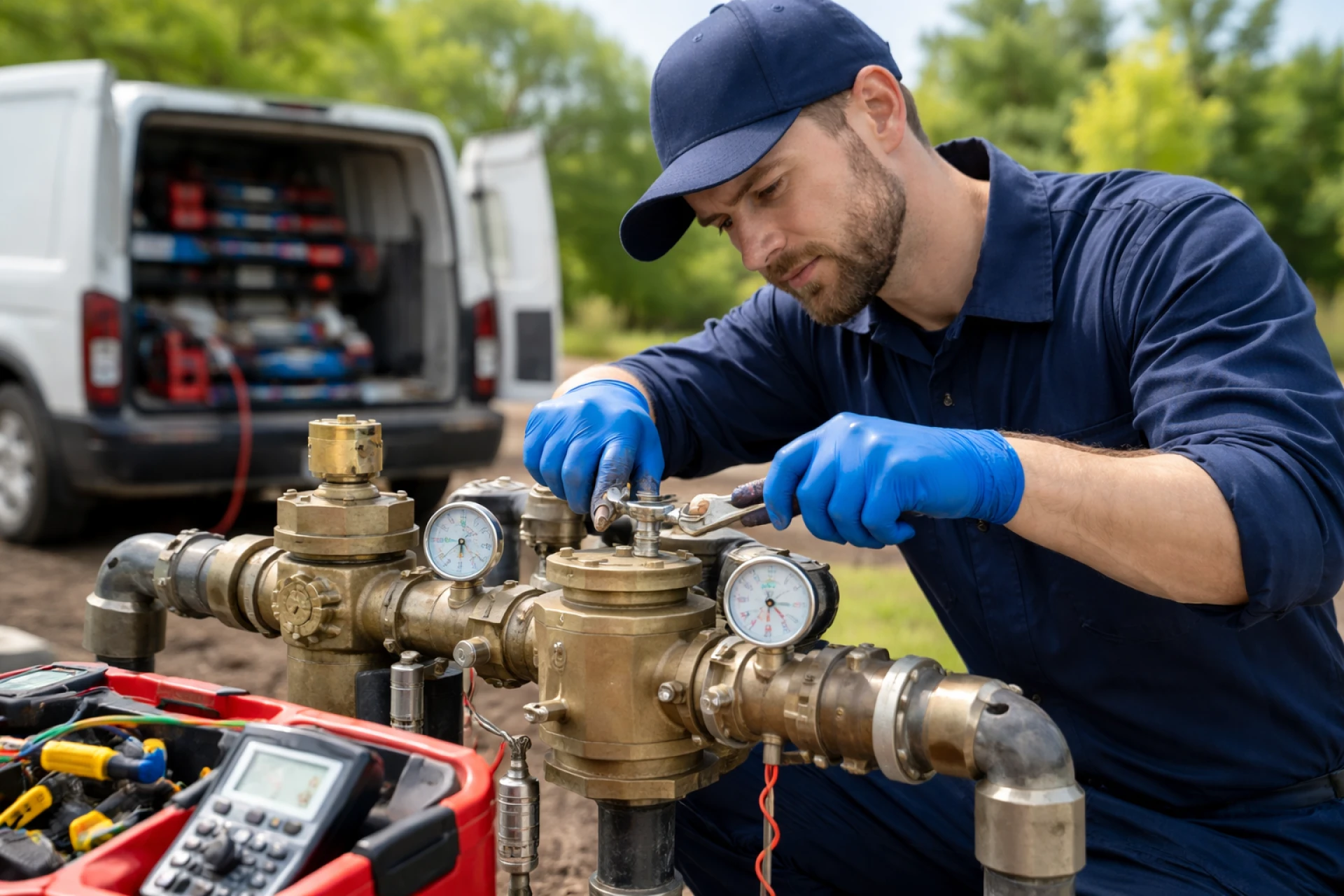
Access to clean, safe water is essential for every home and business. From cooking and cleaning to industrial operations, we rely on uncontaminated water every single day. One critical yet often unnoticed component that helps maintain water quality is the backflow preventor. This device plays a key role in stopping polluted water from entering the potable water system and helps properties stay compliant with plumbing regulations.
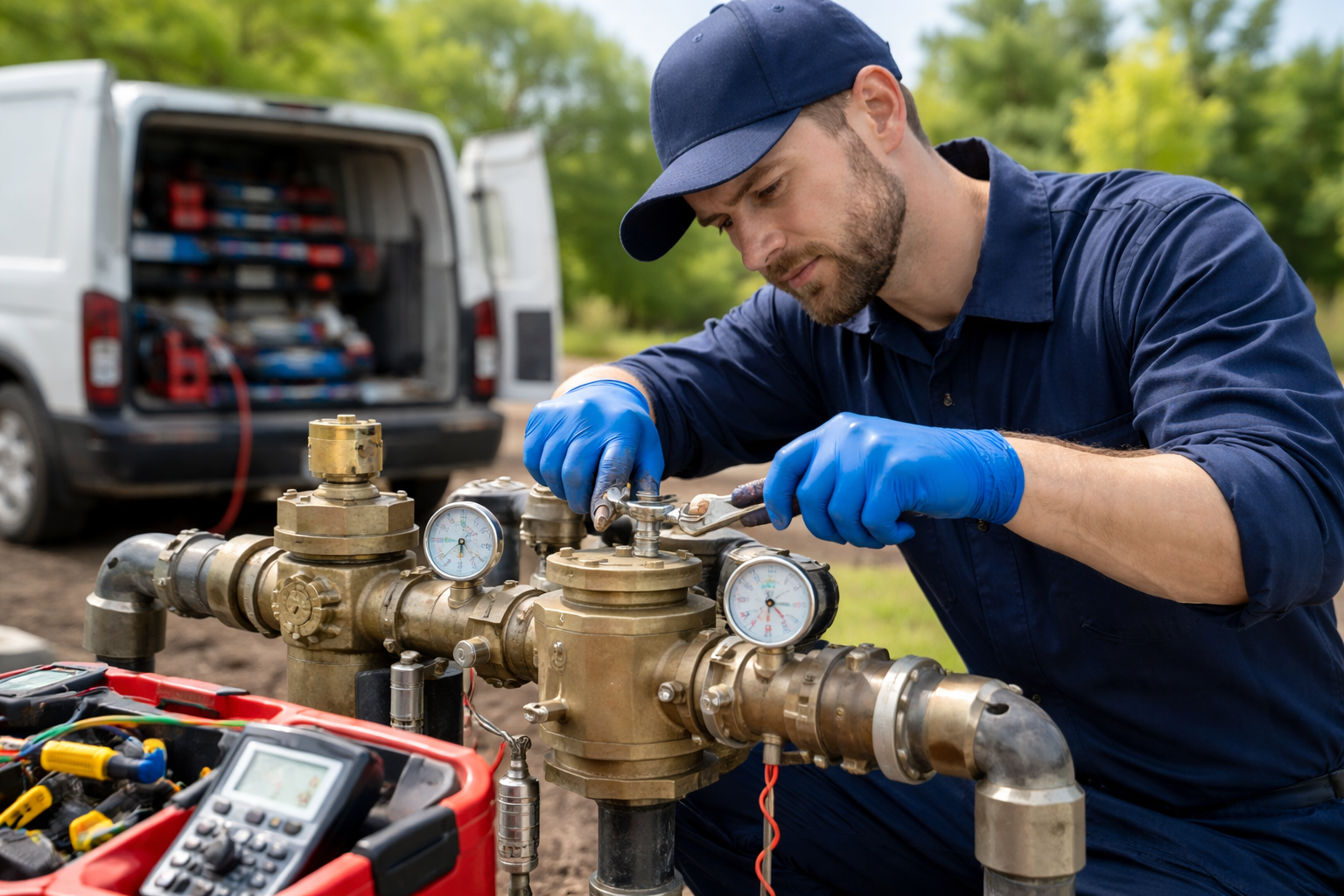
In this detailed guide, we’ll explain what a backflow preventor does, why it’s necessary, how it functions, and why ongoing maintenance is so important.
What Is a Backflow Preventor ?
A backflow preventor is a specialized plumbing device designed to ensure that water flows in only one direction—into your property. Under normal circumstances, water travels from the municipal supply through your plumbing system. However, if pressure changes occur, water can sometimes reverse direction. When that happens, contaminants may enter the clean water line.
This device automatically blocks reverse flow, acting as a protective barrier between potentially contaminated water and your drinking supply.
How Backflow Happens
Understanding the causes of backflow highlights why prevention is essential. There are two main situations where reverse flow can occur:
Backpressure
Backpressure develops when the pressure inside your plumbing system exceeds the pressure from the public water supply. This is common in properties that use pumps, boilers, or certain industrial equipment. When downstream pressure becomes stronger, water can push backward into the main supply.
Backsiphonage
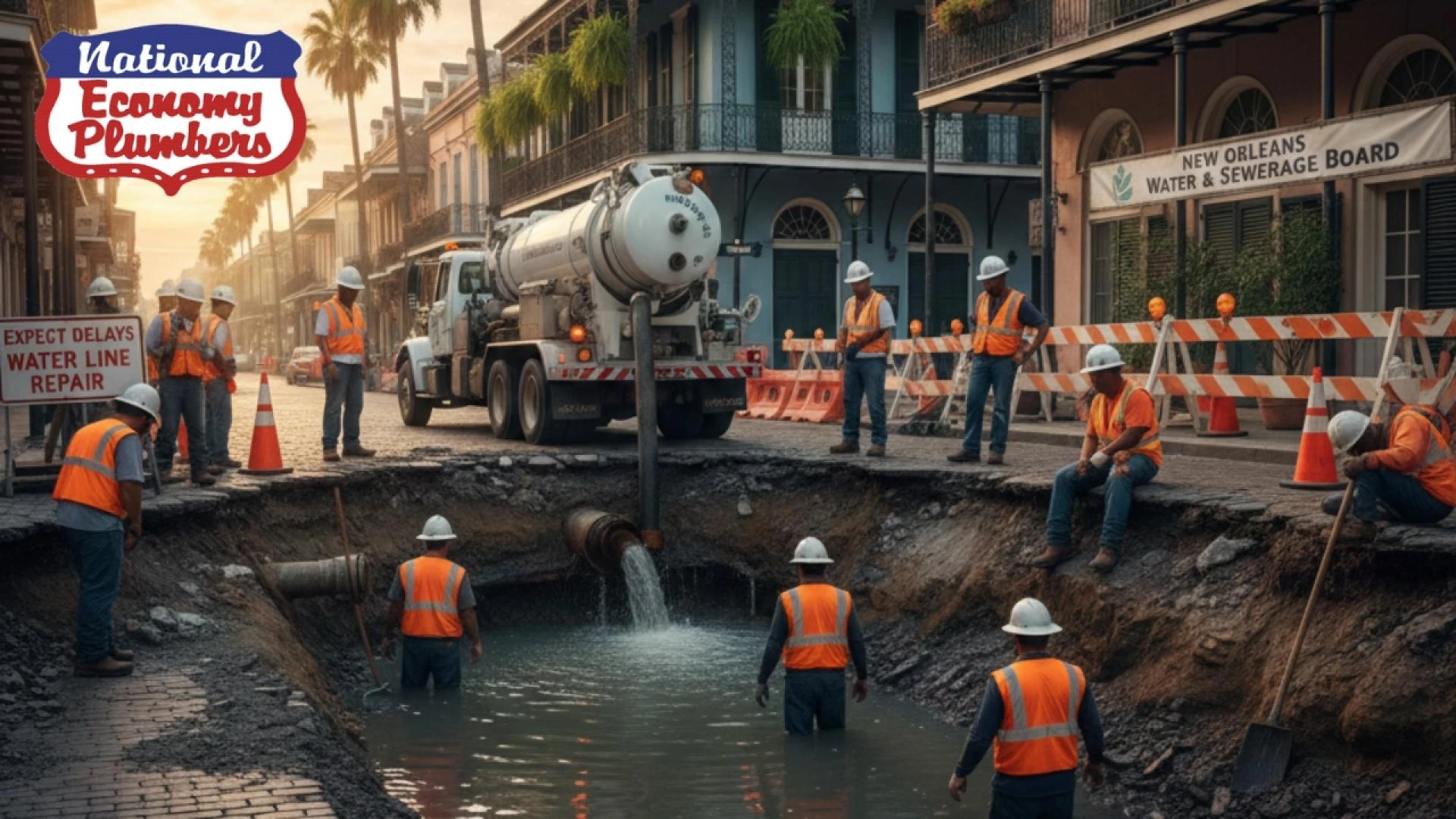
Backsiphonage happens when there is a sudden drop in municipal water pressure. This can occur due to a water main break or heavy demand from fire hydrants. The sudden pressure loss creates a vacuum effect that can draw contaminated water into clean supply lines.
Without proper protection, both situations can pose serious health risks.
Why Installing a Backflow Preventor Matters
A properly functioning backflow preventor provides several significant advantages:
Health Protection
The primary purpose of this device is to stop contaminated water from mixing with drinking water. This protects households, employees, customers, and communities from potential health hazards.
Regulatory Compliance
Many local and state authorities require backflow prevention devices in residential and commercial systems. Annual inspections are often mandated to ensure proper operation.
Financial Protection
Water contamination incidents can result in expensive plumbing repairs, fines, and liability concerns. A maintained preventor reduces these risks substantially.
Protection for Specialized Systems
Irrigation systems, fire sprinkler systems, and commercial equipment create higher contamination risks. Backflow prevention devices are especially important in these settings.
Common Types of Backflow Preventors
Different environments require different levels of protection. The most frequently used assemblies include:
Double Check Valve Assembly (DCVA)
This device contains two internal check valves that prevent reverse flow. It is commonly used in residential properties and low-hazard commercial applications.
Reduced Pressure Zone (RPZ) Assembly
Designed for higher-risk settings, the RPZ assembly includes a relief valve that provides enhanced protection. It is often installed in medical, industrial, and commercial facilities.
Pressure Vacuum Breaker (PVB)
Frequently used in irrigation systems, this device prevents backsiphonage but may not be suitable for high-risk contamination situations.
The appropriate choice depends on risk level and local plumbing codes.
Where Backflow Preventors Are Installed
These devices are commonly found in:
- Residential irrigation systems
- Commercial office buildings
- Restaurants and food preparation facilities
- Healthcare facilities and laboratories
- Multi-family housing complexes
- Fire sprinkler systems
Any property with cross-connections to a municipal water supply may require backflow prevention.
Warning Signs of a Failing Device
Although backflow preventors are built for durability, they can wear out over time. Signs that service may be needed include:
- Visible leaks around the assembly
- Vibrating or unusual noises
- Reduced water pressure
- Rust-colored or discolored water
- Failure during required annual testing
Prompt professional evaluation is recommended if any of these issues arise.
Why Annual Testing Is Essential
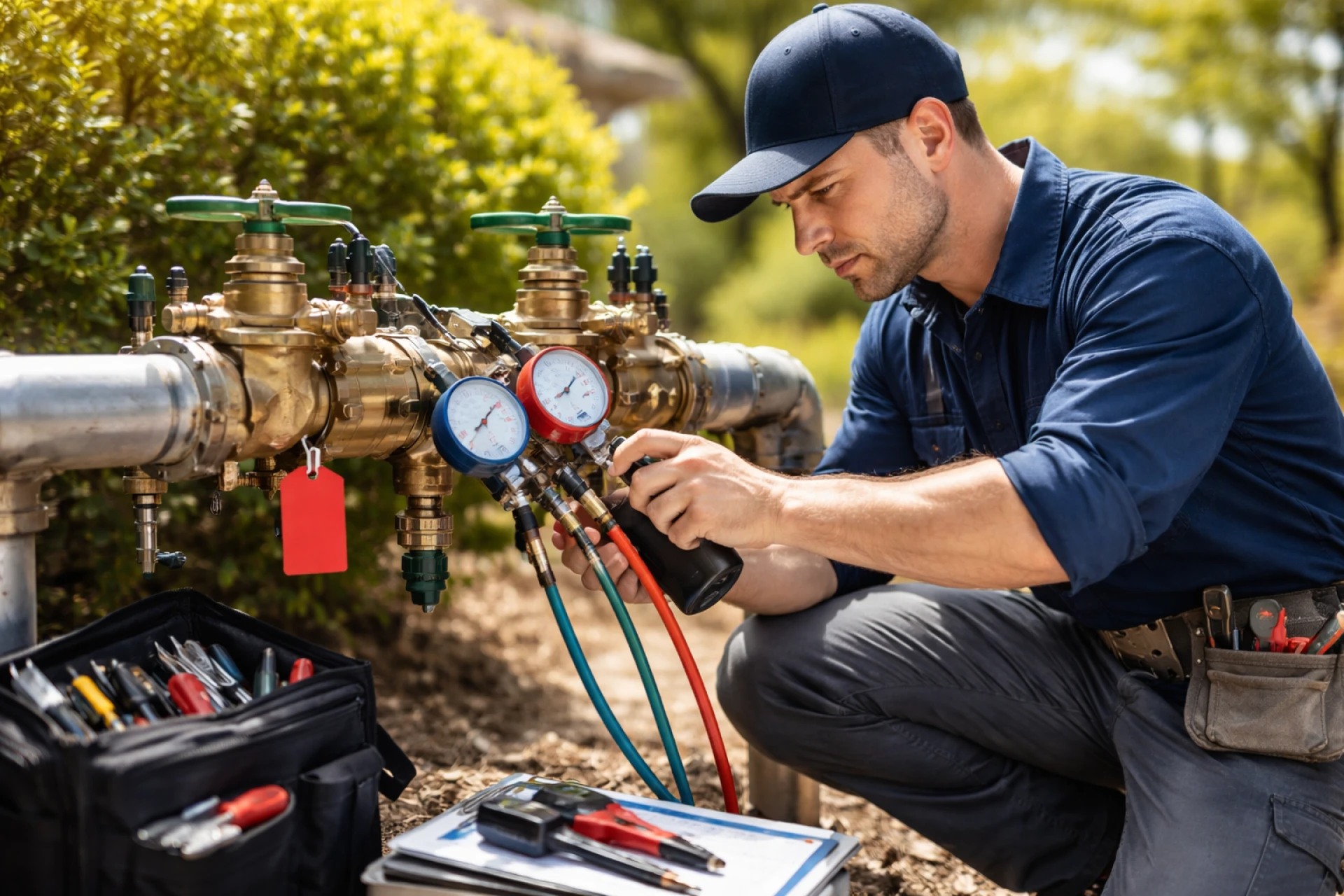
In many areas, certified annual testing is required by law. During an inspection, a trained technician uses calibrated gauges to measure pressure levels and verify that internal components are functioning correctly.
Routine testing helps:
- Ensure regulatory compliance
- Identify small issues before they become major problems
- Maintain safe drinking water standards
- Extend the overall life of the assembly
Skipping required inspections can result in penalties or service disruption.
Maintenance Best Practices
Taking care of your backflow preventor can significantly extend its lifespan. Consider the following:
Schedule Yearly Inspections
Regular professional evaluations confirm that the device operates as intended.
Protect Against Freezing
In colder climates, insulation or protective enclosures help prevent freeze damage.
Keep the Area Accessible
Avoid placing debris, landscaping materials, or heavy objects around the assembly.
Repair Issues Quickly
Even minor leaks may indicate internal wear that requires attention.
Proactive maintenance saves money and prevents unexpected system failures.
Importance of Professional Installation
Backflow preventor installation requires technical expertise and knowledge of local plumbing codes. Incorrect installation can:
- Disrupt water pressure
- Cause inspection failures
- Lead to code violations
- Increase contamination risks
Licensed professionals ensure proper placement, correct testing, and full compliance with municipal requirements.
Consequences of Neglecting Backflow Prevention
Ignoring maintenance or failing to install proper protection can result in serious outcomes:
- Contaminated drinking water
- Health risks for occupants
- Fines from regulatory authorities
- Expensive plumbing repairs
- Legal liability
In extreme cases, contamination can affect multiple properties connected to the same water system.
Residential and Commercial Differences
Residential Systems
Homeowners typically encounter backflow preventors in irrigation systems or properties with specific plumbing cross-connections. While smaller in size, these devices are equally important.
Commercial Systems
Commercial and industrial facilities often require more advanced assemblies due to higher contamination risks. Inspections and documentation are usually stricter and more detailed.
Lifespan of a Backflow Preventor
Several factors influence how long a device lasts:
- Water quality
- Environmental exposure
- Installation quality
- Frequency of inspections
- Overall maintenance
With proper care and annual testing, many units last between 5 and 15 years or longer.
Selecting a Qualified Professional
When hiring a backflow specialist, look for:
- Valid certification
- Experience with your specific device type
- Proper licensing and insurance
- Transparent pricing
- Positive customer reviews
Working with a knowledgeable technician ensures accurate testing, dependable repairs, and complete documentation.
Conclusion
A backflow preventor may be a small component within a plumbing system, but its role is critical. By preventing contaminated water from flowing into clean supply lines, it safeguards health, ensures compliance, and protects property owners from costly consequences.
Routine inspections, timely maintenance, and professional installation are key to long-term performance. Taking proactive steps today helps secure a safe and dependable water supply for years to come. For more details visit our website: https://nationaleconomyplumber.com/backflow-prevention-services/




















Sign in to leave a comment.