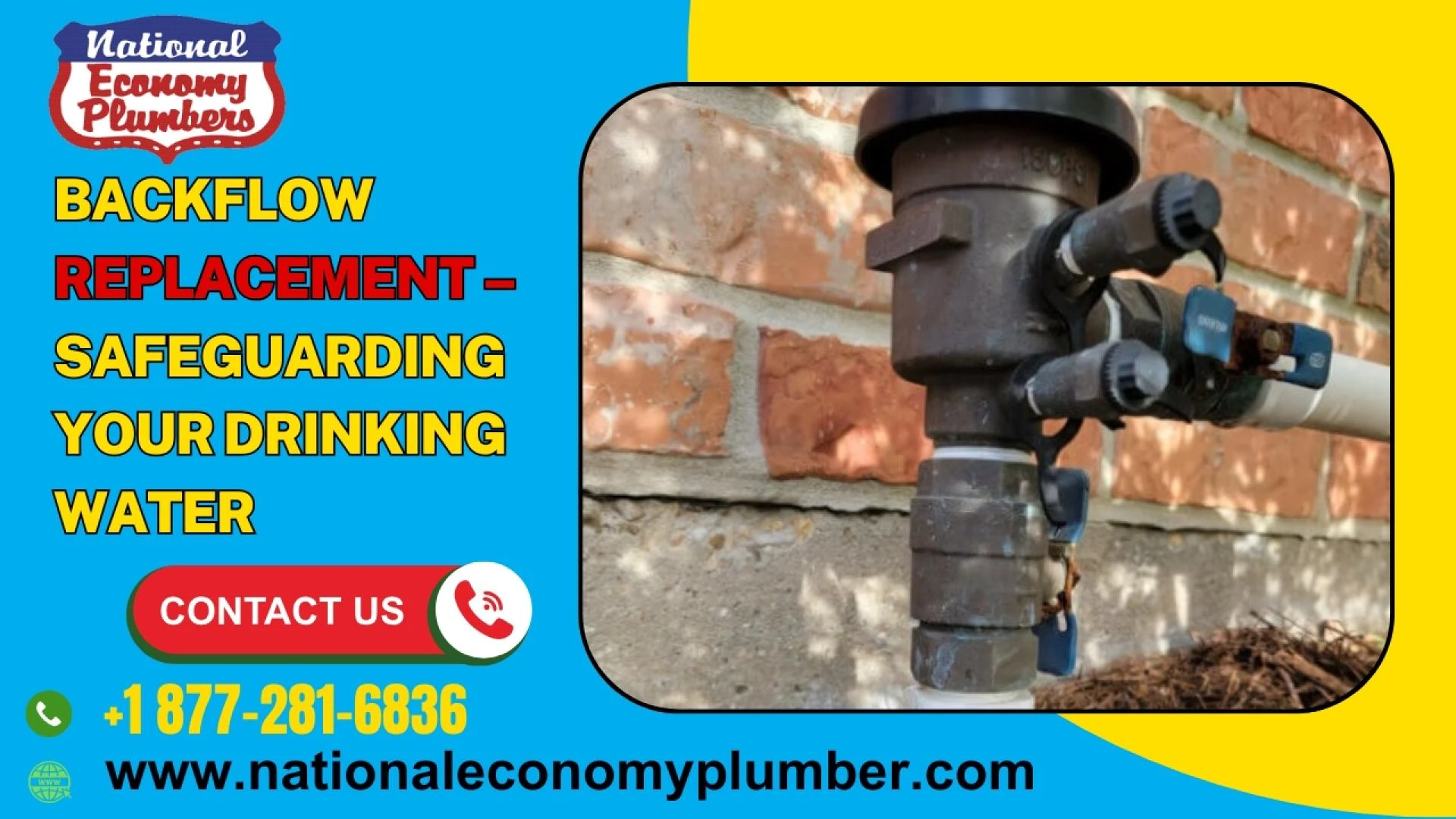
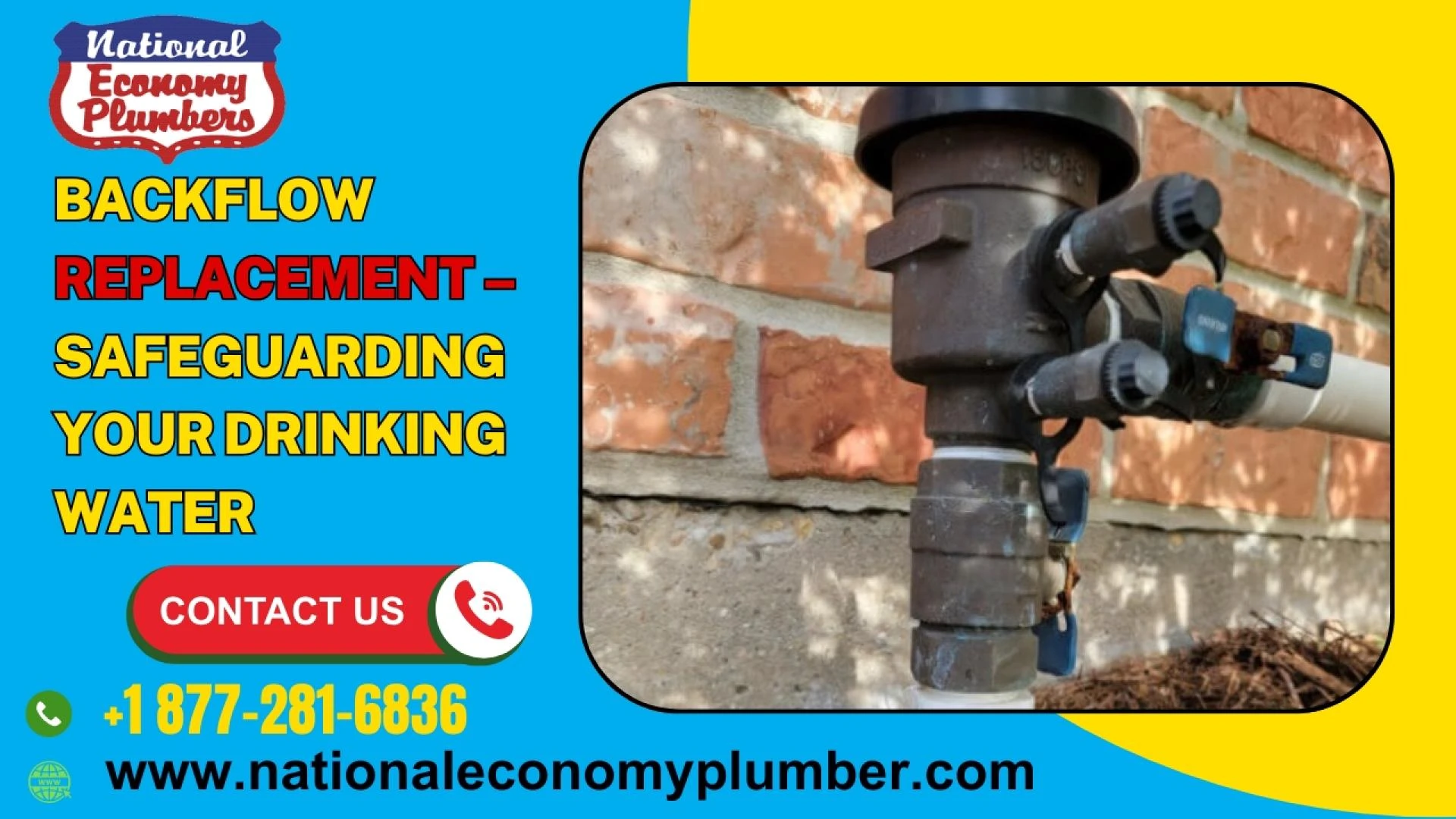
Water is one of the most vital resources we depend on daily, whether it’s for drinking, cooking, bathing, or cleaning. Unfortunately, water systems can sometimes face a serious issue known as backflow—the reverse movement of contaminated water into your clean supply. This can introduce harmful chemicals, bacteria, or pollutants into your household or business water system.
To prevent this, properties are equipped with backflow prevention devices. However, like all plumbing components, these devices do not last forever. When they wear out or fail inspections, backflow replacement becomes necessary to restore full protection.
This guide explains what backflow is, why replacement matters, the process involved, and the benefits for both residential and commercial properties.
What Is Backflow and Why Does It Happen?
Backflow occurs when water flows in the opposite direction from its intended path. Instead of moving from the main water supply into your plumbing fixtures, water is drawn or pushed backward, allowing contaminants to enter the clean water system.
The two primary causes are:
- Back Pressure – Happens when water pressure inside your system becomes higher than the main supply, often due to pumps, boilers, or heating systems.
- Back Siphonage – Occurs when there’s a sudden drop in municipal water pressure, such as during a main line break or when firefighters use large volumes of water, creating suction that pulls contaminated water back into the system.
Both scenarios can bring harmful substances—fertilizers, pesticides, cleaning chemicals, or sewage—into your drinking water.
The Role of Backflow Prevention Devices
To stop contaminated water from entering clean water lines, plumbers install backflow prevention assemblies. These mechanical devices allow water to move only in the intended direction. The most common types include:
- Double Check Valve Assembly (DCVA)
- Reduced Pressure Zone (RPZ) Device
- Pressure Vacuum Breaker (PVB)
- Atmospheric Vacuum Breaker (AVB)
Over time, these assemblies may fail due to corrosion, worn parts, or damage. When a device is no longer reliable, backflow replacement is the only solution to maintain safety and compliance.
Why Backflow Replacement Is Essential
Backflow replacement is not just a repair—it’s a necessary upgrade for the safety and efficiency of your plumbing system. Here’s why it matters:
- Health Protection – A failing unit risks contaminating your drinking water. Replacement ensures safe water for your family or business.
- Compliance with Regulations – Most cities require annual backflow testing. If a device fails, replacement is often legally mandated.
- Prevents Plumbing Damage – Contaminated water can corrode pipes and damage appliances.
- Maintains Water Quality – Clean, safe water is essential for drinking, cooking, and everyday use.
- Peace of Mind – Knowing your water system is fully protected eliminates worry about unseen health hazards.
Warning Signs You Need Backflow Replacement
While annual testing helps detect issues early, you may also notice signs that indicate your device needs replacement:
- Failed inspection or testing results.
- Noticeable leaks around the unit.
- Decreased water pressure.
- Rust, cracks, or visible wear.
- Device older than 10–15 years.
- Written notice from your water authority.
The Backflow Replacement Process
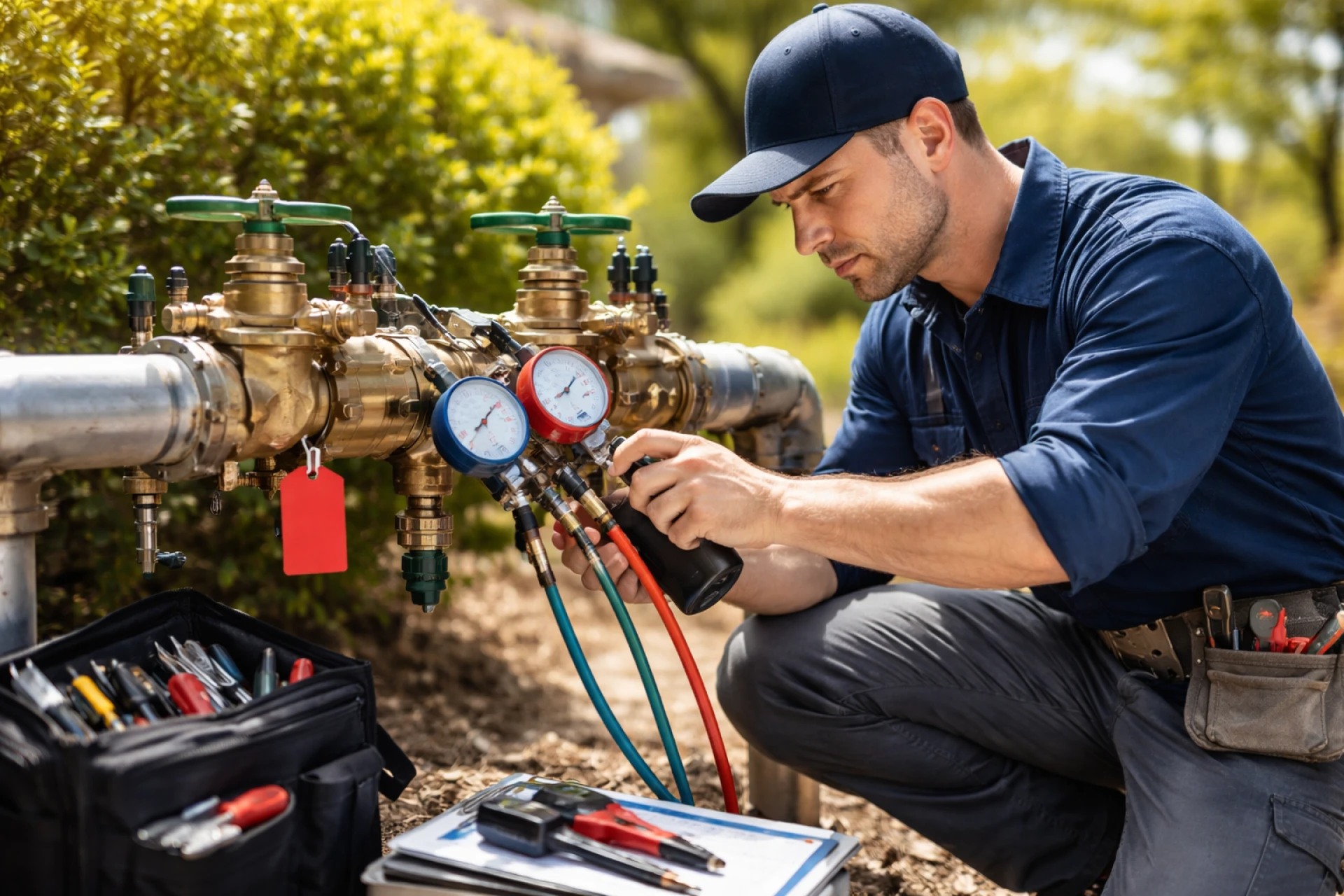
Backflow replacement should always be performed by a licensed plumber or certified technician. The process typically involves:
- Inspection and Testing – Determining if replacement is necessary.
- Water Shutoff – Temporarily stopping the supply to perform work safely.
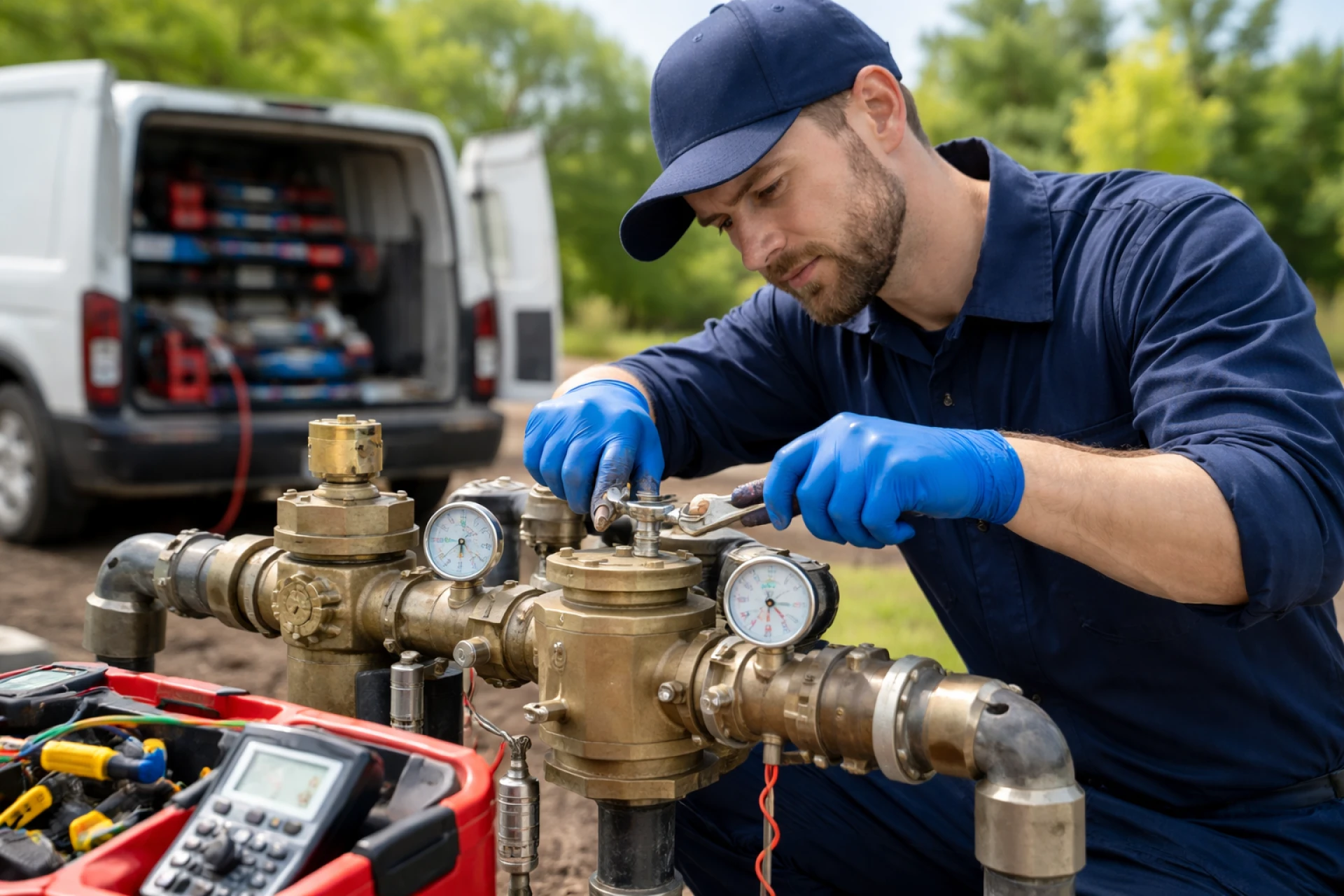
- Device Removal – Disconnecting and taking out the old unit.
- Installation of New Device – Installing a properly sized and approved replacement.
- Testing and Certification – Ensuring the new assembly functions correctly and filing reports with local authorities.
- Water Restoration – Turning the supply back on and confirming safe flow.
Residential vs. Commercial Backflow Replacement
- Residential: Homes typically require smaller devices for irrigation systems, pools, and outdoor faucets. Replacements are simpler and cost less.
- Commercial: Businesses, hospitals, restaurants, and factories require larger, more complex devices. Replacements can be more labor-intensive and costly, but they are critical for protecting public health.
Backflow Replacement Costs
The cost of replacement depends on the size and type of device as well as installation complexity.
- Residential units usually range between $300 and $800.
- Commercial replacements may cost $1,000 to $5,000+, especially for larger assemblies.
Although replacement may seem expensive, it prevents major health risks, costly plumbing damage, and potential fines for non-compliance.
Maintaining a New Backflow Device
To maximize the life of your new device and avoid premature replacement:
- Schedule annual professional testing.
- Inspect regularly for leaks, rust, or changes in water pressure.
- Avoid DIY fixes—backflow devices require specialized tools and certification.
- Keep compliance paperwork updated with your local water authority.
Choosing the Right Professional for Backflow Replacement
Since backflow replacement requires technical skill and certification, it’s important to hire the right professional. Look for:
- Licensed plumbers with backflow certification.
- Experience with both residential and commercial systems.
- Positive customer reviews and referrals.
- Knowledge of local codes and reporting requirements.
Conclusion
A properly functioning backflow prevention system is essential for protecting clean water. Over time, these devices wear out, making backflow replacement the only way to restore safety, meet regulations, and protect your plumbing system.
Whether you own a home, manage a restaurant, or run a large facility, replacing an old or failing backflow device is an investment in your health, property, and community. Don’t wait for a failed test or water contamination issue—schedule professional replacement to ensure your water remains safe, clean, and reliable.




























Sign in to leave a comment.