

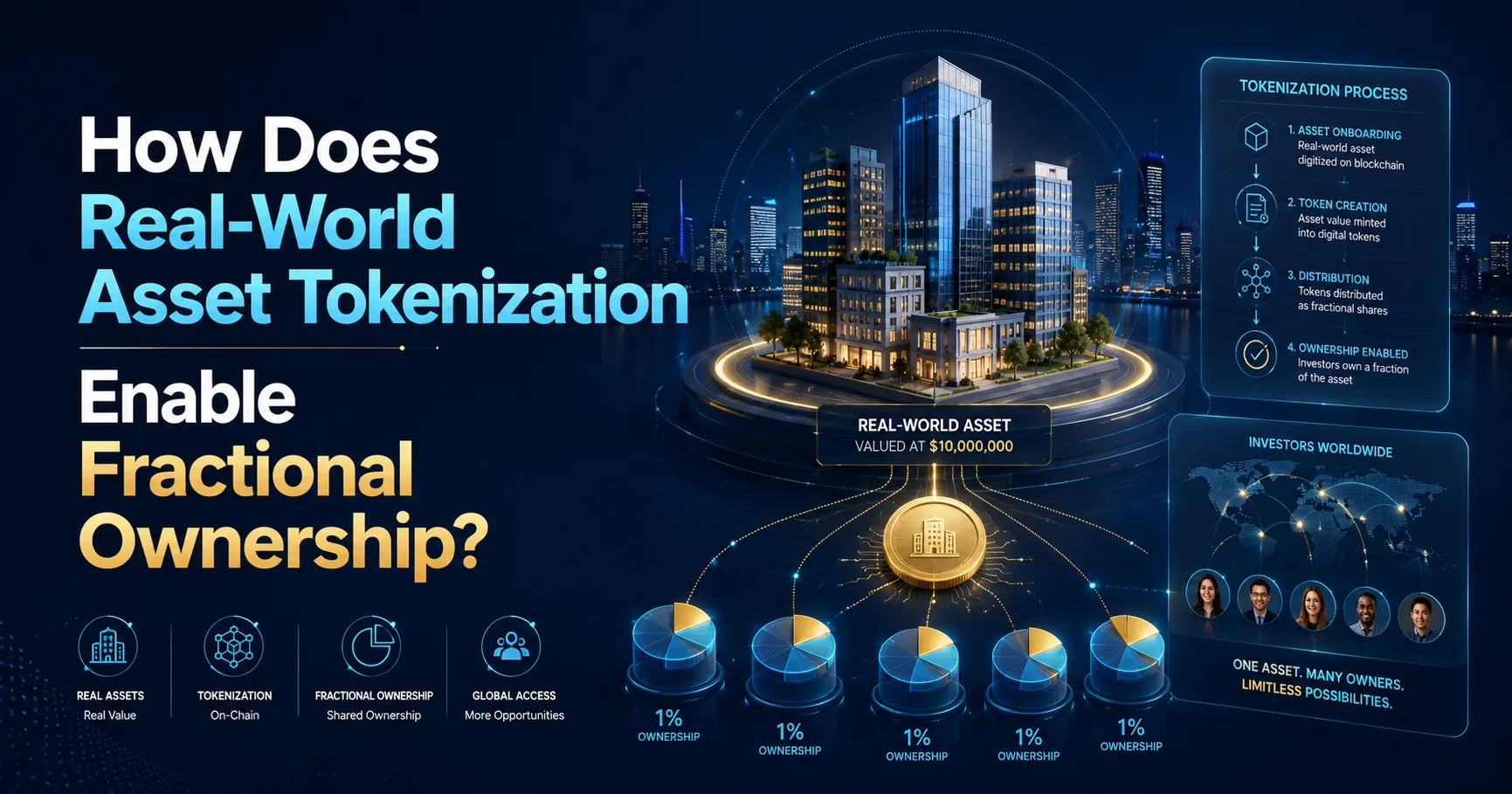
Institutional finance is moving to the ledger. Big investors want to turn property or private equity into digital assets to get faster liquidity. But let’s be real: this isn't just about writing smart contracts. If you skip the KYC or AML steps, regulators will pull the plug. Finding a team that knows both architecture and law is tough. Most firms just copy-paste code from GitHub, which creates massive financial risks. These seven vendors actually know how to build secure platforms for RWA tokenization.
1. S-PRO
- Team: 50–249
- Founded: 2014
- Location: Switzerland, USA, Ukraine, Poland
- Focus: Digital asset banking infrastructure, RWA strategic advisory, global investment platforms.
S-PRO acts more like an architect than a dev shop. They have over eight years in blockchain and focus on regulated RWA tokenization platforms. Their work with Sygnum Bank – the first regulated digital asset bank – shows they can handle high-security demands. They follow ISO 27001 and ISO 27701 standards, which means your data is actually protected. They also work with partners like Tokeny and CoreLedger to keep everything audit-ready. You can find their full methodology at S-PRO.
2. DataArt
- Team: 1,000–9,999
- Founded: 1997
- Focus: Financial data lakes and cloud migrations.
This is a safe bet for massive banks. They migrate legacy databases to private networks for asset tracking. Their size brings stability to the table. However, if you are a small firm, you might get stuck in their long approval cycles. They are best for building private cloud setups where traditional assets move to digital without breaking the bank's core operations.
3. ScienceSoft
- Team: 500–999
- Founded: 1989
- Focus: Private banking ledgers.
ScienceSoft focuses on IBM Hyperledger Fabric for private, permissioned ecosystems. They excel at writing exhaustive compliance documentation to meet regional banking standards across the US and Europe. Their approach suits risk-averse institutions that need to manage internal assets without moving to public blockchains.
4. Eleks
- Team: 1,000–9,999
- Founded: 1991
- Focus: Zero-knowledge proofs (ZKP)
Eleks is usually brought in for projects that involve heavy cryptography or custom protocol design. Their teams work with zero-knowledge proofs, where privacy needs to be handled without losing transparency for audits. This kind of work shows up in institutional trading systems or more complex token models. It’s less about standard blockchain setups and more about solving specific technical problems. They often take ideas that come from research and turn them into working systems.
5. PixelPlex
- Team: 50–249
- Founded: 2013
- Focus: Security Token Offerings (STO).
PixelPlex specializes in Security Token Offerings and decentralized finance protocols. They maintain a large library of pre-audited smart contracts, allowing for faster launches of investment portals. Their focus on the retail-facing side of tokenization makes them a strong partner for crowdfunding and mid-market real estate ventures. They prioritize user-friendly investment dashboards that simplify the process of buying fractional shares of real-world assets while maintaining backend compliance.
6. Itransition
- Team: 1,000–9,999
- Founded: 1998
- Focus: CRM/ERP middleware.
Itransition focuses on the integration layer between blockchain and traditional corporate software. They build the middleware that connects protocols to a company’s existing CRM and ERP stacks. This ensures that when an asset is tokenized, all internal records and compliance databases update automatically in real-time across the organization. They excel at automating complex back-office financial workflows, reducing the manual effort required to manage a large portfolio of digitized assets.
7. LeewayHertz
- Team: 50–249
- Founded: 2007
- Focus: Carbon credits and marketplaces.
These guys are great at the "Web3" look. They’ve built marketplaces for carbon credits and luxury watches. The UI is simple for normal investors. It is a good choice if you want to reach the general public rather than just big banks. They handle the whole process, from token design to final launch.
Blockchain Expert View
Hiring a team that only focuses on code is a mistake. In RWA, bad code becomes a legal risk. If tokens don’t match legal documents, regulators will flag it. A strong partner checks data quality first. If property records or financial documents are inconsistent, the token will reflect those issues. Most failed projects didn’t break on the blockchain level. They failed in compliance – weak KYC, gaps in legal logic. Solid architecture builds trust. It’s what allows banks and asset managers to participate. The key is simple: you need a team that understands both the legal side and the technical one.
































Sign in to leave a comment.