

In the ever-evolving landscape of UI/UX design, it's imperative to move beyond the surface-level metrics of clicks and delve into the intricate realm of user engagement. Designing an interface that not only attracts clicks but also sustains user interest is crucial for the success of any digital product. In this blog post, we'll explore the significance of measuring user engagement in UI/UX design and how it goes beyond mere clicks.
Understanding User Engagement
User engagement encompasses a spectrum of interactions users have with a product beyond the initial click. It involves the time users spend on a site or application, the depth of interaction, and the frequency of returning visitors. While clicks provide a basic measure of user interaction, they fail to capture the full picture of user satisfaction and involvement.
Diving Deeper with Metrics
To truly measure user engagement, designers need to embrace a variety of metrics. Time on page, bounce rate, and scroll depth are essential indicators that shed light on the depth of user interaction. Analyzing these metrics provides insights into whether users are actively exploring the content or quickly bouncing away. Combining quantitative data with qualitative feedback through user surveys or interviews further enriches the understanding of user engagement.
User-Centric Design Principles
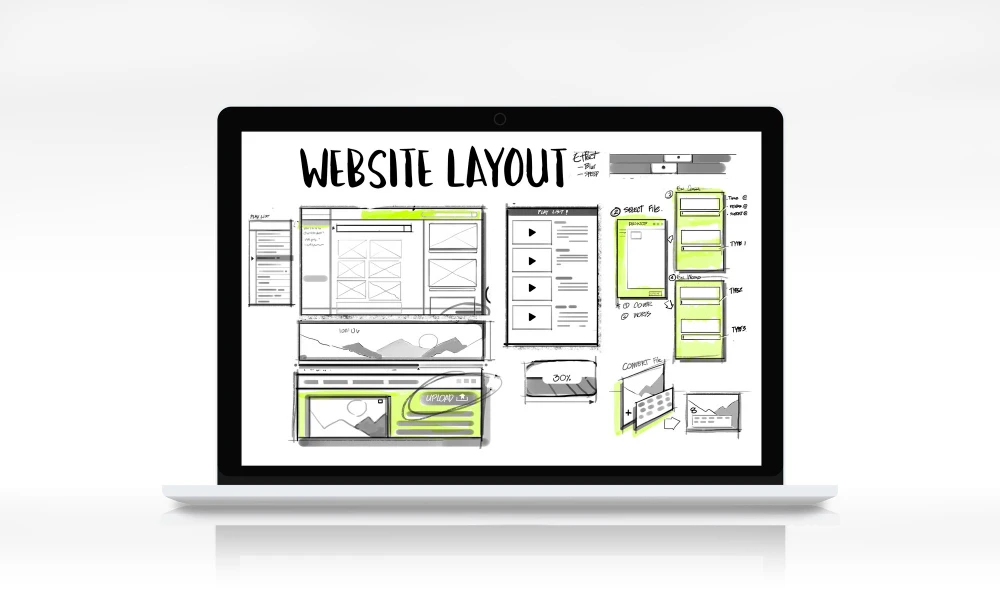
User engagement is deeply rooted in the principles of user-centric design. It's about creating an experience that resonates with the target audience, understands their needs, and aligns with their expectations. By focusing on the user journey, designers can tailor their interfaces to encourage prolonged interaction, fostering a sense of connection between the user and the product.
The Role of Visual Design
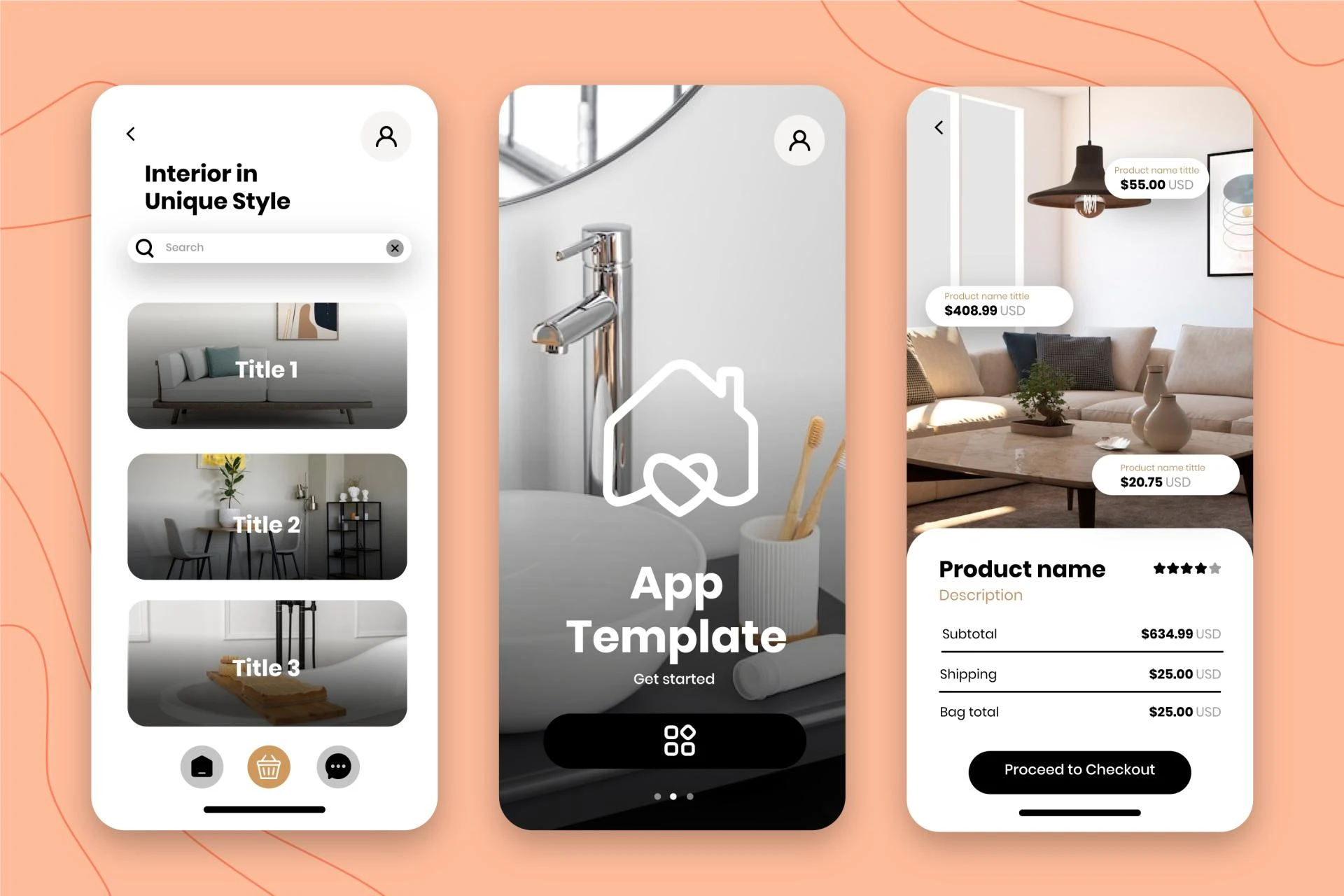
Visual design plays a pivotal role in sustaining user engagement. Aesthetically pleasing interfaces are more likely to capture and retain user attention. However, the visual appeal should not compromise functionality. Striking the right balance between a visually appealing design and a seamless, intuitive user experience is the key to keeping users engaged beyond the initial click.
Implementing Feedback Loops
To continuously enhance user engagement, designers should establish feedback loops. This involves gathering user feedback through analytics tools, user testing, and direct user communication. Understanding how users perceive and interact with the design provides valuable insights for iterative improvements.
Mobile Responsiveness and Cross-Platform Consistency
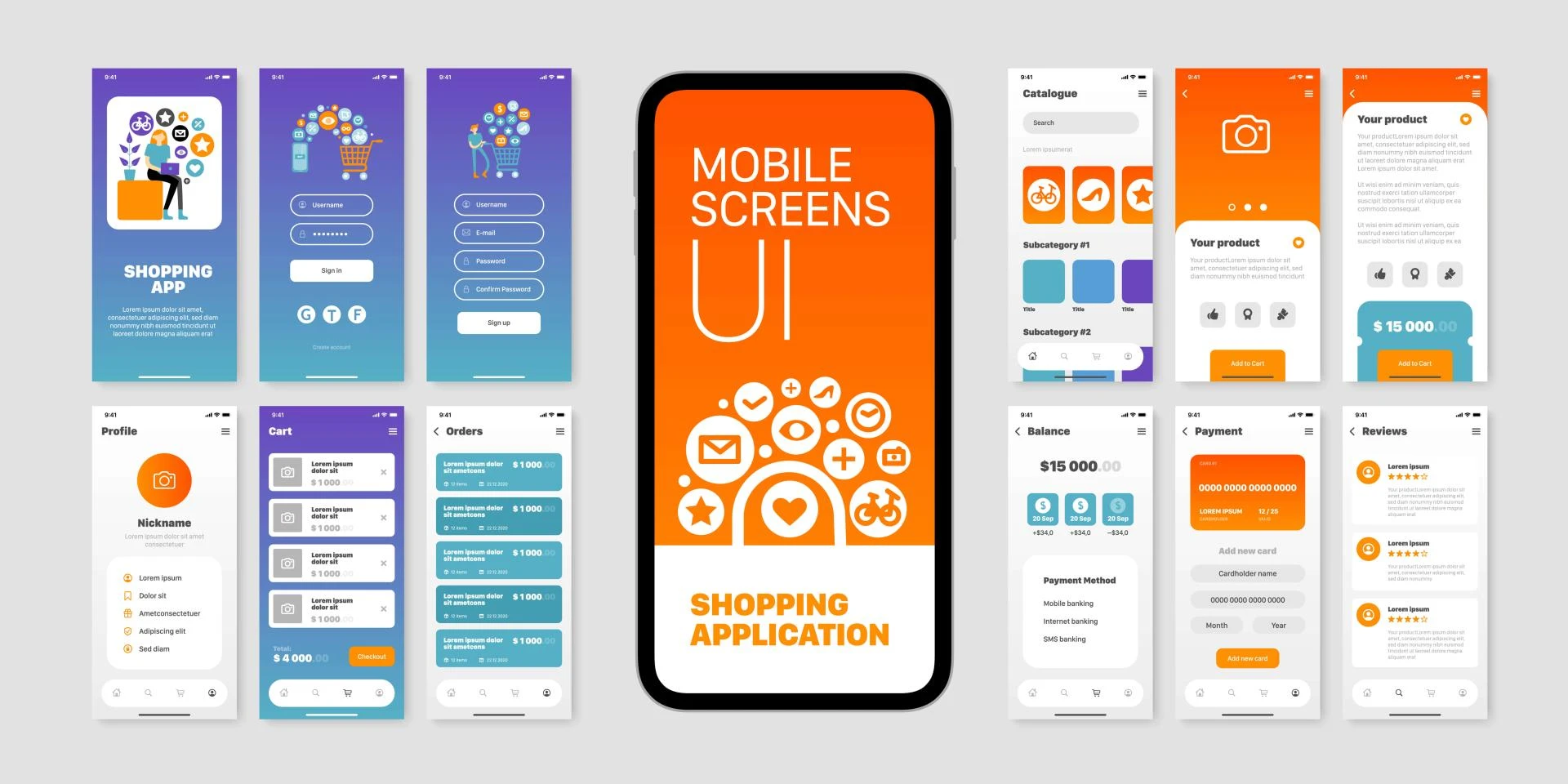
With the increasing prevalence of mobile devices, designing for mobile responsiveness is crucial for user engagement. Ensuring a consistent experience across various platforms and devices contributes to a seamless user journey. Users should feel equally comfortable navigating through a website or application on their desktop, tablet, or smartphone.
Conclusion: Moving Beyond Clicks
In conclusion, the true success of UI/UX design lies in moving beyond the mere measurement of clicks and embracing a holistic approach to user engagement. By understanding user behavior, implementing effective feedback loops, and prioritizing user-centric design principles, designers can create interfaces that not only attract clicks but also foster a sustained and meaningful connection with users. As technology continues to evolve, the emphasis on measuring and enhancing user engagement will remain a cornerstone of successful UI/UX design.
Visit my Upwork profile for - UI/UX design, Web design & Mobile design



























Sign in to leave a comment.