

In the dynamic realm of UI/UX design, where innovation is the key to capturing user engagement, prototyping stands as a bridge between imagination and realization. Crafting an intuitive and visually appealing user interface (UI) or user experience (UX) involves a delicate balance of art and science. In this blog, we delve into the significance of UI/UX prototyping, exploring how it breathes life into conceptual designs and streamlines the creative process.
Understanding UI/UX Prototyping
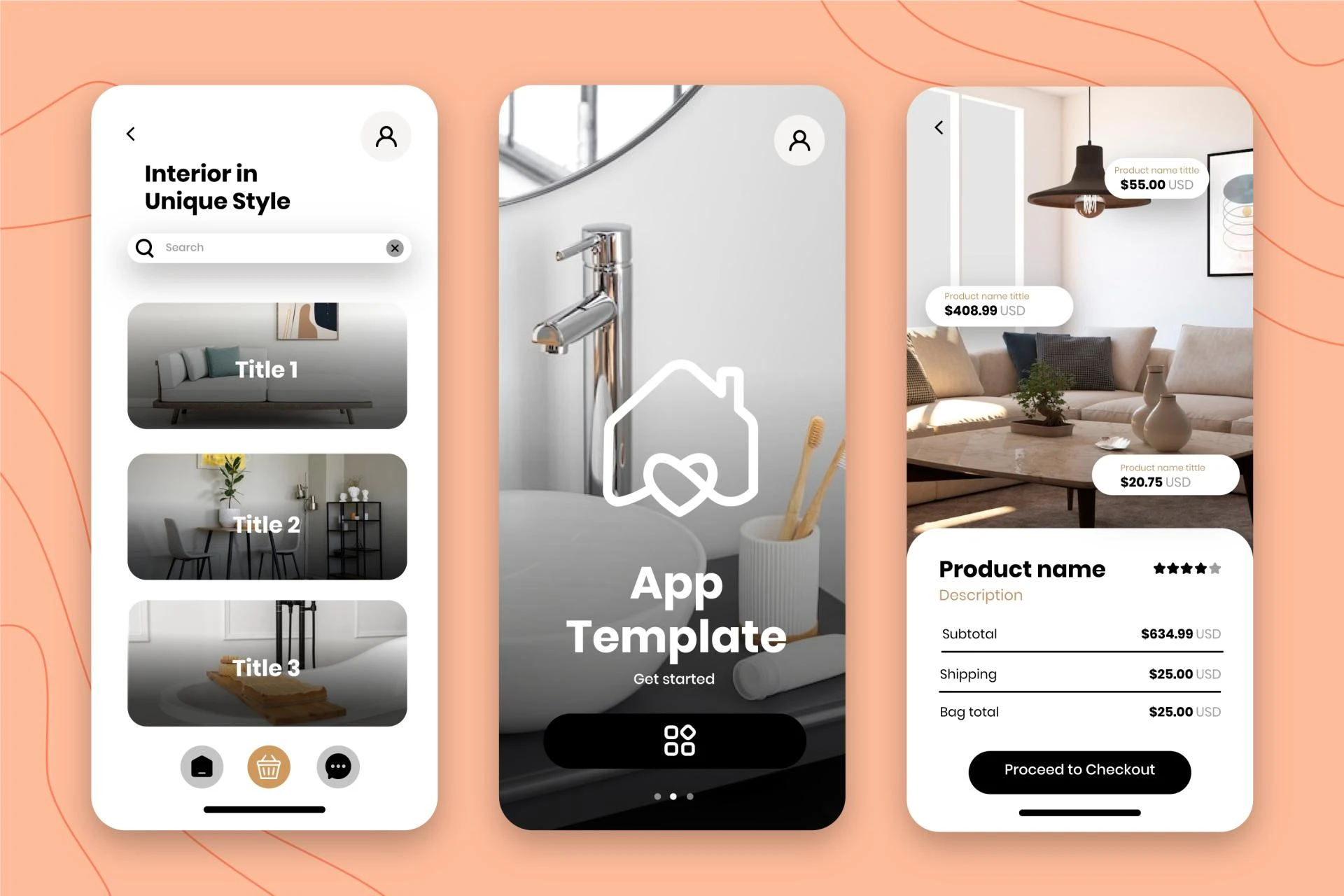
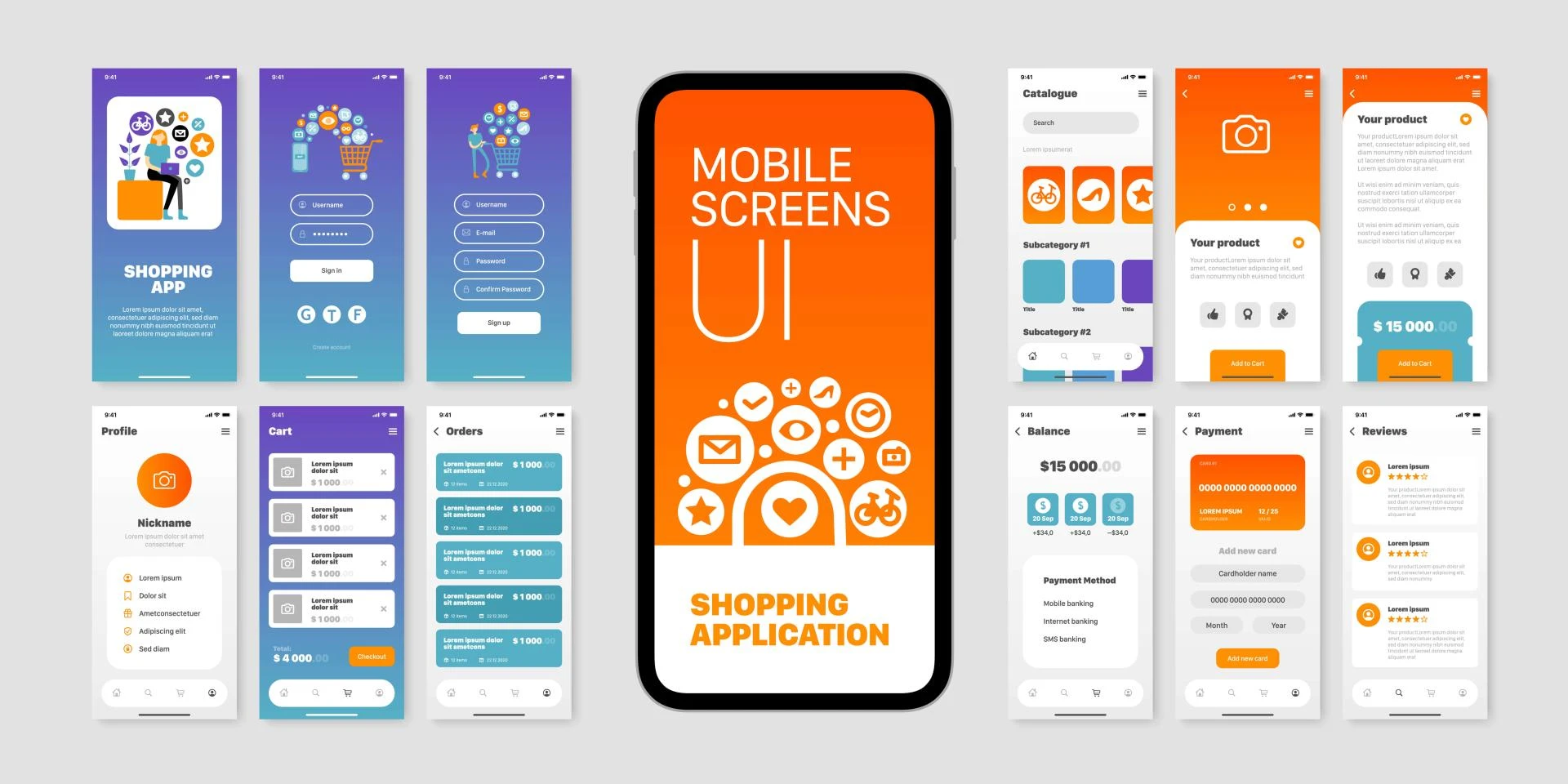
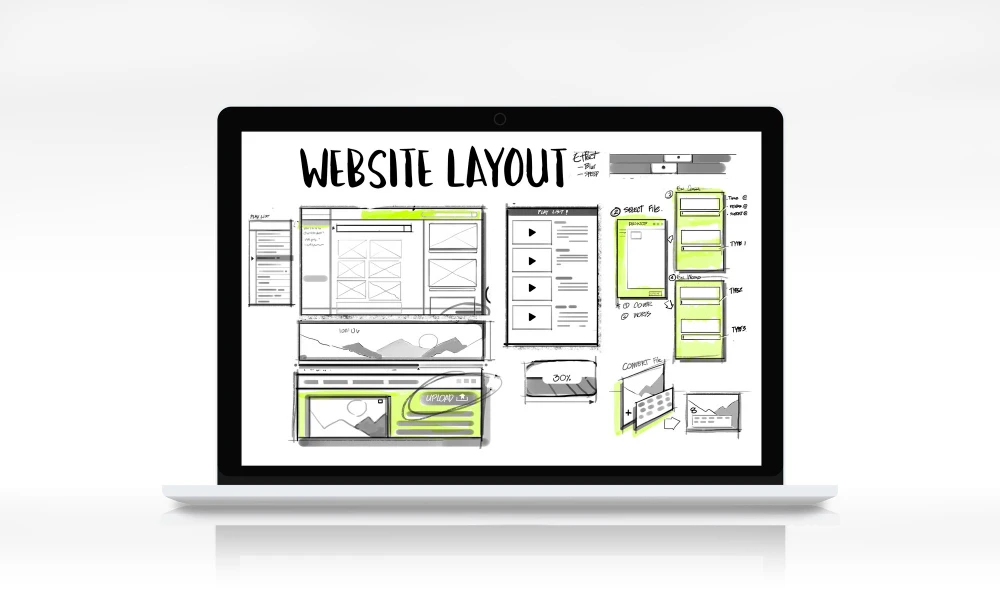
At its core, prototyping is the process of creating a preliminary model or draft of a design to test and validate its functionality and aesthetics. In the context of UI/UX design, prototypes serve as interactive representations of the final product, allowing designers to showcase the flow and behavior of the interface. This iterative approach enables stakeholders to experience the design in a tangible way, facilitating constructive feedback and refinement.
The Art of Prototyping: Crafting Engaging Experiences
Prototyping is an art form that transforms static concepts into dynamic experiences. Through the artistry of prototyping, designers can convey the narrative of user interaction, emphasizing the journey rather than just the destination. This artistic dimension involves the careful selection of colors, typography, and visual elements that resonate with the brand identity and user expectations. Seamless transitions and microinteractions breathe life into the prototype, creating an immersive experience that mirrors the intended final product.
The Science of Prototyping: Iterative Refinement and User-Centric Design
While the art of prototyping focuses on the visual and emotional aspects, the science lies in its iterative and user-centric approach. Prototypes serve as testing grounds for usability, allowing designers to identify pain points and areas for improvement. By incorporating user feedback early in the design process, prototypes become powerful tools for refining the UI/UX design, ensuring that the final product aligns with user expectations and preferences.
Advantages of UI/UX Prototyping
User Feedback Integration: Prototypes facilitate early user testing, enabling designers to gather valuable feedback and make informed design decisions.Risk Mitigation: Identifying and addressing design flaws at the prototyping stage minimizes the risk of costly modifications in the later stages of development.Stakeholder Communication: Prototypes serve as a common language between designers, developers, and stakeholders, fostering collaboration and shared understanding.Time and Cost Efficiency: Rapid prototyping allows for quick validation and iteration, saving time and resources compared to traditional design approaches.Choosing the Right Prototyping Tools
In the ever-evolving landscape of UI/UX design, selecting the right prototyping tools is crucial. From industry standards like Figma and Adobe XD to emerging platforms like InVision and Proto.io, designers have a plethora of options to choose from. The key is to align the chosen tool with the project requirements, ensuring a seamless workflow and collaboration among the design team.
In conclusion, the art and science of UI/UX prototyping play a pivotal role in transforming abstract ideas into user-centric, visually stunning interfaces. By embracing prototyping as an integral part of the design process, designers can enhance collaboration, mitigate risks, and ultimately deliver a product that resonates with the end users. As we navigate the ever-evolving landscape of digital experiences, mastering the craft of UI/UX prototyping becomes not just a skill but a necessity for creating designs that captivate and resonate.
Visit my Upwork profile for - UI/UX design, Web design & Mobile design


























Sign in to leave a comment.