
Most electrical failures don’t start with cables, panels, or machines.
They start at the point of contact, the moment two different metals are forced to work together under load, heat, and time.
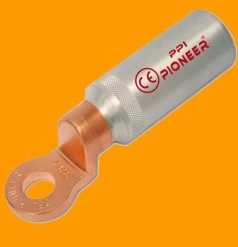
Bi-metallic lugs exist precisely for this moment. They don’t draw attention, yet they determine whether an electrical system remains stable for decades or begins failing within years.
Why Bi-Metallic Lugs Are More Than Just Connectors
The Reality of Mixed-Metal Systems
Modern electrical installations rely heavily on aluminium conductors for efficiency and cost, while copper terminals remain the standard for switchgear and equipment.
When aluminium and copper are connected directly:
- Chemical reactions begin
- Oxidation increases resistance
- Heat builds up at the joint
- Failures appear long before the cable itself degrades
Bi-metallic lugs are designed to remove this conflict entirely, not mask it.
How Bi-Metallic Lugs Are Engineered to Prevent Failure
A Permanent Copper - Aluminium Bond
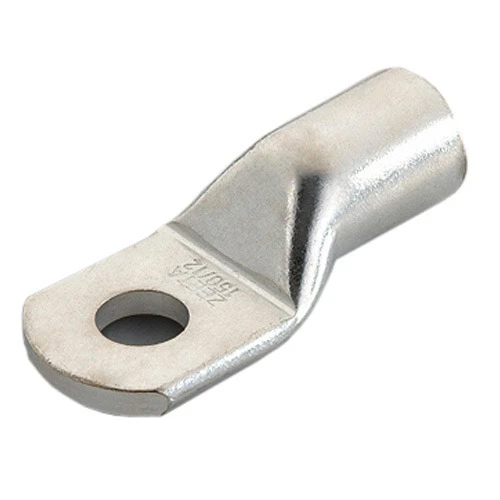
High-performance bi metallic lugs are created using friction welding, forming a solid-state bond between copper and aluminium.
This isn’t a surface fix, it’s a molecular union that ensures uninterrupted electrical flow.
Why Tin Plating Matters
The aluminium barrel is usually tin-plated, which:
- Prevents oxide layer formation
- Improves crimp consistency
- Enhances corrosion resistance in harsh environments
Together, these features allow the lug to perform reliably under thermal cycling and continuous current load.
Where Bi-Metallic Lugs Play a Critical Role
1. Power Distribution & Control Panels
They allow aluminium cables to terminate safely onto copper busbars without overheating.
2. Renewable Energy Installations
Solar and wind projects depend on aluminium conductors, bi-metallic lugs ensure long-term joint stability.
3. Heavy Industrial Equipment
Motors, transformers, and generators demand connectors that can withstand constant load fluctuations.
4. Infrastructure & Utility Networks
In substations and public utilities, connection reliability directly impacts service continuity.
Why Some Bi-Metallic Lugs Fail Prematurely
Quality Isn’t Visible at First Glance
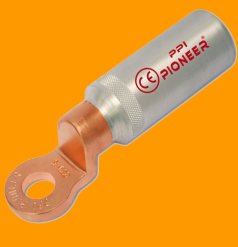
Many lugs look identical but perform very differently over time.
Common issues with low-grade bi metallic lugs include:
- Weak friction weld interfaces
- Uneven tin plating
- Inaccurate barrel dimensions
- Poor compatibility with standard crimping tools
These weaknesses only reveal themselves after the system is live, often too late.
How to Select the Right Bi-Metallic Lug for Long-Term Safety
Before Installation
- Match conductor size exactly to lug specification
- Use approved crimping tools
- Ensure clean, oxide-free cable ends
After Installation
- Verify uniform crimp impressions
- Check for mechanical stability
- Inspect for proper alignment and compression
Using certified products from manufacturers like Pioneer Powers International significantly reduces the risk of connection-related faults.
The Silent Role Bi-Metallic Lugs Play in Electrical Safety
Bi-metallic lugs rarely get noticed until they fail.
When chosen correctly, they quietly protect:
- Electrical equipment
- Human safety
- Project investments
- Long-term system efficiency
They may be small components, but their impact is anything but small.






















Sign in to leave a comment.