

How controlled pyrolysis, feed preparation and process monitoring shape industrial biochar production
Biomass waste is not always easy to use. Agricultural residues, wood chips and forestry waste can vary considerably in moisture, size and composition. Once these materials are collected at scale, simply finding a way to dispose of them is only part of the problem. The more useful question is whether they can be converted into a product with practical value.
A Biomass Biochar Plant provides one such route through controlled pyrolysis. Instead of allowing biomass to burn, the process heats it under oxygen-limited conditions, producing a carbon-rich solid known as biochar along with gases and condensable vapours that can be recovered as part of the process.
For industrial operation, however, the reactor is only one piece of the plant. Feed preparation, drying, feeding, gas handling, heat recovery and process control all influence how consistently the system operates.
The Process Begins with the Biomass
A pyrolysis plant cannot perform consistently if the feed going into it is inconsistent.
Moisture is one of the first variables to consider. Wet biomass requires more energy for thermal conversion and can make process control more difficult. Particle size and bulk density can also affect feeding and heat transfer.
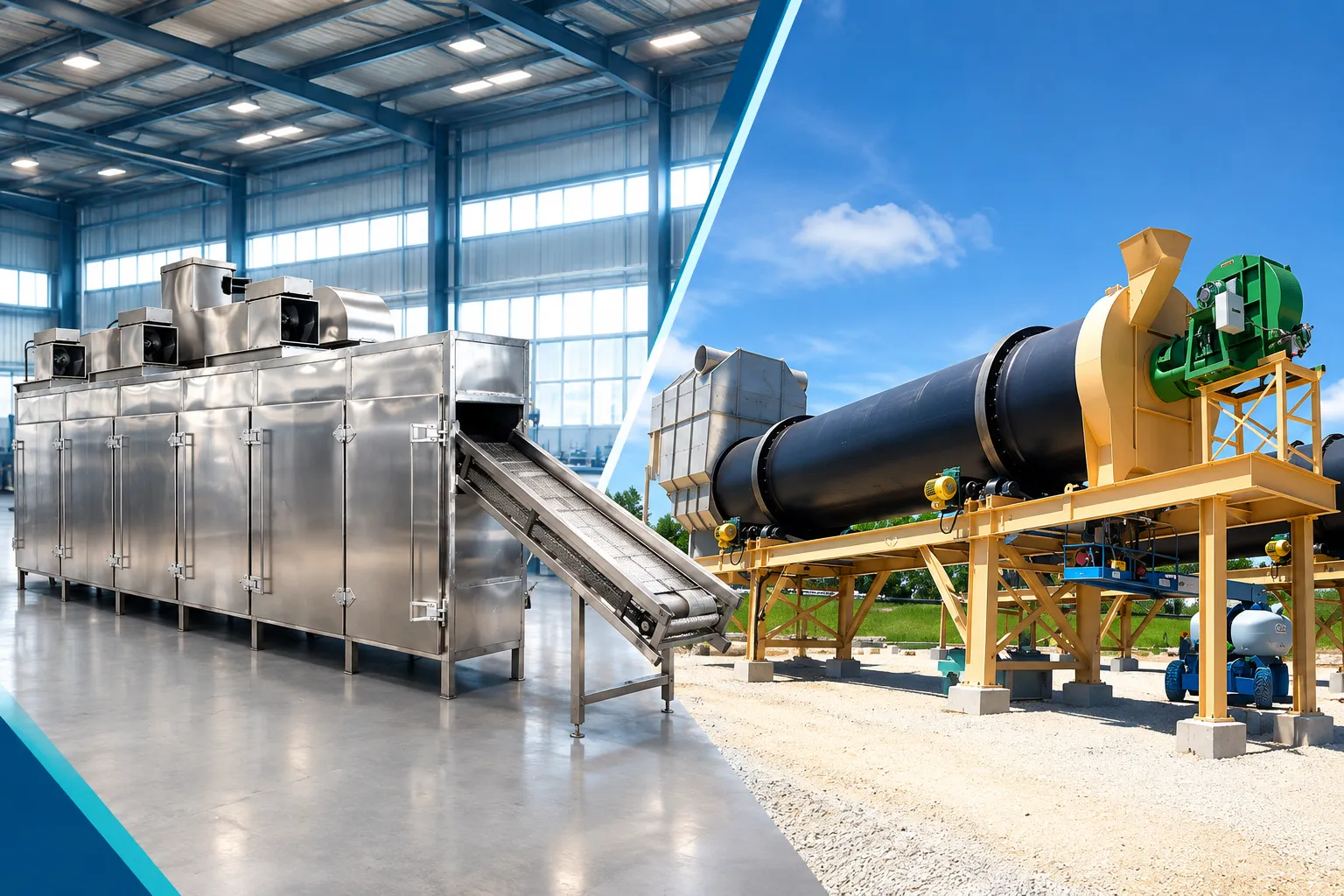
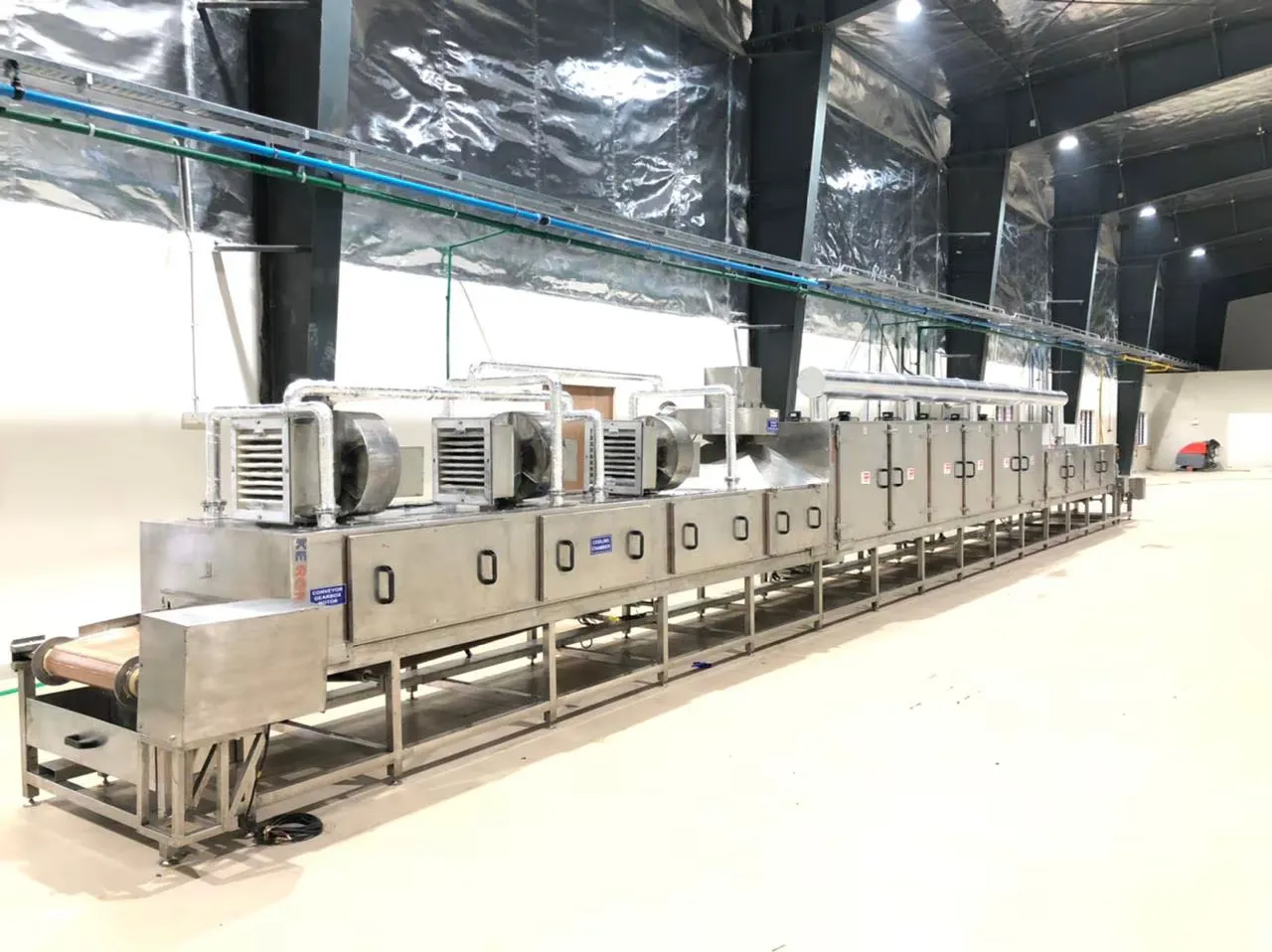
Kerone's Biomass Biochar Plant incorporates multi-stage biomass drying using waste heat, helping prepare the feed before it reaches the pyrolysis section. Variable-speed automated feeding is used to maintain a controlled and consistent biomass flow.
That is an important engineering point. In an industrial plant, feed preparation should not be treated as something separate from pyrolysis. The condition of the biomass directly affects the process that follows.
What Happens Inside the Pyrolysis Reactor?
Once prepared biomass enters the reactor, controlled heating causes the organic material to decompose in the absence, or near absence, of oxygen.
The process produces three broad fractions: solid char, non-condensable gases and condensable vapours. The balance between these products depends on the feedstock and operating conditions, so there is no single set of conditions that is automatically suitable for every biomass.
This is also why biochar quality should not be described simply as “high” or “low”. Its characteristics depend on how the feedstock behaves during conversion and on the process conditions selected for the required application.
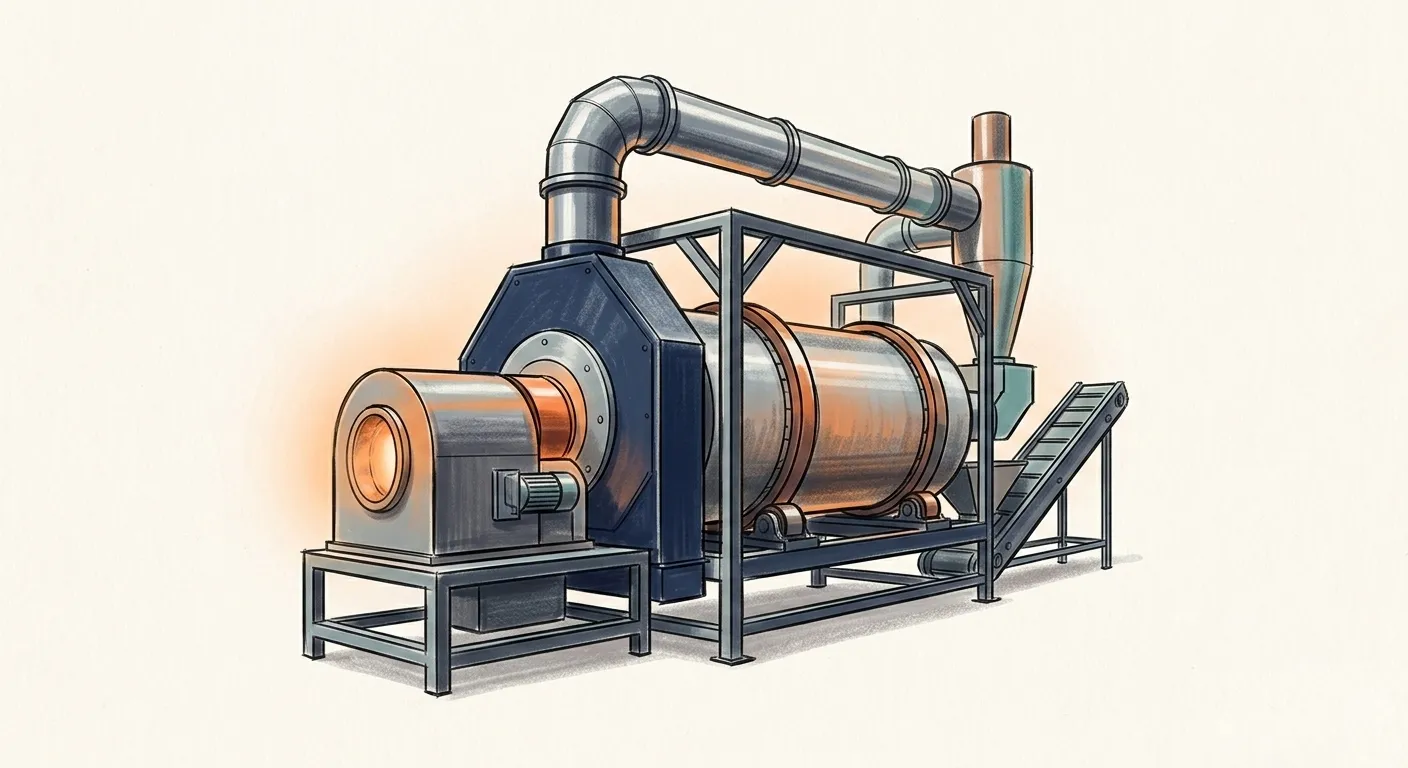
Kerone's system uses a continuous pyrolysis reactor designed for large-volume biomass processing rather than relying solely on batch handling.
Why Continuous Operation Matters
For a facility receiving biomass regularly, continuous processing can offer a more practical operating model.
Instead of repeatedly loading and unloading a reactor, biomass is fed continuously at a controlled rate. Kerone's system includes automated feeding with variable-speed control, allowing the feed rate to be adjusted to the process.
This becomes particularly useful when the plant has to accommodate real-world variations in feedstock. Industrial biomass is rarely as uniform as laboratory material, so being able to monitor and adjust the process is more useful than designing around an ideal feed alone.
Drying, Gas Cleaning and Recovery Work Together
There is another practical reason to look beyond the reactor.
The pyrolysis process generates hot gases and vapours. If these streams are handled correctly, part of the available thermal energy can be recovered within the wider process.
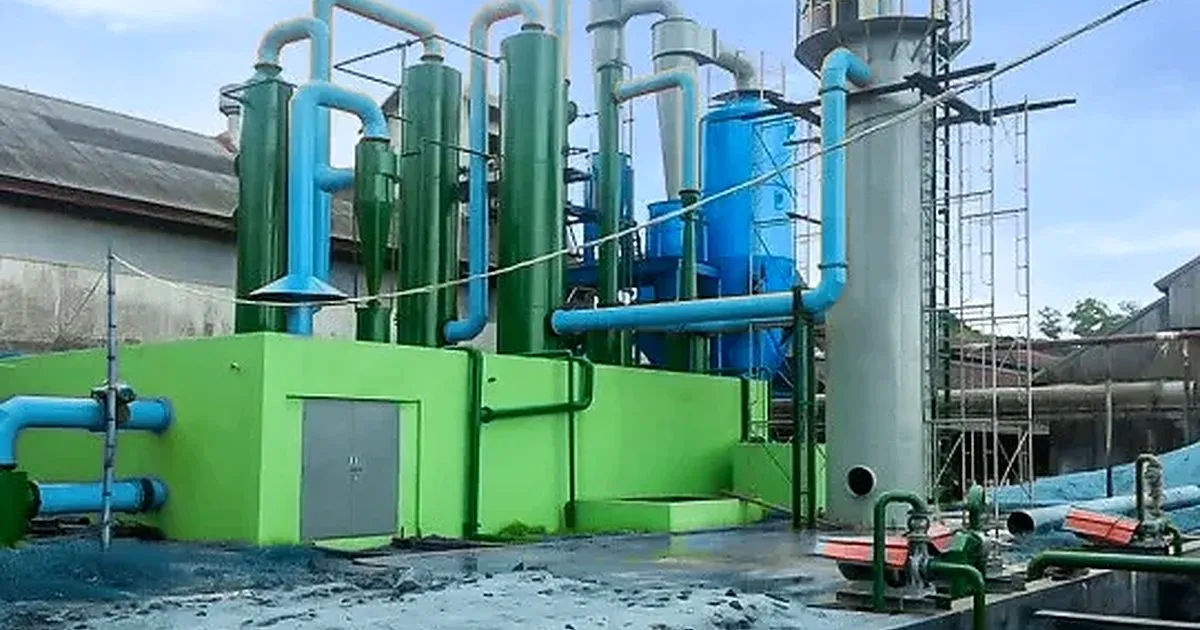
Kerone's Biomass Biochar Plant includes multi-stage drying using waste heat, cyclone separators and gas scrubbers for gas treatment, together with a condensation system for recovering bio-oil from condensable vapours.
The benefit of this integrated arrangement is not simply having more equipment. Each section has a role in the overall material and energy balance of the plant.
What Makes a Biochar Plant Suitable for Different Feedstocks?
Feedstock flexibility sounds straightforward, but it has to be considered carefully.
Wood residues and agricultural waste do not necessarily behave in the same way during drying, feeding or pyrolysis. Moisture content, particle size, ash and other feed properties can change from one biomass stream to another.
Kerone's system is designed to handle agricultural, forestry and industrial biomass varieties, while the plant configuration can be developed around the characteristics and intended use of the feedstock.
For a buyer, this makes feedstock evaluation one of the first steps in equipment selection. Reactor capacity matters, but compatibility with the actual biomass available matters just as much.
Where Can the Biochar Be Used?
Biochar is commonly associated with agriculture because its porous carbon-rich structure can make it useful in soil and horticultural applications. Its potential use, however, is broader.
Depending on its properties and the requirements of the process, biochar can be considered for applications including agriculture, horticulture, composting, wastewater treatment, contaminated-soil remediation, aquaculture and selected industrial uses.
The important point is that the application should influence the product specification. Producing a large quantity of char is not necessarily the same as producing a material suited to a particular market.
Monitoring and Safety Are Part of the Design
As plant scale increases, process visibility becomes increasingly important.
Kerone's Biomass Biochar Plant incorporates SCADA monitoring for parameters including temperature, pressure, gas composition and char quality. The system also includes safety provisions such as emergency shutdown and explosion-proof design features.
These controls do not remove the need for site-specific risk assessment, but they provide the monitoring and shutdown functions needed to manage a continuously operating thermal process.
Choosing a Biomass Biochar Plant
The right plant is not necessarily the one with the largest reactor or the longest feature list.
A sensible evaluation starts with the biomass: its moisture, particle size, availability and intended processing volume. From there, the drying requirement, feeding arrangement, pyrolysis configuration, gas handling, heat recovery, automation and final biochar specification can be considered together.
That is the approach behind Kerone's Biomass Biochar Plant—a continuous process system designed to connect biomass preparation, pyrolysis, gas treatment, product recovery and process monitoring rather than treating each stage as an isolated machine.
For companies looking at biochar as a serious biomass-utilisation route, that complete-process view is often where the practical engineering questions begin.
Frequently Asked Questions
1. What is a Biomass Biochar Plant?
A Biomass Biochar Plant is an industrial system that uses controlled pyrolysis to convert suitable biomass feedstocks into biochar while also handling gases and condensable process products.
2. What biomass can be processed in a biochar plant?
Suitable feedstocks can include agricultural residues, wood chips, forestry waste and other biomass materials. Actual compatibility depends on properties such as moisture, particle size and composition.
3. Why is biomass drying important before pyrolysis?
High moisture can increase energy demand and affect process stability. Drying helps bring the feedstock into a more suitable condition for controlled thermal conversion.
4. Is a continuous pyrolysis plant better than a batch plant?
Neither configuration is universally better. Continuous systems are often attractive where biomass is available steadily and the operation requires controlled, ongoing processing.
5. What products are generated during biomass pyrolysis?
The main product groups are biochar, non-condensable gases and condensable vapours. The quantity and characteristics of each depend on the feedstock and operating conditions.
6. Can the gases from pyrolysis be recovered?
Yes. Pyrolysis gases can be handled and treated as part of the plant process. Gas cleaning and heat recovery can also be integrated into the overall system design.
7. What determines the quality of biochar?
Feedstock characteristics and operating conditions both matter. Parameters such as temperature, residence time, moisture and feed preparation can influence the properties of the resulting biochar.
8. What should buyers check before selecting a biochar plant?
The key considerations include feedstock type, moisture, required capacity, drying needs, continuous or batch operation, gas handling, automation, safety requirements and the intended end use of the biochar.

























Sign in to leave a comment.