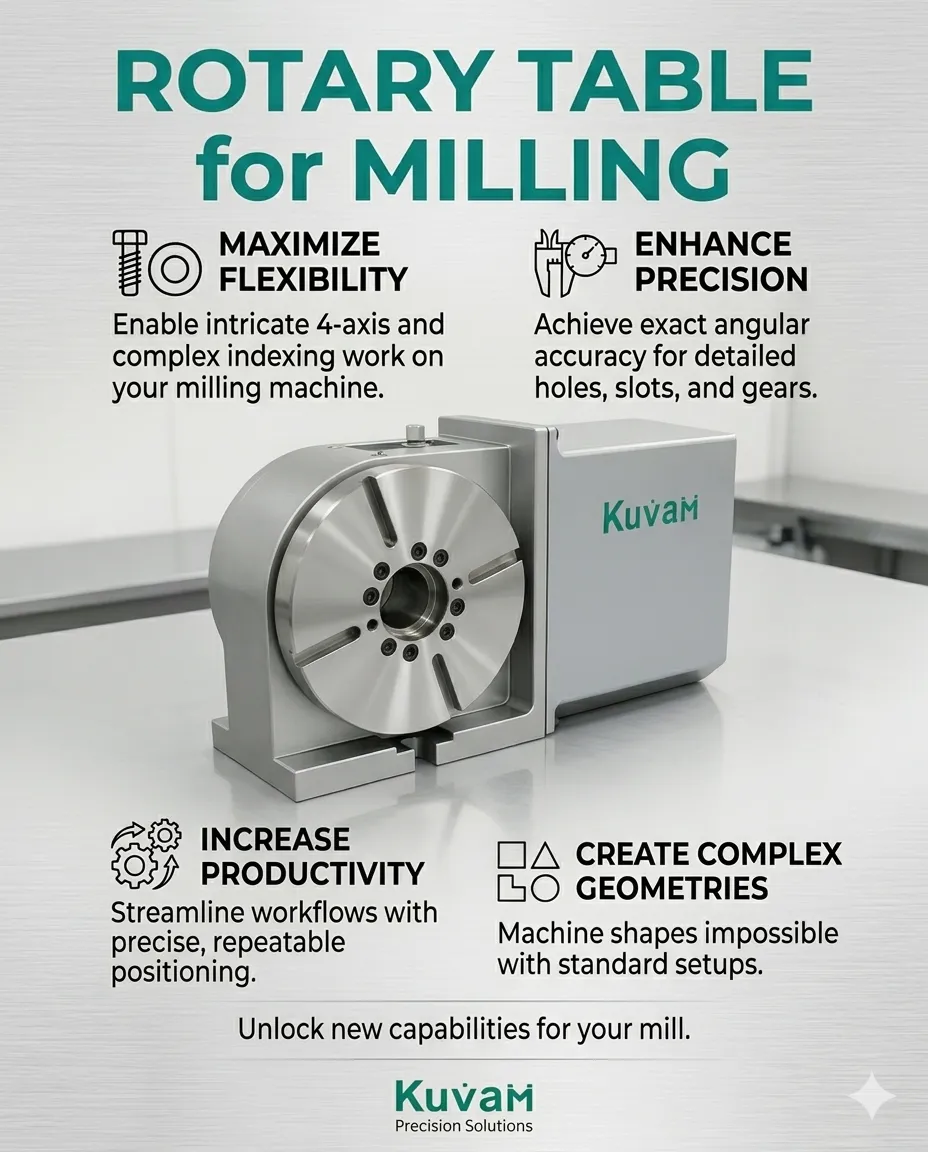

It’s 7:00 AM on a Saturday. The shop is quiet, save for the hum of the fluorescent lights. While most folks are enjoying their first cup of coffee, you’re already there, wrestling with a heavy vise, trying to re-fixture a batch of parts for a critical Monday morning delivery. You’ve already machined two sides, but now you need to flip them, re-align them, and clamp them perfectly to hit the next set of features. This isn't just a physical chore; it's a mental drain, a sacrifice of precious weekend hours just to keep the spindles turning during the week. This is the Saturday Morning Setup Stress, and it’s a silent killer of profit, productivity, and personal time for countless average machine shops.
The Growth Plateau: When Manual Setups Hold You Back
Meet Joe, the owner of a mid-sized job shop that specializes in components for local industrial clients. Joe’s shop has a solid reputation for quality, but he’s constantly battling two major headaches:
1.The Setup Trap: Many of his jobs involve parts that require machining on multiple faces—think valve bodies, brackets, or small housings. Each time, his skilled machinists have to manually unclamp, reorient, and re-clamp the part. This isn't just time-consuming; it’s a breeding ground for errors. Every manual touch introduces the risk of misalignment, leading to scrap, rework, and missed deadlines. Joe estimates that a significant chunk of his labor costs goes into these repetitive, non-value-added setup operations .
2.The Complexity Ceiling: Joe often sees RFQs (Requests for Quote) for slightly more complex parts—components with angled holes, intricate contours, or features on all six sides. He knows these jobs pay better, but his current setup, primarily 3-axis mills, means he’d have to perform an exorbitant number of manual setups, making the job unprofitable or too risky. He’s stuck on a Growth Plateau, watching higher-margin work go to bigger shops with more advanced equipment.
Joe’s machinists are good, but they’re human. The constant grind of manual setups leads to fatigue, frustration, and sometimes, costly mistakes. The Saturday morning ritual isn't a choice; it's a necessity to catch up, a symptom of a system that’s inefficiently consuming his most valuable resources: time and skilled labor. This isn't just about making parts; it's about the quality of life for Joe and his team, and the future of his business.
Your First Step into Automation: The 4th Axis Rotary Table
Imagine if your standard 3-axis mill could suddenly gain a new dimension of movement, allowing it to rotate your workpiece with pinpoint accuracy, all without anyone touching it. That’s the transformative power of a 4th Axis Rotary Table. It’s not just a fancy accessory; it’s your shop’s Entry-Level Automation, a bolt-on upgrade that unlocks a world of efficiency and capability previously reserved for larger, more expensive machines.
What Exactly is a 4th Axis Rotary Table?
At its simplest, a Rotary Table is a precision device that adds a controlled rotational axis to your existing CNC milling machine. Instead of manually flipping and re-clamping your part, you mount it once onto the Rotary Table. The table then rotates the part under the machine’s spindle, allowing you to machine multiple faces or complex contours in a single setup.
There are two primary ways a Rotary Table operates:
•Indexing: This is like a highly precise turntable. The Rotary Table rotates the part to a specific angle (e.g., 90 degrees, 45 degrees), locks it in place, and then your 3-axis machine performs its operations. This is perfect for parts with features on multiple, distinct faces .
•Simultaneous (Contouring): For more advanced applications, the Rotary Table can rotate the part while the cutting tool is engaged. This allows for continuous machining of complex curves, spirals, or cylindrical features, effectively turning your 3-axis machine into a 4-axis contouring powerhouse .
For average shops, the indexing capability alone is often enough to revolutionize their workflow.
How 1 Simple Rotary Table Upgrade Ends Your Setup Stress
The integration of a 4th Axis Rotary Table isn't just a technical improvement; it’s a strategic investment that directly addresses the pain points of Setup Fatigue and the Complexity Ceiling, bringing immediate relief and opening new doors for growth:
1.Eliminate the Manual Setup Marathon: This is the biggest win. Once a part is clamped onto the Rotary Table, it stays there. No more un-clamping, flipping, re-clamping, and re-aligning. The table handles all the repositioning with digital precision. This drastically cuts down setup time, frees up valuable labor, and virtually eliminates errors caused by manual handling .
2.Boost Your 3-Axis Machine’s Capabilities: Suddenly, your existing 3-axis mill can tackle jobs that require machining on 4 or even 5 sides. This means you can bid on those more complex, higher-margin contracts you previously had to turn away. You’re no longer limited by the physical constraints of your machine .
3.Achieve "Done-in-One" Efficiency: By machining multiple faces in a single setup, you reduce overall cycle times, improve part consistency, and significantly increase throughput. This translates directly into higher productivity and better margins on every job.
4.Improve Part Accuracy and Repeatability: Every time you manually re-fixture a part, you introduce potential for error. With a Rotary Table, the part’s position is digitally controlled and repeatable to within arc-seconds. This leads to tighter tolerances, superior surface finishes, and a dramatic reduction in scrap and rework .
5.Reclaim Your Weekends (and Your Sanity): For Joe, the Rotary Table meant an end to his Saturday morning setup stress. His machinists could now complete multi-sided parts efficiently during the week, leaving weekends for family, hobbies, or simply recharging. It’s a direct investment in the well-being of his team and himself, fostering a more positive and productive work environment.
Conclusion: Don't Just Work Harder, Work Smarter
For the average machine shop, the daily grind of manual setups and the frustration of a complexity ceiling can feel like an inescapable trap. But it doesn't have to be. A 4th Axis Rotary Table is more than just a piece of equipment; it's a strategic partner that empowers your shop to work smarter, not just harder. It’s the accessible automation that frees your skilled labor, expands your capabilities, and allows you to take on more profitable work. Stop letting manual setups eat into your profits and your personal time. Embrace the power of stable, automated rotation, and watch your shop move beyond the growth plateau, one perfectly indexed part at a time.












![The Benefits of Using a CNC Touch Probe [Infographic]](https://writeupcafe.com/data/post/1677697/bfdf3e040e67936848aa232d2dfe3d03.jpg.webp)











Sign in to leave a comment.