
Introduction
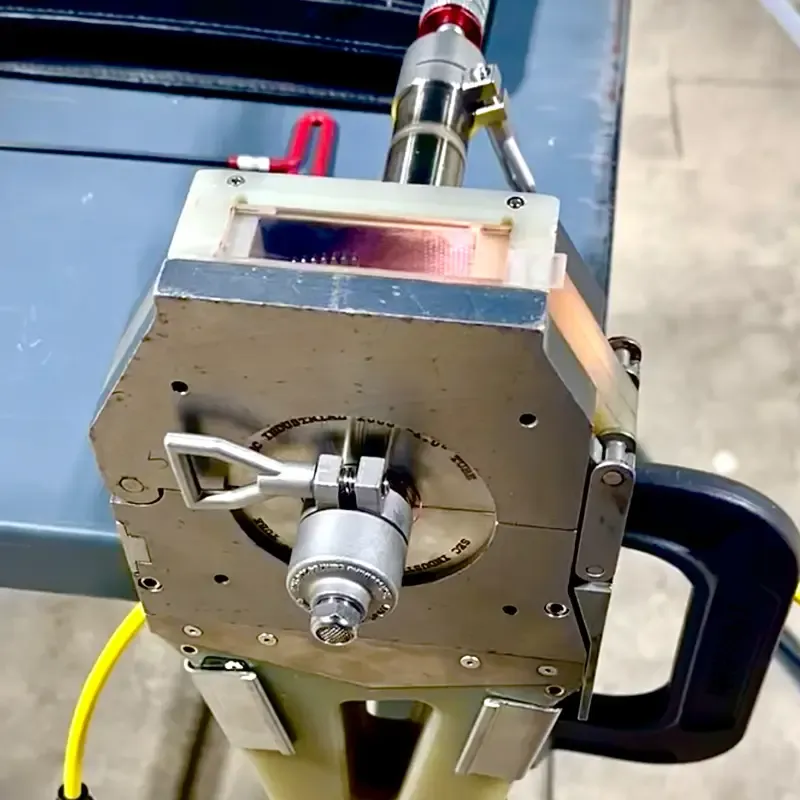
Choosing the right tube facing equipment is a critical decision for any fabrication shop aiming to achieve precision, efficiency, and high-quality welds. Whether you’re working in industries like aerospace, pharmaceuticals, oil & gas, or food processing, properly prepared tube ends are essential for strong, defect-free joints. The right equipment not only improves consistency but also reduces rework, saves time, and enhances overall productivity.
In this guide, you’ll learn everything you need to know about selecting the right tube facing equipment for your shop, from understanding key features to avoiding common mistakes.
What Is Tube Facing Equipment?
Tube facing equipment is a specialized tool used to prepare the ends of tubes or pipes by creating a smooth, square, and burr-free surface. This process ensures that tubes are perfectly aligned and ready for welding or fitting.
Proper tube facing is especially important in high-precision applications where even minor imperfections can compromise the integrity of a weld. By using the right equipment, manufacturers can achieve consistent results and meet strict industry standards.
Why Choosing the Right Equipment Matters
Investing in the right tube facing equipment directly impacts your shop’s performance and output quality. Here’s why it matters:
- Improved Weld Quality: Clean and precise tube ends lead to stronger, more reliable welds.
- Reduced Material Waste: Accurate facing minimizes errors and scrap.
- Increased Productivity: Efficient machines reduce processing time.
- Consistency Across Projects: Automation ensures uniform results every time.
- Enhanced Safety: Modern equipment includes features that protect operators.
Key Factors to Consider When Choosing Tube Facing Equipment
1. Tube Material Compatibility
Different materials require different cutting and facing capabilities. Stainless steel, carbon steel, titanium, and high-alloy materials all behave differently during machining.
Make sure the equipment you choose is designed to handle the materials you commonly use. Using incompatible equipment can lead to poor finishes and increased tool wear.
2. Tube Size Range
Every machine has a specific capacity for tube diameters and wall thicknesses. Before purchasing, evaluate your typical project requirements.
- Small-diameter tubes require precision-focused tools
- Larger pipes need more powerful and robust machines
Choosing equipment with a suitable size range ensures flexibility and long-term usability.
3. Portability vs. Stationary Machines
Your work environment plays a major role in determining the type of equipment you need.
- Portable Tube Facing Equipment:
Ideal for on-site jobs, maintenance work, and tight spaces. These machines are lightweight and easy to transport. - Stationary Tube Facing Machines:
Best suited for workshop environments with high production volumes. They offer greater stability and power.
If your operations involve both shop and fieldwork, consider having a mix of both.
4. Manual vs. Automatic Operation
The level of automation significantly impacts productivity and consistency.
- Manual Machines:
Cost-effective and suitable for small-scale or occasional use. However, they depend heavily on operator skill. - Automatic Machines:
Provide faster operation, repeatable precision, and reduced labor effort. Ideal for high-volume production environments.
If your shop handles large workloads, investing in automation can deliver a strong return on investment.
5. Precision and Surface Finish Quality
Precision is one of the most important factors when selecting tube facing equipment. Look for machines that deliver:
- Square and even cuts
- Burr-free finishes
- Tight tolerances
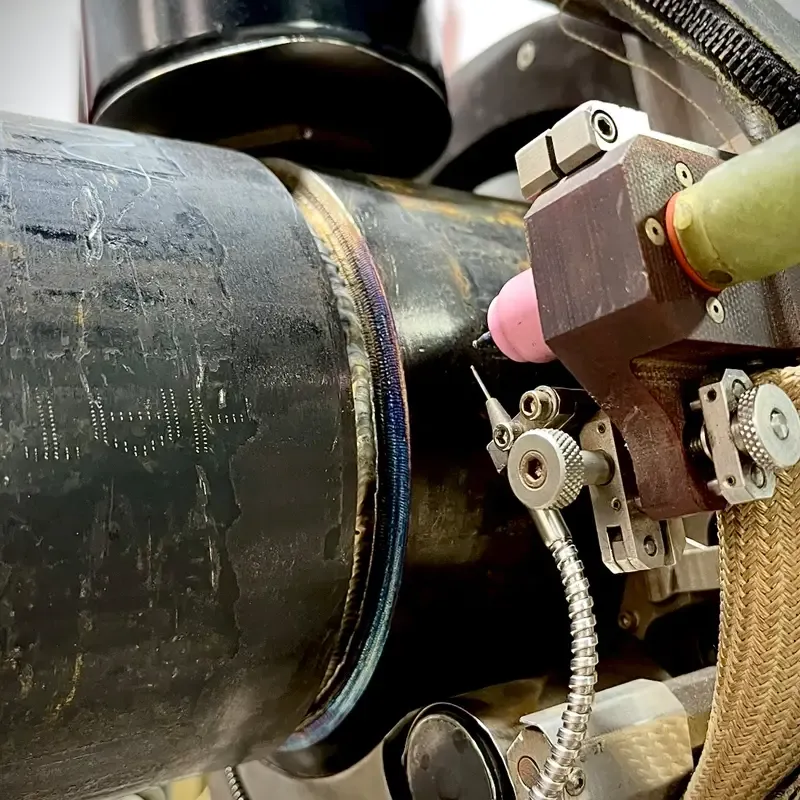
High-quality surface finishes are essential for applications like orbital welding, where accuracy directly affects weld integrity.
6. Ease of Operation
User-friendly equipment can significantly reduce training time and operational errors.
Look for features such as:
- Simple control systems
- Quick setup and changeover
- Ergonomic design
Machines that are easy to operate improve efficiency and reduce downtime.
7. Maintenance Requirements
Regular maintenance is necessary to keep equipment running efficiently. However, some machines are easier to maintain than others.
Choose equipment with:
- Easily replaceable parts
- Accessible components
- Reliable manufacturer support
Low-maintenance machines reduce long-term operational costs and downtime.
8. Budget and Return on Investment (ROI)
While upfront cost is an important consideration, it shouldn’t be the only factor.
A cheaper machine may lead to:
- Higher maintenance costs
- Lower precision
- Increased rework
Instead, focus on long-term value. High-quality tube facing equipment often pays for itself through improved efficiency and reduced waste.
Additional Features to Look For
Modern tube facing equipment comes with a variety of advanced features that can enhance performance:
- Adjustable Speed Control: Allows better handling of different materials
- Versatile Tooling Options: Supports multiple applications
- Strong Clamping Systems: Ensures stability during operation
- Safety Mechanisms: Protects operators and prevents accidents
These features can make a significant difference in both usability and output quality.
Common Mistakes to Avoid
When choosing tube facing equipment, many buyers make avoidable mistakes. Here are a few to watch out for:
- Focusing Only on Price: Low-cost equipment may compromise quality
- Ignoring Future Needs: Choose equipment that can scale with your business
- Overlooking Material Compatibility: Always match the machine to your materials
- Underestimating Operator Skill Requirements: Complex machines may require training
Avoiding these pitfalls can save you time, money, and frustration in the long run.
Best Use Cases for Tube Facing Equipment
Tube facing equipment is widely used across industries that require precision and reliability:
- Orbital Welding Preparation: Ensures perfect alignment for automated welding
- Cleanroom Applications: Critical for contamination-free environments
- High-Purity Piping Systems: Used in pharmaceutical and semiconductor industries
- General Fabrication Shops: Improves efficiency and output quality
Understanding your specific use case will help you choose the most suitable equipment.
Conclusion
Choosing the right tube facing equipment for your shop is not just about selecting a machine—it’s about investing in quality, efficiency, and long-term success. By considering factors such as material compatibility, tube size range, automation level, and precision, you can make an informed decision that meets your operational needs.
The right equipment will not only improve your weld quality but also streamline your workflow, reduce costs, and position your business for growth.
FAQs
What is tube facing equipment used for?
Tube facing equipment is used to prepare tube ends by creating smooth, square, and burr-free surfaces for welding or fitting.
Is automatic tube facing equipment worth it?
Yes, automatic machines are ideal for high-volume operations as they improve speed, consistency, and reduce labor costs.
Can one machine handle multiple tube sizes?
Many machines are designed to handle a range of diameters, but you should always verify specifications before purchasing.
How often should tube facing equipment be maintained?
Regular maintenance, including cleaning, lubrication, and tool inspection, should be performed to ensure optimal performance.








![The Benefits of Using a CNC Touch Probe [Infographic]](https://writeupcafe.com/data/post/1677697/bfdf3e040e67936848aa232d2dfe3d03.jpg.webp)








Sign in to leave a comment.