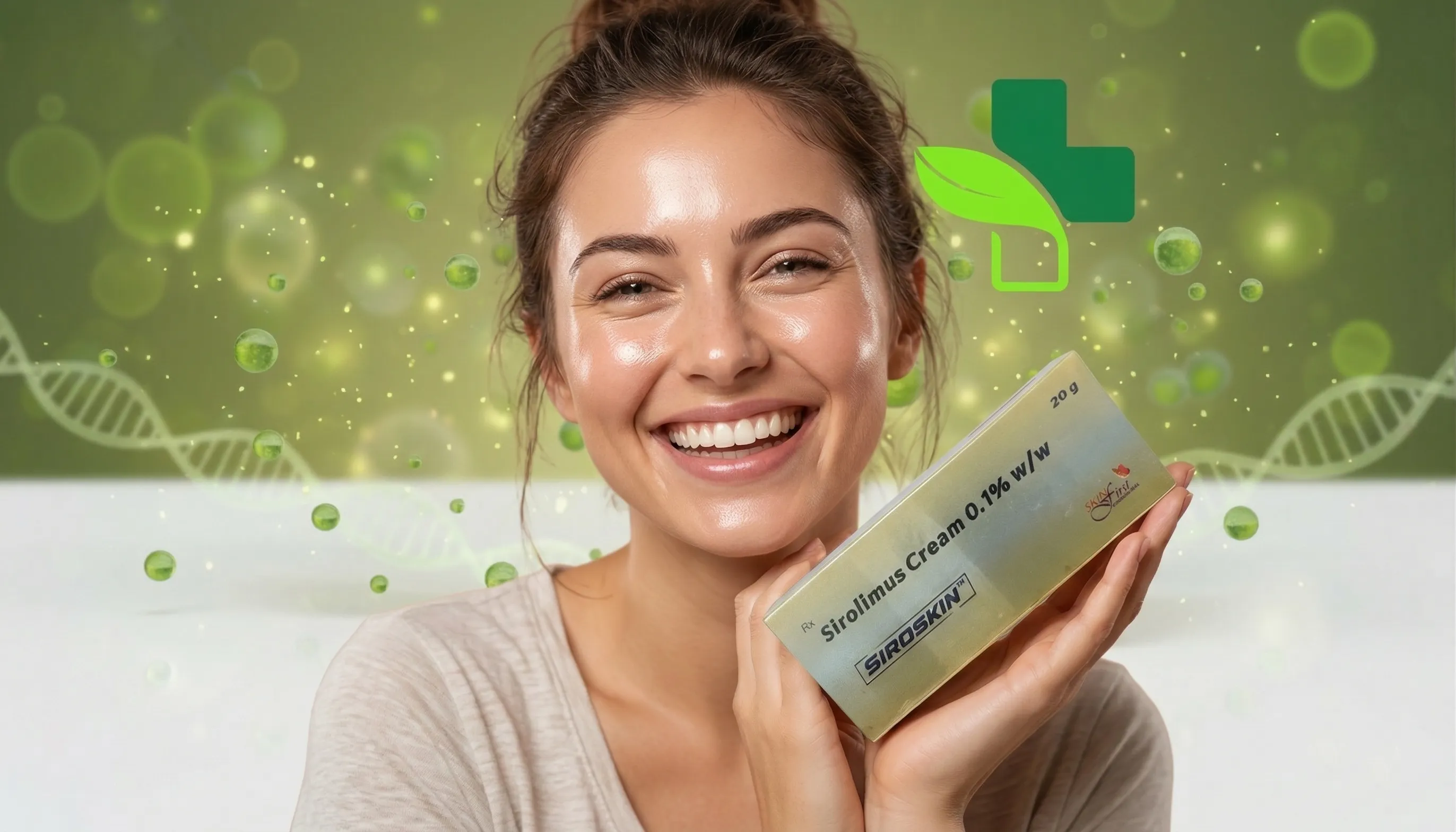

How a remarkable compound discovered on a remote Pacific island is quietly becoming the longevity community's most exciting skin-aging breakthrough
If you've been following the world of longevity science, biohacking, or advanced skincare, one name keeps surfacing with increasing frequency: rapamycin. Also known by its pharmaceutical name sirolimus — the generic term for the same active compound — this remarkable molecule is reshaping how researchers, physicians, and health-conscious individuals think about the biology of skin aging.
And the exciting part? The clinical evidence is backing up the enthusiasm.
In this article, we'll explore exactly how rapamycin works at the cellular level, what a landmark clinical trial revealed about its effects on real human skin, and why SiroSkin from RapaShop is becoming a go-to choice for those serious about evidence-based skin rejuvenation.
The Cellular Science of Skin Aging — And Why Rapamycin Changes Everything
To appreciate what rapamycin does for your skin, it helps to understand what's actually happening beneath the surface as we age.
Deep within your skin lives a population of cells called dermal fibroblasts — the specialized cells responsible for producing collagen, elastin, and the structural proteins that keep skin firm, smooth, and resilient. In youth, these cells work beautifully. With age, something goes wrong at the molecular level — and a pathway called mTOR is at the heart of it.
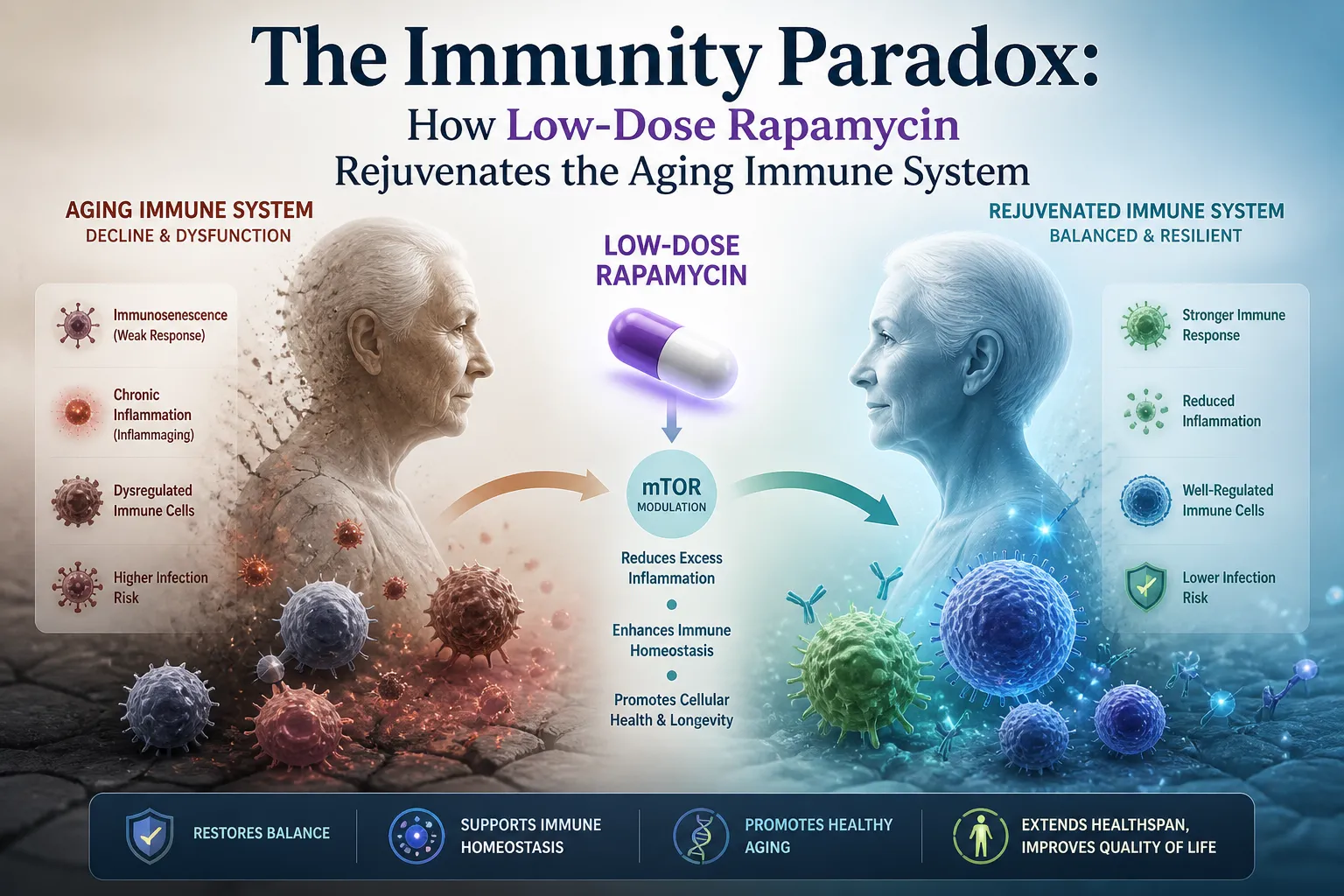
mTOR (mechanistic Target of Rapamycin) is essentially your cell's master growth regulator — a protein complex that controls when cells grow, divide, and produce proteins. Think of it as the dial that determines how "active" your cells are at any given moment. In youth, this dial is well-calibrated. As we age, mTOR becomes chronically overactive, pushing cells past their functional limit and into a state called geroconversion.
Geroconversion — literally meaning "conversion to old age" at the cellular level — is the process by which a healthy, productive cell transitions into what scientists call a senescent cell, sometimes nicknamed a "zombie cell." These cells stop dividing and stop producing collagen, but crucially, they don't die. Instead they linger in the skin tissue and emit a toxic cloud of inflammatory proteins called SASP (Senescence-Associated Secretory Phenotype).
SASP is genuinely destructive to skin. It includes enzymes called MMPs (matrix metalloproteinases) — molecular scissors that actively cut apart the collagen fibers holding your skin together. It also floods the tissue with pro-inflammatory signals like IL-6 and IL-8, driving a chronic low-grade inflammation process researchers have named "inflammaging" — the slow, inflammation-driven deterioration of tissue quality over time.
This is where rapamycin steps in — and the effect is elegant.
By binding to a protein called FKBP12 and forming a complex that directly blocks mTORC1 (the growth-promoting subunit of mTOR), rapamycin acts as a precise molecular brake on this entire aging cascade. It suppresses SASP, quiets the inflammatory signals, restores fibroblast function, and reactivates autophagy — the cell's internal housekeeping and recycling system that clears out damaged proteins and cellular debris.
The result is skin that behaves, at the cellular level, more like younger skin.
Explore pharmaceutical-grade sirolimus at RapaShop
What the Drexel University Clinical Trial Actually Found
The most compelling human evidence for rapamycin's skin benefits comes from a landmark exploratory trial conducted at Drexel University College of Medicine — and the findings are genuinely exciting.
The study enrolled 13 participants all over the age of 40. Each person applied a low-dose rapamycin cream to one hand and an identical-looking placebo cream to the other, every 24 to 48 hours, for a full eight months. Critically, blood tests were taken throughout to monitor absorption — and the results confirmed that zero rapamycin entered the bloodstream. Every benefit was achieved with purely local, targeted action.
After eight months, the treated skin told a remarkable story:
Fine wrinkles visibly reduced — photographic documentation confirmed a clear decrease in fine lines and skin sagging on the treated hand compared to the placebo hand
Increased dermal volume — participants and researchers observed a plumper, more youthful appearance in the treated areas
Surge in Collagen VII — levels of this critical structural protein rose significantly. Collagen VII forms the anchoring fibrils that literally stitch the outer skin layer (epidermis) to the deeper support layer (dermis). More Collagen VII means stronger, more resilient, less wrinkle-prone skin
Dramatic reduction in p16 — p16 is a molecular biomarker (a measurable biological indicator) of cellular senescence. Fewer senescent zombie cells means less SASP, less collagen destruction, and healthier tissue
More organized basal layer — the basal layer is the deepest layer of the epidermis, where new skin cells are born. With age this layer flattens and loses its architecture. Biopsies (small tissue samples taken for lab analysis) of treated skin revealed a more structured, youthful basal layer organization
Brighter, more even skin tone — participants noted a visible improvement in overall complexion uniformity
Every single one of these improvements came from a cream. Applied to the back of the hand. With no systemic exposure whatsoever.
That's what makes topical rapamycin — and SiroSkin from RapaShop — so compelling as an anti-aging approach.
SiroSkin: Bringing Clinical-Grade Sirolimus to Your Skincare Routine
The topical sirolimus formulation available through RapaShop as SiroSkin represents exactly the kind of evidence-based skincare that the Drexel findings point toward.
Unlike conventional anti-aging creams that work by irritating or exfoliating the skin's surface, SiroSkin works at the biological root of aging — suppressing the senescence cascade, reducing SASP-driven collagen destruction, and supporting the skin's own regenerative capacity.
What makes this approach genuinely different from standard cosmeceuticals (a term for cosmetic products with drug-like biological activity):
Mechanism is biological, not cosmetic — rapamycin doesn't just plump or peel; it changes what your cells are doing
Clinically supported — the Drexel findings provide real human data, not just cell culture or animal studies
Zero systemic exposure — confirmed in clinical testing; the drug stays where you apply it Complements other longevity protocols — many users stack SiroSkin with tretinoin (a prescription retinoid that stimulates collagen via a separate pathway) for a dual-mechanism approach to skin rejuvenation
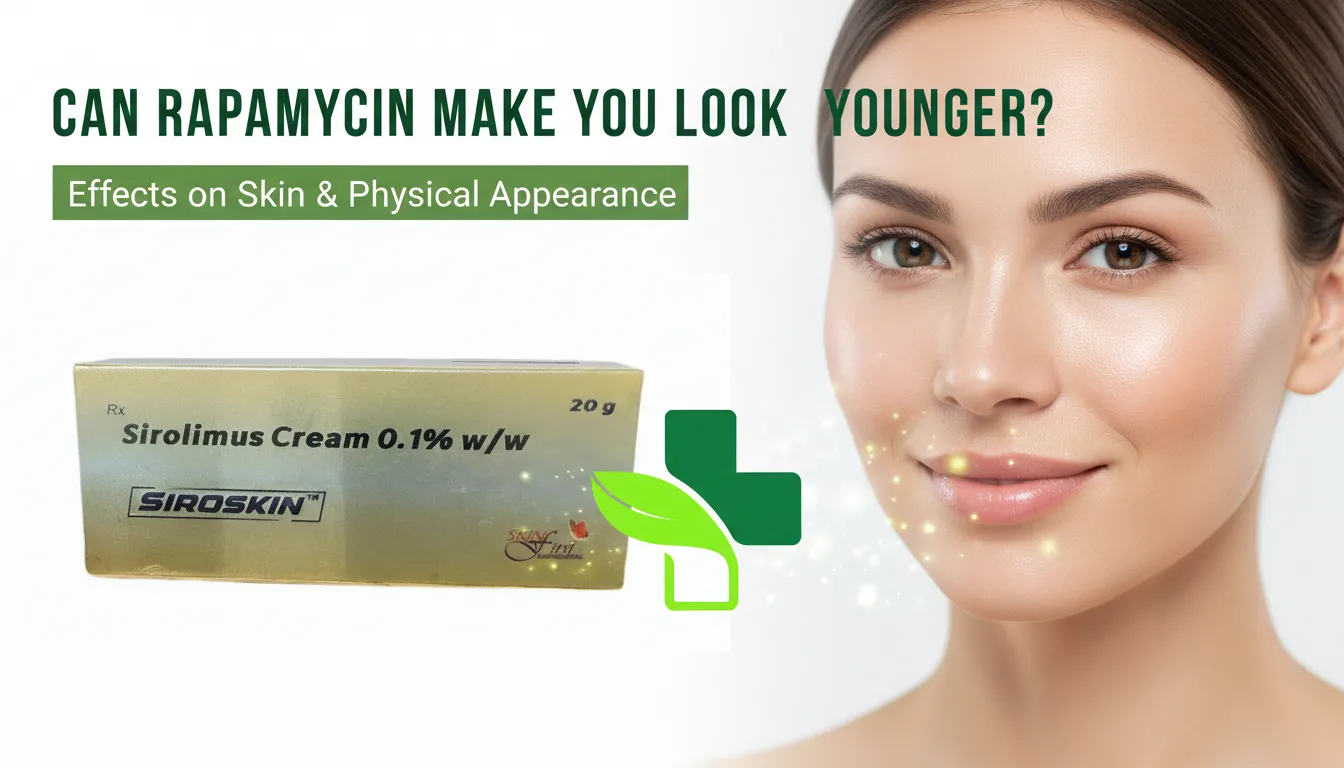
Get SiroSkin topical sirolimus cream at www.rapashop.net
The Full RapaShop Product Range for Longevity and Skin Health
For those exploring both topical and systemic rapamycin protocols, RapaShop offers a comprehensive range of pharmaceutical-grade sirolimus products — each suited to different protocols and goals:
For topical skin rejuvenation:
- SiroSkin Topical Cream — clinical-grade sirolimus cream for targeted skin aging support; the direct topical application option supported by the Drexel trial findings
For oral longevity protocols:
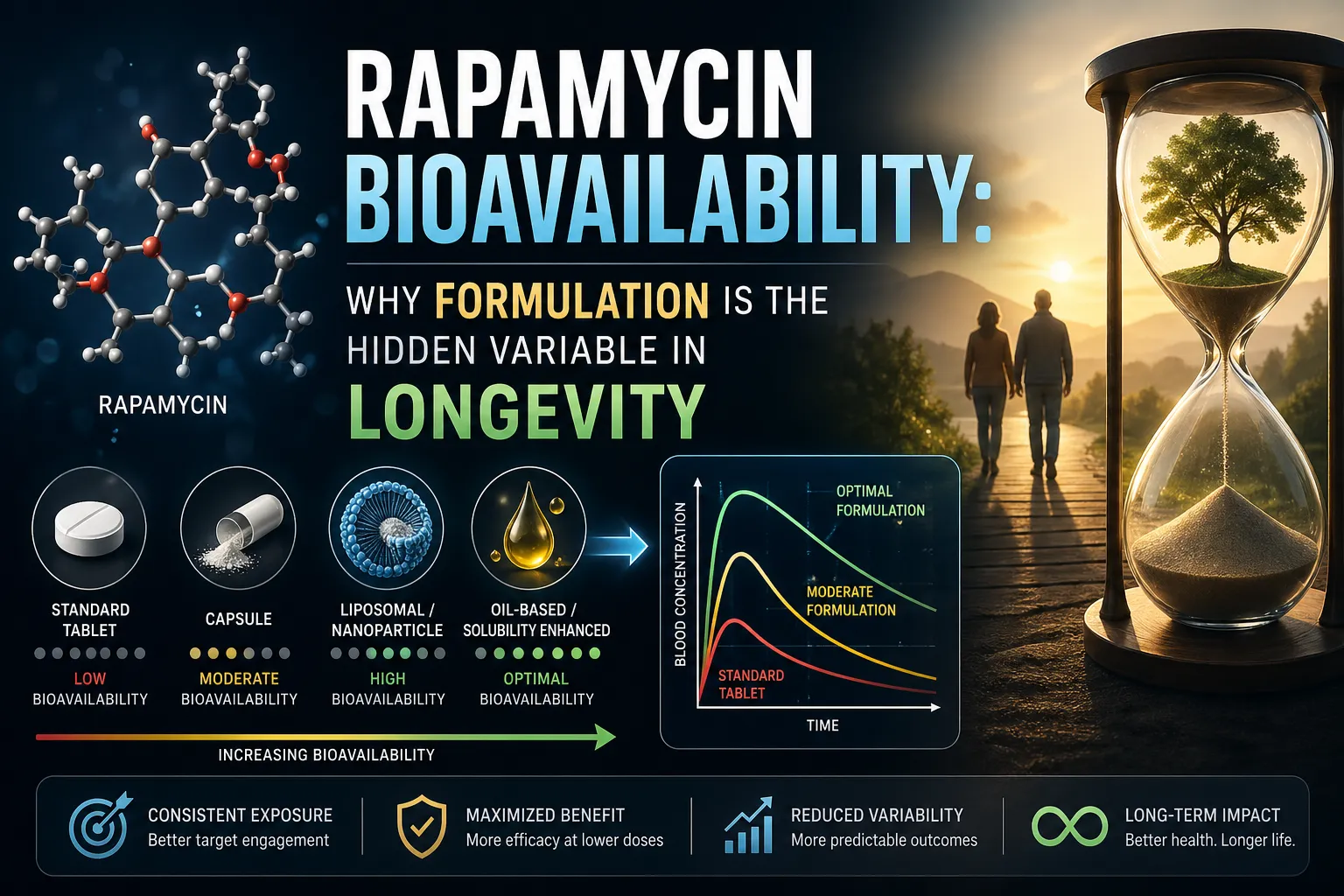
- Rapacan 1mg tablets — an ideal starting point for those new to oral sirolimus; allows precise, low-dose titration (titration = the gradual adjustment of a dose to find the optimal amount)
- Siroboon 2mg tablets — a popular mid-range dose for those using weekly pulsatile protocols
- Siroboon 3mg tablets — widely used in the longevity community for once-weekly dosing
- Siroboon 5mg tablets — higher-dose option typically used by experienced users under physician supervision
RapaShop holds a 4.98/5 store rating and 4.82/5 product rating across 436 verified reviews — a meaningful indicator of quality and reliability in a space where sourcing standards vary considerably.
Browse the full range at www.rapashop.net
Topical Rapamycin vs. Oral Rapamycin — Which Is Right for You?
Both routes offer genuine benefits, and the right choice depends on your goals.
Topical rapamycin is the natural starting point for anyone focused on skin rejuvenation specifically. The clinical evidence is strong, the safety profile is excellent (zero systemic absorption), and the targeted delivery means you're directing the compound's effects exactly where you want them — your face, neck, hands, or décolletage.
Oral rapamycin extends the benefits systemically — meaning throughout the entire body. Oral sirolimus affects subcutaneous structures (tissues beneath the skin surface), internal organs, and cellular aging processes across all tissues simultaneously. Users frequently report improvements in energy levels, exercise recovery, and broader health markers alongside skin benefits. The most widely cited oral longevity protocol is 6mg once per week — a pulsatile dosing schedule (pulsatile = intermittent, with gaps between doses) that effectively inhibits mTORC1 while allowing mTORC2 to recover between doses, preserving insulin sensitivity and cell survival signaling.
Many advanced users incorporate both: SiroSkin topically for direct skin benefits, and oral sirolimus tablets for systemic longevity support.
Real-World Results — What Users Are Reporting
Beyond the clinical data, the lived experience of the longevity community has been consistently encouraging. Across forums, communities, and verified review platforms, rapamycin users describe:
- Skin that feels noticeably "thicker" and more substantial after several months of consistent use — a direct reflection of increased collagen density
- Fine lines and surface wrinkles that have softened and become less defined
- An overall brightness and evenness to skin tone that's difficult to attribute to other factors
- A sense that skin is simply "in great condition for my age" — a subtle but meaningful shift
The consistent theme across all positive reports is patience and consistency. Rapamycin works at the cellular level — changes take time to propagate upward into visible improvements. The 4 to 8 month window cited in clinical studies aligns with what real-world users experience.
Read verified customer reviews at RapaShop
Why Rapamycin Is the Most Exciting Development in Anti-Aging Skincare Right Now
What sets rapamycin apart from every other anti-aging ingredient is its mechanism. Retinoids irritate skin into faster cell turnover. Peptides signal collagen production. Antioxidants neutralize damage after it occurs.
Rapamycin does something more fundamental: it addresses the underlying cellular biology of why skin ages in the first place.
By targeting mTOR — the master aging pathway — it intervenes upstream of all the visible signs of aging. Less senescent cell accumulation means less SASP, less MMP activity, less collagen degradation, and more fibroblasts doing their actual job: building the structural proteins that make skin look and feel young.
This isn't surface-level cosmetics. This is longevity science applied directly to the skin — and the clinical evidence is catching up with the biological logic at an exciting pace.
Start your rapamycin skin rejuvenation journey at www.rapashop.net

Frequently Asked Questions
What is sirolimus and how is it different from rapamycin? They are the same compound. Rapamycin is the common name; sirolimus is the official pharmaceutical (generic) name. Both refer to the same mTOR-inhibiting molecule. Products like SiroSkin and Siroboon from RapaShop contain pharmaceutical-grade sirolimus.
How does SiroSkin work differently from regular anti-aging creams? Most anti-aging creams work at the surface — stimulating turnover, adding moisture, or neutralizing oxidative damage. SiroSkin works at the cellular level by inhibiting mTOR, reducing senescent cell burden, suppressing SASP inflammation, and increasing Collagen VII production — changes that propagate upward into visible skin improvement over time.
How long before I see results from topical rapamycin? Clinical studies and user reports both indicate 4 to 8 months of consistent use before visible improvements in wrinkles, firmness, and tone become apparent. Subtle texture improvements may be felt earlier.
Is topical rapamycin safe for long-term use? The Drexel trial confirmed zero blood absorption, meaning systemic side effects are not a concern with topical use. It is always advisable to consult a dermatologist or longevity physician, particularly if you have sensitive or acne-prone skin.
Can I use SiroSkin alongside other skincare products? Many users combine topical sirolimus with tretinoin for complementary collagen-stimulating effects. Discuss any combinations with a physician, particularly if you use other prescription topicals.
What oral rapamycin products does RapaShop carry? RapaShop stocks Rapacan 1mg, Siroboon 2mg, Siroboon 3mg, and Siroboon 5mg tablets — covering the full range of dosing needs for both beginners and experienced users.
Where can I buy pharmaceutical-grade sirolimus? www.rapashop.net is a trusted, highly-rated source for both oral sirolimus tablets and SiroSkin topical cream, with 436 verified reviews and a 4.98/5 store rating.

















Sign in to leave a comment.