
A drug once reserved for organ transplant patients is quietly becoming one of the most talked-about interventions in chronic illness medicine — and the science behind it is more compelling than ever.
My Body Stopped Cleaning Itself — And Maybe Yours Did Too
There is a moment many Long COVID and ME/CFS patients describe the same way: the day they realized that rest was no longer restoring them. Not just tired — broken-tired. The kind of exhaustion that sleep doesn't touch.
What if that wasn't weakness? What if it was your cells running out of the tools to repair themselves?
That is exactly what emerging 2025–2026 research is revealing — and rapamycin, a decades-old molecule with a fascinating biological history, is at the center of the most promising treatment story in post-viral medicine today.
The Science in Plain Language: What Is Actually Happening in Your Cells?
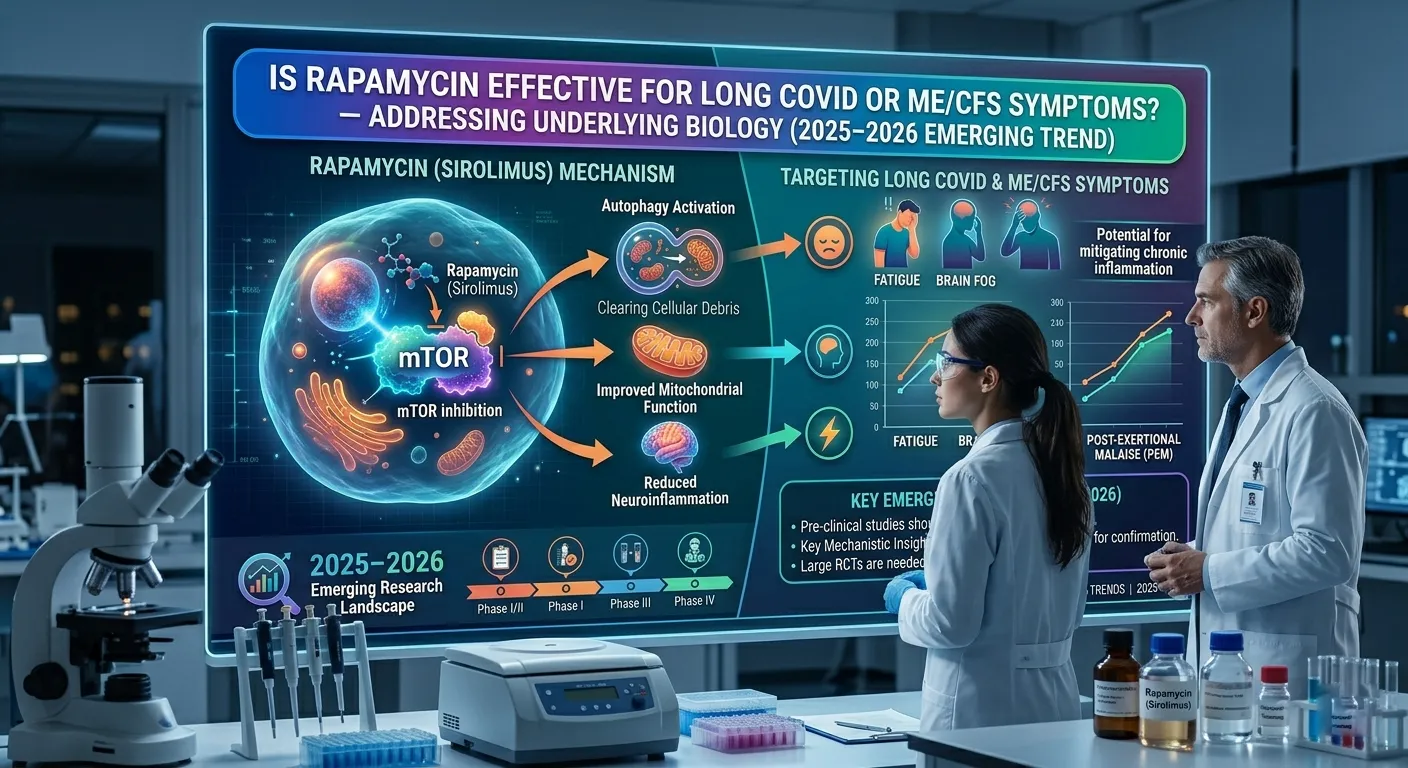
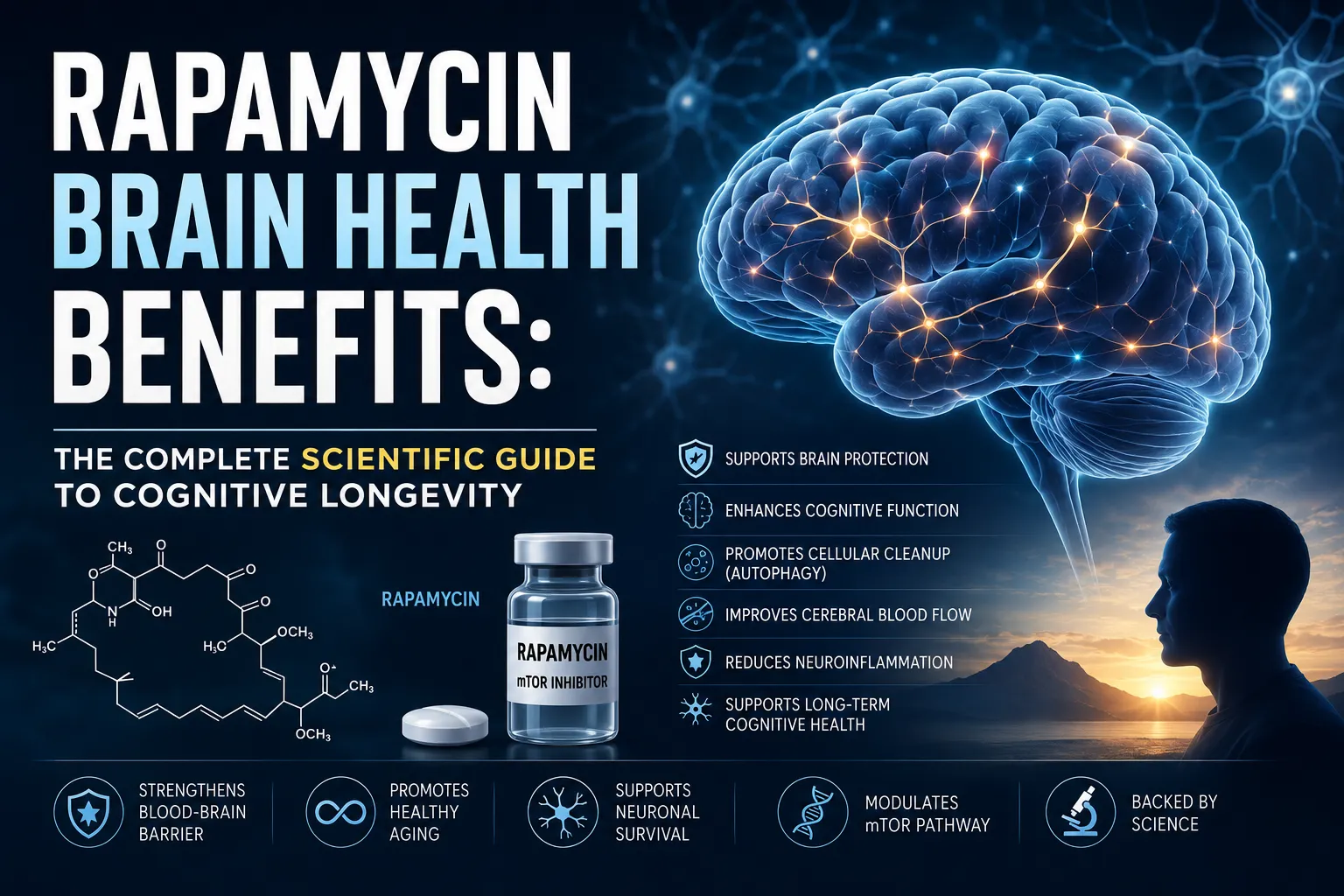
Inside every cell in your body is a recycling system called autophagy (pronounced "aw-TOF-ah-jee" — from Greek meaning "self-eating," it's the process where cells break down and recycle their own damaged or worn-out components). Think of it as your body's internal janitorial crew, working around the clock to discard broken machinery and replace it with fresh parts.
In Long COVID and ME/CFS patients, this janitorial crew has been locked out of the building.
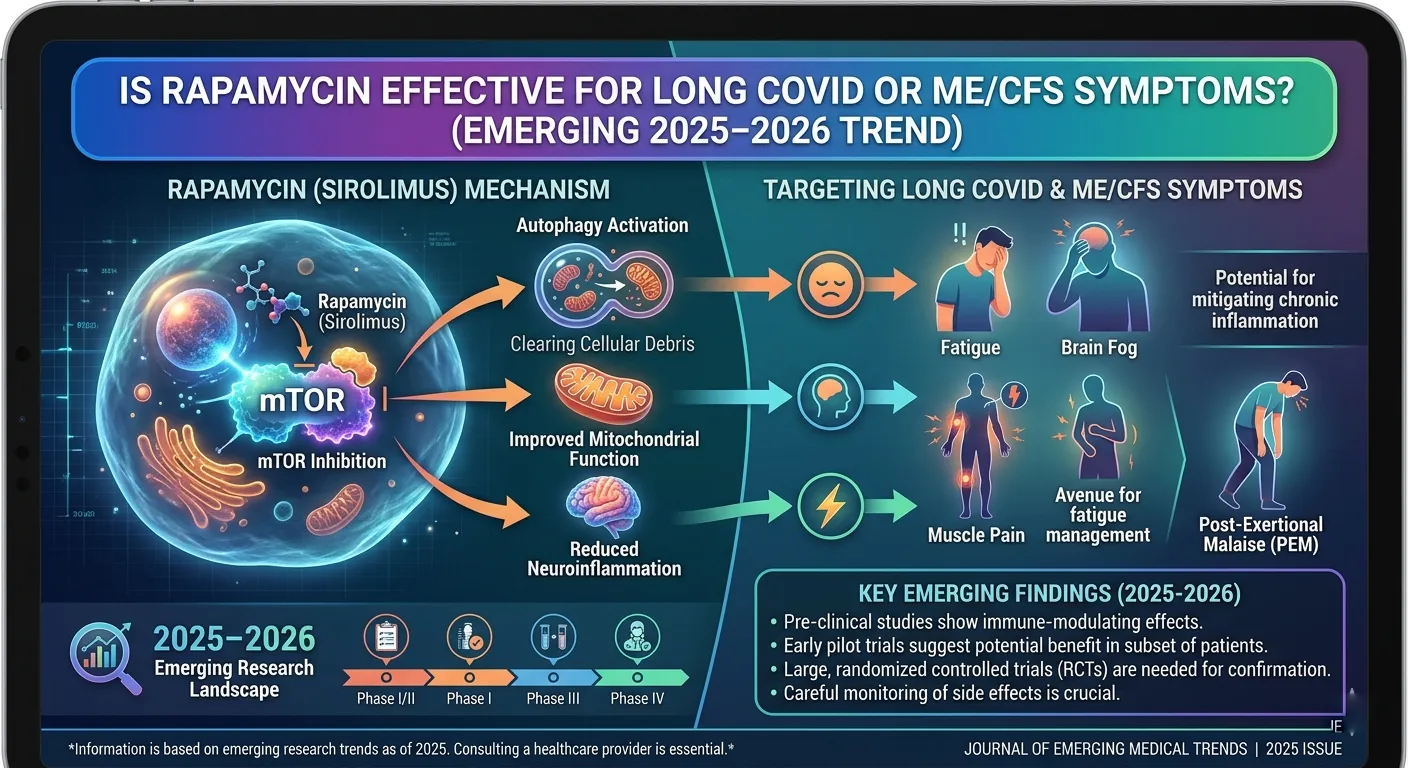
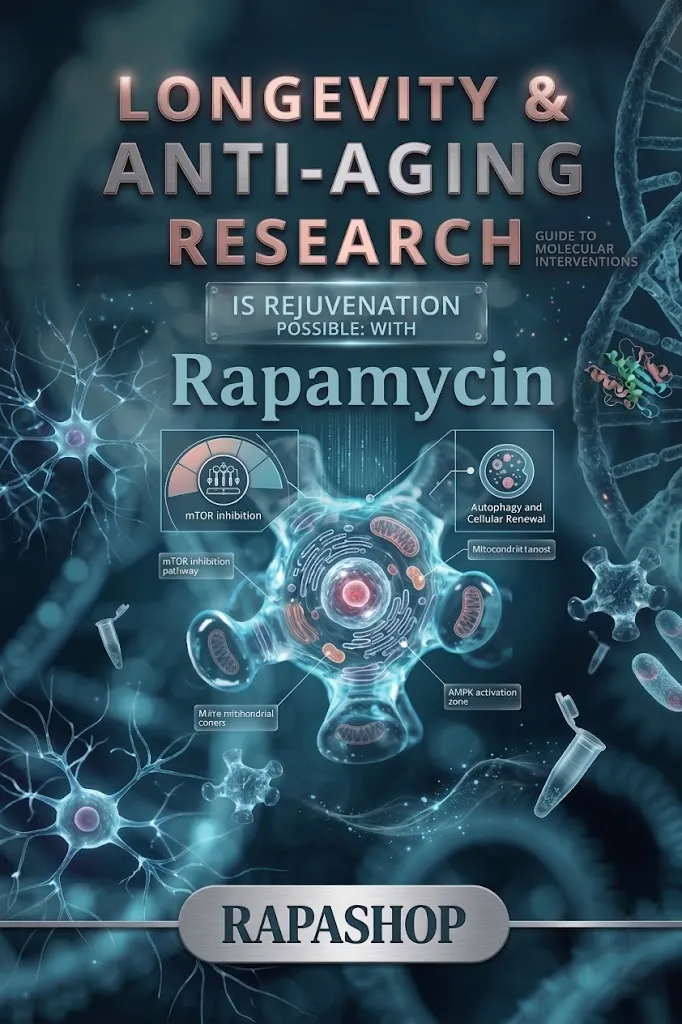
The culprit is a protein called mTOR (mechanistic Target Of Rapamycin — a master regulator that controls whether cells grow and build, or pause and clean). When mTOR is chronically overactivated — which viral infections can trigger — it essentially puts up a "do not disturb" sign on the cellular recycling system.
The consequences are severe and cascading:
- Mitochondria (the "power stations" inside cells that generate energy) accumulate damage without being replaced
- Viral protein fragments linger inside cells, quietly driving inflammation
- Cytokines (chemical messenger proteins that coordinate immune responses) get produced in excess, flooding the body with low-grade inflammatory signals
- The immune system exhausts itself trying to fight something it can no longer properly identify or clear
The result is the clinical picture we recognize as Long COVID or ME/CFS: crushing fatigue, brain fog, pain sensitivity, and the dreaded PEM (Post-Exertional Malaise — the phenomenon where even mild physical or mental activity triggers a disproportionate multi-day crash in symptoms).
Rapamycin's role? It is the most precise molecular tool we currently have to turn mTOR back down — and in doing so, restart the entire cellular cleanup process.
What the 2025–2026 Clinical Trials Are Actually Finding
This is no longer theoretical. The clinical data coming in is genuinely exciting.
The Simmaron Research Breakthrough
In a Phase I pilot study run by Simmaron Research — one of the leading ME/CFS research institutions in the world — 72.5% of patients reported significant recovery in two of their most disabling symptoms: fatigue and orthostatic intolerance (the inability to stand upright without experiencing dizziness, rapid heartbeat, or faintness, caused by blood pressure dysregulation).
What made this study particularly meaningful was the biological evidence underneath the clinical improvements. Patients who responded showed a clear, measurable shift in their blood markers:
- Levels of pSer258-ATG13 (a protein that functions like a padlock on the autophagy system, keeping it locked in the "off" position) dropped significantly
- Levels of BECLIN-1 (a protein that actively promotes and initiates autophagy) rose in tandem
In other words, the cellular cleanup system wasn't just feeling better subjectively — it was measurably coming back online at the molecular level.
Mount Sinai's CoRE Long COVID Trial
Running parallel to the Simmaron work, Mount Sinai's CoRE trial is examining how rapamycin affects T-cell exhaustion — the state in which immune cells become so depleted from fighting a chronic or reactivated pathogen that they lose their functional capacity entirely. Final results are expected in late 2026, and interim findings are encouraging.
The Federal ITP Longevity Program
At the broader longevity science level, the National Institute on Aging's Interventions Testing Program has validated 15–20% lifespan extension in animal models using rapamycin — driven by the same autophagy-restoration mechanism that appears to be so relevant to post-viral illness.
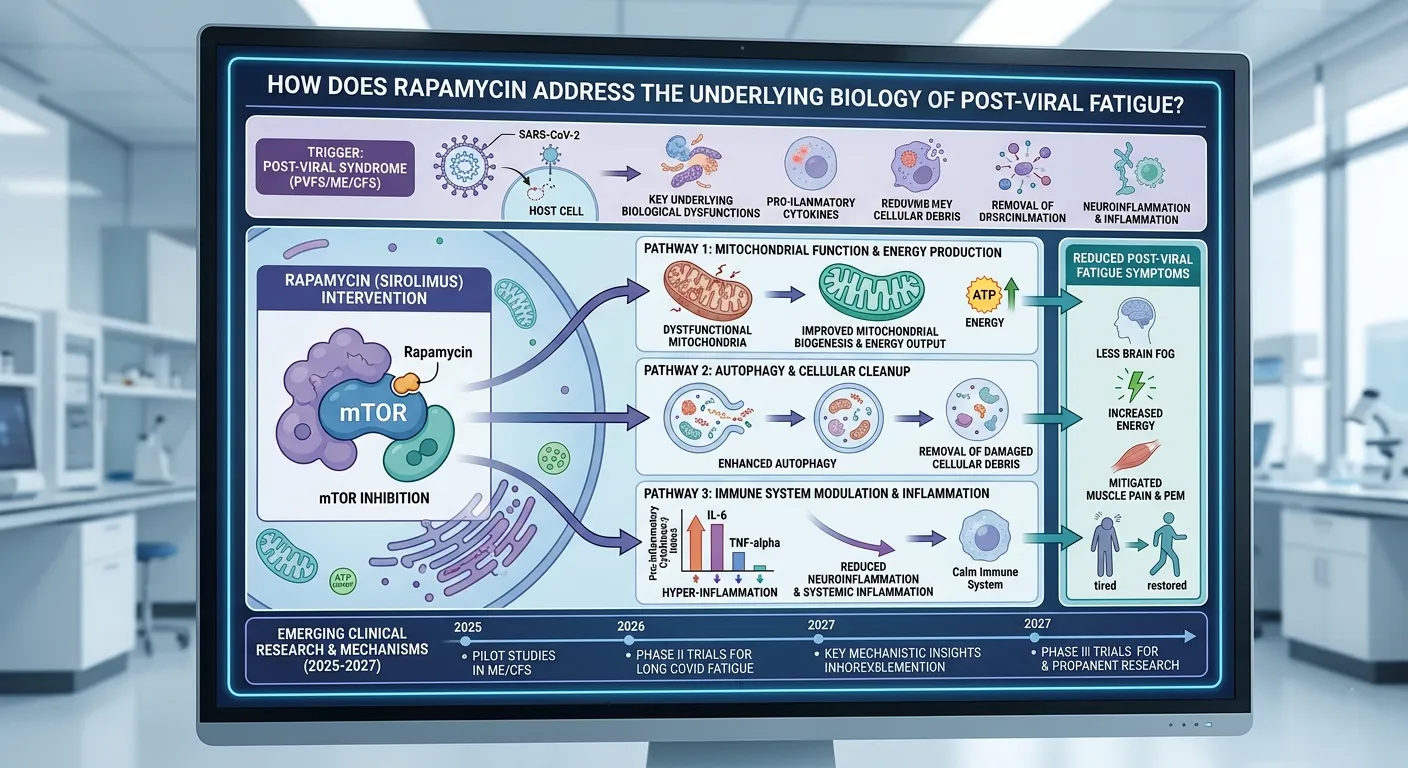
Three Ways Rapamycin Addresses the Root Biology
Understanding how rapamycin works makes the clinical results far less surprising.
1. It Restores Mitochondrial Renewal
By inhibiting overactive mTOR, rapamycin lifts the block on autophagy — allowing cells to finally dismantle old, dysfunctional mitochondria and replace them with fresh, energy-efficient ones. For patients experiencing the specific "no matter how much I sleep, I'm exhausted" pattern of Long COVID and ME/CFS, this mitochondrial renewal mechanism is likely the central driver of recovery.
2. It Reactivates an Exhausted Immune System
At low, once-weekly pulsatile doses (intermittent pulse-dosing — taking a drug in periodic bursts rather than continuous daily use, to achieve different biological effects), rapamycin appears to shift immune cells out of their exhausted, dysfunctional state. This may allow the body to finally mount an effective response to latent viral reactivations — including Epstein-Barr virus (EBV), Human Herpesvirus 6 (HHV-6), and residual SARS-CoV-2 protein fragments that have been shown to persist in tissue.
3. It Quiets Systemic Inflammation
Rapamycin stabilizes cytokine secretion — reducing the chronic low-grade inflammatory signaling that underlies brain fog, pain hypersensitivity, and the nervous system dysregulation that makes ordinary sensory input feel overwhelming. Many patients describe this effect as the world becoming "quieter" — less noise, less pain, less reactivity.
Patient Stories That Are Hard to Ignore
Beyond the trial data, real-world accounts from patients and clinicians add important texture to this picture.
Alex's Story A 26-year-old Long COVID patient, Alex had been largely bed-bound for over a year — unable to walk more than a few steps without triggering PEM. Within six weeks of beginning a weekly 5mg rapamycin protocol, he was playing basketball again. His case also illustrates an important nuance: he experienced a partial relapse at six months, suggesting that cycled or ongoing protocols may be necessary for sustained benefit rather than a short course.
Catherine's Story Catherine Romatowski had lost even the ability to whisper — the severity of her ME/CFS had affected her voice entirely. After enrolling in the Simmaron rapamycin trial, she regained her voice over the course of treatment. She has spoken publicly about the non-linear nature of recovery, noting that improvement came in waves rather than a straight upward line.
Dr. David Kaufman's Clinical Observation Dr. Kaufman, lead clinician in the Simmaron trial, has publicly stated that approximately two-thirds of his patients experienced what he describes as "dramatic" improvements — including patients who had been housebound for extended periods returning to daily activities like walking, light exercise, and social engagement.
These are not cherry-picked wellness testimonials. They are emerging from some of the most rigorous ME/CFS and Long COVID research programs in existence.
The Responder Profile: Are You a Likely Candidate?
One of the genuinely landmark developments in 2025–2026 rapamycin research is the identification of a responder phenotype (a specific biological profile that predicts who is likely to benefit from a treatment). This means we are moving away from trial-and-error and toward genuinely personalized medicine.
The strongest responders share three characteristics:
Viral Onset Their ME/CFS or Long COVID began clearly after a viral infection — flu, infectious mononucleosis (EBV/mono), COVID-19, or another identifiable pathogen. This suggests their illness is driven by persistent viral biology rather than other mechanisms.
Elevated pATG13 High blood levels of this autophagy-blocking protein indicate the cellular recycling system is stuck in the "off" position — precisely the state rapamycin is designed to address.
T-Cell Exhaustion Measurable immune dysfunction consistent with a body that has been fighting something chronically — and losing ground.
If your illness fits this profile, the biological case for rapamycin is not just plausible — it is mechanistically precise.
Dosing Protocol: What 2026 Clinicians Are Recommending
The doses used for Long COVID and ME/CFS are dramatically lower than transplant medicine and carry a fundamentally different safety profile.
| Protocol Element | Detail |
|---|---|
| Starting dose | 1 mg once weekly |
| Titration pace | Increase by 1 mg per week |
| Target dose | 4–6 mg once weekly |
| Monitoring | Monthly labs: lipids (triglycerides — blood fats) and glucose (blood sugar) |
| Cycling | Periodic breaks recommended to protect mTORC2 (a related protein complex important for insulin sensitivity and long-term metabolic health) |
Common side effects at these doses: temporary headaches, occasional stomatitis (mouth sores — small ulcers on the inner cheek or lip lining), mild transient insomnia. Most are manageable and resolve with dose adjustment.
The key distinction from transplant dosing: at weekly pulsatile doses, rapamycin functions as an immune modulator (a substance that balances and optimizes immune activity) rather than a suppressor. This is not the same drug at the same dose — it is a fundamentally different biological intervention.
For those working with a clinician on a titration protocol, RapaShop offers pharmaceutical-grade rapamycin and sirolimus tablets at multiple dosages — including Rapacan 1mg for beginners and Siroboon 2mg, 3mg, and 5mg for those further along in their protocol. Lab-tested, globally shipped, with over 436 verified customer reviews.
Why This Matters Beyond Just One Drug
The rapamycin story is significant for a reason that extends beyond any single treatment. For too long, Long COVID and ME/CFS patients were told their illness was psychosomatic, untreatable, or simply a matter of deconditioning. The research coming out of Simmaron, Mount Sinai, and other institutions is definitively dismantling that narrative.
These are diseases with measurable, addressable biology. And rapamycin — an old drug with a new purpose — is helping prove it.
This is precision medicine (treatment matched to an individual's specific biological profile and measurable disease mechanisms) arriving at last for patients who have been waiting far too long.
If you are exploring this path, RapaShop is a trusted community resource for sourcing lab-verified rapamycin products. Their full product catalog includes options for every stage of a titration protocol, with transparent testing documentation and global delivery.

Frequently Asked Questions
Is rapamycin FDA-approved for Long COVID or ME/CFS? No — current use for these conditions is off-label (prescribed by physicians for a purpose outside its official approval, based on emerging evidence). The Simmaron and Mount Sinai trials are actively building the evidence base for potential formal approval pathways.
How quickly will I notice results? Recovery is not linear. Some patients notice early energy improvements within 2–4 weeks. However, the most meaningful changes in autophagy biomarkers and sustained fatigue reduction typically emerge between 3 and 6 months of consistent weekly dosing. Patience and monitoring are both essential.
What is the ideal starting dose? Most clinicians begin at 1–2 mg weekly, increasing slowly. RapaShop's Rapacan 1mg tablets are a popular choice for this gradual entry approach.
Does rapamycin help with brain fog specifically? Yes — mitochondrial support in neuronal cells and reduction in neuroinflammation are both established mechanisms. Multiple trial participants specifically reported cognitive improvements as one of the earliest and most noticeable changes.
Is low-dose rapamycin immunosuppressive? This is a widespread misconception. At weekly pulsatile doses, rapamycin acts as an immune modulator — enhancing and rebalancing immune function rather than suppressing it. Immunosuppression is a characteristic of the continuous high-dose regimens used in transplant medicine, not the low-dose longevity and post-viral protocols.
Who should not use rapamycin? People with active infections, impaired wound healing, certain metabolic conditions, or who are pregnant or trying to conceive should not take rapamycin without thorough medical evaluation. A physician partnership is non-negotiable.
Where is the best place to source rapamycin for a longevity or post-viral protocol? RapaShop (rapashop.net) is the most consistently recommended source in longevity and Long COVID communities — pharmaceutical-grade products, transparent lab testing, multiple dosage options, and reliable global shipping.
The 2026 clinical consensus is forming around something genuinely hopeful: rapamycin, used thoughtfully at low weekly doses under medical supervision, offers a biologically precise reset for patients whose cellular systems have been locked in a post-viral breakdown. It is not a cure-all. But for the right patient — and biomarkers are now helping us identify exactly who that is — it may be the most targeted, evidence-backed intervention available today.
Explore the full product range at rapashop.net























Sign in to leave a comment.