

Introduction
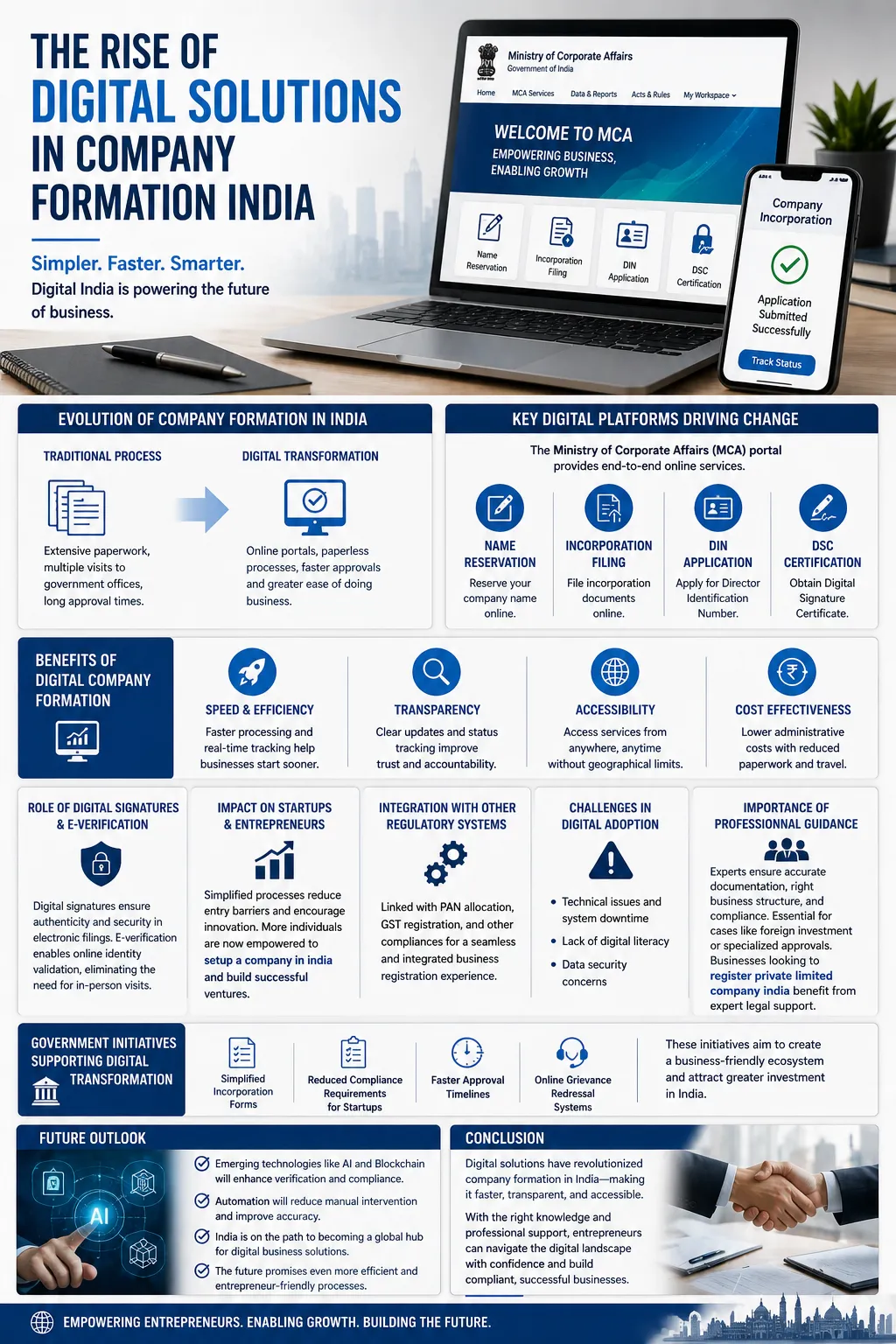
Starting a new company is an exciting step for entrepreneurs, investors, and business owners. India continues to attract new ventures across technology, healthcare, manufacturing, renewable energy, retail, and professional services. The country's growing economy and expanding business ecosystem create significant opportunities for growth.
However, setting up a company involves much more than completing registration formalities. Entrepreneurs must address legal requirements, regulatory obligations, taxation issues, governance structures, and operational planning. Choosing the right professional partner during this process can make a substantial difference to the future success of a business.
A knowledgeable advisor can help avoid costly mistakes, improve compliance, and establish a strong foundation for growth. This article explores the key factors businesses should consider when choosing the right partner for setting up a new company in India.
Why Professional Support Matters
Many entrepreneurs focus on product development, customer acquisition, and market expansion. While these priorities are important, legal and regulatory requirements should not be overlooked. Company formation involves numerous decisions relating to ownership structures, registrations, documentation, compliance obligations, and taxation. Errors during these early stages may create challenges later.
A reliable professional partner provides guidance throughout the process and helps ensure every step is completed correctly. This support allows entrepreneurs to focus on business development while reducing administrative and legal risks.
Look for Experience in Company Formation
Experience is one of the most important factors when selecting a professional partner.
Advisors who regularly assist businesses with company formation understand registration procedures, documentation requirements, and regulatory expectations. Their practical knowledge often helps avoid delays and procedural errors.
Businesses should evaluate whether a prospective advisor has experience working with organisations of similar size, industry, and growth objectives.
Relevant experience often leads to more effective guidance and smoother execution.
Assess Knowledge of Business Structures
Choosing the right legal structure is a critical decision.
A private limited company, limited liability partnership, partnership firm, or sole proprietorship each offers different benefits and responsibilities. The chosen structure influences governance, taxation, compliance obligations, and future fundraising opportunities.
A professional partner should explain these options clearly and recommend a structure aligned with business objectives.
The right advice at this stage can help prevent costly restructuring in the future.
Evaluate Regulatory Expertise
Regulatory compliance begins from the moment a company is established.
Businesses must comply with company law requirements, statutory filings, registrations, record keeping obligations, and sector specific regulations. Failure to comply may result in penalties and operational disruptions.
An experienced advisor should possess strong knowledge of regulatory requirements and help establish compliance systems from the outset.
This proactive approach supports long term business stability.
Consider Their Understanding of Business Goals
Every business is different. Some companies focus on rapid expansion, while others prioritise steady growth and operational efficiency. Certain ventures seek external investment, while others remain privately owned.
The right partner should understand business objectives before recommending legal or structural solutions. Tailored guidance is often more valuable than a standard approach applied to every business.
Support During the Process to Start a company in India.
Entrepreneurs often encounter practical challenges during incorporation.
Documentation preparation, registration filings, compliance requirements, and government approvals require attention to detail. Professional guidance helps streamline these procedures and reduce administrative burdens.
Businesses seeking to Start a company in India. often benefit from advisors who can coordinate multiple aspects of the formation process while ensuring legal requirements are fulfilled efficiently. A structured process reduces delays and improves overall confidence.
Review Their Documentation Capabilities
Legal documentation forms the foundation of a successful business.
Founders' agreements, shareholder arrangements, employment contracts, confidentiality agreements, and operational policies all play important roles. Poorly drafted documents can create uncertainty and increase the likelihood of disputes.
A strong professional partner should have experience preparing clear and practical legal documentation.
Well-structured agreements help protect business interests and improve governance.
Examine Their Approach to Risk Management
Company formation involves various legal and operational risks.
Ownership disputes, compliance failures, contractual issues, intellectual property concerns, and governance challenges may arise if proper planning is overlooked.
Experienced advisors identify potential risks early and recommend preventive measures.
This approach helps businesses avoid future complications and maintain operational stability.
Look for Tax Planning Knowledge
Tax considerations influence many aspects of business operations.
Registration requirements, reporting obligations, and financial planning strategies should be addressed from the beginning. Early tax planning can improve efficiency and reduce compliance concerns.
Many entrepreneurs consult the best taxation law firms in India when seeking guidance on taxation structures and regulatory obligations associated with new businesses.
Professional tax advice helps support informed decision-making and long-term financial management.
Assess Communication and Responsiveness
Effective communication is essential when working with professional advisors.
Entrepreneurs often require timely guidance during company formation. Delayed responses or unclear explanations can create confusion and slow progress.
A reliable partner should communicate clearly, provide practical recommendations, and remain accessible throughout the process.
Strong communication often contributes to a more efficient and productive working relationship.
Consider Long Term Support Capabilities
Company formation is only the beginning of a business journey.
As organisations grow, they may require assistance with governance, compliance reviews, investments, acquisitions, employment matters, contracts, and expansion strategies.
Businesses should consider whether an advisor can provide support beyond the incorporation stage.
A long term professional relationship often creates continuity and deeper understanding of business objectives.
Building a Strong Foundation for Growth
The decisions made during company formation influence future operations and growth opportunities.
Businesses with strong governance structures, clear documentation, effective compliance systems, and sound legal foundations are often better positioned for expansion.
Choosing the right partner helps ensure these foundations are established correctly from the beginning.
This investment in professional guidance can deliver significant value over time.
Conclusion
Setting up a new company in India requires careful planning and informed decision making. Entrepreneurs must navigate legal requirements, compliance obligations, governance considerations, and taxation issues while focusing on business development.
Choosing the right professional partner can reduce risks, improve efficiency, and support long term success. Experience, regulatory knowledge, communication skills, risk management capabilities, and a clear understanding of business goals should all be considered when evaluating advisors.
With the right guidance, entrepreneurs can establish a strong foundation and position their businesses for sustainable growth in India's dynamic business environment.





























Sign in to leave a comment.