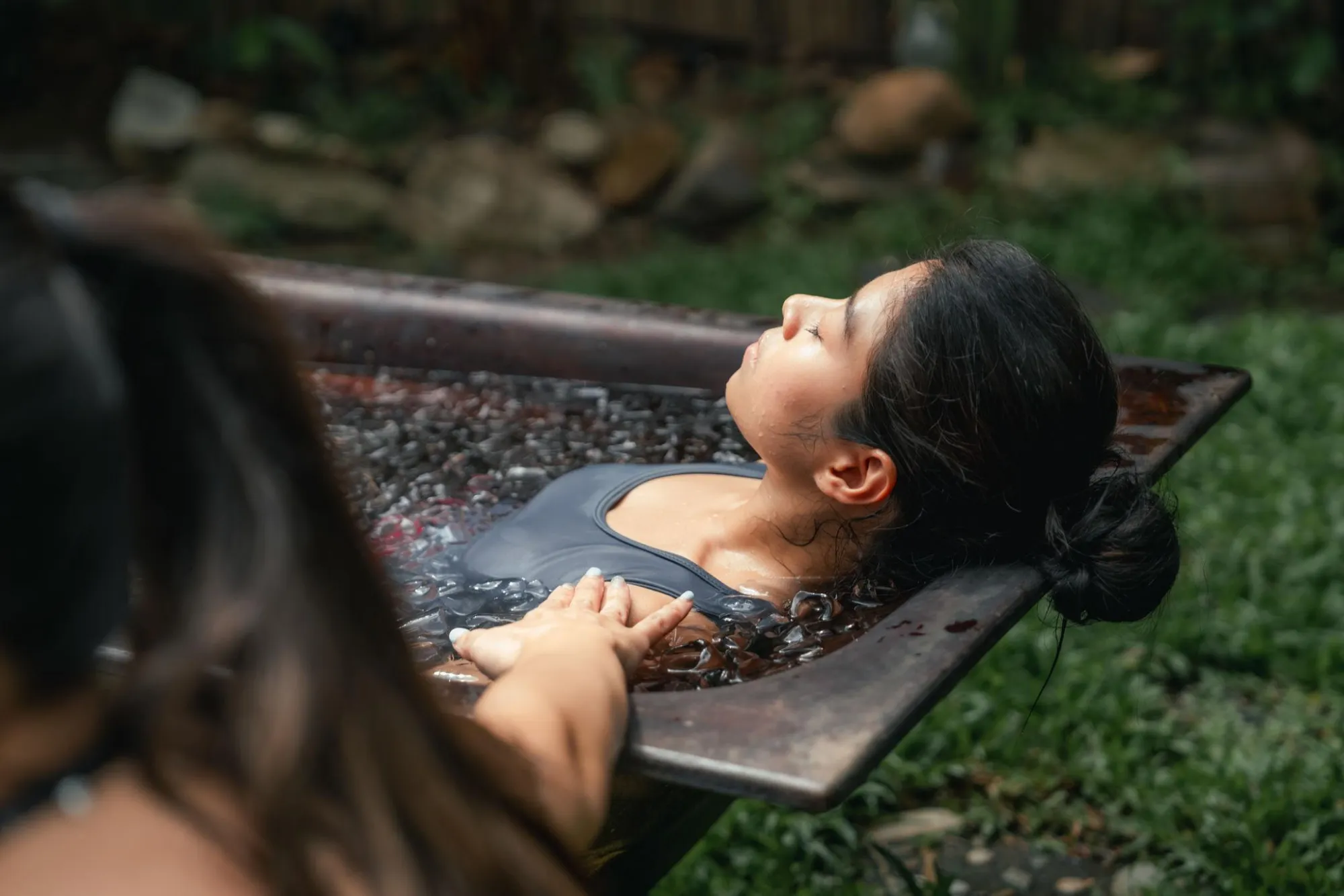

Introduction: Why Cold Plunge Therapy Is Becoming So Popular
The practice of using a cold plunge after workout has rapidly evolved from a niche recovery technique used only by elite athletes into a mainstream wellness and fitness trend. Today, it is common to see professional sports teams, endurance athletes, UFC fighters, and even celebrities incorporating cold water immersion into their recovery routines. Public figures such as LeBron James and Cristiano Ronaldo have helped normalize the practice, while the Wim Hof Method has introduced millions of people to the mental and physiological benefits of extreme cold exposure.
What makes this trend so enduring is not just its popularity, but the tangible way it affects both physical recovery and mental resilience. After intense training, the body experiences inflammation, muscle fatigue, and nervous system stress. A cold plunge provides a controlled stressor that triggers a powerful recovery response. Many users report feeling instantly refreshed, mentally sharper, and more energized after just a few minutes in cold water. Over time, this ritual becomes not only a recovery tool but also a form of mental conditioning that builds discipline and stress tolerance.
Science-Backed Benefits of Cold Plunge After Workout
Muscle Recovery and Reduced Soreness
One of the primary reasons athletes rely on cold immersion is its ability to support muscle recovery. After strenuous exercise, muscle fibers develop microscopic damage, which leads to soreness, stiffness, and temporary inflammation. When the body is exposed to cold water, blood vessels naturally constrict, which reduces swelling and slows down the metabolic activity in the affected tissues.
Once the body warms back up after the plunge, blood flow increases again, creating a flushing effect that helps remove metabolic waste such as lactate. This process can reduce the intensity and duration of delayed onset muscle soreness (DOMS), allowing athletes to train more consistently without prolonged discomfort. While cold therapy does not eliminate muscle adaptation, it can significantly improve short-term recovery efficiency.
Inflammation Reduction and Joint Support
Another key benefit of a cold plunge after workout is its effect on inflammation control. Intense physical activity naturally triggers an inflammatory response, which is part of the body’s healing mechanism. However, excessive or prolonged inflammation can slow recovery and contribute to joint stiffness or discomfort.
Cold water immersion helps regulate this process by reducing tissue temperature and slowing down inflammatory signaling pathways. Over time, regular use may support joint health and mobility, especially in individuals who engage in repetitive or high-impact training. This is one of the reasons why many endurance athletes and weightlifters incorporate cold water therapy into their weekly recovery routines, particularly during heavy training cycles.
Dopamine Release and Mental Performance
Beyond physical recovery, cold exposure has a significant impact on brain chemistry. Research suggests that cold immersion can trigger a substantial increase in dopamine levels, the neurotransmitter associated with motivation, focus, and mood regulation. Unlike stimulants that produce short-lived energy spikes, the dopamine response from cold exposure tends to be more sustained and stable.
This neurochemical shift often results in improved mental clarity, reduced stress perception, and a stronger sense of alertness after the session. Many users describe the experience as mentally “resetting,” helping them feel more disciplined and emotionally balanced throughout the day. This is one of the key reasons cold plunges are not only used after workouts but also integrated into morning routines for productivity and mental performance.
Circulation and Full-Body Recovery Response
Cold immersion also stimulates a powerful circulatory response. During exposure, blood vessels constrict to preserve core body temperature. Once you exit the cold water, the vessels rapidly dilate, increasing blood flow throughout the body. This vascular “rebound effect” enhances oxygen delivery and nutrient transport to muscles and tissues.
This improved circulation supports overall recovery efficiency and can help reduce feelings of fatigue after intense training sessions. It also contributes to a sense of physical rejuvenation that many users describe as one of the most noticeable immediate benefits of cold plunging.
Buying Guide: Best Cold Plunge Systems for Home Use
When choosing a cold plunge after workout system, the right option depends heavily on your budget, convenience expectations, and how frequently you plan to use it. Cold plunge setups generally fall into three main categories, each offering different levels of control, cost, and user experience.
Portable Cold Plunge Tanks (Budget-Friendly Option)
Portable or inflatable cold plunge tanks are the most accessible entry point into cold water therapy. These setups typically involve a collapsible tub that can be filled with water and ice. They are designed for convenience and affordability, making them ideal for beginners who want to test cold exposure without investing heavily.
The main advantage of portable systems is their flexibility. They can be set up almost anywhere, used occasionally, and stored away when not in use. However, they rely entirely on manually added ice, which means temperature consistency can vary significantly depending on usage and environment.
Chiller-Integrated Cold Plunge Systems (Premium Option)
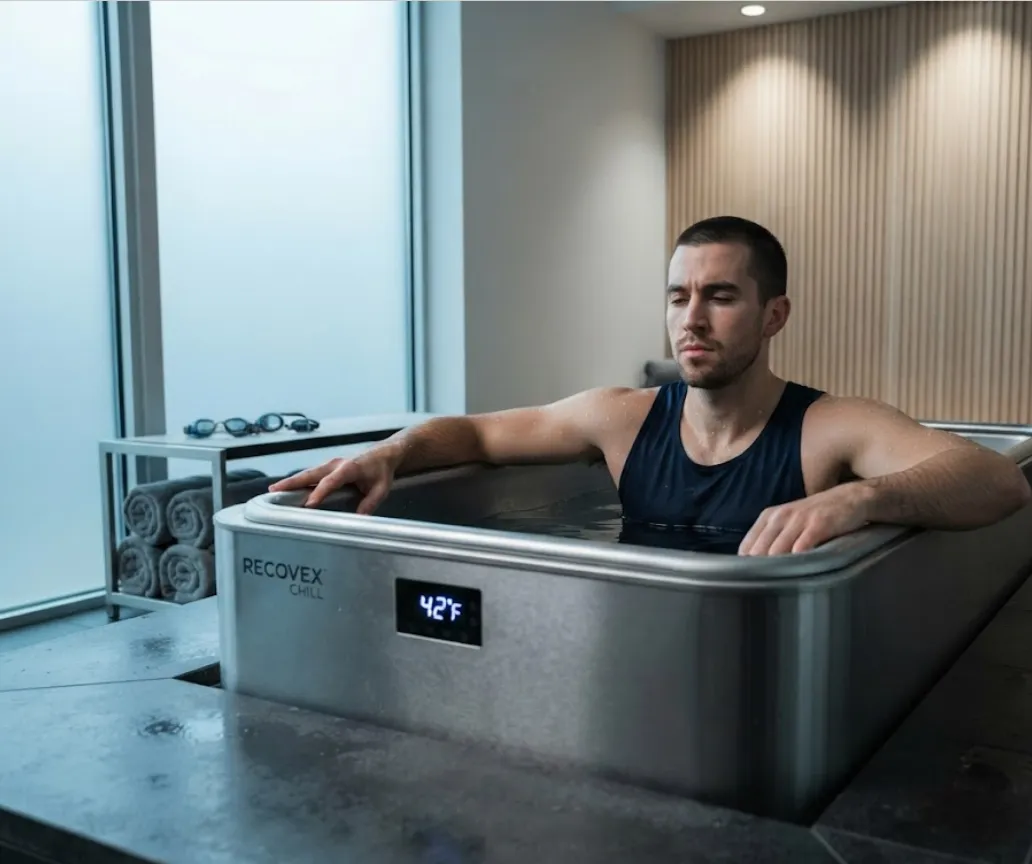
At the higher end of the spectrum are chiller-integrated systems, which are often considered the best cold plunge for home gym setups. These advanced units use a built-in water chiller for cold plunge, allowing precise temperature control without the need for ice.
With these systems, users can maintain consistent temperatures ranging from approximately 4°C to 13°C, depending on preference. Many models also include filtration systems such as ozone or UV purification, ensuring clean water even with frequent use.
The biggest advantage of these systems is convenience and reliability. They are ideal for serious athletes or individuals who integrate cold exposure into their daily recovery routine. The main drawback is cost, as these systems require a higher upfront investment and ongoing electricity usage.
DIY Chest Freezer Conversions
A more unconventional but popular option is converting a chest freezer into a cold plunge tub. This method is often chosen by fitness enthusiasts looking for a cost-effective long-term solution.
When properly set up with a temperature controller, a chest freezer can maintain very stable cold temperatures and provide strong insulation. However, this approach comes with safety considerations, including electrical modifications and the need for proper waterproofing. Additionally, most DIY setups lack built-in filtration, meaning water hygiene must be managed carefully.
Key Features to Look For in a Cold Plunge System
When evaluating recovery tubs, it is important to focus on features that directly impact usability, safety, and long-term performance.
Temperature control is one of the most important factors. Ideal cold plunge temperatures typically range between 10°C and 15°C for most users, although advanced athletes may prefer lower settings for deeper cold exposure.
Filtration systems also play a crucial role in maintaining hygiene, especially for frequent use. Ozone or UV filtration systems help keep water clean and reduce the need for constant water changes.
Insulation quality determines how efficiently the system maintains temperature. Better insulation reduces energy consumption and ensures more stable cooling over time.
Size and ergonomics should not be overlooked either. A good cold plunge should allow full-body immersion while still being comfortable enough for controlled breathing.
Step-by-Step Guide: How to Do Cold Plunge After Workout for Beginners
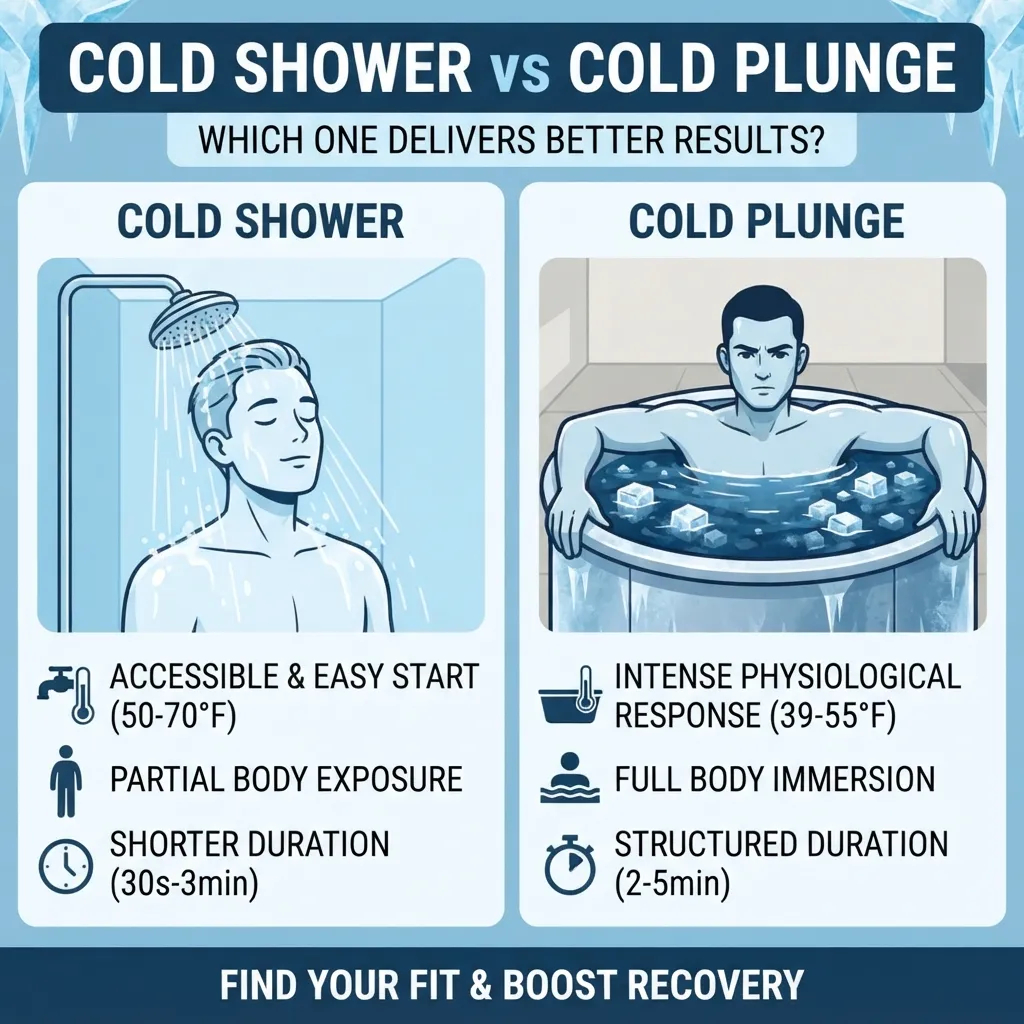
For individuals new to cold water therapy, it is important to approach the practice gradually. The first step is to begin at a moderate temperature, typically around 15°C to 18°C, to allow the body to adapt to the shock of cold exposure without overwhelming the nervous system.
Initial sessions should be kept short, ideally between one to three minutes. As tolerance builds, exposure time can gradually increase to five to ten minutes depending on comfort and experience level.
Breathing control is essential during immersion. The initial cold shock response is natural, but slowing down breathing helps regulate heart rate and maintain calmness.
Timing also matters. Cold plunges are most commonly used after intense workouts such as strength training or endurance sessions. However, they should not always be used immediately after every workout if muscle growth is the primary goal, as inflammation also plays a role in adaptation.
After exiting the cold water, it is recommended to allow the body to warm up naturally through movement and gradual rewarming rather than immediately taking a hot shower.
Is a Cold Plunge Worth the Investment?
A cold plunge after workout routine can be a highly valuable addition for individuals who train regularly and prioritize recovery. For athletes, fitness enthusiasts, or people with physically demanding lifestyles, it can significantly enhance recovery efficiency, reduce soreness, and improve mental resilience.
For beginners, portable systems offer an affordable way to experience cold therapy before committing to advanced setups like commercial cold plunge systems or chiller-based recovery tubs.
Ultimately, the value of the investment depends on how consistently it is used and how important recovery optimization is within your fitness routine.





















Sign in to leave a comment.