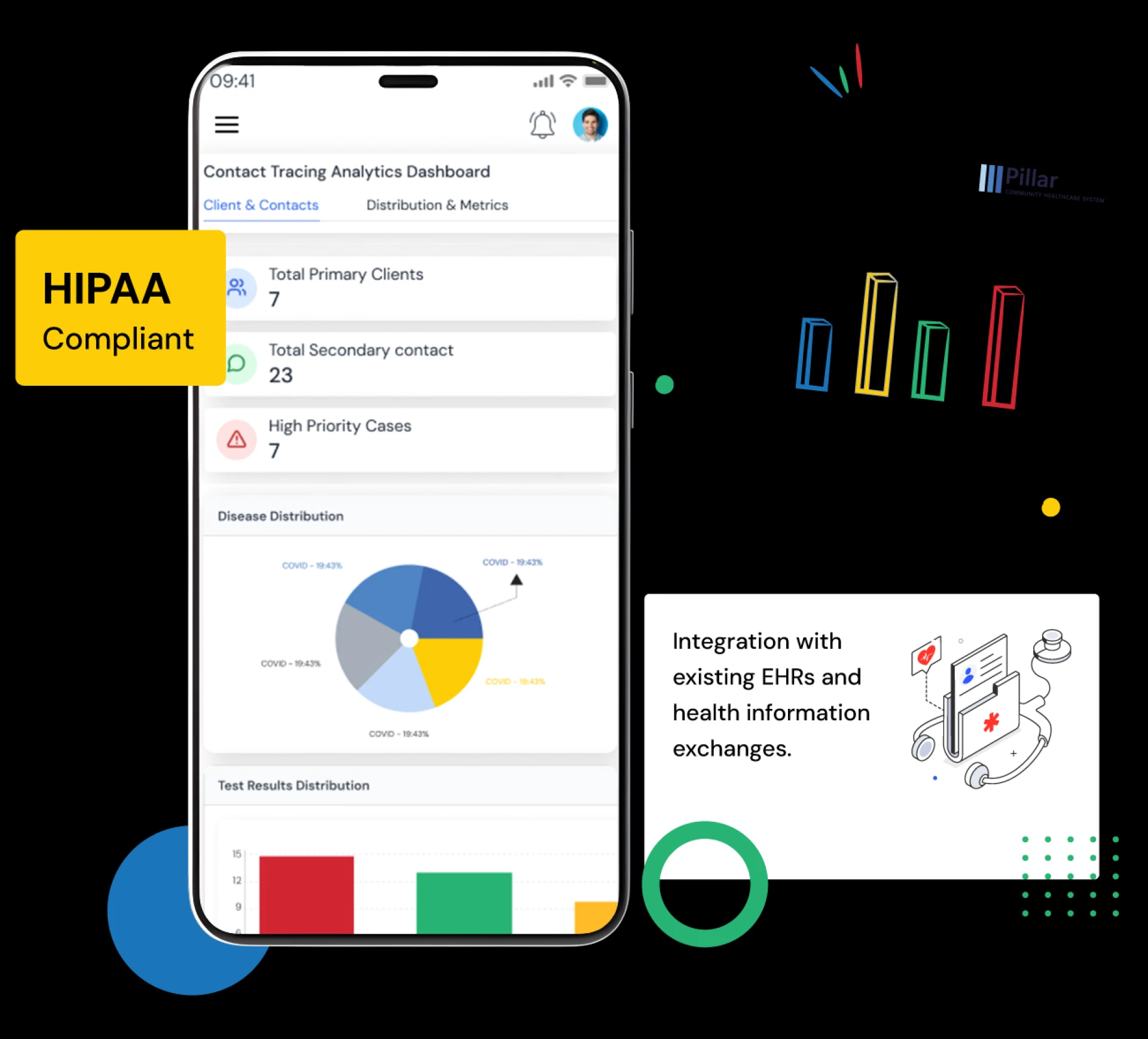

In today’s fast-paced world, communities are at the center of addressing critical healthcare challenges. From chronic disease management to preventive wellness, local health organizations often serve as the first line of defense. However, these organizations face significant challenges, including fragmented communication, limited resources, and the growing demand for personalized care. This is where Community Healthcare Management Software plays a transformative role. By providing a centralized platform that bridges gaps between providers, patients, and support systems, this technology empowers communities to deliver more effective and equitable healthcare services.
Community-focused health initiatives are no longer just about clinics and hospitals. They encompass social care services, outreach programs, and holistic support for individuals who need both medical attention and social assistance. The software allows these diverse stakeholders to work together seamlessly, ensuring that care is coordinated, resources are optimized, and outcomes are significantly improved.
The Challenges in Community Healthcare Systems
Community healthcare ecosystems are complex. They involve physicians, social workers, nonprofit organizations, and even local government agencies. Without proper coordination, patients often experience delays, missed treatments, or duplicated services. This lack of alignment creates inefficiencies and increases costs while reducing the quality of care delivered.
Other common challenges include:
- Data silos: Patient information is scattered across different systems, making it difficult for providers to access real-time insights.
- Limited collaboration: Organizations may work in isolation, reducing their ability to deliver comprehensive care.
- Resource constraints: Many community health organizations operate on limited budgets, making it essential to streamline operations.
- High demand for social determinants of health integration: Issues like housing, food security, and transportation have a direct impact on wellness, but they are often overlooked in traditional healthcare systems.
By addressing these challenges through advanced technology, community health programs can evolve into collaborative, data-driven networks that truly meet the needs of local populations.
What Is Community Healthcare Management Software?
Community Healthcare Management Software is a comprehensive digital solution designed to enhance the efficiency, collaboration, and overall effectiveness of community healthcare systems. Unlike generic healthcare platforms, this software is specifically tailored for community-driven initiatives that go beyond clinical care.
Key features include:
- Centralized Data Management: All patient and community records are stored in a secure, unified platform.
- Collaborative Workflows: Multiple organizations can coordinate seamlessly through shared dashboards and task management tools.
- Referral Tracking: Patients can be directed to the right providers or services without delays.
- Outcome Measurement: The platform enables real-time tracking of health outcomes and social impact.
- Customizable Modules: Community organizations can adapt the software to fit their unique goals, whether it’s disease prevention, maternal health, or elder care.
This tailored approach ensures that every aspect of community wellness—medical, social, and emotional—can be managed under one unified digital ecosystem.
Benefits of Implementing the Software
The adoption of community healthcare management technology is more than just a digital upgrade; it’s a catalyst for transformative change.
- Improved Care Coordination
- Providers, nonprofits, and social services can collaborate in real-time, ensuring that patients receive holistic care. For example, a patient with diabetes can access medical treatment, nutritional counseling, and community food programs through one connected platform.
- Better Resource Utilization
- Organizations often face budget limitations, and duplicating efforts can be costly. By streamlining workflows and eliminating redundancies, the software ensures that every resource is used effectively.
- Enhanced Patient Engagement
- Patients are more likely to stay engaged when they have access to their care plans, reminders, and support services in a transparent and user-friendly system.
- Data-Driven Decision Making
- With real-time analytics, organizations can identify trends, allocate resources strategically, and measure the effectiveness of programs.
- Scalability for Community Needs
- Whether serving a small rural town or a large metropolitan area, the software can scale to accommodate diverse populations and growing demands.
How Technology Strengthens Community Well-Being
Technology is a powerful enabler in community health. By integrating medical care with social support systems, the software ensures that patients do not fall through the cracks. For example, a single mother receiving prenatal care can also be automatically connected to housing assistance or childcare resources, helping her maintain overall stability during pregnancy.
Moreover, the inclusion of data insights means that health leaders can anticipate community needs before they escalate into crises. For instance, if data reveals a spike in asthma cases in a particular neighborhood, proactive environmental health initiatives can be deployed in partnership with local authorities. This predictive capability allows communities to move from reactive care to preventive care.
The Role of Collaboration in Healthcare Management
One of the most profound strengths of community healthcare management platforms is their ability to foster collaboration. Unlike traditional hospital systems, community health efforts involve a wide variety of actors—nonprofits, government agencies, volunteers, and health workers.
The software ensures that all stakeholders can:
- Share data securely without violating patient privacy.
- Coordinate tasks such as scheduling, referrals, and follow-ups.
- Track outcomes and align strategies toward shared goals.
This collective approach strengthens not only healthcare outcomes but also community trust, as patients experience smoother transitions and more personalized support.
Real-World Applications and Impact
Communities around the world are already experiencing the impact of these digital solutions. For example, local clinics in underserved areas can partner with food banks and transportation services to ensure patients not only receive prescriptions but also have access to nutritious meals and reliable transport.
Another example lies in mental health services, where community organizations can connect individuals to therapy, peer support groups, and employment assistance through one platform. These interventions reduce relapse rates and improve long-term recovery.
The ripple effects extend beyond individuals to the community as a whole, fostering healthier, more resilient populations.
Why Social Roots Is Leading the Way
Among the organizations shaping the future of community health, Social Roots is at the forefront. Their solutions are specifically designed to empower nonprofits and healthcare providers with tools that are intuitive, scalable, and focused on social determinants of health.
By combining healthcare management with community collaboration features, Social Roots ensures that no patient is overlooked and that every service provider has the support they need to succeed. Their emphasis on adaptability allows organizations to align the software with their unique missions, making it a versatile tool for both small and large community health programs.
The Future of Community Healthcare Technology
As healthcare continues to evolve, the role of technology will only grow stronger. The future of community health lies in systems that are not just clinical but holistic, integrating social and medical support into one connected ecosystem.
Trends to watch include:
- AI-driven insights for predicting community health needs.
- Telehealth integrations to expand access for rural or underserved populations.
- Stronger data security measures to protect sensitive patient information.
- Interoperability with government and nonprofit systems for seamless collaboration.
These innovations will ensure that community healthcare management systems remain relevant, adaptive, and impactful.
Conclusion: A Path Toward Healthier Communities
The modern healthcare landscape demands innovation, collaboration, and inclusivity. Community Healthcare Management Software is not just a tool—it’s a movement toward a future where care is comprehensive, resources are optimized, and communities thrive together. By breaking down silos, fostering collaboration, and delivering actionable insights, this software is helping communities rise to meet today’s most pressing health challenges.
The power of this technology lies not just in its ability to treat illness but in its potential to build healthier, more connected communities. Through platforms that unite healthcare providers, social services, and nonprofits, communities can finally ensure that every individual receives the care and support they deserve.


























Sign in to leave a comment.