

In the modern healthcare landscape, the demand for integrated, efficient, and patient-centered care has never been higher. Organizations and nonprofit health networks are increasingly turning to Community Healthcare Management Software to bridge gaps in service delivery, optimize resource allocation, and enhance patient engagement. These solutions are no longer a luxury; they have become essential tools for managing the complexities of community health initiatives. With features ranging from patient data tracking to volunteer coordination, such platforms allow healthcare organizations to streamline operations while improving overall care quality. This guest post explores the transformative power of community healthcare management software, its benefits, key functionalities, and the reasons why adopting such technology is critical for modern healthcare providers.
Understanding Community Healthcare Management Software
Community Healthcare Management Software (CHMS) is designed to simplify the coordination of healthcare services within local communities. Unlike traditional hospital management systems that focus solely on institutional care, CHMS addresses the broader spectrum of community-based health services. This includes preventative care programs, social service integration, patient referrals, and outreach initiatives. The primary goal is to create a seamless network where patients, caregivers, volunteers, and healthcare providers can interact effectively, ensuring timely care delivery and improved health outcomes.
The software’s modular design allows organizations to customize features according to their specific needs, whether it’s tracking patient referrals, monitoring volunteer engagement, or managing community health campaigns. By centralizing data and automating administrative tasks, CHMS reduces manual errors, enhances transparency, and fosters collaborative care.
Key Features That Drive Impact
Modern CHMS solutions offer an extensive array of features that collectively enhance the efficiency of community healthcare networks. Some of the most impactful include:
1. Patient Data Management:
Efficiently storing, updating, and accessing patient records is critical for any healthcare organization. CHMS enables centralized patient data management, allowing authorized personnel to retrieve medical histories, track ongoing treatments, and manage follow-ups in real-time. This ensures that every patient receives personalized care based on accurate, up-to-date information.
2. Referral and Request Management:
One of the most challenging aspects of community healthcare is ensuring that patients are connected to the appropriate services. CHMS facilitates smooth referral management, tracking requests from initial intake to successful service delivery. This reduces delays, avoids duplication of efforts, and ensures accountability throughout the referral process.
3. Volunteer Coordination:
Nonprofit healthcare organizations often rely heavily on volunteers to extend their reach and impact. CHMS includes tools for volunteer scheduling, task assignment, and performance tracking, allowing administrators to maximize volunteer efficiency and engagement. Volunteers can access their schedules, record service hours, and communicate directly through the platform, creating a cohesive operational workflow.
4. Reporting and Analytics:
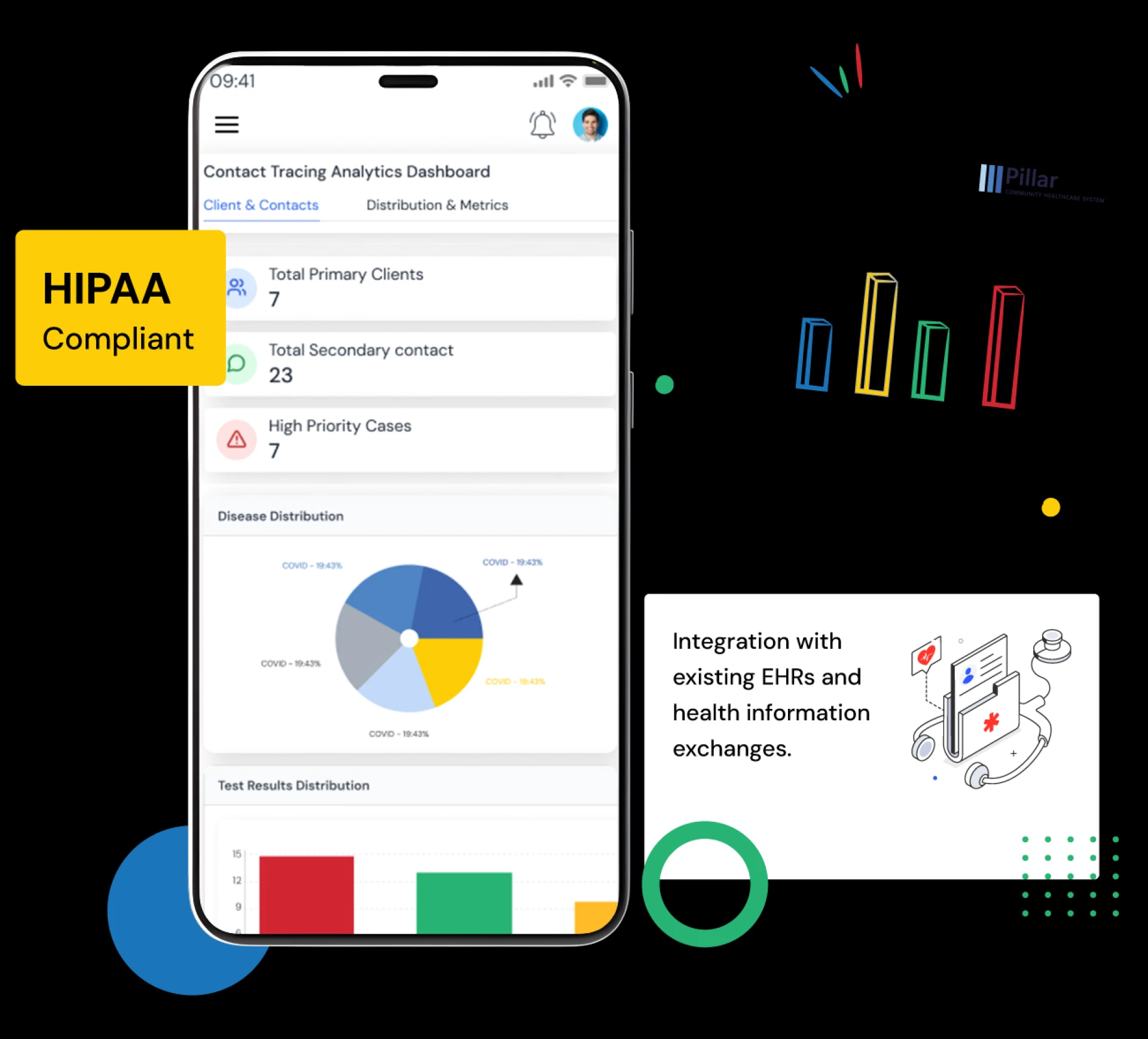
Data-driven decision-making is central to improving community health outcomes. CHMS platforms provide comprehensive reporting and analytics tools that allow administrators to monitor program effectiveness, track patient outcomes, and identify areas requiring intervention. These insights support strategic planning and resource allocation, ensuring that every initiative delivers measurable impact.
5. Integration with External Services:
Community healthcare often involves multiple stakeholders, including hospitals, social service agencies, and government programs. CHMS can integrate with external databases and systems, facilitating seamless information exchange and coordination across different organizations. This interoperability enhances the efficiency of healthcare networks and supports holistic care delivery.
Benefits for Healthcare Organizations
The adoption of Community Healthcare Management Software offers tangible benefits that extend across operational, financial, and social dimensions:
Enhanced Efficiency:
By automating administrative tasks such as scheduling, reporting, and record management, CHMS frees up healthcare staff to focus on patient care. This reduces workload stress and improves service delivery speed.
Improved Patient Outcomes:
Centralized data management and efficient referral tracking ensure that patients receive timely care. By bridging gaps in service coordination, CHMS reduces missed appointments, follow-up delays, and fragmented care.
Cost Optimization:
Automation and better resource management lead to significant cost savings. By minimizing paperwork, reducing duplication of efforts, and optimizing volunteer utilization, organizations can allocate more funds to direct patient services.
Transparency and Accountability:
With real-time reporting and audit trails, CHMS enhances transparency in operations. Stakeholders can monitor progress, track service delivery, and ensure compliance with regulatory standards, fostering trust among patients and donors.
Community Engagement:
CHMS empowers organizations to engage with the community more effectively. Through volunteer management, outreach campaigns, and patient feedback systems, healthcare providers can cultivate strong community relationships that support long-term health initiatives.
Addressing Common Challenges
While CHMS offers numerous advantages, healthcare organizations may face challenges in implementation. Understanding these issues in advance can help mitigate risks:
1. Data Security and Privacy:
Handling sensitive patient information requires strict adherence to privacy regulations. CHMS platforms must include robust encryption, access controls, and compliance with legal standards to protect patient data from breaches.
2. Training and Adoption:
Introducing new software can encounter resistance from staff accustomed to traditional processes. Comprehensive training and ongoing support are essential to ensure smooth adoption and maximize the software’s benefits.
3. Customization Needs:
Each community healthcare organization has unique requirements. Selecting a CHMS that allows customization of features, workflows, and reporting capabilities is crucial for achieving desired outcomes.
4. Integration Complexity:
Integrating CHMS with existing systems or external databases can be technically complex. Careful planning and collaboration with IT experts are necessary to ensure seamless interoperability.
Real-Life Applications of Community Healthcare Management Software
Several healthcare organizations have successfully leveraged CHMS to transform their operations:
Case Study 1: Nonprofit Clinics
A network of nonprofit clinics utilized CHMS to manage patient referrals and track treatment outcomes. The centralized system allowed staff to monitor patients’ progress across multiple clinics, reducing gaps in care and ensuring continuity for chronic disease management.
Case Study 2: Volunteer-Driven Health Programs
A community health initiative relying on volunteers used CHMS to coordinate schedules, track hours, and assign tasks efficiently. This resulted in increased volunteer retention, more consistent service delivery, and higher patient satisfaction.
Case Study 3: Integrated Social and Healthcare Services
An organization integrating social services with healthcare leveraged CHMS to manage patient requests and referrals between agencies. The platform’s analytics helped identify underserved populations and allocate resources effectively, improving overall community health outcomes.
Choosing the Right Community Healthcare Management Software
Selecting a suitable CHMS requires careful evaluation of an organization’s needs and objectives. Key considerations include:
- Scalability: The software should support growth and accommodate increasing patient numbers or service complexity.
- User-Friendliness: Intuitive interfaces reduce training time and improve staff adoption rates.
- Customization: Flexibility in configuring workflows, data fields, and reporting tools is essential for meeting unique organizational requirements.
- Support and Maintenance: Reliable customer support and regular updates ensure continuous functionality and security.
- Cost-Effectiveness: Evaluate the total cost of ownership, including licensing, implementation, and maintenance, against the benefits and ROI.
Future Trends in Community Healthcare Management
The field of community healthcare is evolving rapidly, and CHMS platforms are expected to advance alongside these trends:
Artificial Intelligence (AI) and Predictive Analytics:
Future CHMS solutions will increasingly incorporate AI to predict patient needs, identify at-risk populations, and optimize resource allocation. Predictive analytics can help organizations proactively intervene before health issues escalate.
Telehealth Integration:
As remote care becomes more common, CHMS platforms will integrate telehealth capabilities, enabling virtual consultations, remote monitoring, and digital communication with patients and caregivers.
Mobile Accessibility:
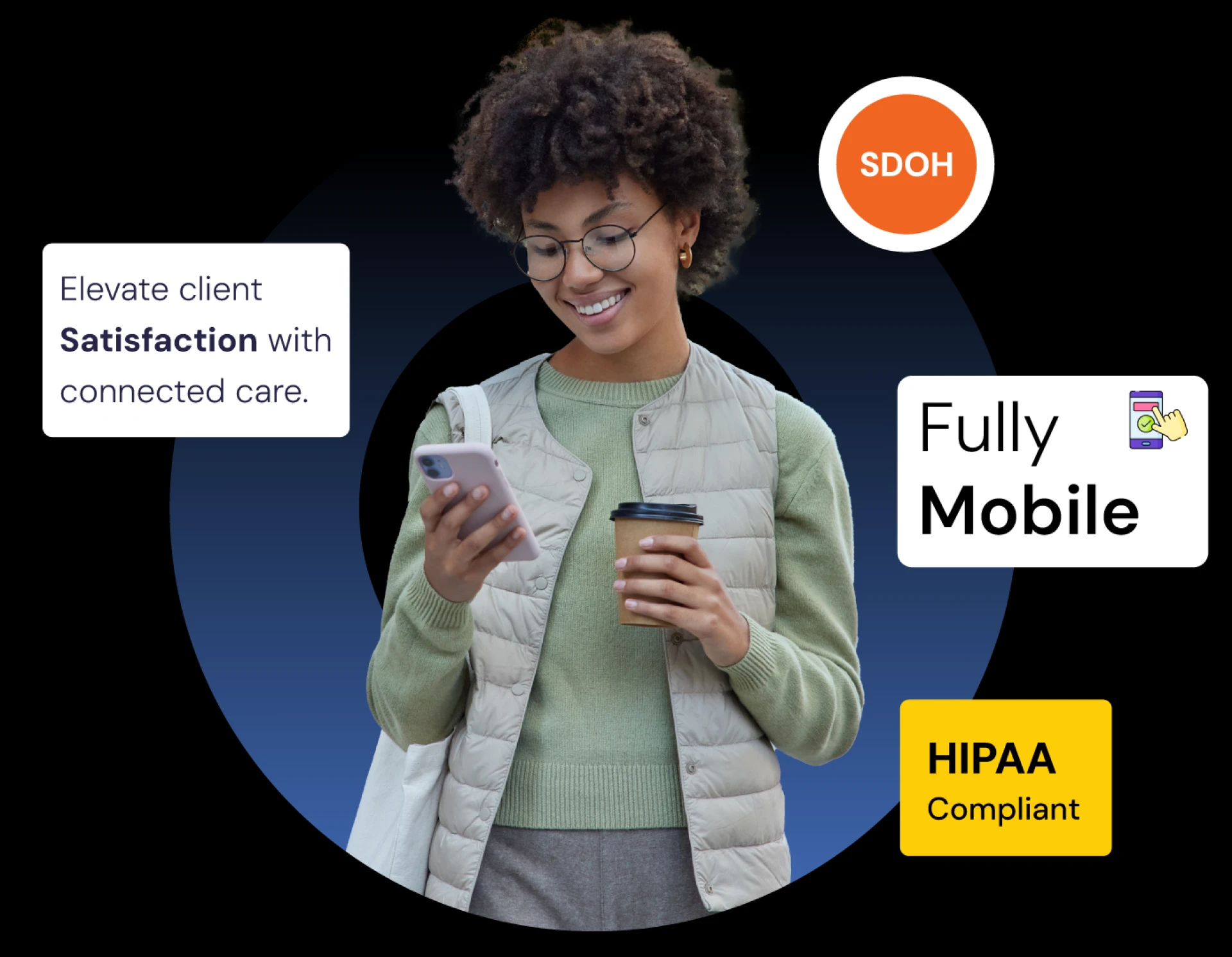
Mobile-friendly CHMS apps will allow staff, volunteers, and patients to access critical information on-the-go, facilitating real-time communication and task management.
Data Interoperability:
Enhanced interoperability between healthcare providers, social services, and governmental databases will enable seamless data exchange, supporting comprehensive and coordinated care across multiple sectors.
Tips for Successful Implementation
To maximize the benefits of CHMS, healthcare organizations should adopt a strategic approach:
- Conduct a thorough needs assessment to identify operational gaps and software requirements.
- Involve staff in the selection and implementation process to encourage adoption.
- Provide extensive training and create user guides tailored to different roles.
- Establish data security protocols and ensure compliance with relevant regulations.
- Continuously monitor software performance, gather feedback, and make iterative improvements.
Conclusion
Community Healthcare Management Software has emerged as a game-changer in the realm of local healthcare networks. By centralizing patient data, streamlining referrals, coordinating volunteers, and enabling data-driven decisions, CHMS empowers organizations to deliver high-quality, efficient, and patient-centered care. The transformative impact of such software extends beyond operational efficiency, fostering stronger community relationships, improving health outcomes, and ensuring transparency and accountability in service delivery.
Organizations that embrace CHMS today are not only enhancing their immediate operational capabilities but are also preparing for a future in which technology-driven, integrated, and collaborative care becomes the standard. As the healthcare ecosystem continues to evolve, adopting innovative solutions like CHMS is no longer optional—it is a critical investment in the health and well-being of entire communities.
By leveraging the comprehensive capabilities of Community Healthcare Management Software, healthcare providers and nonprofit organizations can truly revolutionize local health networks, ensuring that care is not only accessible but also efficient, coordinated, and impactful.





























Sign in to leave a comment.