
In the dynamic world of user interface (UI) and user experience (UX) design, consistency is the key to success. As digital landscapes continue to evolve, ensuring a seamless and uniform experience across various platforms and devices is more crucial than ever. This is where design systems step into the spotlight, playing a pivotal role in shaping the visual and functional harmony of digital products.
Understanding Design Systems
A design system is a comprehensive set of guidelines, components, and tools that work together to create a unified visual language for a product. It serves as a centralized resource that empowers design and development teams to build and maintain a consistent and cohesive user interface. Think of it as the DNA of a digital product, providing a blueprint for every element, from buttons and colors to typography and spacing.
Consistency as the Cornerstone
Consistency is not just an aesthetic preference; it is a fundamental aspect of a successful UI/UX design. When users interact with a product, they form expectations about its behavior based on their previous experiences. Consistency in design ensures that these expectations are met, fostering a sense of familiarity and predictability. This, in turn, enhances user trust and engagement.
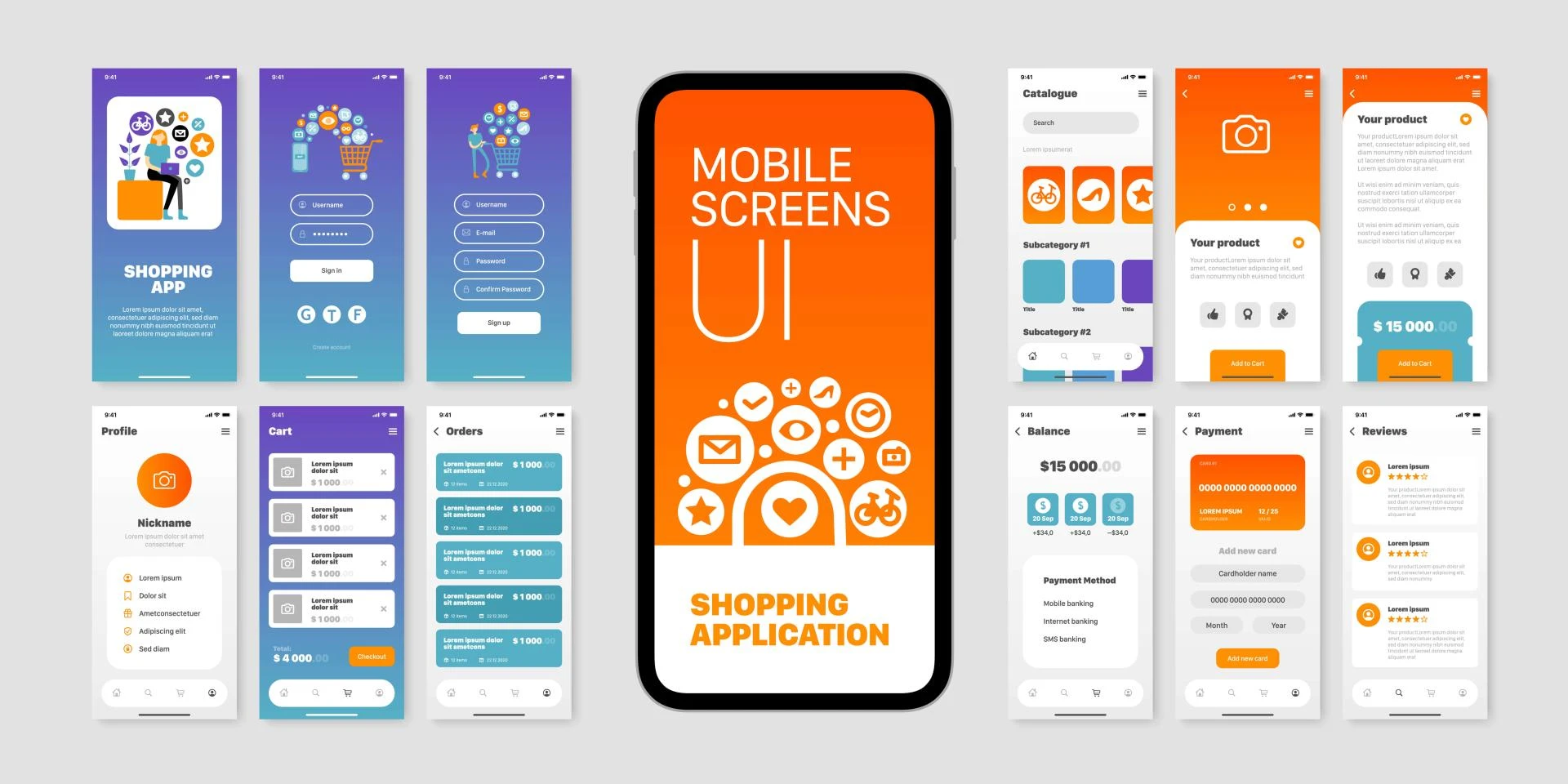
Design systems act as the guardians of this consistency. By establishing a standardized set of rules and patterns, they enable designers and developers to create interfaces that look and feel coherent across different sections of an application or even across multiple applications within a product suite.
Efficiency in Design and Development
In the fast-paced world of digital product development, efficiency is a prized asset. Design systems significantly contribute to streamlining both the design and development processes. Once a robust design system is in place, designers can easily reuse components and patterns, reducing the need to recreate elements from scratch. This not only saves time but also ensures that changes made to a particular component are reflected consistently throughout the entire product.
Similarly, developers benefit from design systems by having a standardized set of code snippets and styles. This not only accelerates the development process but also minimizes the chances of errors, as developers are working with a predefined and tested set of guidelines.
Adaptability in the Face of Change
The digital landscape is constantly evolving, with new devices, screen sizes, and interaction methods emerging regularly. Design systems are inherently adaptable, allowing for the seamless integration of new components and patterns. This adaptability ensures that a product remains visually appealing and functionally sound, regardless of the technological shifts in the market.
As trends evolve and user preferences change, design systems empower teams to make updates efficiently, ensuring that the product stays relevant and competitive.
Conclusion
In the intricate dance between aesthetics and functionality in UI/UX design, crafting consistency is the choreography that keeps the performance seamless and enjoyable for users. Design systems emerge as the choreographers, providing a structured framework that allows designers and developers to create products that not only meet but exceed user expectations.
By embracing design systems, teams can establish a harmonious and efficient workflow, delivering products that not only look good but also provide a consistent and delightful user experience. As the digital landscape continues to evolve, the role of design systems in shaping the future of UI/UX design becomes increasingly indispensable. They are not just tools; they are the architects of digital consistency, ensuring that every interaction leaves a lasting and positive impression on the user.
Visit my Upwork profile for — UI/UX design, Web Design & Mobile design
Check out my amazing project catalog — iOS or Android Mobile APP UX/UI Design, Responsive website design & Crypto & NFT Mobile App UI Design

























Sign in to leave a comment.