

In the rapidly evolving landscape of digital technology, creating user interfaces that seamlessly guide users through their online experiences is paramount. One key principle that designers must keep in mind is borrowed from cognitive psychology: "Don't Make Users Think." This phrase, popularized by usability expert Steve Krug, encapsulates the essence of user-centric design, emphasizing the importance of intuitive interfaces that minimize cognitive load. In this blog post, we'll delve into the world of cognitive psychology and explore how it can be harnessed for effective interface design.
Understanding Cognitive Psychology in Design
Cognitive psychology studies how individuals perceive, process, and retain information. Applying these insights to interface design helps create user experiences that align with natural cognitive processes, reducing friction and enhancing usability. A fundamental aspect of this approach is recognizing that users often operate on autopilot, relying on mental shortcuts and pattern recognition to navigate interfaces efficiently.
Simplify and Streamline Navigation
One of the primary tenets of cognitive psychology in interface design is the need to simplify and streamline navigation. Users should be able to instinctively understand how to move through a website or application without expending unnecessary mental effort. Clear and concise navigation menus, strategically placed calls-to-action, and a logical flow of information contribute to a user-friendly interface.
Mindful Use of Visual Hierarchy
Visual hierarchy plays a crucial role in directing user attention. Designers can leverage principles from cognitive psychology to prioritize information based on its importance. This involves using size, color, contrast, and placement to guide users through a visual journey. By adhering to established conventions, designers tap into users' pre-existing mental models, making the interface more intuitive.
Minimize Cognitive Load
Cognitive load refers to the amount of mental effort required to complete a task. Effective interface design seeks to minimize cognitive load by presenting information in digestible chunks. This involves breaking down complex processes into simpler steps, offering clear instructions, and avoiding unnecessary distractions. Users should be able to focus on their goals without being overwhelmed by extraneous details.
Consistent Design Patterns and Affordances
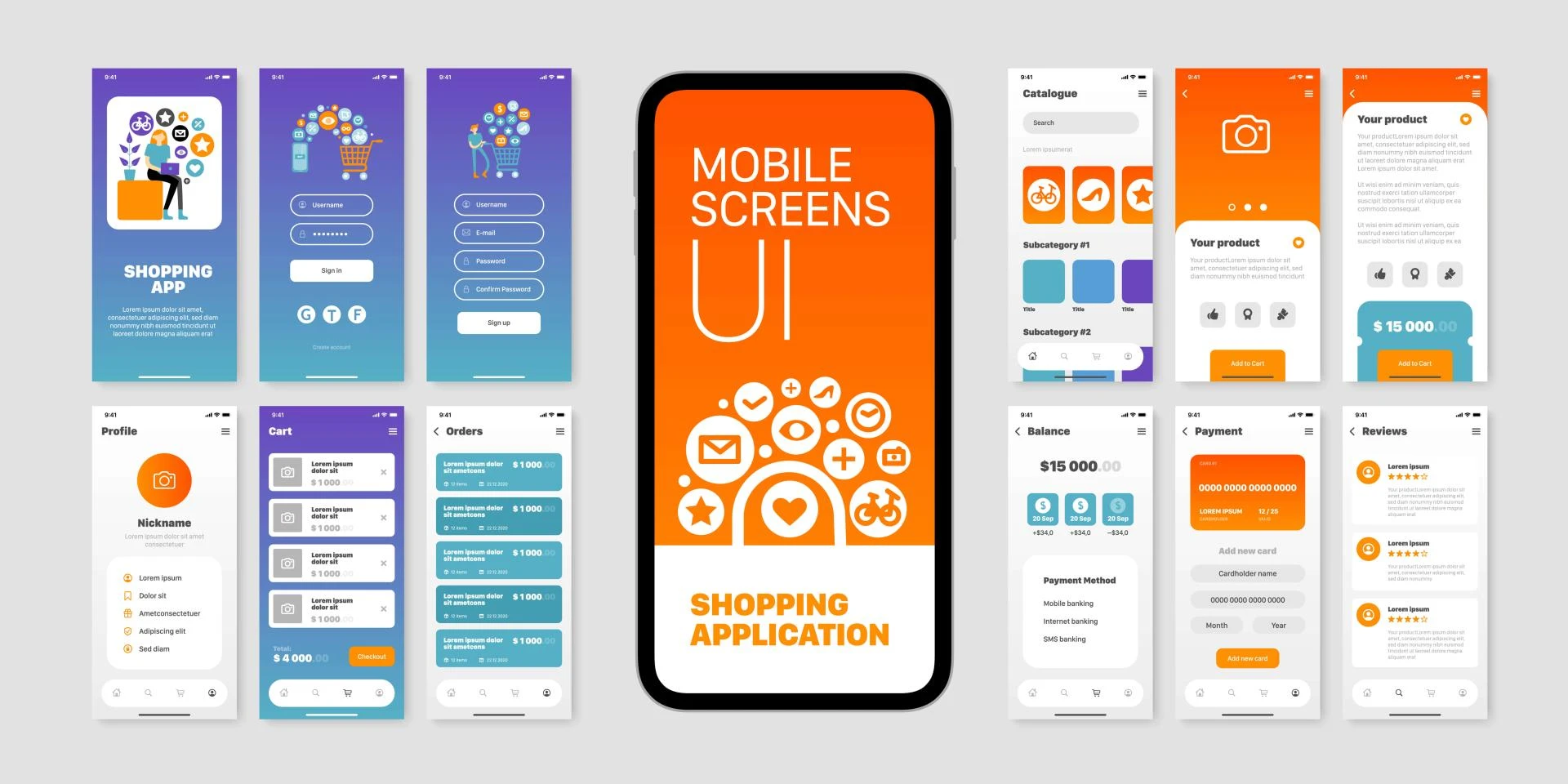
Consistency fosters predictability, a key element in reducing cognitive friction. Designers should maintain consistent design patterns and affordances across the interface, ensuring that users can transfer their knowledge from one section to another seamlessly. Recognizable symbols, familiar layouts, and standardized interactions contribute to a sense of comfort and familiarity.
User Testing and Iteration
While principles derived from cognitive psychology provide a solid foundation, user testing remains a critical component of successful interface design. Regular testing allows designers to observe how users interact with the interface, identify pain points, and make informed refinements. Continuous iteration based on user feedback ensures that the interface evolves in tandem with users' expectations and cognitive processes.
In conclusion, incorporating cognitive psychology into interface design is not just a trend; it's a fundamental approach to creating digital experiences that resonate with users. By prioritizing simplicity, optimizing visual hierarchy, minimizing cognitive load, and embracing consistency, designers empower users to navigate interfaces effortlessly. Remember, the key is to design interfaces that are so intuitive, users don't have to think — they can simply enjoy a seamless and enjoyable digital journey.
Visit my Upwork profile for - UI/UX design, Mobile Design & Product Designer
Project Catalog for - Mobile App UI UX Design, iOS or Android Mobile APP UX/UI Design & Modern Crypto Design





























Sign in to leave a comment.