

In the ever-evolving landscape of mobile applications, the journey from conceptualization to realization is a fascinating one. At the heart of this transformative process lies the art and science of design. This blog explores the intricate steps involved in the design journey of a successful app, focusing on the transition from wireframes to wonders.
Conception and Ideation:
Every successful app begins with a spark of creativity. It's the moment when a team of visionaries comes together to conceptualize an idea that addresses a need or solves a problem. In this initial phase, wireframes play a crucial role. These skeletal blueprints provide a visual representation of the app's structure, helping the team to map out user flows and functionalities.
Wireframing: Building the Foundation:
Wireframes serve as the architectural framework for the app. They are the black-and-white sketches that outline the placement of buttons, navigation paths, and key elements. This stage is not about aesthetics but about functionality and user experience. Designers collaborate to ensure that the app's structure aligns with the envisioned user journey.
III. Prototyping: Breathing Life into Concepts:
Once the wireframes are approved, the design team moves to the prototyping stage. Prototypes are interactive models that simulate the app's functionalities. They allow stakeholders to test the user experience firsthand, providing valuable insights into the flow and usability. Prototyping is the bridge between the conceptual and tangible, refining the design based on real-world interactions.
User Interface (UI) Design: Crafting the Visual Identity:
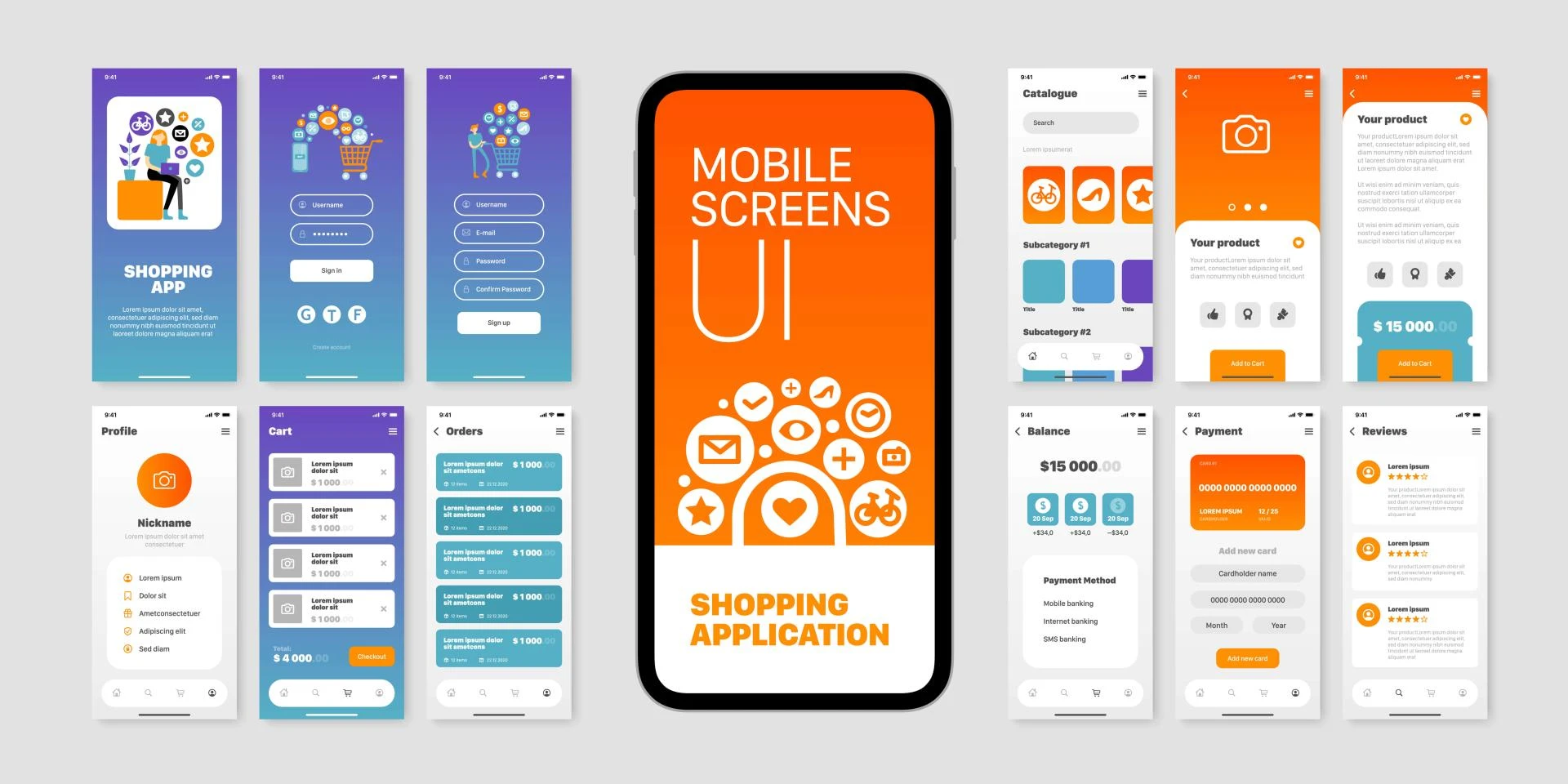
As the app begins to take shape, UI designers step in to weave a visual identity around the functional skeleton. Color palettes, typography, and graphic elements are carefully chosen to create a cohesive and aesthetically pleasing user interface. The goal is to enhance user engagement and convey the app's brand identity through a visually compelling design.
User Experience (UX) Design: Elevating Interactions:
While UI focuses on the look, UX is concerned with the feel. UX designers meticulously refine the user journey, ensuring that each interaction is intuitive and seamless. From minimizing clicks to optimizing loading times, every detail is fine-tuned to enhance user satisfaction. The collaboration between UI and UX designers is paramount, creating a harmonious balance between visual appeal and functional efficiency.
Testing and Iteration: Refining for Perfection:
Testing is a continuous process throughout the design journey. Beta versions are released to a select audience for feedback, and analytics are employed to identify areas for improvement. This iterative approach allows the design team to address issues and refine the app's performance. It's a crucial phase that transforms a good app into a great one.
VII. Launch and Beyond: Bringing the App to the World:
The culmination of the design journey is the app's launch. With a carefully crafted user interface, seamless user experience, and a robust foundation, the app is ready to make its mark in the digital realm. Post-launch, the design journey continues as user feedback and evolving technologies inspire updates and enhancements.
Conclusion:
From wireframes to wonders, the design journey of a successful app is a testament to the power of collaboration, creativity, and user-centricity. Each phase contributes to the evolution of an idea into a tangible, impactful solution. As technology advances and user expectations evolve, the design journey remains a dynamic and ever-exciting exploration of possibilities, ensuring that successful apps continue to captivate and delight users worldwide.
Visit my Upwork profile for - UI/UX design, Web design & Mobile design































Sign in to leave a comment.