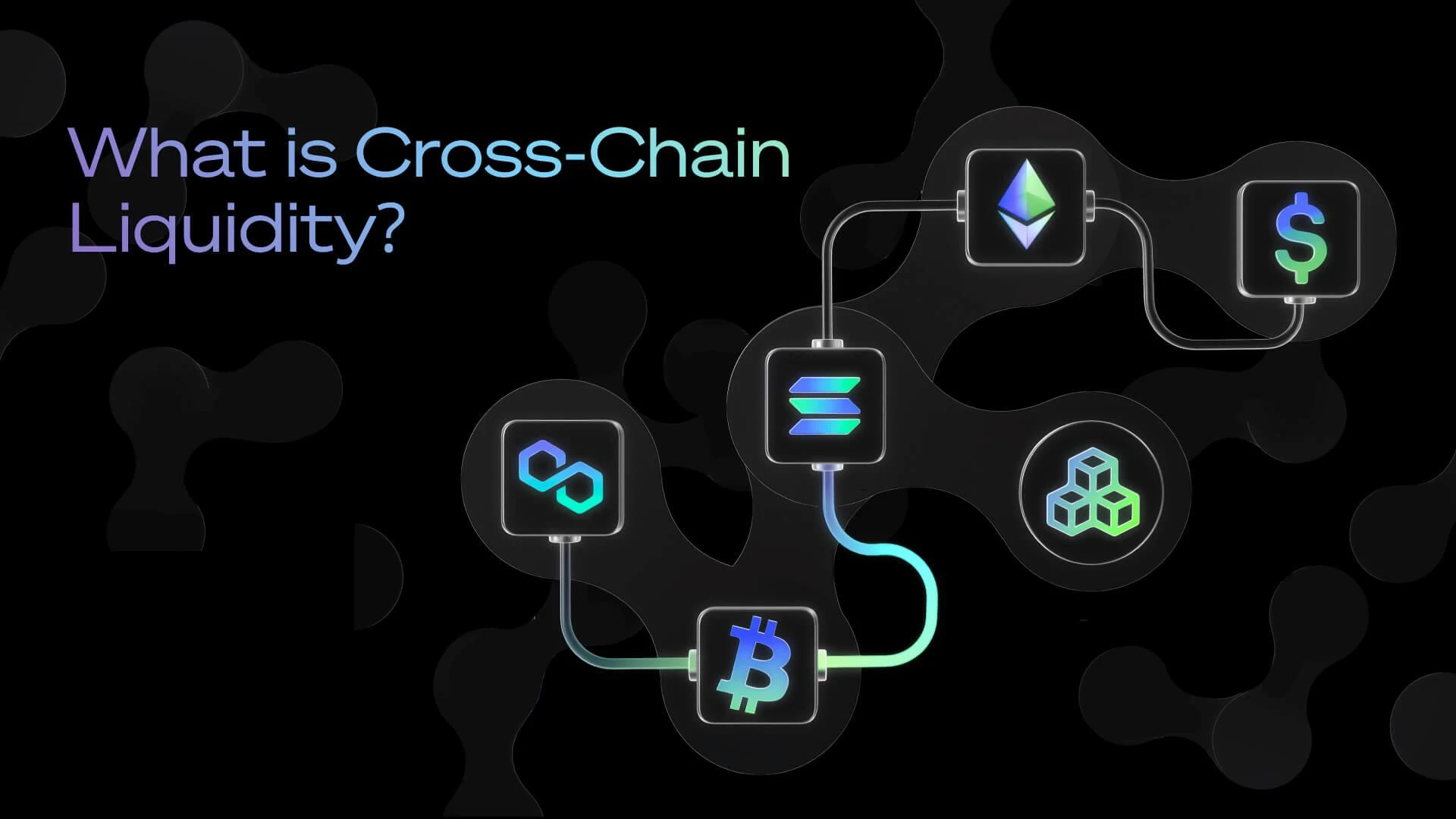

The decentralized application (DApp) ecosystem has grown into one of the most innovative areas of blockchain technology. However, despite the success of decentralized finance (DeFi), non-fungible tokens (NFTs), and gaming DApps, one persistent challenge continues to limit growth: fragmented liquidity across multiple blockchains. Without effective cross-chain liquidity solutions, DApps struggle with scalability, efficiency, and user adoption. A professional dapp development company offering tailored dapp development services can help projects integrate robust interoperability frameworks, allowing decentralized platforms to access seamless liquidity and scale effectively in a multi-chain environment.
Cross-chain liquidity solutions represent a fundamental building block in the future of decentralized economies. By connecting liquidity pools across chains, developers can design scalable DApps that overcome silos and deliver a frictionless experience for users.
Understanding the Liquidity Problem in DApps
Liquidity refers to the ease with which digital assets can be traded without causing significant price fluctuations. For centralized systems, liquidity is often concentrated in a few exchanges, ensuring smoother trading experiences. In contrast, decentralized systems spread liquidity across multiple blockchains and decentralized exchanges (DEXs). This creates fragmentation that makes it harder for users and protocols to access the full market potential.
When liquidity is fragmented, decentralized applications face higher slippage, delayed transactions, and poor scalability. A lending DApp built on Ethereum may have limited liquidity compared to a similar protocol on Binance Smart Chain or Polygon. This lack of unified liquidity forces users to bridge tokens manually or rely on centralized intermediaries, which undermines the decentralized ethos.
The solution lies in cross-chain liquidity protocols, which aggregate liquidity across chains and allow assets to flow seamlessly. For projects engaging with a dapp development company, leveraging cross-chain design patterns is essential to ensure scalability and long-term adoption.
Cross-Chain Liquidity: The Backbone of Scalable DApps
Cross-chain liquidity allows DApps to interact with liquidity pools across multiple chains. Instead of being confined to a single ecosystem, users can tap into liquidity wherever it resides. This concept is critical for DeFi platforms such as decentralized exchanges, lending platforms, derivatives trading, and yield farming protocols.
From a technical perspective, cross-chain liquidity is achieved through mechanisms such as bridges, wrapped tokens, liquidity aggregation protocols, and interoperability networks. By adopting these solutions, DApps become chain-agnostic, which improves their performance, reduces user friction, and enhances scalability.
Scalable DApps are not just about fast transaction speeds or reduced gas fees. They must also guarantee uninterrupted liquidity access. A dapp development company specializing in multi-chain ecosystems can design DApps that natively integrate liquidity across chains, making them more resilient in volatile markets.
Technical Foundations of Cross-Chain Liquidity
To understand how cross-chain liquidity empowers DApps, it is necessary to examine the core technical frameworks that enable interoperability.
Blockchain Bridges
Bridges facilitate the transfer of assets from one blockchain to another. For instance, moving ETH from Ethereum to Polygon often involves a bridge that locks ETH on Ethereum and mints wrapped ETH on Polygon. While bridges are crucial, they pose security risks, which must be carefully addressed during development.
Wrapped Assets
Wrapped tokens represent assets from one chain on another. For example, WBTC is Bitcoin wrapped on Ethereum. Wrapped assets increase liquidity by making it possible for DApps on one chain to utilize the value stored in another ecosystem.
Liquidity Aggregators
Aggregators pool liquidity from multiple DEXs and blockchains, allowing users to find the best prices across ecosystems. These protocols significantly reduce slippage and improve efficiency in cross-chain trading.
Interoperability Protocols
Protocols like Cosmos IBC, Polkadot’s parachains, and LayerZero aim to provide generalized interoperability solutions. These frameworks allow DApps to communicate and share liquidity without requiring complex bridges or wrapped assets.
A dapp development company offering comprehensive dapp development services ensures these cross-chain foundations are implemented securely and efficiently to meet user and market demands.
Cross-Chain Liquidity in Decentralized Finance (DeFi)
DeFi is the most liquidity-sensitive sector in blockchain. Lending platforms, AMMs, stablecoin protocols, and derivatives trading require deep liquidity to function effectively. Cross-chain liquidity ensures users can access lending markets across chains, trade with minimal slippage, and optimize yield strategies without worrying about fragmentation.
For example, a user seeking stablecoin liquidity on Ethereum can seamlessly borrow from a pool on Avalanche if the DApp integrates cross-chain liquidity protocols. This functionality not only enhances scalability but also strengthens user trust by reducing costs and delays.
A dapp development company plays a vital role in designing DeFi protocols that can aggregate liquidity across ecosystems. By integrating advanced smart contracts, liquidity aggregation APIs, and automated rebalancing mechanisms, such companies deliver scalable and sustainable financial DApps.
Cross-Chain Liquidity for NFT and Gaming DApps
While DeFi leads the liquidity discussion, NFTs and blockchain-based gaming also benefit from interoperability. NFT marketplaces often face liquidity silos where assets minted on one chain are not easily traded on another. Cross-chain liquidity enables marketplaces to display and trade NFTs across chains, expanding user bases and market potential.
For gaming, liquidity is tied to in-game assets and tokens. Cross-chain solutions allow gamers to port items across blockchains, enabling unified economies. A game that integrates liquidity across Ethereum, Polygon, and Immutable X can provide players with broader access to trading and asset utilization.
By engaging with a dapp development company, NFT and gaming projects can integrate liquidity pools across chains, offering scalable experiences that appeal to mainstream audiences.
Security Challenges in Cross-Chain Liquidity
Although cross-chain liquidity offers immense benefits, it also presents risks.
Bridge Exploits
Bridges have historically been the target of high-profile hacks, resulting in losses of hundreds of millions of dollars. Security audits, multi-signature validations, and zero-knowledge proofs are critical for secure bridge design.
Smart Contract Vulnerabilities
Cross-chain aggregators and liquidity protocols often rely on complex smart contracts. Any coding flaw could expose funds to exploitation. Partnering with a trusted dapp development company ensures that security audits and AI-powered bug detection are part of the development lifecycle.
Centralization Risks
Some cross-chain solutions rely on centralized validators. This reduces trust and creates vulnerabilities. Decentralized validator networks or zero-knowledge-based interoperability protocols are emerging as safer alternatives.
A responsible dapp development company emphasizes robust security protocols, ensuring that liquidity is scalable without compromising trust.
Cross-Chain Liquidity and Layer-2 Scaling
Layer-2 networks such as Arbitrum, Optimism, zkSync, and Starknet are critical for scalability. However, their liquidity is still dependent on Ethereum mainnet or other ecosystems. Cross-chain liquidity solutions ensure that Layer-2 DApps are not isolated but instead plugged into global liquidity markets.
This integration allows DApps to benefit from low transaction fees and high throughput while maintaining access to liquidity across chains. By aligning with an experienced dapp development company, projects can leverage Layer-2 and cross-chain design together for optimal scalability.
The Role of AI in Cross-Chain Liquidity Solutions
Artificial intelligence is beginning to influence liquidity aggregation and management. AI-powered agents can predict liquidity bottlenecks, optimize routing across chains, and rebalance pools dynamically. By integrating AI into DApps, developers can deliver smarter liquidity solutions that adapt in real time.
This is particularly useful in volatile markets, where price fluctuations can lead to liquidity shortages. A dapp development company offering AI-enhanced dapp development services can help projects implement predictive models that sustain liquidity under high demand.
Future Outlook for Cross-Chain Liquidity
The future of cross-chain liquidity lies in full interoperability, decentralized bridges, and AI-enhanced management. As blockchain ecosystems expand, DApps will need to interact with multiple chains seamlessly. The projects that integrate robust cross-chain liquidity solutions early will set the foundation for scalable, user-friendly decentralized economies.
A dapp development company building for this future will focus on modular architectures, zero-knowledge interoperability, and liquidity aggregation protocols that align with enterprise-grade scalability.
Conclusion
Cross-chain liquidity is not just a technical innovation—it is the foundation for scalable DApps. Without unified liquidity access, decentralized applications face fragmentation, inefficiency, and limited adoption. By integrating cross-chain protocols, wrapped assets, bridges, and aggregators, DApps can provide users with seamless trading, lending, and asset management across multiple ecosystems.
Engaging with a professional dapp development company offering specialized dapp development services ensures that projects can design secure, scalable, and interoperable DApps that are future-proof. As the blockchain landscape grows more multi-chain, cross-chain liquidity will be the defining factor that separates successful projects from those left behind.
FAQs
1. What is cross-chain liquidity in DApps?
Cross-chain liquidity refers to the ability of DApps to access and aggregate liquidity across multiple blockchains, ensuring scalability and efficiency.
2. How do cross-chain liquidity solutions help DeFi DApps?
They allow lending, trading, and yield protocols to access deeper liquidity pools, reducing slippage and improving scalability for decentralized finance platforms.
3. What role does a dapp development company play in cross-chain liquidity?
A professional company ensures secure integration of bridges, aggregators, and interoperability protocols while maintaining scalability and security.
4. Are cross-chain bridges safe for liquidity transfer?
While essential, bridges are prone to exploits. Security audits, decentralized validators, and zero-knowledge proofs are needed to enhance safety.
5. How will AI impact cross-chain liquidity in DApps?
AI will optimize liquidity routing, predict shortages, and dynamically rebalance pools, ensuring more efficient and adaptive decentralized applications.
































Sign in to leave a comment.