

Data loss is rarely a result of a single catastrophic event. Instead, it is often a cascade of failures—a corrupted file system coinciding with a hardware malfunction, or a ransomware attack encrypting the primary drive while the local backup remains connected and vulnerable. For IT professionals and system administrators, data resiliency is not merely a box to check; it is the backbone of business continuity.
While storage technologies have evolved from magnetic tape to NVMe and immutable cloud object storage, the fundamental methodology for data protection remains the 3-2-1 backup rule. However, applying this rule in a modern, high-threat landscape requires more than just copying files to an external hard drive. It demands a rigorous, automated, and verified approach to ensure that when—not if—failure occurs, recovery is guaranteed.
Deconstructing the 3-2-1 Backup Architecture
The 3-2-1 rule is an industry-standard methodology designed to eliminate single points of failure. It operates on the principle of redundancy and geographical separation to mitigate risks ranging from bit rot to physical disasters.
Three Copies of Data
The protocol requires maintaining three distinct instances of your data: the primary production data and two additional backup copies. The statistical probability of three devices failing simultaneously is infinitesimally small compared to a single drive failure. For critical datasets, this ensures that even if a restoration from the first backup fails due to corruption, a tertiary option remains available.
Two Different Media Types
Storing all copies on the same storage medium—such as three hard drives from the same manufacturing batch—introduces the risk of simultaneous hardware failure. To combat this, the "2" in the rule mandates using at least two different storage technologies.
- Primary Storage: Typically high-performance SSDs or NVMe for production workloads.
- Secondary Storage: This could be a Network Attached Storage (NAS) array utilizing mechanical HDDs for cost-effective capacity, or even magnetic tape (LTO) for long-term cold storage.
Diversifying media types protects against firmware bugs or manufacturing defects specific to a certain technology or brand.
One Offsite Copy
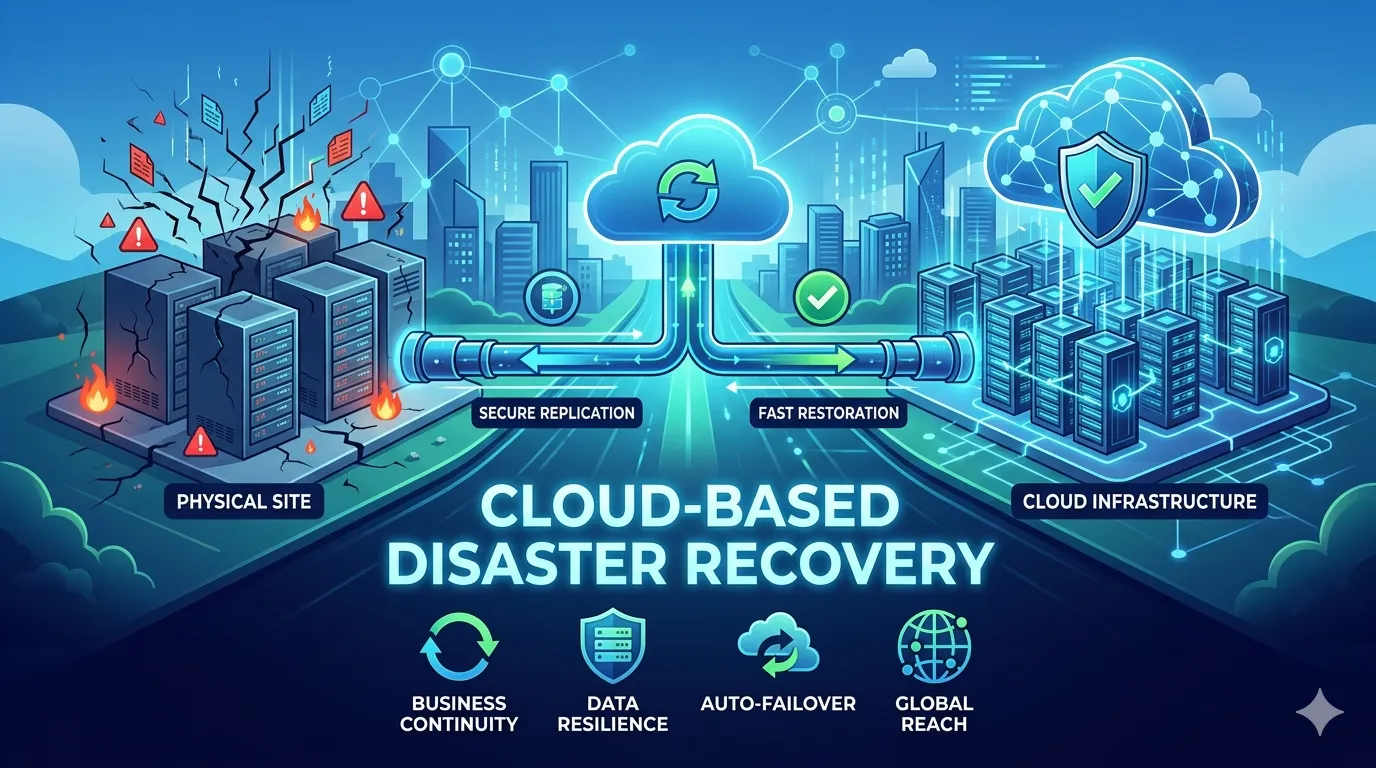
The final component addresses physical threats. If a fire, flood, or theft destroys the local infrastructure, onsite backups are rendered useless. The offsite copy must be physically separated from the primary location. In modern implementations, this is frequently achieved via cloud storage (AWS S3, Azure Blob, or Backblaze B2) or a remote data center. This separation also serves as a critical defense against ransomware, provided the offsite connection is properly secured or air-gapped.
Advanced Implementation Strategies
Understanding the rule is simple; executing it with enterprise-grade reliability requires sophisticated orchestration.
Automated Orchestration
Reliance on manual backup initiation is a primary vector for failure. Human error, oversight, or delay can leave gaps in the recovery point objective (RPO). Advanced implementation requires full automation using robust backup software solutions like Veeam, Acronis, or dedicated CLI tools like Restic or BorgBackup.
Effective automation involves:
- Snapshotting: Leveraging file system snapshots (ZFS, Btrfs) to capture the state of data at a specific point in time without interrupting production workflows.
- Deduplication and Compression: optimizing storage efficiency and reducing bandwidth usage for offsite transfers.
- Versioning: Retaining multiple historical versions of files to protect against accidental deletion or silent data corruption over time.
Rigorous Backup Verification
A backup is only as good as its ability to be restored. Many administrators discover corrupted backups only during a crisis. To adhere to the 3-2-1 rule effectively, one must implement automated verification protocols.
- Checksum Verification: Regularly scrubbing data to detect bit rot. Advanced file systems like ZFS do this automatically, but backup archives should also be verified against their checksums upon transfer.
- Test Restores: Automated routines that temporarily restore a virtual machine or database from the backup file, boot it to verify functionality, and then dismantle the test environment. This proves the data is not just present, but usable.
Ensuring Business Continuity
The 3-2-1 backup rule provides a robust framework for data protection, but it is not a "set it and forget it" solution. As cyber threats evolve and data volumes grow, the implementation of this rule must adapt. By combining the foundational principles of redundancy with advanced automation and rigorous verification, technology professionals can build a resilient infrastructure capable of withstanding both hardware failure and malicious attacks. Data is the currency of the modern world; protecting it requires nothing less than absolute precision. A backup appliance is also good.






























Sign in to leave a comment.