
In today's fast-paced world, design has become more than just aesthetics. It's about solving complex problems, improving experiences, and creating innovative solutions. Traditional design methods have evolved significantly over the years, thanks to advancements in technology.
This article explores how disruptive innovations like Virtual Reality (VR), Artificial Intelligence (AI), and 3D Printing are reshaping various industries and the challenges and opportunities they present.
Evolution of Design in Industries
Traditional Design Methods
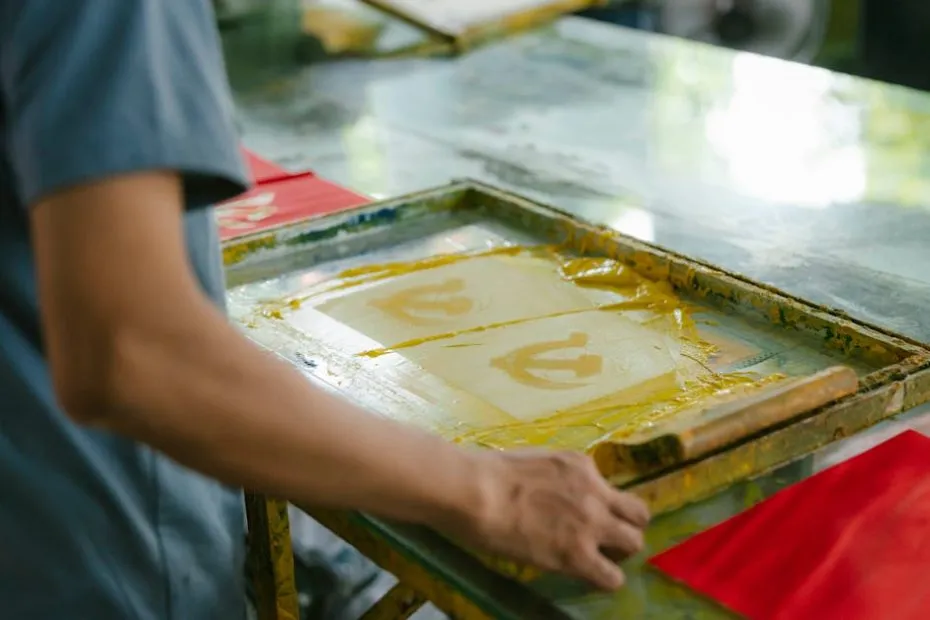
In the past, design was primarily done manually, involving sketches, prototypes, and physical models. While this approach was effective, it was time-consuming and limited in scope.
Impact of Technology on Design
The advent of technology has revolutionized the design process. Computer-aided design (CAD) software has made it possible to create complex designs with precision and efficiency. The integration of digital tools has enabled designers to explore new possibilities and push the boundaries of creativity.
Disruptive Innovations in Design
Virtual Reality (VR) and Augmented Reality (AR)
VR and AR have transformed the way designers conceptualize and present their ideas. These technologies allow designers to create immersive experiences, enabling clients to visualize designs in real-world contexts.
Artificial Intelligence (AI) and Machine Learning (ML)
AI and ML are revolutionizing the design process by automating repetitive tasks and providing insights that enhance decision-making. Designers can use AI to analyze data, predict trends, and optimize designs for better performance.
3D Printing
3D printing has revolutionized manufacturing by allowing designers to create intricate designs with ease. This technology has the potential to disrupt traditional manufacturing processes and enable mass customization.
Impact on Various Industries
Architecture and Construction
In the architecture and construction industries, these innovations have led to the creation of sustainable, energy-efficient buildings. VR and AR are being used to visualize designs, while 3D printing is being used to create building components.
Automotive
In the automotive industry, VR and AR are being used to design and test new vehicles, while AI is being used to improve safety and efficiency. 3D printing is also being used to create custom car parts.
Fashion and Apparel
In the fashion and apparel industry, these innovations are being used to create personalized clothing and accessories. AI is being used to analyze consumer preferences, while 3D printing is being used to create unique designs.
Product Design
In product design, these innovations are being used to create innovative products that are more functional and user-friendly. VR and AR are being used to simulate user interactions, while AI is being used to optimize designs for usability.
Challenges and Opportunities
Adaptation to New Technologies
One of the main challenges of disruptive innovations is the need for designers to adapt to new technologies. This requires ongoing training and education to keep up with the latest trends.
Skills and Training
Another challenge is the need for designers to develop new skills to take full advantage of these technologies. This includes understanding how to use AI, VR, and 3D printing in their work.
Ethical Considerations
There are also ethical considerations to take into account, such as data privacy and the impact of AI on employment. Designers must consider these factors when implementing new technologies.
Future Trends in Design
Sustainability and Eco-friendly Design
One of the key trends in design is sustainability. Designers are increasingly focusing on creating products and buildings that are environmentally friendly and reduce waste.
Personalization and Mass Customization
Another trend is personalization and mass customization. Advances in technology have made it possible to create products that are tailored to individual preferences, leading to greater customer satisfaction.
Conclusion
In conclusion, disruptive innovations like VR, AI, and 3D printing are reshaping the design industry by providing new tools and opportunities for designers to create innovative solutions. While these technologies present challenges, they also offer immense potential for creativity and growth. By embracing these innovations, designers can stay ahead of the curve and continue to push the boundaries of design.
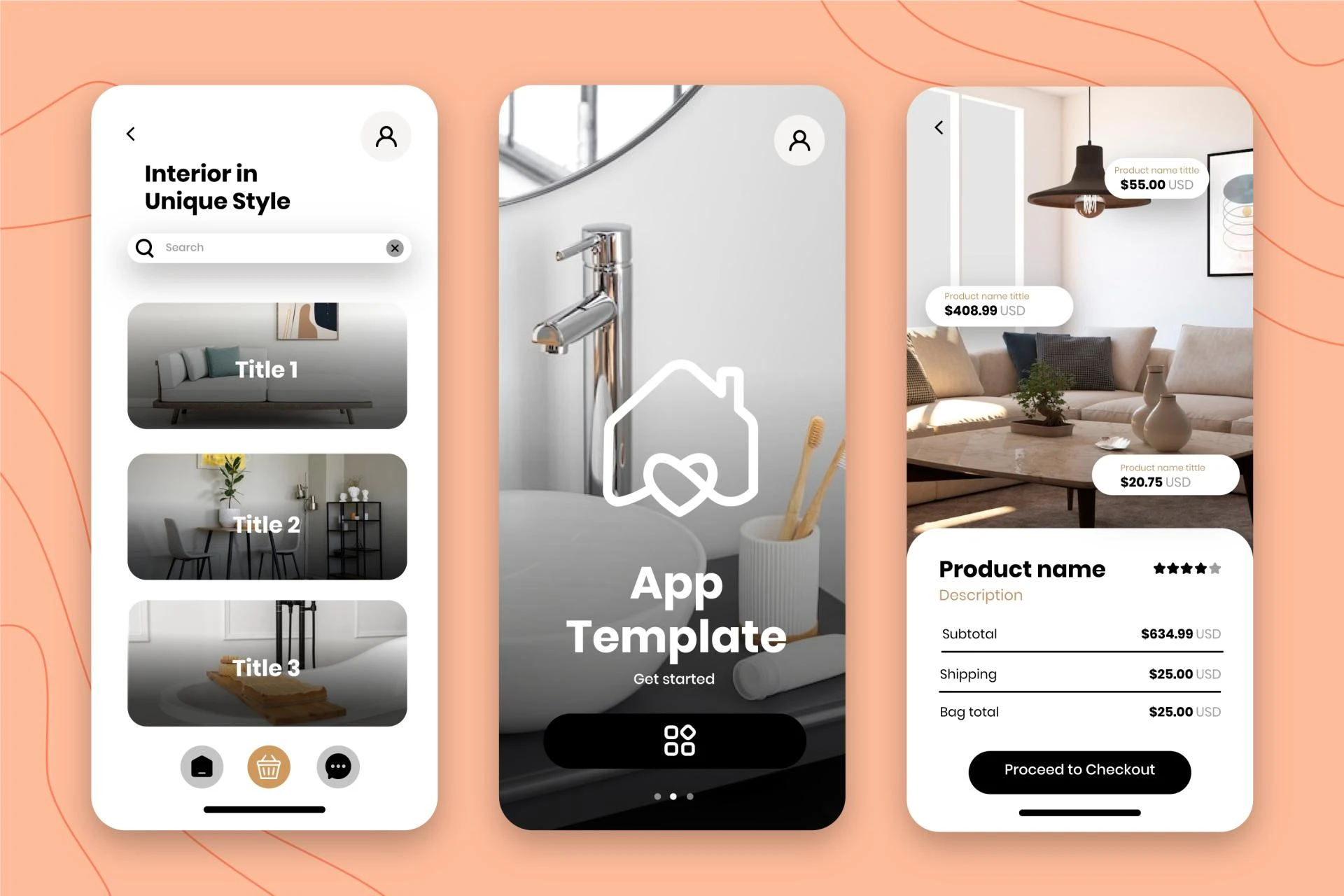
Visit my Upwork profile for — UI/UX design, Web Design, Mobile design & Web app designer
Check out my amazing project catalog — iOS or Android Mobile APP UX/UI Design, Responsive website design & Crypto & NFT Mobile App UI Design






















Sign in to leave a comment.