
Design is not just about aesthetics; it's also about how people perceive and interact with the world around them. The psychology of design explores how colors, shapes, and other elements influence human behavior and emotions. In this article, we delve into the fascinating world of design psychology, focusing on the effects of colors and shapes on behavior.
Introduction
Design psychology is a field that examines how design elements affect human behavior, emotions, and perceptions. It plays a crucial role in various disciplines, including marketing, architecture, and user experience (UX) design. One of the key aspects of design psychology is the study of colors and shapes and their impact on people's thoughts and actions.
Importance of Color in Design
Color is a powerful tool in design, as it can evoke emotions and convey messages without words. Different colors have different psychological effects on individuals. For example, warm colors like red and orange are often associated with energy and excitement, while cool colors like blue and green can create a sense of calmness and tranquility.
Impact of Different Colors on Emotions
Colors can evoke strong emotional responses. For instance, red is often used to convey passion or urgency, while blue is associated with trust and reliability. Understanding these associations can help designers create visuals that resonate with their audience.
Cultural Differences in Color Perception
It's essential to consider cultural differences in color perception when designing for a global audience. For example, while white is often associated with purity in Western cultures, it symbolizes mourning in some Asian cultures.
Use of Color in Marketing and Branding
In marketing and branding, color plays a crucial role in influencing consumer behavior. Brands often use specific colors to evoke certain emotions or associations. For example, many fast-food chains use red and yellow in their branding to stimulate appetite and create a sense of urgency.
Psychological Effects of Shapes in Design
Shapes also play a significant role in design psychology, as they can convey different meanings and evoke specific emotions. For example, circles are often associated with unity and wholeness, while sharp, angular shapes can evoke a sense of danger or excitement.
Symbolism of Common Shapes
Common shapes have symbolic meanings that can influence how they are perceived. For example, a heart shape is universally associated with love and affection, while a triangle can symbolize stability or hierarchy.
How Shapes Influence Perception
The arrangement and combination of shapes in a design can influence how it is perceived. For example, placing a circle around an object can draw attention to it and create a sense of focus.
Application of Color and Shapes in UX/UI Design
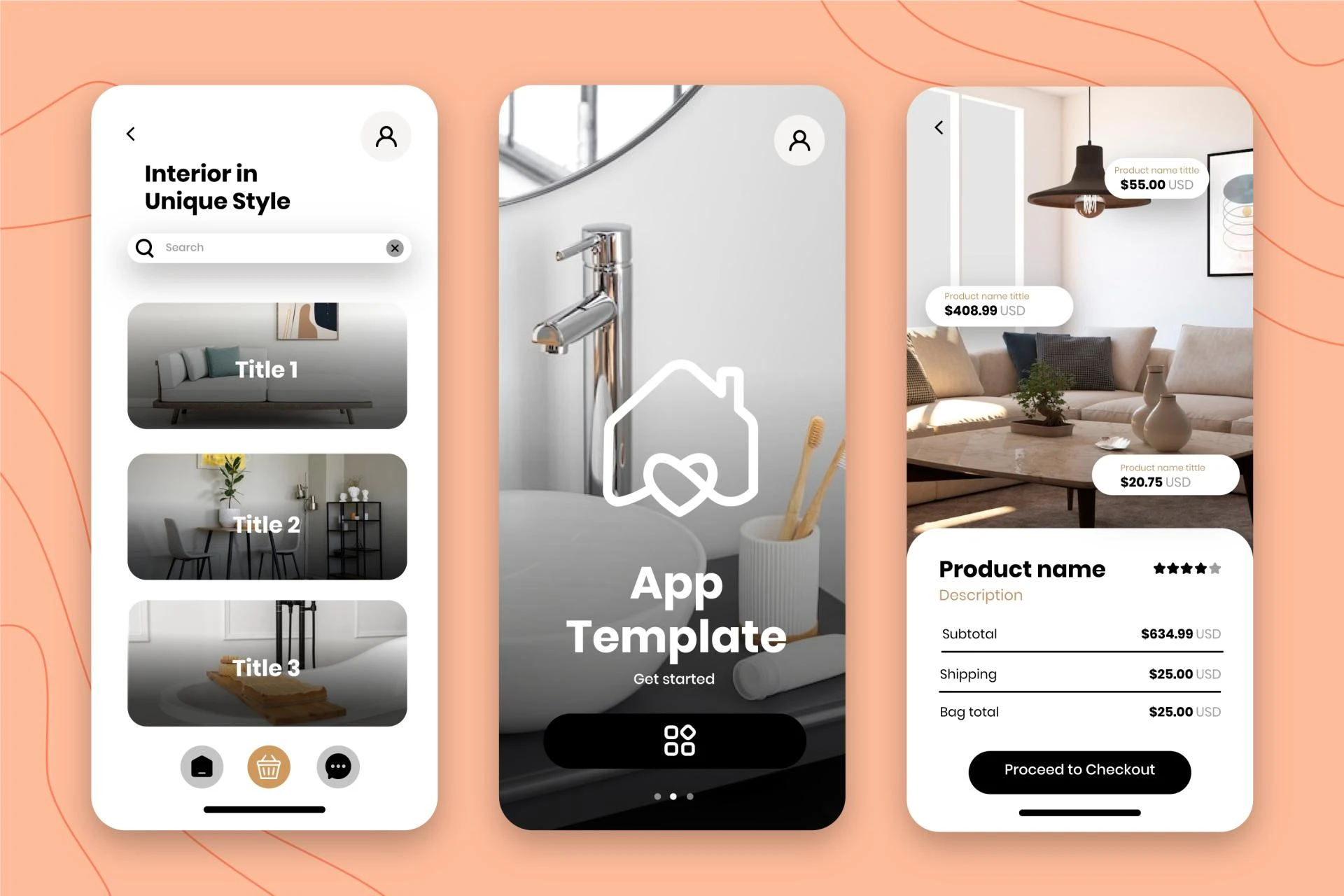
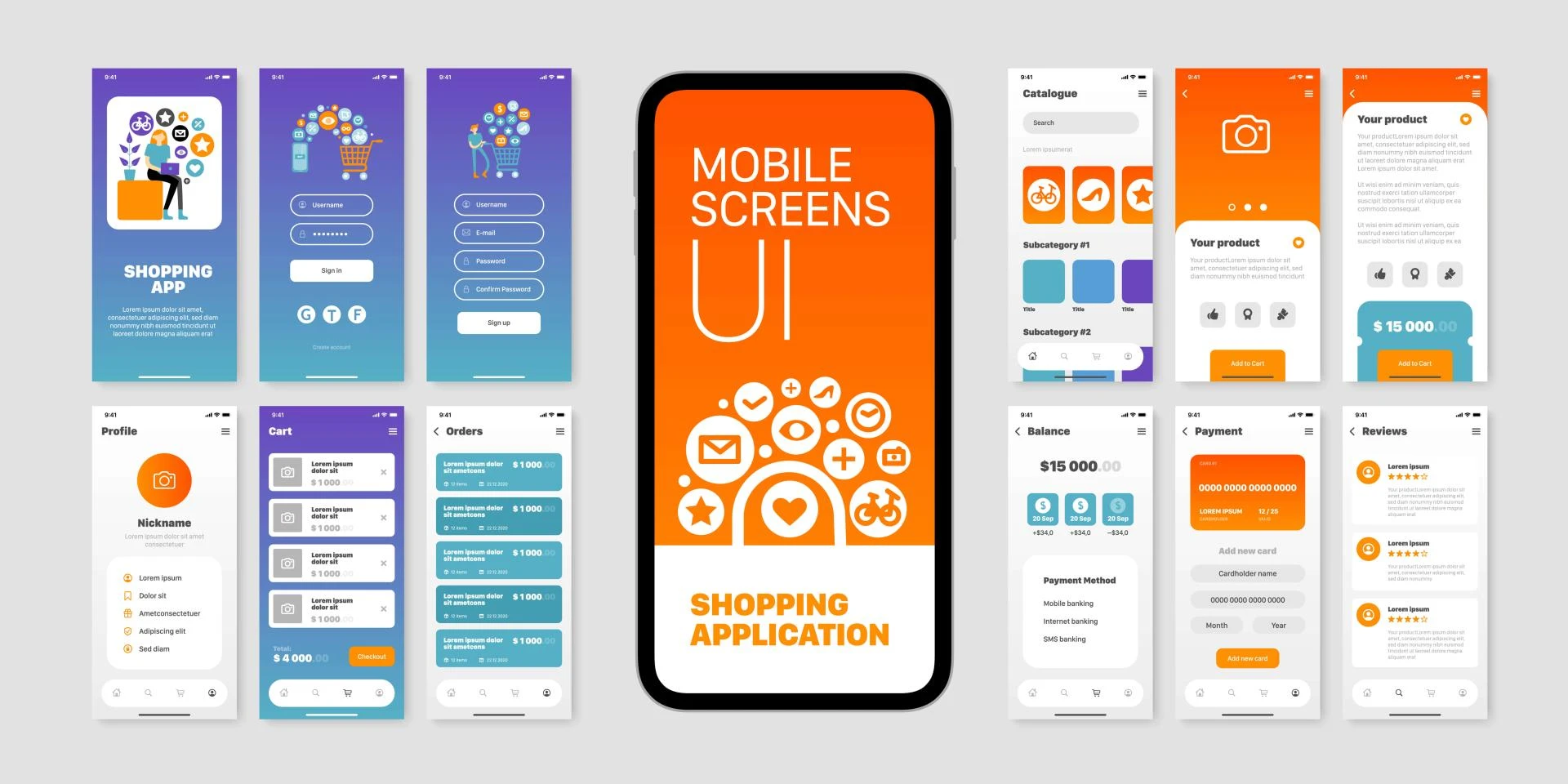
In UX/UI design, understanding the psychology of colors and shapes is crucial for creating designs that are not only visually appealing but also functional and user-friendly.
Creating a Positive User Experience
Colors and shapes can be used to guide users through a website or app and highlight important elements. For example, using a contrasting color for a call-to-action button can make it more noticeable and encourage users to click on it.
Encouraging Specific User Behaviors
Designers can use colors and shapes to influence user behavior. For example, using a progress bar with a calming color can reduce user anxiety during a long process, such as filling out a form.
Conclusion
The psychology of design offers valuable insights into how colors and shapes can influence human behavior and emotions. By understanding these principles, designers can create more effective and impactful designs that resonate with their audience.
Visit my Upwork profile for - UI/UX design, Web design & Mobile design




















Sign in to leave a comment.