
Visual storytelling is a powerful tool that can elevate the impact of any message. Whether it's a marketing campaign, a user interface, or a work of art, the ability to tell a compelling story through visuals is key to capturing attention and conveying meaning.
In this article, we'll explore the secrets behind effective visual storytelling and how you can unlock its power in your own designs.
Introduction
In today's digital age, where information is constantly bombarding us from all directions, the ability to capture and hold someone's attention has become more challenging than ever. Visual storytelling offers a solution to this challenge by leveraging the power of visuals to convey messages in a way that is engaging, memorable, and impactful.
Understanding Visual Storytelling
Visual storytelling is the art of conveying a narrative through visual elements such as images, graphics, and typography. Unlike traditional storytelling, which relies primarily on words, visual storytelling uses visuals to evoke emotions, convey information, and create a sense of connection with the audience.
Psychology Behind Visual Storytelling
The psychology behind visual storytelling is rooted in the way our brains process information. Studies have shown that the human brain processes visual information much faster than text, making visuals a powerful tool for communication. Visual storytelling also taps into our emotions, which play a key role in decision-making and memory formation.
Key Design Principles for Visual Storytelling
To create compelling visual stories, it's important to understand and apply key design principles. These include simplicity, consistency, balance, emphasis, and contrast. By applying these principles, designers can create visually appealing narratives that are easy to understand and remember.
The Role of Color and Typography
Color and typography are two essential elements of visual storytelling. Color can evoke emotions and set the tone for a narrative, while typography can convey personality and enhance readability. By carefully selecting colors and typography, designers can enhance the impact of their visual stories.
How to Use Visual Storytelling in UI/UX Design
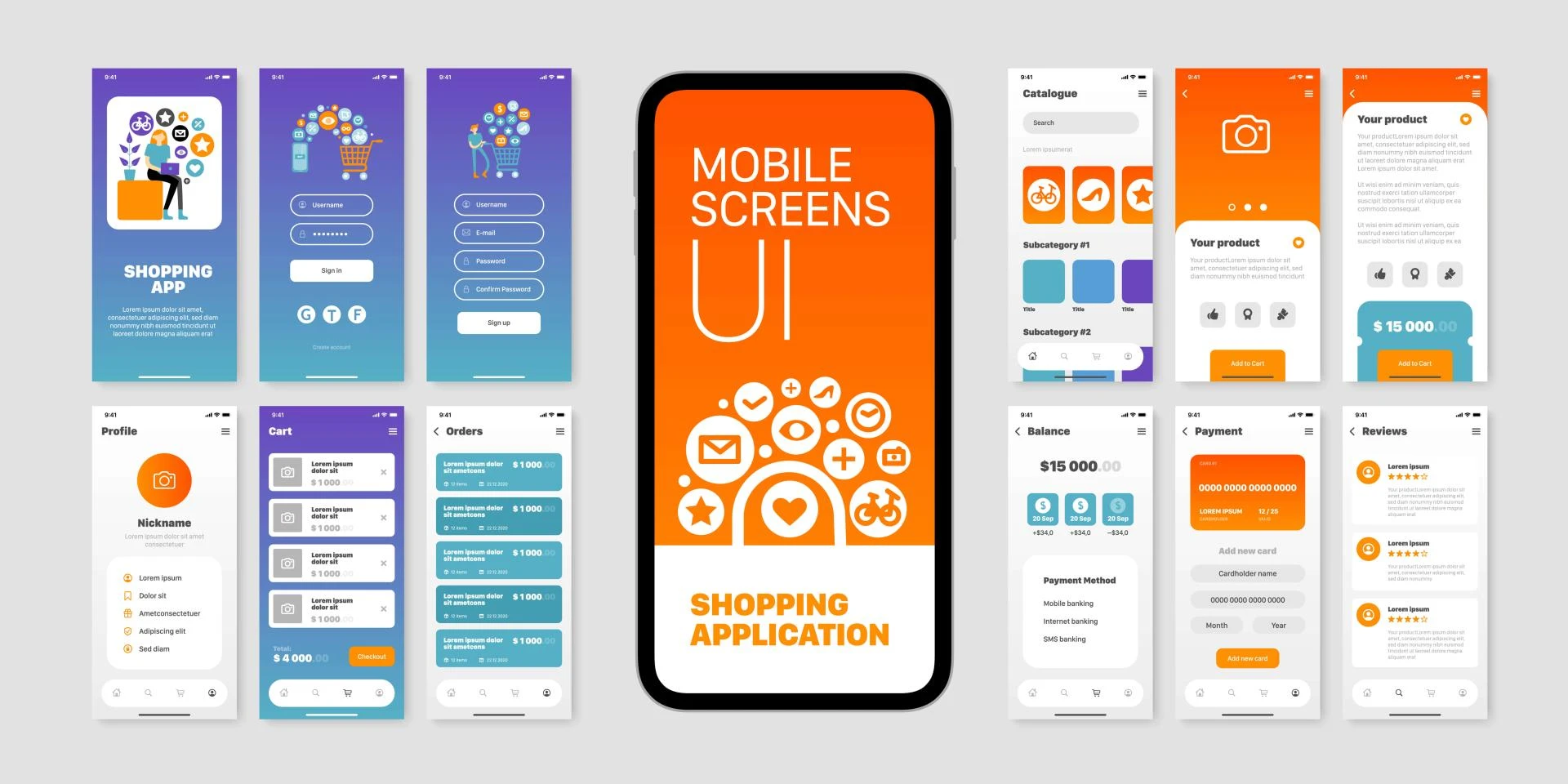
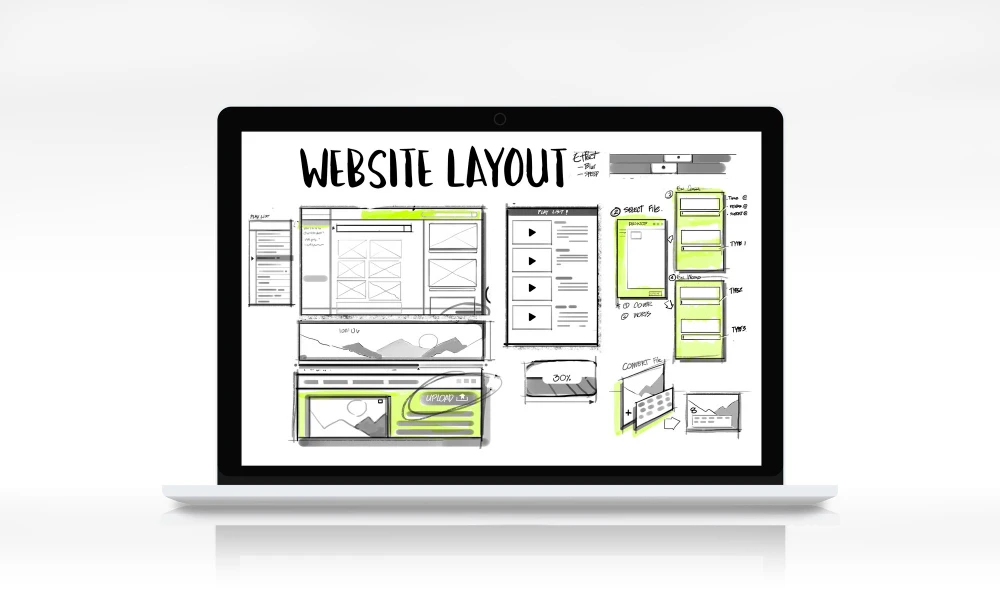
In UI/UX design, visual storytelling plays a crucial role in enhancing user engagement and improving the overall user experience. By using visuals to guide users through a digital experience, designers can create more intuitive and memorable interactions.
Tools and Resources for Visual Storytelling
Several tools and resources are available to help designers create compelling visual stories. From graphic design software to online resources, these tools can help designers bring their ideas to life.
Tips for Effective Visual Storytelling
Some tips for effective visual storytelling include keeping the message simple and focused, using visuals to evoke emotions, and maintaining consistency in design elements.
Challenges and Solutions
While visual storytelling offers many benefits, it also comes with its challenges. These include ensuring accessibility for all users and maintaining a balance between creativity and usability.
Future Trends in Visual Storytelling
As technology continues to evolve, so too will the field of visual storytelling. Future trends may include the use of augmented reality and virtual reality to create more immersive visual experiences.
Conclusion
In conclusion, visual storytelling is a powerful tool that can enhance the impact of any message. By understanding the principles behind visual storytelling and applying them to your designs, you can unlock the power of visuals to create compelling narratives that captivate and engage your audience.
Visit my Upwork profile for - UI/UX design, Web design & Mobile design



























Sign in to leave a comment.