
User Interface (UI) and User Experience (UX) design have come a long way since their inception. From humble beginnings to revolutionary advancements, the evolution of UI/UX design has been marked by innovation and creativity.
This article explores the journey of UI/UX design, from its origins to its future, highlighting key developments and trends that have shaped the field.
1. Introduction
UI/UX design is a critical component of modern digital experiences. It encompasses the visual elements, interactive features, and overall usability of a product or service. Over the years, UI/UX design has evolved significantly, driven by technological advancements and changing user expectations.
2. The Origins of UI/UX Design
Early Concepts and Development
The roots of UI/UX design can be traced back to the early days of computing when developers began to recognize the importance of creating interfaces that were user-friendly and intuitive. Early examples of UI/UX design include the development of graphical user interfaces (GUIs) in the 1970s, which revolutionized the way users interacted with computers.
Influential Figures in Design History
Several influential figures have played a significant role in shaping the field of UI/UX design. One such figure is Don Norman, who coined the term “user experience” and emphasized the importance of designing products with the user in mind. Another key figure is Steve Jobs, whose emphasis on simplicity and elegance in design has had a lasting impact on the industry.
3. The Digital Revolution and UI/UX
Transition to Digital Platforms
The advent of the internet and digital technologies in the 1990s marked a significant shift in UI/UX design. Designers were now tasked with creating interfaces for websites and digital applications, leading to new challenges and opportunities.
Impact of Technology Advancements
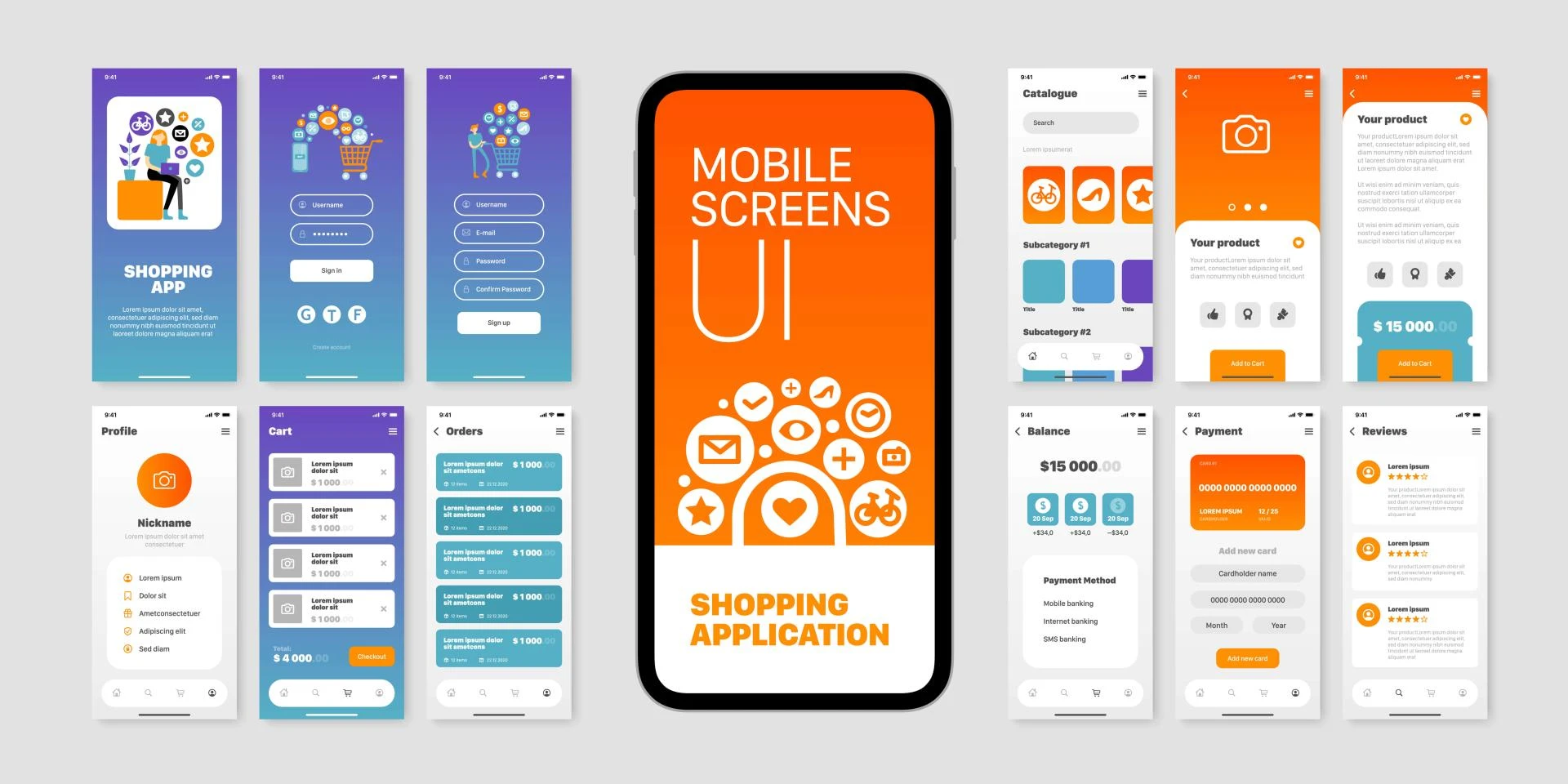
Advancements in technology, such as the proliferation of smartphones and tablets, have further transformed UI/UX design. Designers must now consider a wide range of devices and screen sizes when creating interfaces, leading to the development of responsive design principles.
4. Modern Trends in UI/UX Design
Minimalism and Flat Design
In recent years, there has been a trend towards minimalism and flat design in UI/UX. This design aesthetic emphasizes simplicity and clarity, removing unnecessary elements and focusing on essential content.
Responsive Design and Mobile First Approach
With the rise of mobile devices, responsive design has become essential in UI/UX design. Designers must ensure that interfaces are optimized for mobile viewing, leading to the adoption of a “mobile-first” approach in design.
User-Centered Design Principles
User-centered design principles have become central to modern UI/UX design. Designers must conduct research and gather feedback from users to create interfaces that meet their needs and expectations.
5. Innovation in UI/UX
AI and Machine Learning Integration
AI and machine learning are increasingly being integrated into UI/UX design to enhance user experiences. These technologies can personalize interfaces based on user behavior and preferences, leading to more engaging and intuitive experiences.
Augmented Reality and Virtual Reality
Augmented reality (AR) and virtual reality (VR) are also influencing UI/UX design, particularly in gaming and entertainment. These technologies offer new ways for users to interact with digital interfaces, creating immersive and interactive experiences.
Voice User Interfaces (VUI) and Conversational Design
The rise of voice assistants like Siri and Alexa has led to the development of voice user interfaces (VUI) and conversational design principles. Designers must now consider how users interact with interfaces using voice commands, leading to new design challenges and opportunities.
6. The Future of UI/UX Design
Anticipated Technological Advancements
The future of UI/UX design is likely to be shaped by further technological advancements, such as augmented reality glasses and wearable devices. Designers will need to adapt to these new technologies and find innovative ways to create compelling user experiences.
Importance of Design Thinking
Design thinking, which emphasizes empathy, ideation, and experimentation, will continue to play a crucial role in UI/UX design. Designers must approach problems from a user-centered perspective, using creative thinking to develop innovative solutions.
7. Conclusion
In conclusion, the evolution of UI/UX design has been marked by innovation, creativity, and technological advancements. From its humble beginnings to its future possibilities, UI/UX design continues to be a dynamic and exciting field that shapes the way we interact with digital technology.
Visit my Upwork profile for — UI/UX design, Web design & Mobile design


























Sign in to leave a comment.