
In today’s digital age, the user interface (UI) and user experience (UX) design have become critical components of any successful product or service.
From the early days of computing to the current era of smartphones and tablets, the evolution of UI/UX design has been marked by significant trends that have redefined the way we interact with technology.
Historical Overview of UI/UX Design
Early Interactions with Computers
The history of UI/UX design can be traced back to the early days of computing when interactions with computers were primarily text-based. Users had to input commands using complex codes, making the process cumbersome and unintuitive.
Emergence of Graphical User Interfaces (GUIs)
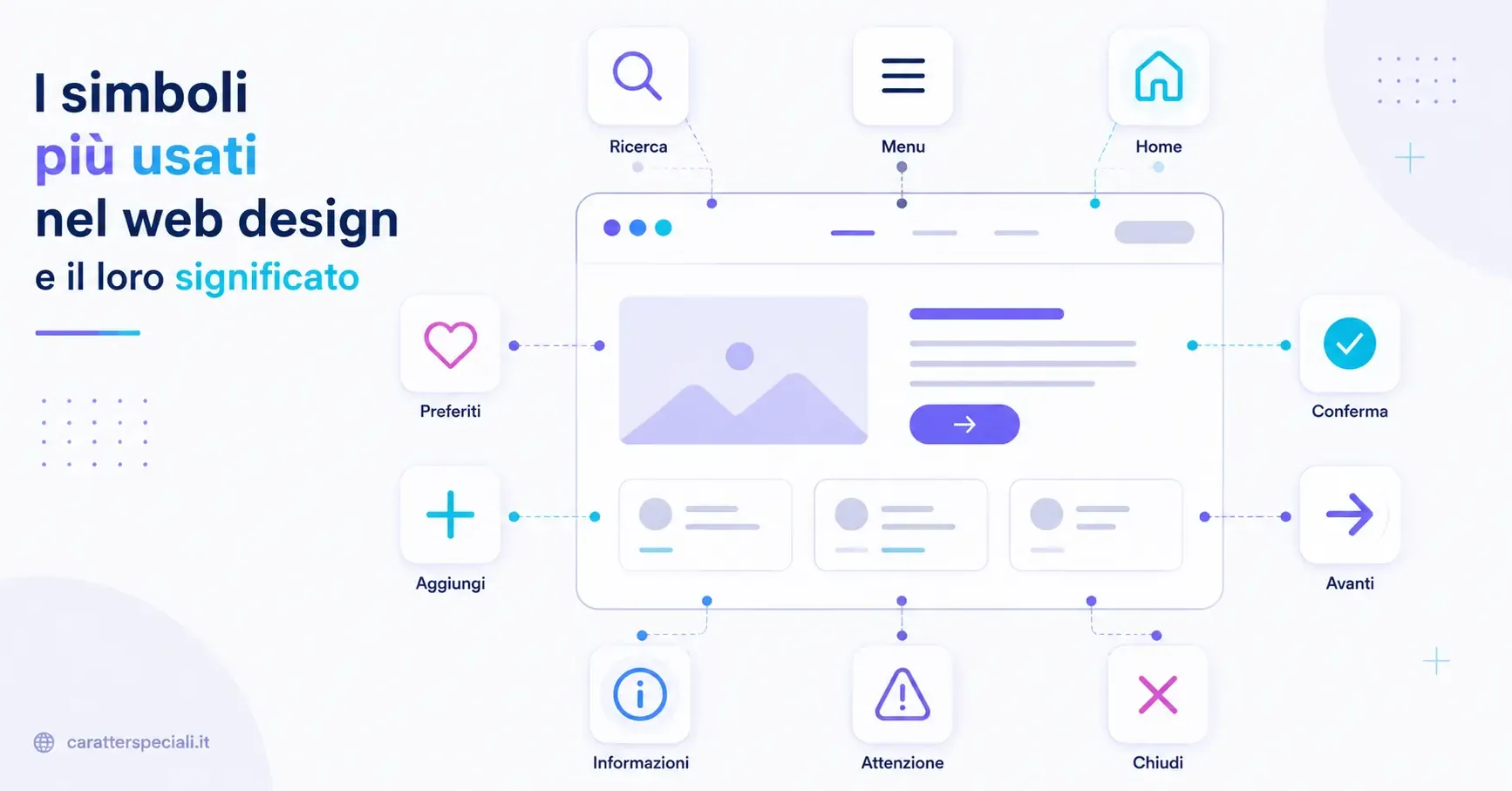
The breakthrough came with the development of graphical user interfaces (GUIs), which replaced text-based commands with visual elements such as icons, buttons, and menus. This made computers more accessible to the average user and laid the foundation for modern UI/UX design principles.
Evolution of UI/UX Design
Web 1.0: Static Web Pages
The early days of the internet were characterized by static web pages that were primarily informational. Websites were designed using basic HTML and CSS, with little emphasis on user interaction or engagement.
Web 2.0: Dynamic and Interactive Websites
The advent of Web 2.0 brought a paradigm shift in UI/UX design, with websites becoming more dynamic and interactive. Technologies such as AJAX allowed for real-time updates and improved user engagement through features like comments, likes, and shares.
Rise of Mobile Design
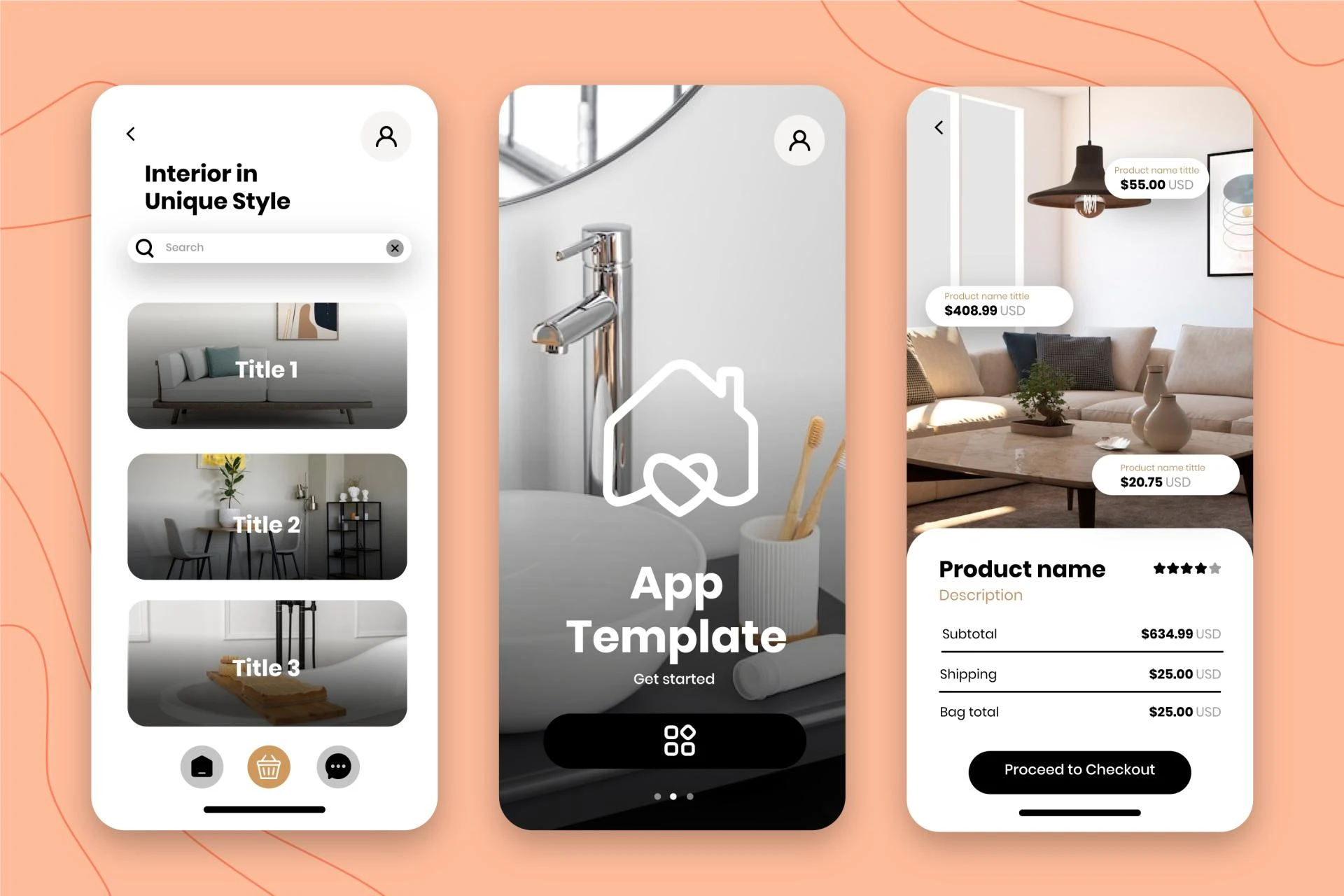
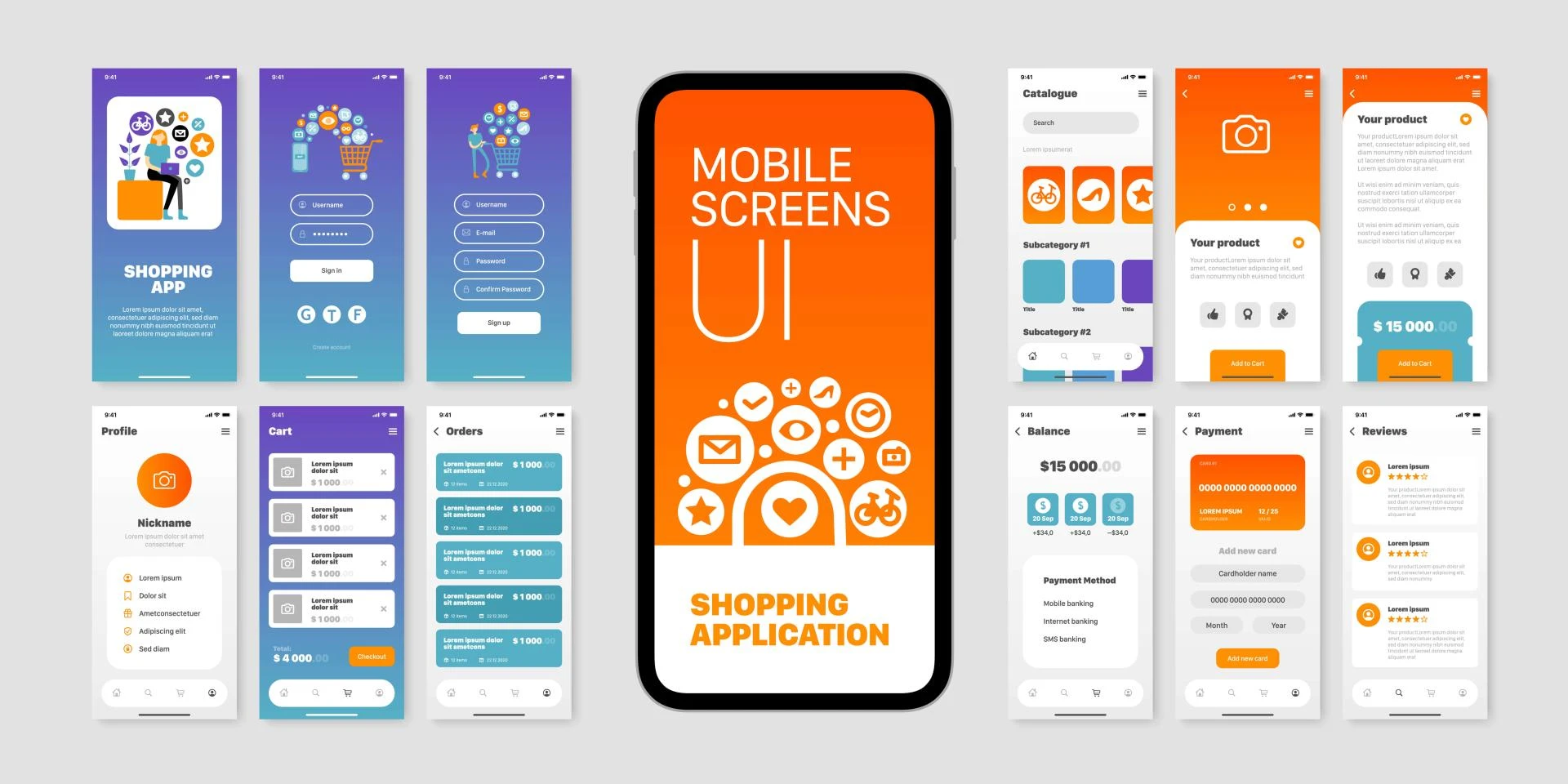
The proliferation of smartphones and tablets in the late 2000s gave rise to mobile design principles. UI/UX designers had to adapt to smaller screens and touch-based interactions, leading to the development of responsive design and mobile-first strategies.
Current UI/UX Trends
Minimalism and Simplification
One of the prominent trends in modern UI/UX design is minimalism, which focuses on removing unnecessary elements and simplifying the user interface. This approach aims to reduce cognitive load and improve user comprehension.
Mobile-First Design
With the majority of internet users accessing the web through mobile devices, designing for mobile-first has become a standard practice. This approach ensures that websites are optimized for smaller screens and touch-based interactions.
Personalization and User-Centric Design
Personalization has become a key aspect of UI/UX design, with companies using data-driven insights to tailor experiences to individual users. User-centric design focuses on understanding user needs and preferences to create more meaningful interactions.
Voice User Interface (VUI) and Conversational Interfaces
The rise of virtual assistants like Siri and Alexa has popularized voice user interfaces (VUIs) and conversational interfaces. These interfaces allow users to interact with technology using natural language, making interactions more intuitive and user-friendly.
Augmented Reality (AR) and Virtual Reality (VR)
AR and VR technologies are revolutionizing UI/UX design by creating immersive and interactive experiences. These technologies have applications in gaming, education, healthcare, and more, offering new ways for users to interact with digital content.
Future of UI/UX Design
AI and Machine Learning Integration
AI and machine learning are poised to play a significant role in the future of UI/UX design. These technologies can be used to analyze user behavior, automate repetitive tasks, and personalize experiences at scale.
Internet of Things (IoT) and Connected Experiences
The IoT is enabling a new wave of connected experiences, where devices seamlessly interact with each other to enhance user experiences. UI/UX designers will need to consider the broader ecosystem when designing for IoT devices.
Emphasis on Accessibility and Inclusive Design
As technology becomes more integrated into everyday life, there is a growing emphasis on accessibility and inclusive design. UI/UX designers will need to ensure that their products are accessible to users of all abilities.
Continued Evolution of AR and VR
AR and VR technologies will continue to evolve, offering new possibilities for UI/UX design. These technologies have the potential to create more immersive and engaging experiences, blurring the lines between the physical and digital worlds.
Conclusion
The evolution of UI/UX design has been marked by significant trends that have redefined the way we interact with technology. From the early days of computing to the current era of smartphones and tablets, UI/UX design has evolved to meet the changing needs of users. As we look to the future, AI, IoT, and AR/VR technologies are poised to further revolutionize UI/UX design, creating more personalized, immersive, and inclusive experiences for users.
Visit my Upwork profile for — UI/UX design, Web design & Mobile design


























Sign in to leave a comment.