
In the competitive world of mobile apps, creating a delightful user experience (UX) is key to capturing and retaining users. Designing for delight goes beyond just making an app functional; it involves creating experiences that are memorable, enjoyable, and intuitive. In this article, we'll explore the principles and strategies behind designing for delight in mobile user interface (UI) and UX design.
Understanding User Psychology in UI/UX Design
Importance of Emotional Design
User experience is not just about usability; it's also about emotions. Emotional design focuses on creating products that elicit positive emotions in users, leading to a more memorable and engaging experience.
Creating Delightful Experiences
Delightful experiences are those that exceed user expectations and create a sense of joy or surprise. This can be achieved through thoughtful animations, microinteractions, and personalized experiences.
Key Principles of Delightful Mobile UI/UX Design
Simplicity and Clarity
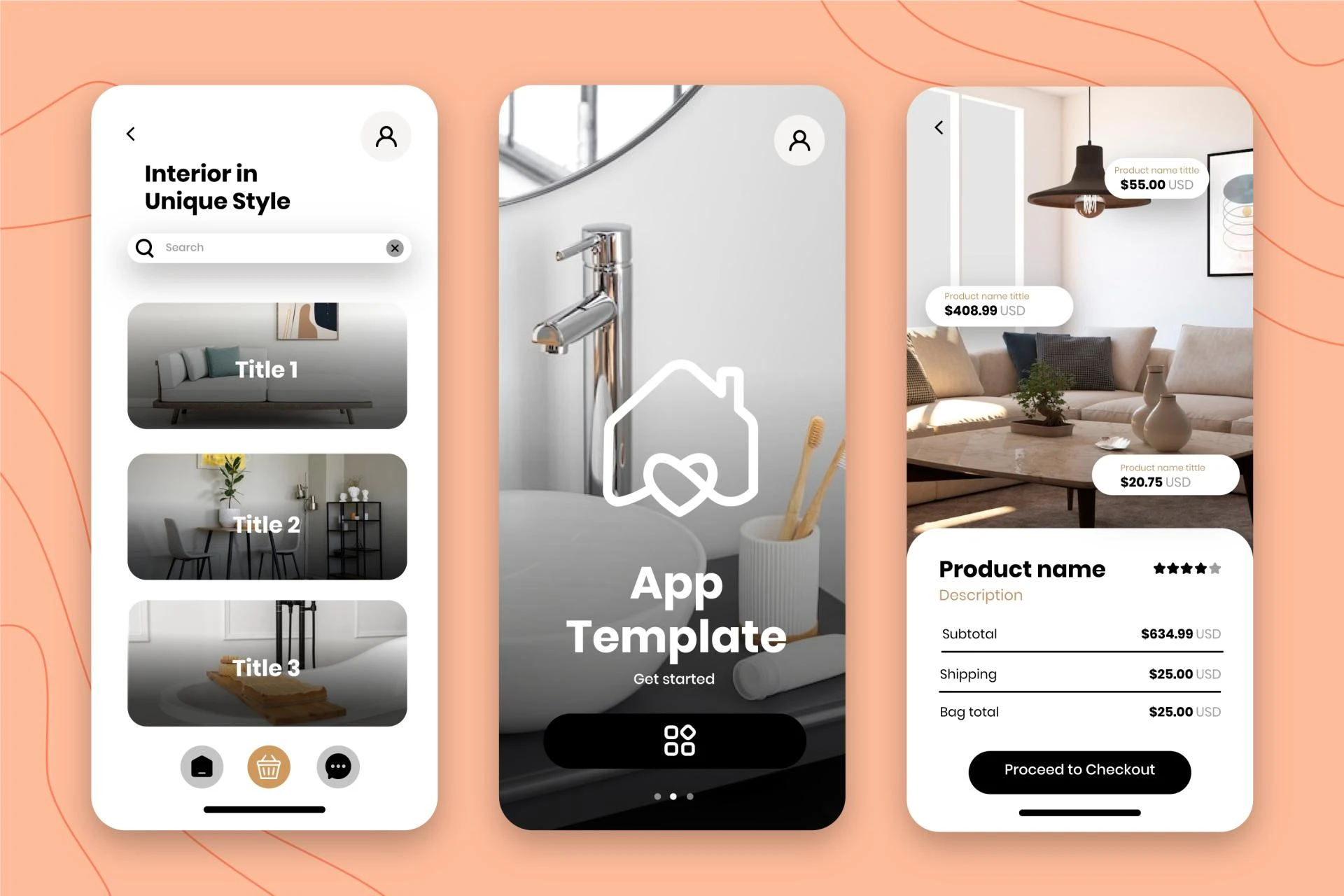
Simplicity is key in mobile UI/UX design. A cluttered interface can be overwhelming and confusing for users. Focus on clarity and minimalism to create a more intuitive experience.
Consistency and Familiarity
Consistency in design helps users navigate your app more easily. Use familiar patterns and design elements to create a sense of familiarity and reduce cognitive load.
Feedback and Responsiveness
Providing feedback to user actions is crucial for creating a responsive and engaging experience. Use animations, tooltips, and other feedback mechanisms to let users know their actions are being registered.
Using Microinteractions to Enhance User Experience
Microinteractions are small, subtle animations or visual cues that provide feedback or enhance the overall user experience. They can add personality to your app and make it more engaging and delightful to use.
Personalization and Customization in Mobile UI/UX
Personalization allows you to tailor the user experience to individual users' preferences and behaviors. This can lead to a more engaging and relevant experience, increasing user satisfaction and retention.
Importance of Visual Appeal in Mobile UI/UX Design
Color Theory and Psychology
Colors can evoke emotions and affect how users perceive your app. Use color wisely to create a visually appealing and emotionally resonant experience.
Typography and Readability
Typography plays a crucial role in mobile UI/UX design. Use clear, readable fonts and pay attention to hierarchy and spacing to ensure content is easy to read and understand.
Navigation and Information Architecture
Intuitive Navigation Patterns
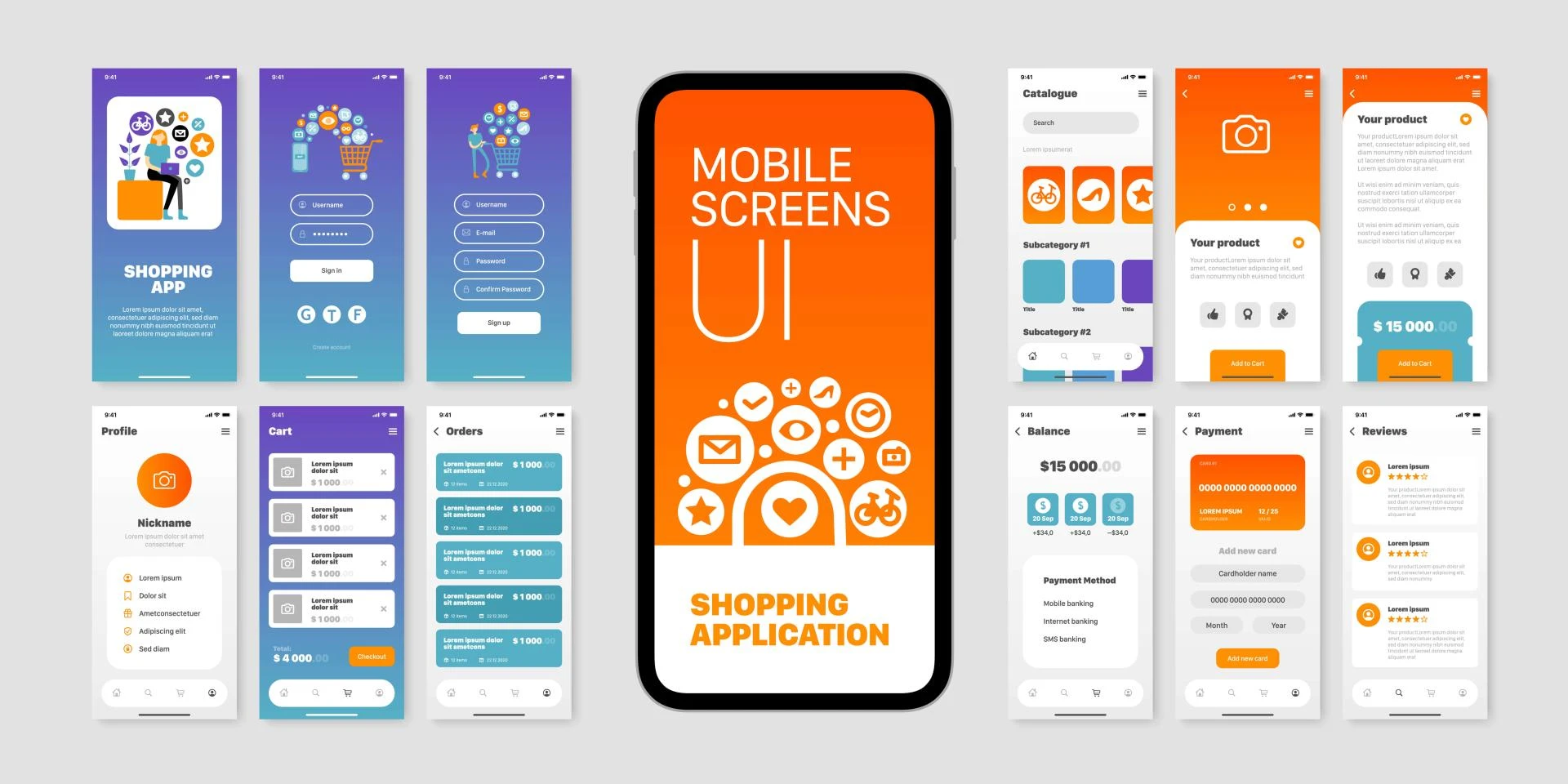
Navigation should be intuitive and easy to use. Use familiar patterns like tab bars, swipe gestures, and menus to help users navigate your app effortlessly.
Clear Information Hierarchy
Organize information in a clear and logical hierarchy to help users find what they're looking for quickly and easily. Use visual cues like headings, icons, and colors to indicate the importance of different elements.
Accessibility and Inclusivity in Mobile UI/UX
Designing for All Users
Accessibility should be a top priority in mobile UI/UX design. Consider users with disabilities and design your app to be usable by everyone, regardless of their abilities.
Importance of Accessibility Features
Include accessibility features like screen readers, voice commands, and text resizing options to make your app more inclusive and user-friendly.
Testing and Iteration in Mobile UI/UX Design
User Testing Methods
Regular user testing is essential for identifying usability issues and gathering feedback for improvement. Use A/B testing, surveys, and analytics to understand user behavior and iterate on your designs accordingly.
Continuous Improvement
UI/UX design is an ongoing process of refinement. Continuously gather feedback, analyze data, and make iterative improvements to create a truly delightful user experience.
Conclusion
Designing for delight in mobile UI/UX involves understanding user psychology, embracing simplicity and clarity, leveraging microinteractions, and prioritizing personalization and accessibility. By focusing on these principles and continuously iterating on your designs, you can create memorable and delightful experiences that keep users coming back for more.
My Fiver link for : Figma Landing Page Design Service


























Sign in to leave a comment.