
Mobile app design is constantly evolving, driven by technological advancements and changing user expectations. In recent years, the focus has shifted towards enhancing the user experience (UX) and user interface (UI) to create more intuitive and engaging apps. As we look ahead, several trends are shaping the future of mobile app design. Understanding these trends can help developers and designers create apps that resonate with users and stand out in a competitive market.
Importance of UI/UX in Mobile App Design
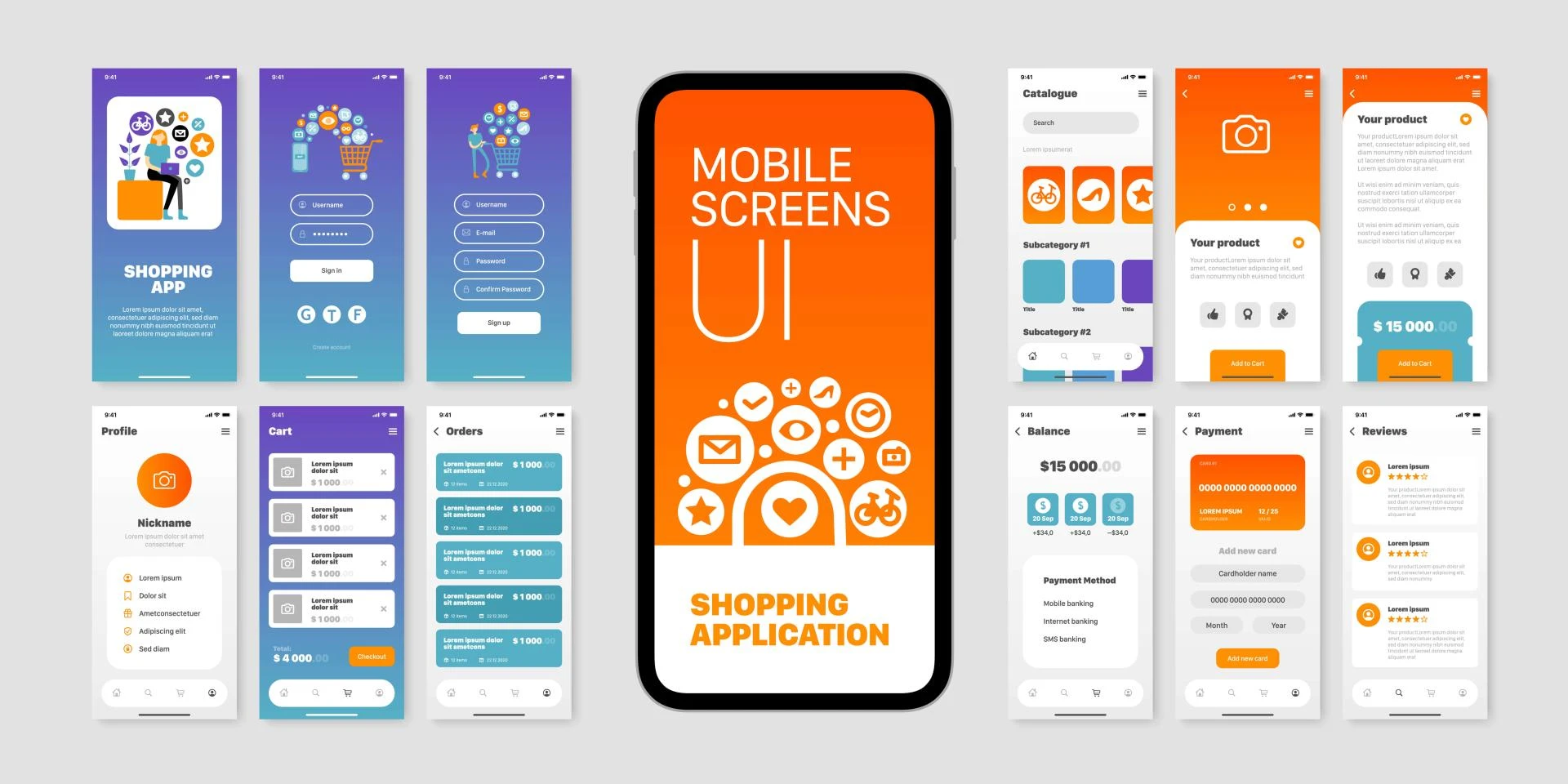
UI/UX design plays a crucial role in the success of a mobile app. A well-designed UI/UX can significantly impact user engagement, retention, and overall satisfaction. With the increasing competition in the app market, businesses are focusing more on delivering exceptional user experiences to gain a competitive edge.
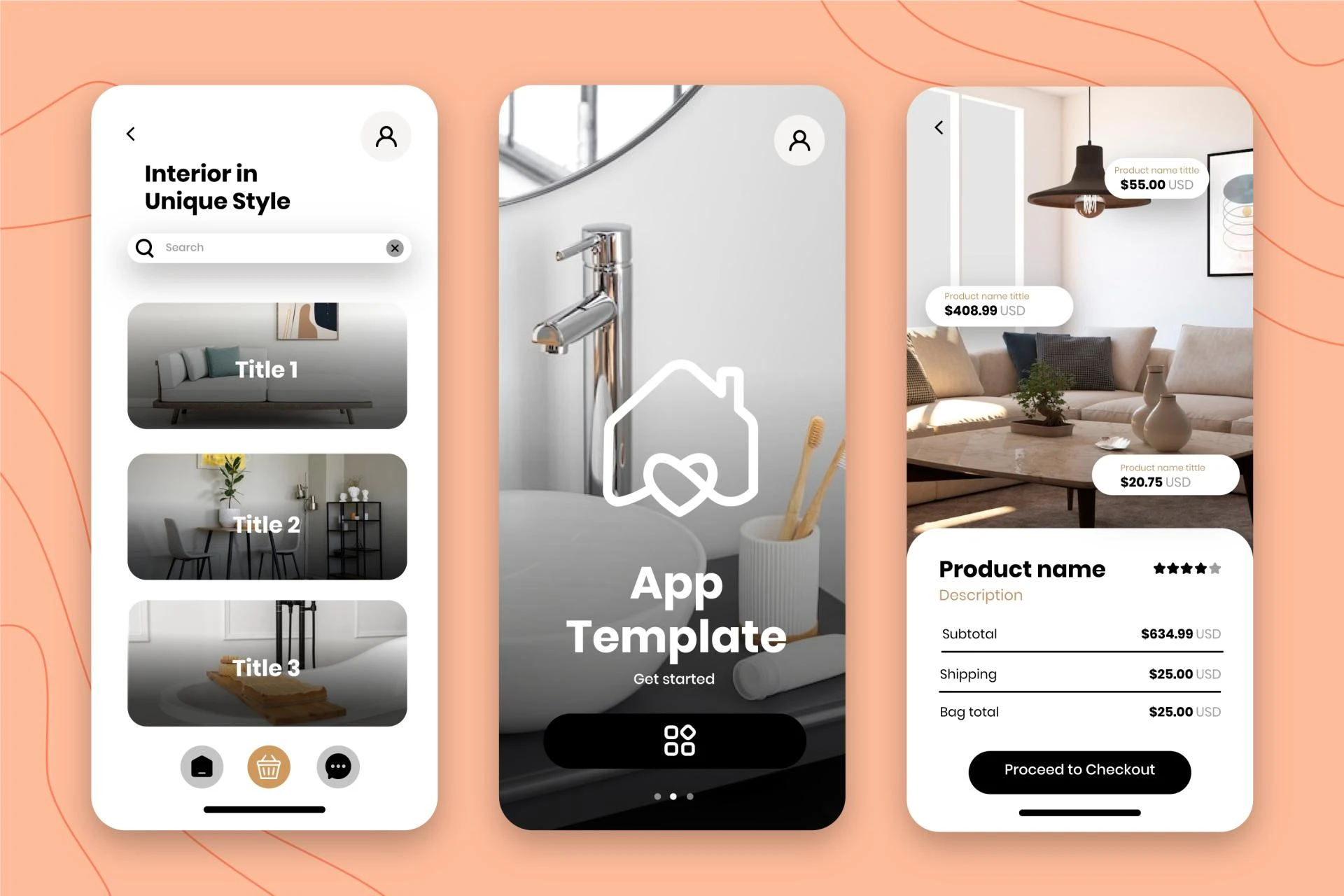
Minimalistic Design
Minimalistic design has been a dominant trend in UI/UX design for several years, and it's expected to continue in the future. This design approach emphasizes simplicity and clarity, focusing on essential elements and reducing clutter. Minimalistic designs not only look modern but also improve usability by making it easier for users to navigate and interact with the app.
Dark Mode
Dark mode has gained popularity among users due to its aesthetic appeal and potential benefits for battery life and eye strain. Many apps now offer a dark mode option, and it's likely to become a standard feature in the future. Designing apps with dark mode in mind can enhance the overall user experience and cater to user preferences.
Voice User Interface (VUI)
With the rise of voice assistants like Siri, Alexa, and Google Assistant, VUI has become an important aspect of mobile app design. Integrating VUI into apps allows users to interact with the app using voice commands, enhancing accessibility and convenience. VUI is expected to become more sophisticated in the future, offering a more natural and seamless user experience.
Personalization
Personalization has become a key driver of user engagement and retention. Apps that can tailor the user experience based on individual preferences and behavior are more likely to succeed. In the future, personalization algorithms are expected to become more advanced, offering highly customized experiences for each user.
Augmented Reality (AR) and Virtual Reality (VR)
AR and VR technologies have the potential to revolutionize mobile app design by creating immersive and interactive experiences. These technologies are already being used in gaming and entertainment apps, but their applications extend to other industries as well. As AR and VR technologies become more accessible, we can expect to see more apps integrating these features to enhance user experiences.
5G Integration
The rollout of 5G technology is expected to have a significant impact on mobile app design. With faster and more reliable connectivity, apps can offer richer content and more seamless experiences. 5G integration will enable developers to create apps with high-quality graphics, real-time data processing, and immersive multimedia content.
Microinteractions
Microinteractions are subtle, single-task interactions that enhance the user experience by providing feedback or guiding users through a process. These interactions, such as animated buttons or progress indicators, can make the app more engaging and intuitive. In the future, we can expect to see more apps leveraging microinteractions to create delightful user experiences.
Biometric Authentication
Biometric authentication, such as fingerprint and facial recognition, has become a standard feature in many smartphones. Integrating biometric authentication into apps enhances security and convenience for users. As biometric technology advances, we can expect to see more apps adopting these authentication methods to enhance user experiences.
Accessibility Features
Ensuring accessibility for all users is a crucial aspect of mobile app design. Apps that are accessible to users with disabilities not only comply with regulations but also demonstrate inclusivity and empathy. In the future, we can expect to see more apps incorporating accessibility features, such as screen readers and voice commands, to cater to a broader audience.
Conclusion
The future of mobile app design is exciting, with new technologies and trends shaping the way we interact with apps. By embracing these trends and focusing on enhancing the user experience, developers and designers can create apps that are not only functional but also enjoyable and engaging for users.
Visit my Upwork profile for — UI/UX design, Web Design, Mobile design & Web app designer
Check out my amazing project catalog — iOS or Android Mobile APP UX/UI Design, Responsive website design & Crypto & NFT Mobile App UI Design



























Sign in to leave a comment.