
Designing for delight is not just about creating visually appealing interfaces; it's about creating experiences that leave a lasting impression on users. User delight in design refers to the feeling of joy or satisfaction that users experience when interacting with a product or service. It goes beyond meeting basic needs and aims to exceed user expectations, creating memorable and meaningful experiences.
Understanding User Needs
To design for delight, it's crucial to understand the needs, preferences, and pain points of your target audience. Conducting thorough user research, including interviews, surveys, and usability testing, can provide valuable insights into what users truly want and expect from your product. Identifying common pain points and areas for improvement can help prioritize features that will enhance the user experience.
Implementing User-Centric Design
User personas and empathy mapping are powerful tools for understanding user behaviors and emotions. Creating detailed user personas helps to humanize the design process and ensures that solutions are tailored to meet the needs of specific user groups. Empathy mapping, on the other hand, helps to visualize the thoughts, feelings, and motivations of users, guiding designers in creating experiences that resonate emotionally with users.
Incorporating Delightful Elements
Surprise and delight features are unexpected elements that can enhance the user experience and create a sense of delight. These could include hidden Easter eggs, interactive animations, or personalized recommendations based on user behavior. Microinteractions, such as subtle animations or sounds, can also add a layer of delight to the user experience by providing feedback and creating a more engaging interaction.
Simplifying User Interactions
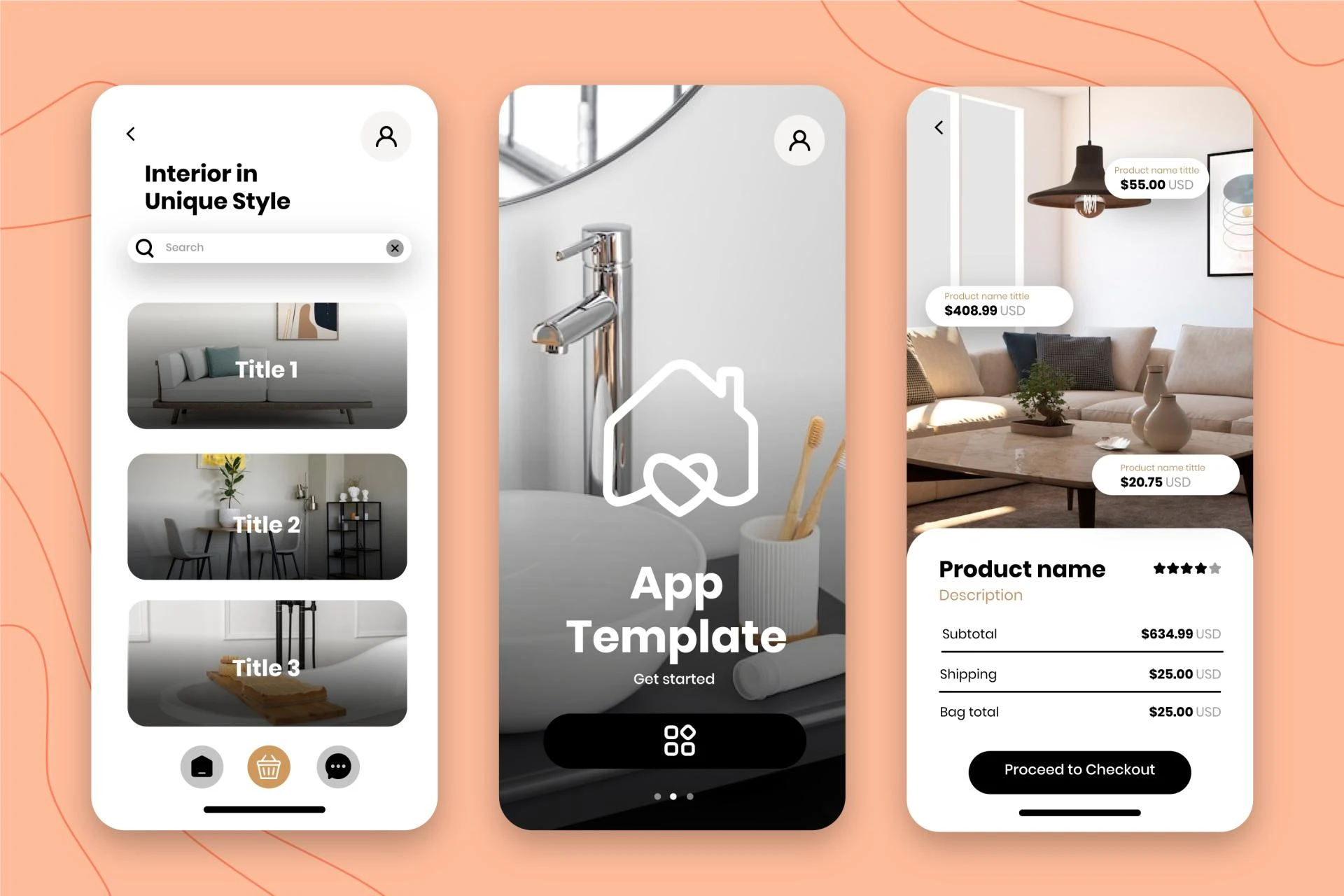
Simplicity is key to a delightful user experience. Streamlining user flows and minimizing cognitive load can make it easier for users to achieve their goals without unnecessary friction. Clear and concise messaging, intuitive navigation, and well-designed forms are all elements that contribute to a more seamless user experience.
Visual Design and Aesthetics
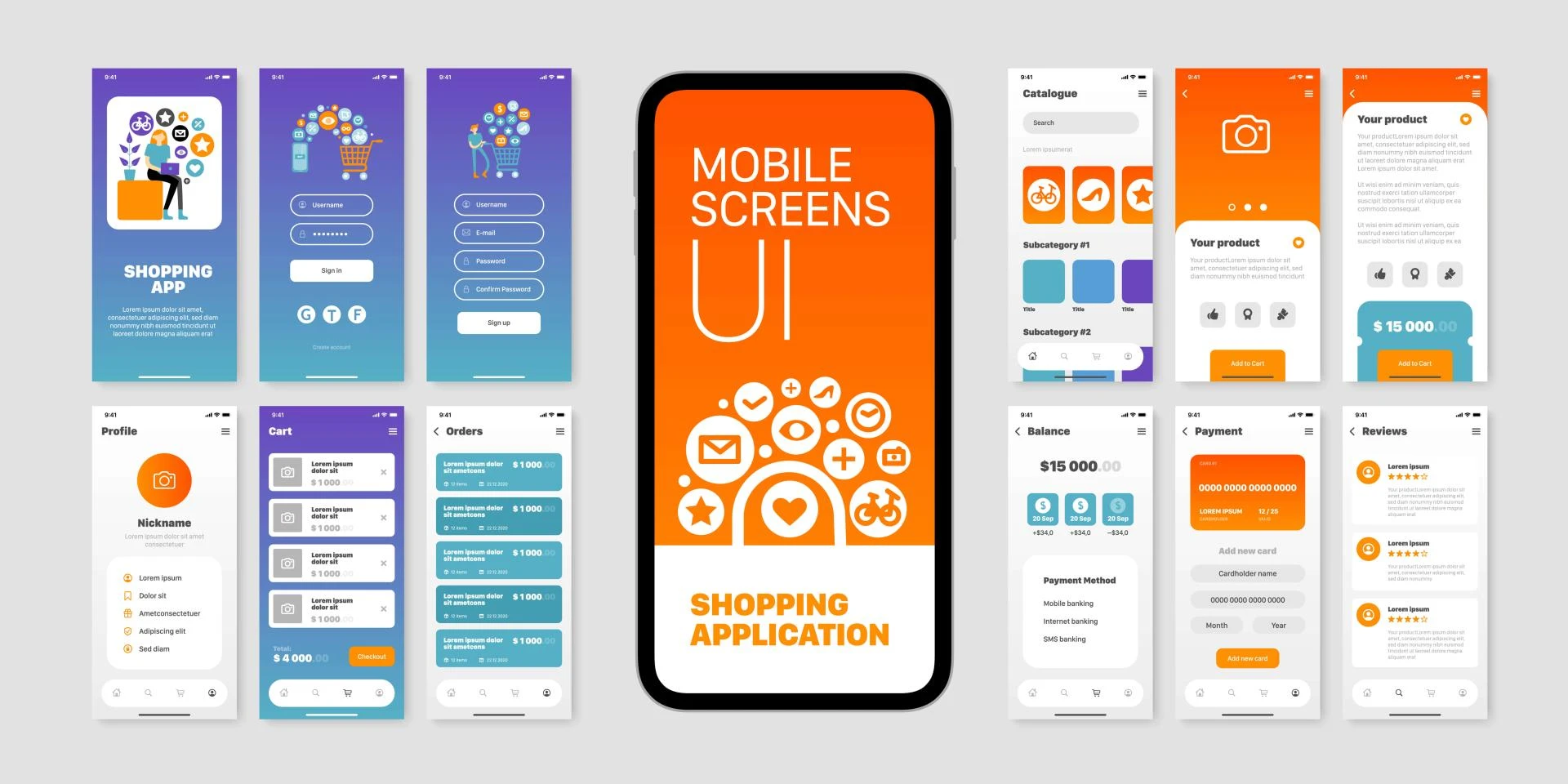
Visual design plays a significant role in creating a delightful user experience. Using colors, typography, and imagery that resonate with your target audience can evoke the right emotions and create a more engaging experience. Responsive design is also essential to ensure that your website or app looks and functions seamlessly across different devices and screen sizes.
Feedback and Iteration
Collecting user feedback is crucial to understanding how users perceive your product and identifying areas for improvement. Regularly iterating on your design based on user suggestions and insights can help ensure that your product continues to meet user needs and expectations over time.
Measuring Success
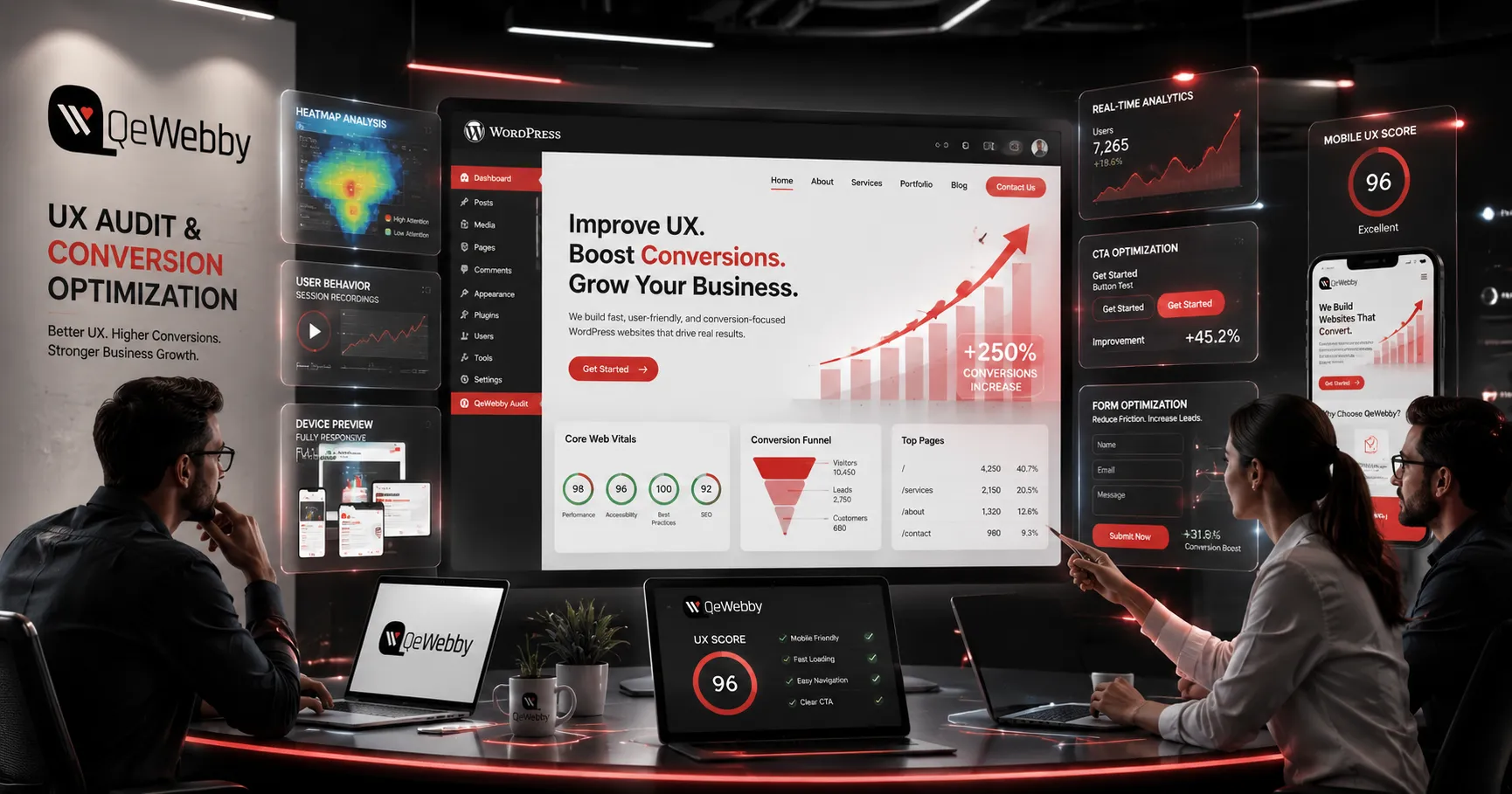
Measuring the success of your design efforts is essential to understanding the impact of your work. Metrics like Net Promoter Score (NPS), user engagement, and retention rates can provide valuable insights into how users perceive your product and whether it's meeting their needs. Analyzing these metrics regularly can help you identify areas for improvement and guide future design decisions.
Conclusion
In conclusion, designing for delight is about creating experiences that not only meet user needs but exceed their expectations. By understanding user needs, incorporating delightful elements, simplifying interactions, and iterating based on feedback, you can create memorable user experiences that keep users coming back for more.
Visit my Upwork project catalog : Elementor Developer























Sign in to leave a comment.