
When it comes to capturing the attention of potential customers and driving conversions, your landing page is often the first point of contact. As such, it's crucial to design a user interface (UI) and user experience (UX) that not only captivates visitors but also guides them seamlessly through the conversion funnel. In this article, we'll explore effective UI/UX design strategies that can enhance your landing page services, ensuring a delightful and engaging experience for your audience.
1. Prioritize Clear and Concise Communication
A cluttered and confusing landing page can quickly deter visitors from engaging with your services. Implement a minimalist design approach that emphasizes clear and concise messaging. Use attention-grabbing headlines, succinct copy, and visuals that convey the core value proposition of your services. This clarity will help visitors quickly understand what you offer and why they should consider your services.
2. Leverage Visual Hierarchy
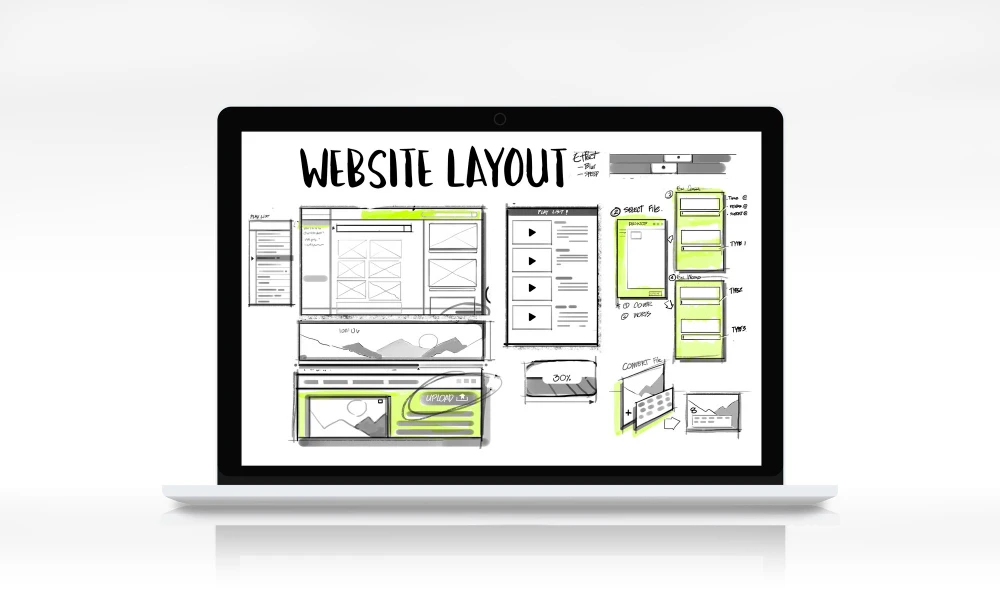
Visual hierarchy plays a pivotal role in guiding users' attention and ensuring a logical flow of information. Utilize design elements such as typography, color, whitespace, and layout to establish a clear hierarchy. This will not only enhance the overall aesthetics but also improve the comprehension and navigation of your landing page. Draw attention to the most important elements first, and then guide users through supporting information and calls-to-action (CTAs).
3. Optimize for Mobile Devices
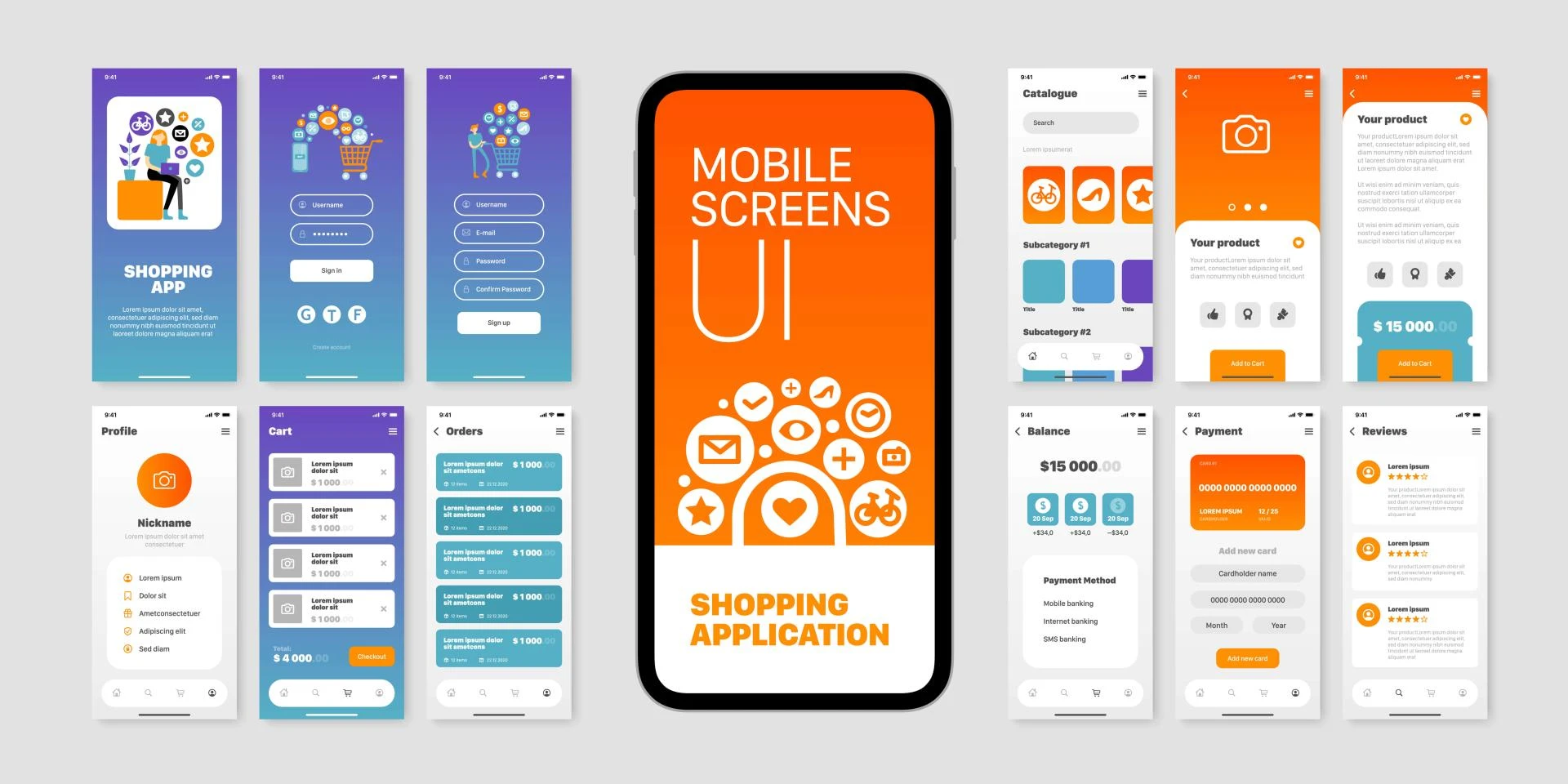
With an ever-increasing number of users accessing websites on mobile devices, optimizing your landing page for mobile experiences is essential. Implement responsive design principles that ensure seamless adaptation to different screen sizes and resolutions. Consider the unique constraints of mobile devices, such as smaller screens and touch-based interactions, and design accordingly. Prioritize essential information, simplify navigation, and ensure that CTAs are prominently displayed and easily accessible.
4. Leverage Contextual Imagery and Videos
Visuals have the power to captivate and engage users in a way that text alone cannot. Incorporate high-quality, relevant imagery and videos that complement your messaging and services. These visual elements can help convey complex concepts, showcase product features, or evoke emotional connections with your audience. However, ensure that visuals are optimized for fast loading times and do not compromise the overall performance of your landing page.
5. Implement Persuasive CTAs
CTAs are the driving force behind conversions on your landing page. Design CTAs that are visually prominent, compelling, and strategically placed throughout the user journey. Use action-oriented language that motivates users to take the desired action, whether it's signing up for a free trial, requesting a demo, or making a purchase. Additionally, experiment with different CTA designs, colors, and placements to determine what resonates best with your target audience.
6. Foster Trust and Credibility
Building trust and credibility with potential customers is crucial for successful conversions. Incorporate elements that establish your brand's authority and expertise, such as customer testimonials, industry accolades, or partnership logos. Showcase social proof, such as customer reviews or case studies, to provide visitors with reassurance and validation. Additionally, ensure that your landing page adheres to best practices for security and privacy, displaying trust seals or certifications where appropriate.
7. Embrace Usability Testing
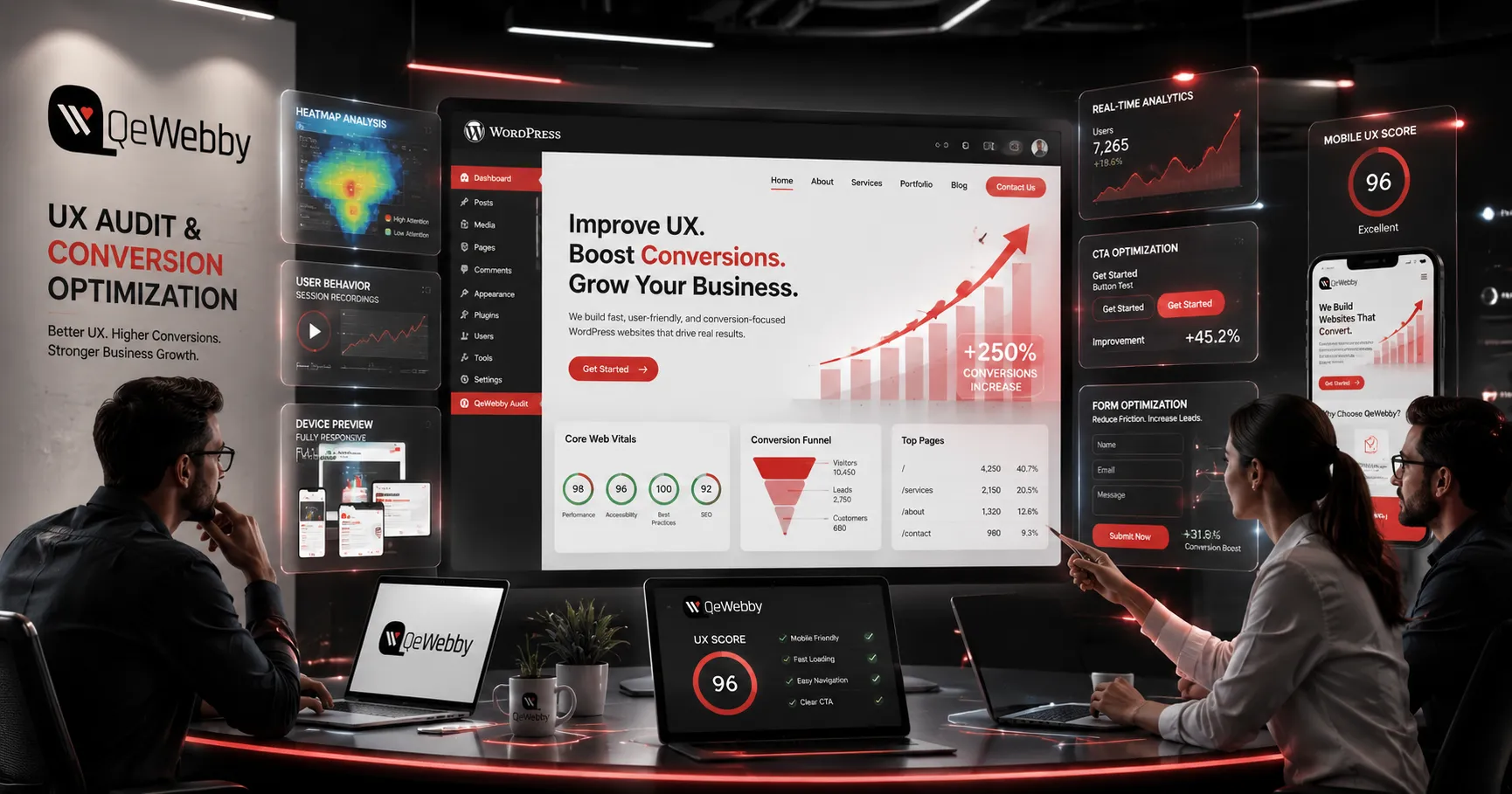
Continuous usability testing is essential for refining and optimizing your landing page's UI/UX. Gather feedback from real users through user testing sessions, heatmaps, and analytics tools. Identify pain points, areas of confusion, or opportunities for improvement, and iterate based on the insights gained. This iterative approach ensures that your landing page consistently meets the evolving needs and expectations of your target audience.
8. Personalize the Experience
Personalization can significantly enhance the user experience by tailoring the content and messaging to specific user segments or behaviors. Leverage data and user analytics to understand your audience's preferences, interests, and pain points. Dynamically adjust the landing page's content, visuals, and CTAs based on this information, creating a more personalized and relevant experience for each visitor.
9. Implement Seamless Navigation
A landing page should not exist in isolation but rather seamlessly integrate with the rest of your website or digital ecosystem. Ensure that navigation elements, such as menus and internal links, are intuitive and consistent with your overall branding and design language. This consistency not only enhances the user experience but also reinforces your brand's identity and credibility.
10. Continuously Monitor and Optimize
UI/UX design is an iterative process that requires continuous monitoring and optimization. Regularly analyze user behavior, conversion rates, and feedback to identify areas for improvement. Leverage A/B testing and multivariate testing techniques to experiment with different design elements, layouts, and messaging. This data-driven approach will enable you to make informed decisions and continuously refine your landing page services, ensuring a competitive edge in the ever-evolving digital landscape.
Conclusion
By implementing these UI/UX design strategies, you can elevate your landing page services and provide a truly engaging and memorable experience for your audience. Ultimately, a well-designed landing page can not only capture user attention but also drive conversions, foster brand loyalty, and contribute to the overall success of your business.
My Fiver link for : Figma Landing Page Design Service





















Sign in to leave a comment.