

In the ever-evolving landscape of digital interaction, the significance of user interface (UI) and user experience (UX) design cannot be overstated. As technology advances and user expectations rise, designers face the challenge of creating impactful and intuitive experiences that resonate with users. In this blog post, we delve into the world of UI/UX design, exploring the strategies and principles that contribute to creating designs with lasting impact.
Understanding the Essence of UI/UX:
Before delving into the intricacies of designing for impact, it's crucial to grasp the essence of UI/UX. User interface refers to the visual elements through which users interact with a product, while user experience encompasses the overall feel and satisfaction a user derives from that interaction. A harmonious blend of both is essential for a design to make a lasting impact.
The Power of Intuitiveness:
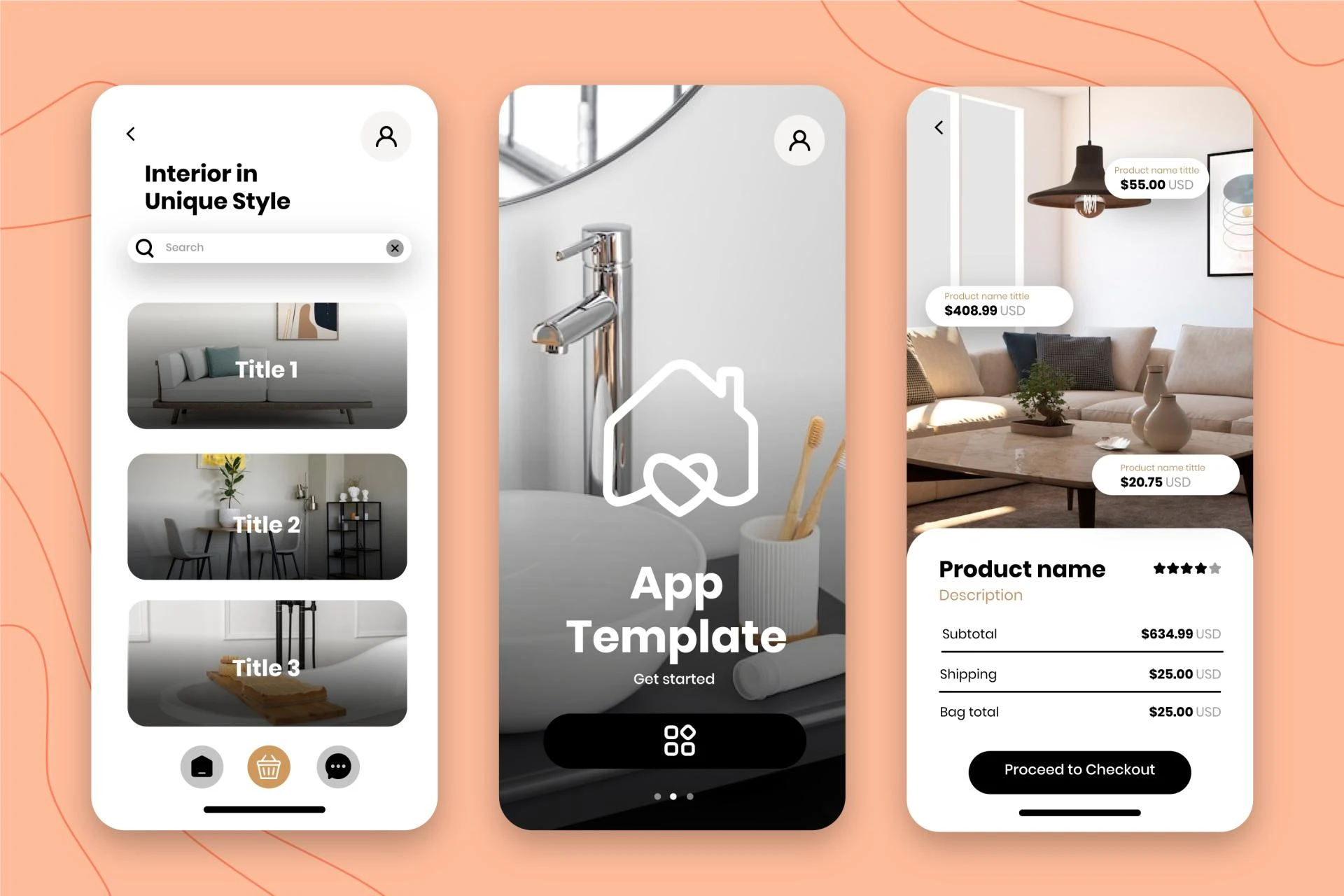
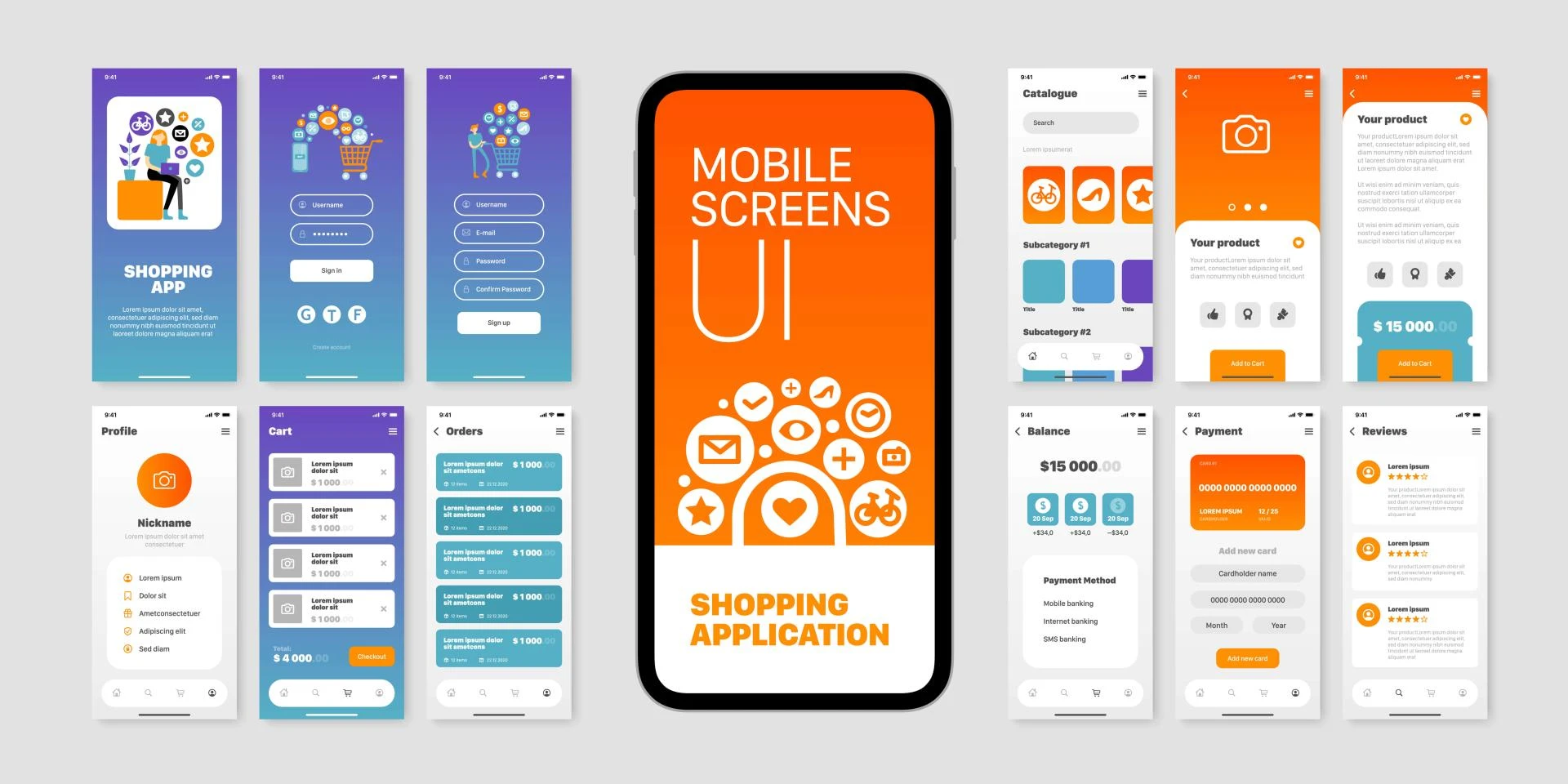
The foundation of impactful UI/UX design lies in intuitiveness. An intuitive design anticipates user needs, making interactions seamless and enjoyable. Buttons placed where users expect them, logical navigation, and familiar patterns contribute to an intuitive experience. When users can effortlessly navigate through a website or app without conscious thought, the design has achieved a level of intuitiveness that can leave a lasting impression.
Striking Visuals and Consistency:
Visual appeal is a powerful tool in UI/UX design. Striking visuals capture attention, but consistency is key to maintaining a cohesive user experience. Establishing a consistent design language, including color schemes, typography, and iconography, fosters a sense of familiarity and professionalism. Users should feel that every element belongs, contributing to a unified and visually pleasing whole.
User-Centric Design:
Designing for impact requires a deep understanding of the target audience. User-centric design involves empathizing with users, understanding their goals, and tailoring the design to meet their needs. Conducting user research, creating user personas, and incorporating feedback throughout the design process are integral components of user-centric design. By aligning the design with user expectations, designers can create experiences that truly resonate.
Embracing Accessibility:
Impactful UI/UX designs are inclusive designs. Accessibility should be at the forefront of the design process, ensuring that everyone, regardless of abilities or disabilities, can access and interact with the product. From clear and concise copy to providing alternative text for images, accessibility considerations enhance the overall usability and impact of the design.
Testing and Iteration:
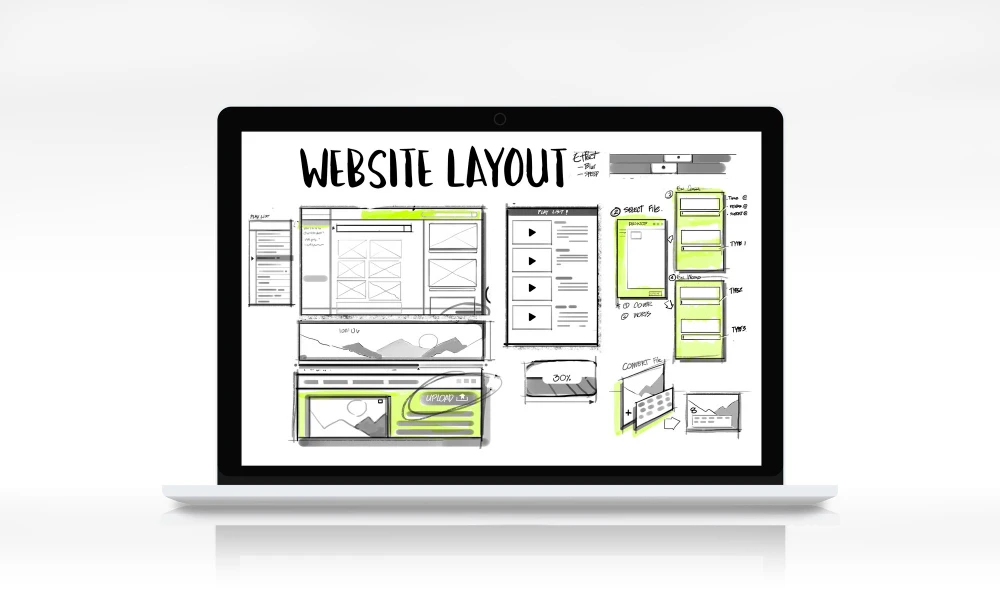
The path to impactful design is seldom linear. Continuous testing and iteration are essential to refining and enhancing the user experience. A/B testing, usability testing, and feedback loops provide valuable insights into user behavior and preferences. By embracing an iterative approach, designers can uncover opportunities for improvement and refine their designs to maximize impact.
Conclusion:
Designing for impact is a multifaceted endeavor that requires a deep understanding of users, a commitment to intuitiveness, and a dedication to continuous improvement. In the dynamic world of UI/UX design, staying abreast of emerging trends and technologies is essential. By embracing the power of intuitive UI/UX experiences, designers can create digital interactions that not only meet user expectations but leave a lasting and positive impact on their audience. In the intersection of creativity and functionality, the true potential of UI/UX design is unlocked, promising a future where digital experiences are both seamless and unforgettable.
Visit my Upwork profile for — UI/UX design, Web Design & Mobile design
Check out my amazing project catalog — iOS or Android Mobile APP UX/UI Design, Responsive website design & Crypto & NFT Mobile App UI Design




























Sign in to leave a comment.