

In the ever-evolving digital landscape, staying ahead is not just a goal but a necessity. As technology continues to advance at an unprecedented pace, user interface (UI) and user experience (UX) design play a pivotal role in shaping the way we interact with digital products. To thrive in this dynamic environment, designers must embrace innovation and continually refine their approach. In this blog post, we'll explore the key strategies for maintaining a competitive edge in UI/UX design.
Embrace User-Centric Design:The heart of any successful UI/UX design lies in understanding the end-users. Designers need to empathize with their audience, anticipating their needs and preferences. Conducting user research, surveys, and usability testing can provide valuable insights, helping designers create interfaces that are not only aesthetically pleasing but also highly functional.
Stay Abreast of Emerging Technologies:Innovation in UI/UX design often aligns with advancements in technology. Designers should keep a close eye on emerging technologies such as augmented reality (AR), virtual reality (VR), and voice interfaces. Integrating these technologies into design can provide users with novel and immersive experiences, setting your products apart in a crowded digital landscape.
Prioritize Accessibility:Inclusive design is no longer an option but a requirement. Prioritizing accessibility ensures that digital products are usable by people of all abilities. This includes considerations for users with disabilities, such as providing alternative text for images, ensuring proper color contrast, and implementing keyboard navigation. A user-friendly experience for everyone contributes to the overall success of a product.
Implement Microinteractions:Microinteractions are subtle animations or design elements that enhance the overall user experience. From a bouncing button to a satisfying sound notification, these small details can greatly impact user engagement. Carefully thought-out microinteractions not only make the user interface more enjoyable but also communicate information and feedback effectively.
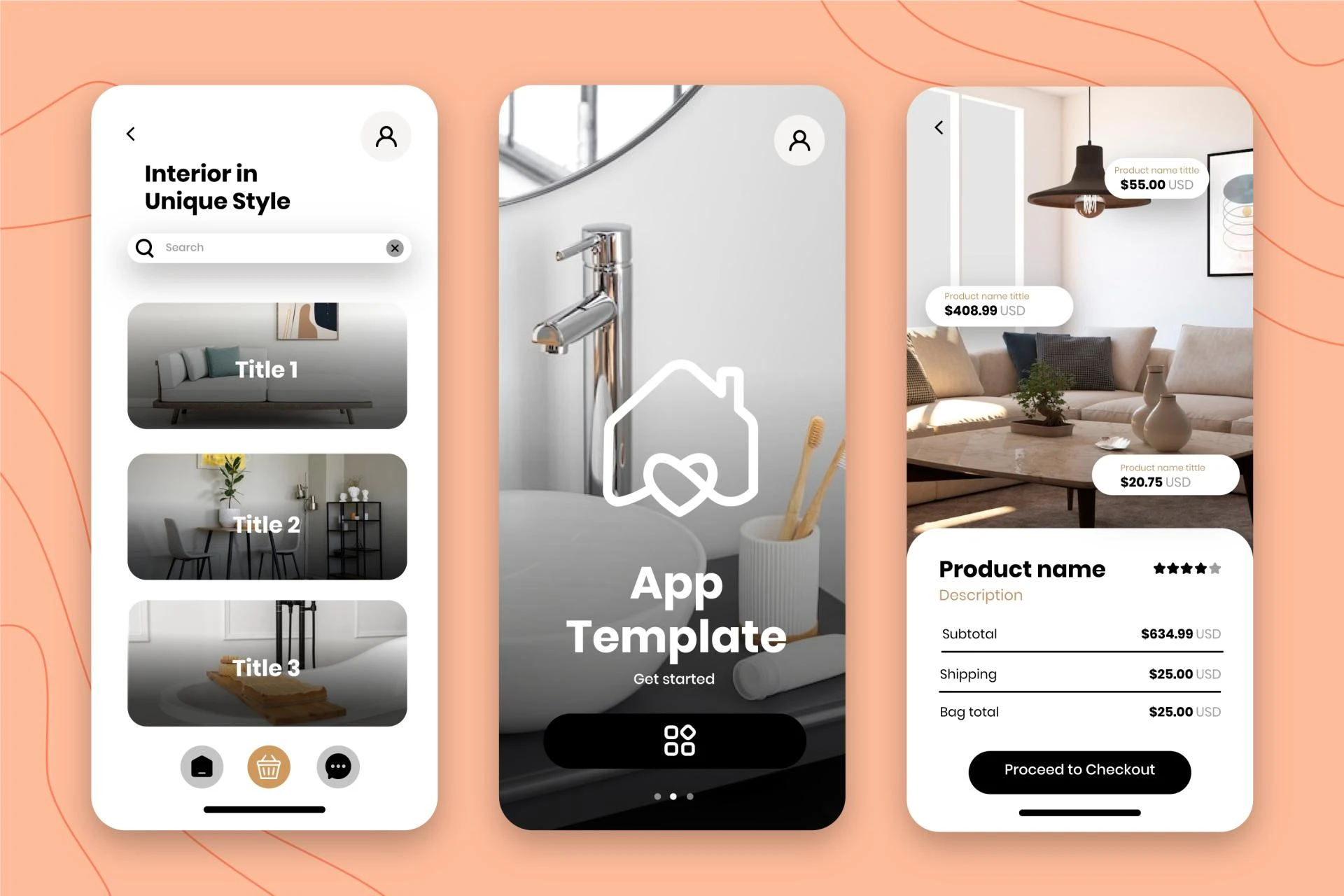
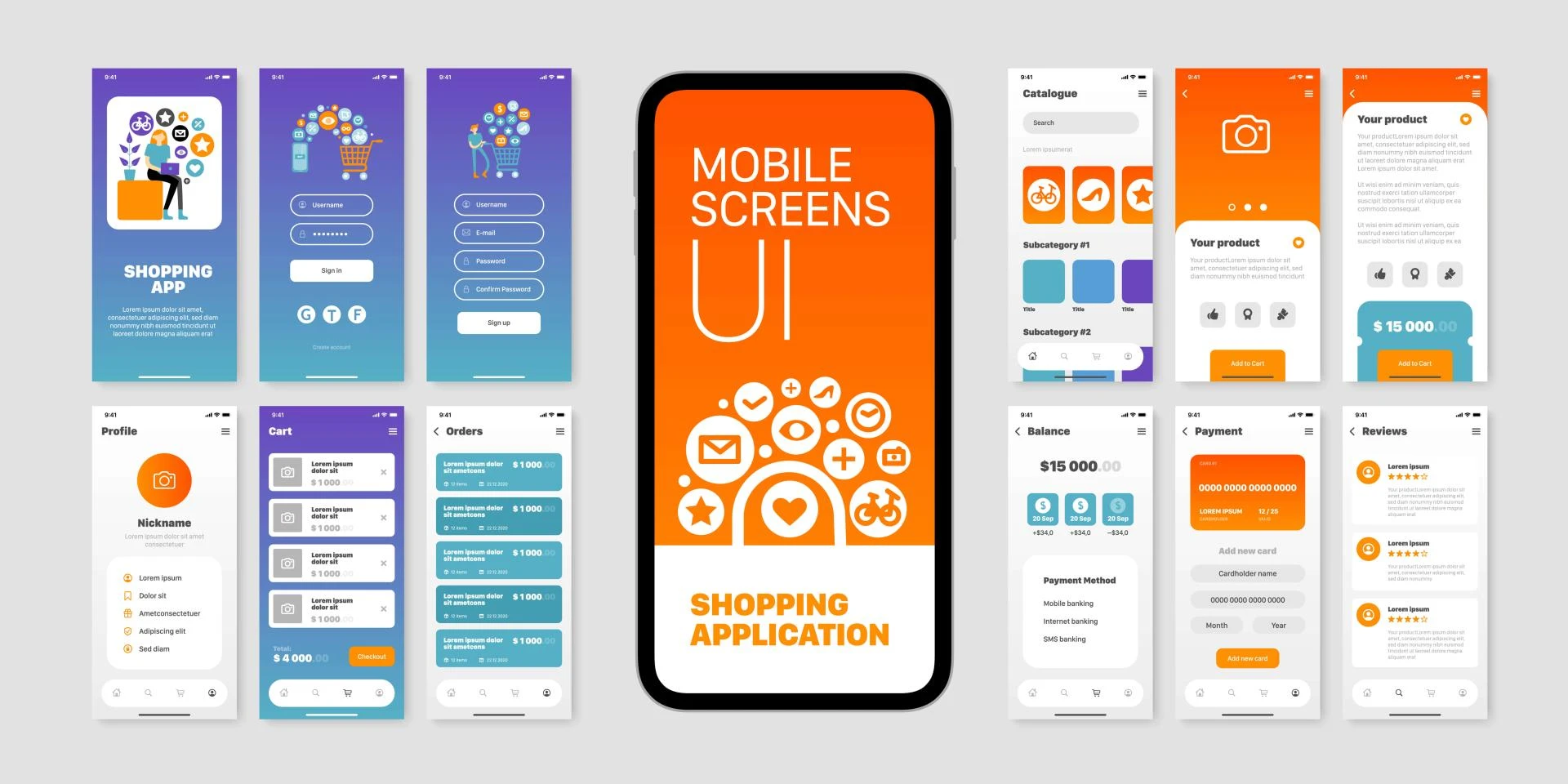
Adopt a Mobile-First Approach:With the majority of internet users accessing content through mobile devices, adopting a mobile-first design strategy is crucial. Designing for smaller screens forces prioritization of essential features and ensures a seamless transition to larger screens. A responsive and mobile-friendly design is not just a trend but a necessity for success in the digital landscape.
Collaborate Across Disciplines:Innovative UI/UX design doesn't happen in isolation. Collaborating with developers, marketers, and other stakeholders is essential for creating cohesive and effective digital products. Cross-disciplinary collaboration fosters a holistic understanding of the project, resulting in designs that align with both user needs and technical constraints.
Continuously Iterate and Test:The digital landscape evolves rapidly, and so should your designs. Implementing a culture of continuous iteration and testing allows designers to adapt to changing trends and user preferences. Regularly collecting feedback and analyzing user behavior provides valuable data for refining and improving UI/UX designs over time.
In conclusion, staying ahead in the rapidly evolving digital landscape requires a proactive and innovative approach to UI/UX design. By embracing user-centric principles, staying informed about emerging technologies, prioritizing accessibility, incorporating microinteractions, adopting a mobile-first strategy, fostering collaboration, and committing to continuous iteration, designers can create digital experiences that stand out and captivate users in this ever-changing digital era.
Visit my Upwork profile for - UI/UX design, Mobile Design & Product Designer
Project Catalog for - Mobile App UI UX Design, iOS or Android Mobile APP UX/UI Design & Modern Crypto Designn




























Sign in to leave a comment.